

What if you could turn your passion into profit in just five minutes by setting up an Amazon seller account? That’s exactly what thousands of entrepreneurs are doing right now by launching their own products on Amazon. This comprehensive guide will walk you through the entire process, drawing from the real-world experience of James, a former Amazon program manager who transformed his career setback into a thriving business making over $30,000. Setting up your Amazon seller account represents the crucial first step toward financial freedom, and the process is far more straightforward than most people imagine. Throughout this guide, you’ll discover exactly how to navigate each step, choose the right account type for your needs, and avoid common pitfalls that trip up new sellers.
James’s journey began when Amazon laid him off during their 2022 restructuring that eliminated 10,000 positions, including his. Rather than viewing this as a setback, he used his three-month severance pay wisely to explore various business opportunities. After researching wholesaling, real estate, and cryptocurrency, he discovered Travis’s free 10-hour course focused on the Passion Product Formula for creating products on Amazon. Consequently, he developed Bogeys and Beers, a golf tee-based drinking game that solved a real problem he faced while planning his bachelor party with friends of varying golf skill levels. Let’s dive into exactly how you can get started today and potentially replicate this success story with your own passion product.
- Why Sell on Amazon? The Opportunity Awaits
- Choosing Your Account Type: Professional vs. Individual
- Business Structure: LLC, DBA, or Individual?
- Step-by-Step Account Setup Process
- UPC Codes and Product Identification
- Optional: Diversity Certification
- Brand Ownership and Store Setup
- The Waiting Game: Timeline and Expectations
- The Passion Product Formula: Your Path to Success
- Real Results: What's Possible
- Take Your First Step: The Path Forward Starts Now
- Frequently Asked Questions
Why Sell on Amazon? The Opportunity Awaits

Amazon’s marketplace offers unparalleled opportunities for entrepreneurs willing to take the first step. The platform provides instant access to hundreds of millions of active customers worldwide. These customers already trust the Amazon brand. Additionally, Amazon handles much of the heavy lifting through its fulfillment infrastructure. This allows you to focus on creating great products. You won’t worry about warehousing and shipping logistics.
James’s success story perfectly illustrates the power of the Amazon platform. He combined it with the passion product approach. After losing his job at Amazon, he could have pursued numerous business ventures. However, he chose to create a product that solved a genuine problem in his own life. His golf party dilemma became the foundation for a successful business. He needed to entertain friends with vastly different skill levels. This authentic approach to product creation resonates with customers. It creates sustainable motivation for long-term business growth.
The passion product methodology focuses on identifying problems you’ve personally experienced. Travis champions this approach through his comprehensive training programs. You create solutions that others will value. Unlike generic dropshipping or reselling approaches, passion products carry authentic stories. These stories naturally attract customers. Furthermore, when you’re genuinely passionate about your product, marketing becomes easier. Your enthusiasm shines through in everything you create.
Travis’s Amazon Passion Product Formula has helped students worldwide launch successful businesses. Their location doesn’t matter. Their previous experience doesn’t matter. His free 10-hour course provides everything you need to understand the process. His more comprehensive Passion Product Formula offers additional coaching. This is perfect for those seeking extra guidance. Therefore, combining Amazon’s powerful platform with proven methodologies creates an incredible opportunity. This opportunity is for aspiring entrepreneurs ready to take action.
Choosing Your Account Type: Professional vs. Individual

Amazon seller account offers two distinct seller account types. Selecting the right one for your situation significantly impacts your profitability. It also affects your growth potential. The Professional Account costs $39.99 per month. However, it charges no per-item fees. The Individual Account remains free. However, it charges $0.99 for every unit you sell. Consequently, understanding the break-even point helps you make an informed decision from the start.
The mathematics behind this decision are straightforward. If you sell 40 or fewer units per month, the Individual Account saves you money. Forty units at $0.99 each equals $39.60. This roughly matches the Professional Account’s monthly fee. However, once you exceed 40 units, the Professional Account becomes substantially more cost-effective. For example, selling 100 units per month would cost $99 in fees on an Individual Account. You’d only pay $39.99 on a Professional Account. This saves you nearly $60 monthly.
Beyond the cost calculation, Professional Accounts unlock advanced selling tools. Individual sellers cannot access these features. These include bulk listing capabilities, advertising options, and detailed analytics. You also get eligibility for the Buy Box. This is the prominent “Add to Cart” button that drives the majority of Amazon sales. Moreover, Professional Accounts signal to customers that you’re a serious business. This enhances your credibility and conversion rates.
If you’re genuinely committed to building an Amazon seller account business, start with a Professional Account. The account type demonstrates your commitment to success. It provides the tools necessary for scaling your business efficiently. Nevertheless, if you want to experiment with minimal financial risk, the Individual Account offers a reasonable starting point. You can always upgrade later as your sales volume increases.
Business Structure: LLC, DBA, or Individual?

Choosing the right business structure represents one of the most important decisions you’ll make. Your business entity affects everything from personal liability protection to tax implications. It impacts professional credibility. Fortunately, understanding the three main options enables you to make an informed choice. These options are Limited Liability Company (LLC), Doing Business As (DBA), and Individual. They align with your risk tolerance and business goals.
A Limited Liability Company provides the strongest protection for your personal assets. It creates a separate legal entity for your business. If someone sues your company or your business incurs debt, your personal assets remain protected. Your savings, home, and other assets stay safe. Setting up an LLC costs approximately $200. You can use services like Wyoming Registered Agent or Legal Zoom. The investment delivers peace of mind alongside professional credibility. James initially started with a DBA. However, he switched to an LLC for Bogeys and Beers. His product mentioned beer, potentially exposing him to liability concerns. This decision protected his personal assets while building his brand professionally.
A DBA stands for “Doing Business As.” It allows you to operate under a business name without forming a separate legal entity. This option costs between $50 and $99. It works well for low-risk products. These include hats, books, or other items unlikely to generate lawsuits. The DBA gives you a professional business name for marketing purposes. It keeps startup costs minimal. However, this structure offers no personal asset protection. If someone sues your business, they can pursue your personal belongings. Therefore, carefully consider your product’s risk level before choosing this option.
Operating as an Individual seller means using your personal name. You don’t need any formal business structure. Amazon allows this approach, particularly for those just testing the market. You could also use it for selling small quantities. While this option requires no additional setup costs or paperwork, it provides no asset protection. It appears less professional to potential customers. International sellers can create US-based LLCs. They can sell on Amazon’s US marketplace. Travis’s Passion Product Formula has successfully guided students worldwide through this process. Ultimately, choosing between these structures depends on your product’s risk profile. It depends on your commitment level and your budget for initial business setup.
Step-by-Step Account Setup Process

Beginning your Amazon seller journey starts with a simple visit. Go to sell.amazon.com. Click the “Sign Up” button to initiate the process. You can log into your existing personal Amazon seller account. You can also create a new one specifically for selling. Either approach works perfectly fine. Many successful sellers use their personal accounts for business purposes. They experience no issues whatsoever. This simplifies the setup process. It keeps everything connected to their existing Amazon relationship.
Amazon seller account designed the signup process to be straightforward and user-friendly. However, it requires attention to detail and accurate information. As you proceed through each step, double-check every entry. Do this before moving forward. Correcting mistakes later can delay your account activation. Moreover, having all necessary documents prepared before you begin streamlines the process. This helps you complete everything in approximately five minutes. This matches what James demonstrated in his tutorial.
Business Information Section
The first substantive questions focus on your business location and entity type. Select your country. For most viewers, this will be the United States. However, international sellers can absolutely sell on Amazon’s US marketplace. They just need the proper business setup. Next, choose your business entity type from the options provided. If you’ve established an LLC or DBA, select “privately-owned business.” Enter your registered business name. Alternatively, if you’re starting as an individual without formal business registration, select “I am an individual” to proceed.
Amazon will then ask you to confirm your business name. Verify that all entered information appears correct. This business name will initially serve as your store name. However, Amazon seller account allows you to change this later with just a few clicks. Therefore, don’t stress excessively about choosing the perfect name immediately. You can refine your branding as your business evolves. Nevertheless, using a name that matches your intended brand identity makes sense. This helps with both marketing and consistency perspectives.
Documentation Requirements
Amazon seller account requires specific documentation to verify your business legitimacy. They also need it to comply with tax regulations. The most important document is your EIN. This stands for Employer Identification Number. You can obtain it completely free from the IRS website. Just fill out a quick online form. This tax identification number serves as your business’s Social Security number. It enables Amazon seller account to report your earnings properly. Additionally, you’ll need to provide your business address. You’ll also provide basic personal information to complete this section.
International sellers should note that they can obtain US-based EINs. They can register businesses in the United States even while living abroad. Travis’s Passion Product Formula includes students from countries around the world. They have successfully navigated this process. They now sell profitably on Amazon’s platform. Consequently, your location shouldn’t prevent you from accessing this tremendous opportunity. You just need to be willing to complete the necessary paperwork.
Identity Verification
Protecting the integrity of its marketplace motivates Amazon seller account to thoroughly verify every seller’s identity. You’ll need to upload proof of identity. Use documents such as a driver’s license, passport, or Social Security number. Other valid government-issued identification works too. Furthermore, Amazon seller account requires proof of residence. This typically comes in the form of a recent utility bill. A bank statement showing your current address also works. These verification requirements ensure that legitimate businesses operate on the platform. They deter fraudulent sellers.
After submitting your documents, Amazon may require a video call. This verifies your identity face-to-face. This additional step, while potentially inconvenient, protects both sellers and customers. It ensures accountability throughout the marketplace. International sellers successfully complete this verification process regularly. Don’t let concerns about documentation prevent you from pursuing your Amazon business dreams.
Banking and Payment Set-up
Setting up your banking information correctly ensures that Amazon can pay you promptly. You’ll need to provide your bank name, routing number, and account number. This information is readily available on your checks. You can also find it through your online banking portal. Amazon deposits your earnings directly into this account. They follow their payment schedule, typically every two weeks. Therefore, using a dedicated business bank account helps you track your Amazon income. You can keep it separate from personal finances.
One critical warning deserves special attention. Always use a credit card rather than a debit card. Do this when setting up your payment method. Many new sellers make the mistake of entering their debit card information. This can trigger account flags. It can potentially result in account suspension or bans. Amazon wants to ensure a reliable payment channel exists. This covers your monthly account fees and other charges. Credit cards provide greater assurance than debit cards. This simple distinction protects your account. It prevents frustrating complications that could derail your business before it begins.
UPC Codes and Product Identification
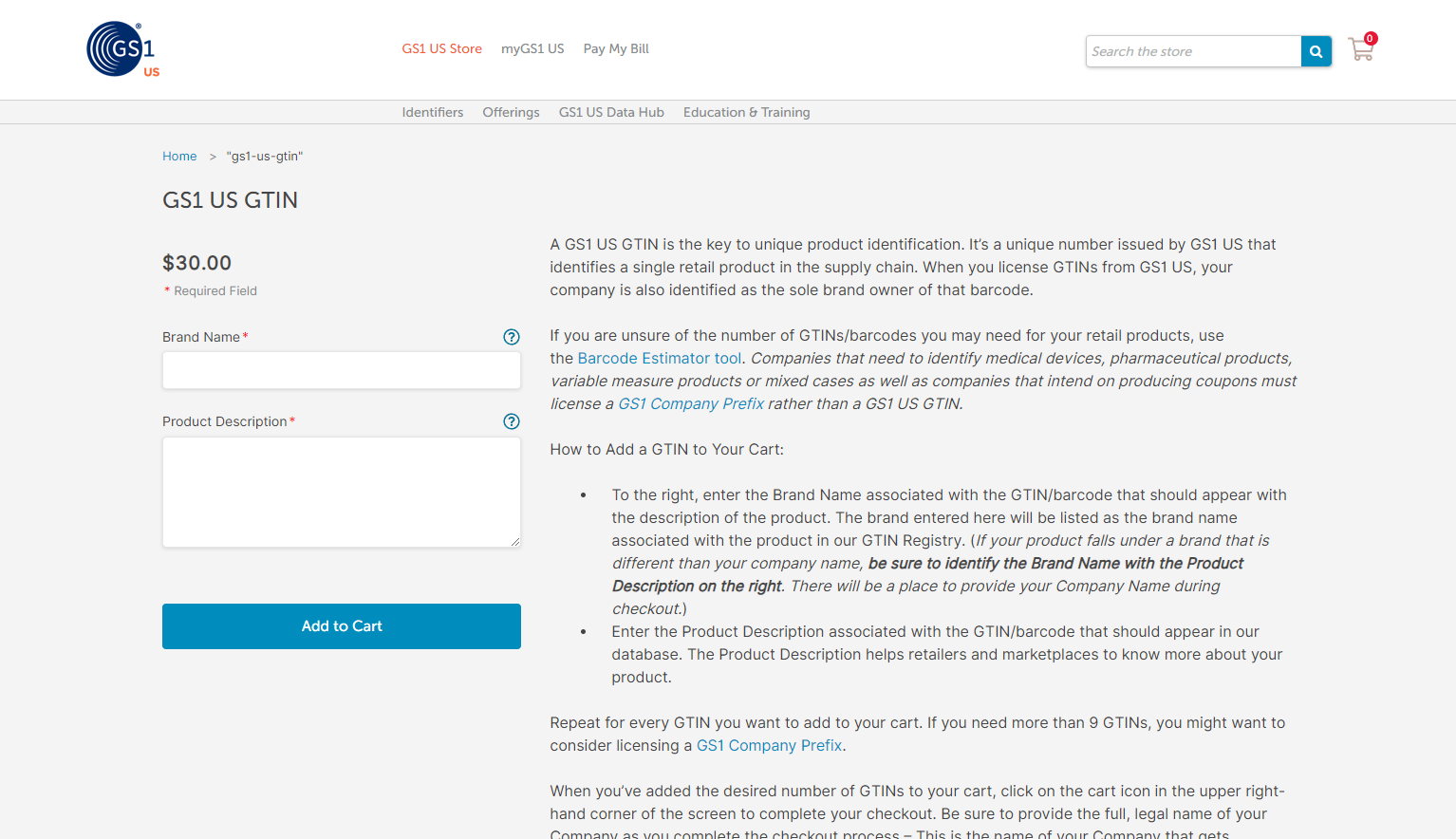
Understanding UPC codes proves essential for anyone selling products on Amazon. UPC stands for Universal Product Codes. These barcodes appear on virtually every retail product. They get scanned at checkout counters in stores like Target and grocery chains. Amazon requires UPC codes to track products accurately. They prevent counterfeiting and maintain marketplace integrity. Consequently, you’ll need to address this requirement during your account setup process.
Your situation determines whether you need to purchase new UPC codes. It depends on whether you can use existing ones. If you’re reselling products that other companies manufacture, those items already have assigned UPC codes. You’ll simply indicate that you have codes for your products. However, if you’re creating your own passion product like James did, you’ll need different codes. Bogeys and Beers required brand new UPC codes. These belong exclusively to your product. This distinction ensures that every product on Amazon has a unique identifier. It prevents confusion and maintains accurate inventory tracking.
To obtain official UPC codes for your original products, visit gs1.org. This is the authorized global source for these identifiers. Each code costs approximately $30. Purchasing from GS1 ensures your codes are legitimate. They’re recognized throughout retail systems worldwide. While some cheaper alternatives exist online, using official GS1 codes prevents potential complications. You’ll avoid issues with Amazon’s verification processes. This protects your long-term business interests. Moreover, legitimate UPC codes provide credibility. This matters if you ever decide to expand your product into traditional retail channels beyond Amazon.
Planning for UPC codes early in your product development process helps you budget accurately. It helps you avoid delays when you’re ready to list your items. Some sellers make the mistake of finalizing their product design without considering UPC code requirements. They face unexpected expenses and timeline setbacks. Therefore, including UPC codes in your initial business planning demonstrates the professional approach necessary for Amazon success.
Optional: Diversity Certification

Amazon offers special recognition for businesses owned by underrepresented groups. They do this through their diversity certification program. This optional designation highlights sellers who are minority owners, women, veterans, or members of the LGBTQ community. This certification is certainly not required for selling on Amazon. However, it provides additional visibility opportunities. These can benefit eligible sellers significantly.
The primary advantage of diversity certification comes from Amazon’s occasional promotional activities. They highlight minority-owned businesses. These promotions drive additional traffic to certified sellers. This potentially increases sales and brand awareness without additional advertising costs. Furthermore, many customers actively seek to support diverse businesses. This certification helps them identify your company as aligning with their values. Therefore, if you qualify for certification, pursuing it makes strategic sense. The application process does require some additional documentation.
Amazon maintains specific requirements and verification processes for diversity certification. You can review these on their seller platform. The application typically requires proof of ownership demographics. It may involve submitting business documentation confirming your eligibility. While this adds a step to your setup process, the potential benefits justify the effort. This applies for qualifying sellers. Nevertheless, if you don’t qualify or prefer not to pursue certification, you can skip this step entirely. You won’t face any negative consequences for your selling privileges.
Building your brand story authentically matters more than any certification. However, legitimate certifications can enhance your narrative. They connect with customers who value supporting diverse businesses. Consider this option carefully if you qualify. Don’t worry if it doesn’t apply to your situation. Amazon success depends primarily on creating excellent products. It depends on executing smart marketing strategies.
Brand Ownership and Store Setup
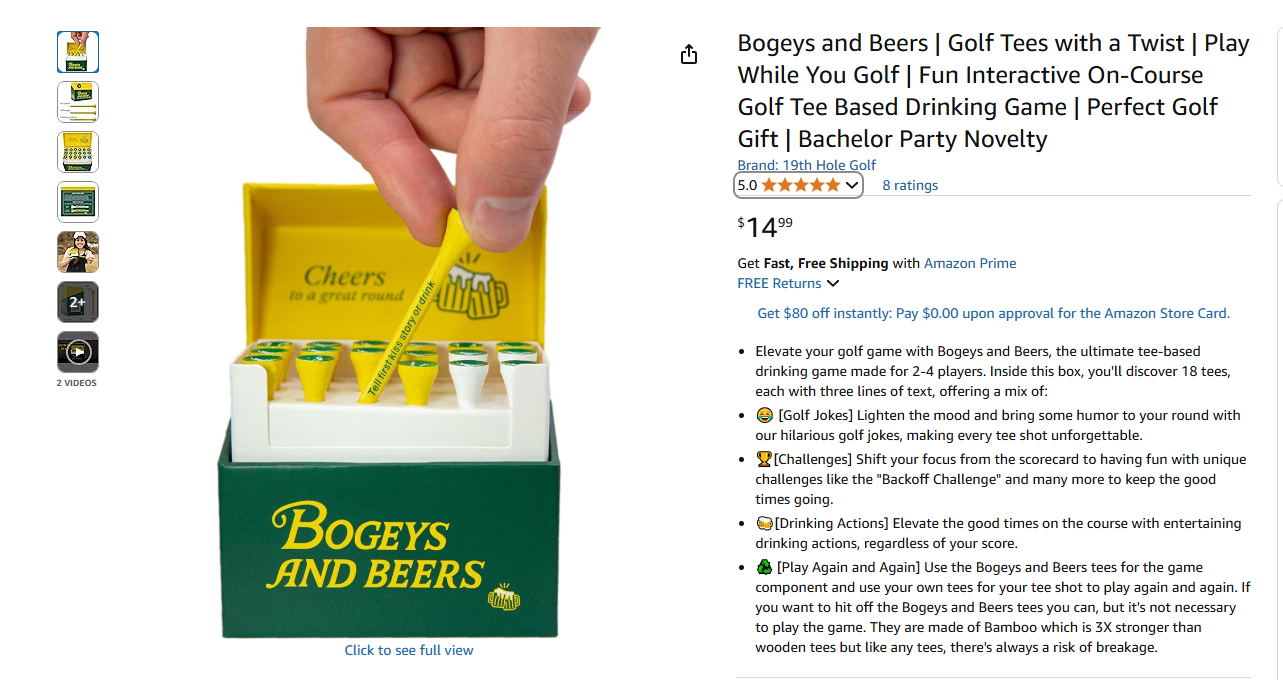
Amazon will ask you to confirm whether you own the brand you intend to sell. For passion product creators like James, the answer is straightforward. Yes, you own your brand. You’re creating original products under your own business name. This ownership declaration sets you up for future enrollment. Amazon’s Brand Registry program provides additional protections. It offers marketing tools for brand owners. Consequently, being able to confirm brand ownership opens doors to valuable features. These enhance your competitive position.
Choosing your store name represents another important branding decision during the setup process. Amazon allows you to select any name you prefer. However, using the same name as your business creates consistency. This consistency extends across your marketing materials and legal documents. James recommends aligning your store name with your business name. This builds cohesive brand recognition. However, Amazon makes changing your store name relatively easy. Just a few clicks in your account settings. You shouldn’t stress excessively about making the perfect choice immediately.
Your store name appears prominently in your product listings. It also appears in your Amazon storefront. This creates customer recognition and trust over time. A memorable, relevant name helps customers find you again. They can recommend your products to others. Moreover, a professional store name enhances credibility. It signals that you’re a serious business committed to quality. You’re committed to customer service. Therefore, investing some thought into your naming decision pays dividends in the long run. You still retain flexibility to adjust later.
Building your brand identity extends far beyond just selecting a name. It encompasses your product quality, customer service, and visual design. It includes your overall customer experience. Nevertheless, choosing a strong store name during setup establishes the foundation. This foundation supports all future branding efforts. It helps you start your Amazon journey with professional credibility.
The Waiting Game: Timeline and Expectations

One of James’s most crucial pieces of advice involves starting your account setup process early. Start much earlier than you might initially think necessary. Amazon’s verification process varies dramatically from one seller to another. Some accounts activate within a single day. Others require three weeks or more. This unpredictability makes planning essential. This is particularly true if you have time-sensitive product launches. You may have business goals. Therefore, submitting your application well before you actually need to start selling prevents frustrating delays. These could derail your momentum.
During the verification period, Amazon reviews all submitted documents. They confirm your identity. They may schedule a video call to complete the process. You cannot control this timeline. You cannot accelerate it through customer service requests. Patience becomes essential. However, this waiting period doesn’t need to be wasted time. Instead, use these days or weeks productively. Dive into Travis’s free 10-hour Amazon seller course. You’ll learn comprehensive strategies for product research. You’ll learn about supplier selection, listing optimization, and launch tactics.
Additionally, while waiting for account activation, you can develop your product concept further. Research your competition. Plan your brand identity. Successful Amazon sellers use this time to prepare thoroughly. They can hit the ground running once their accounts go live. Creating your product photography strategy represents productive activity. Drafting initial listing copy helps. Identifying potential manufacturers moves you forward. Consequently, you’ll reach activation day ready to execute. You won’t be scrambling to figure out your next steps.
Setting realistic expectations about verification timelines prevents disappointment. It helps you plan your business launch strategically. Don’t wait until your products arrive from the manufacturer. Start your account setup during product development. This ensures everything aligns properly. This proactive approach separates successful sellers from those who let avoidable delays diminish their enthusiasm. It protects their momentum.
The Passion Product Formula: Your Path to Success

Passion products succeed because they solve real problems. Entrepreneurs have personally experienced these problems. They genuinely understand them. James’s Bogeys and Beers golf tee drinking game emerged directly from his bachelor party planning challenge. He needed to entertain friends with vastly different golf abilities. He wanted to keep everyone engaged and having fun. This authentic problem-solving approach creates products that resonate with customers. The need is real, not manufactured. Moreover, when you’re truly passionate about your product category, marketing becomes natural. It becomes sustainable rather than forced and draining.
Travis’s free 10-hour Amazon seller course provides comprehensive training. It covers every aspect of launching and selling your passion product successfully. This entirely free resource walks you through product research and validation. You’ll learn about finding reliable manufacturers and suppliers. You’ll learn to create compelling product listings that convert browsers into buyers. The course implements launch strategies that actually work. Additionally, the course covers marketing tactics and scaling strategies. These help you grow from initial sales to a thriving business. You’ll generate consistent income. Thousands of students worldwide have used this course successfully. They’ve built successful Amazon businesses. Their previous experience didn’t matter. Their business background didn’t matter.
For entrepreneurs seeking more hands-on support, Travis offers his Passion Product Formula coaching program. It provides advanced strategies. This comprehensive course provides deeper guidance. You get access to a community of fellow sellers. They’re navigating similar challenges. You receive personalized coaching to help you overcome specific obstacles in your journey. Students benefit from real case studies. They get detailed breakdowns of successful product launches. They receive ongoing support as they build and scale their businesses. Furthermore, the program includes students from countries around the world. This proves that location doesn’t limit your potential. You just need the right guidance and determination.
Investing in education dramatically shortens your learning curve. It helps you avoid costly mistakes that plague many new sellers. Trial and error eventually teaches important lessons. However, learning from experienced mentors like Travis accelerates your path to profitability. It prevents unnecessary setbacks. The combination of Amazon’s powerful marketplace creates an unparalleled opportunity. Add proven passion product methodology. Include expert guidance. This creates opportunities for aspiring entrepreneurs ready to transform their ideas. They can turn ideas into income-generating businesses.
Real Results: What’s Possible

James’s transformation from laid-off Amazon employee to successful business owner demonstrates what becomes possible. You need passion, preparation, and proven systems. Starting with just an idea born from personal experience, he succeeded. He invested $150 in forming an LLC. He built Bogeys and Beers into a business generating over $30,000 in sales. His account setup took approximately five minutes. Building the actual business required significantly more effort. However, that initial five-minute investment opened the door. It opened the door to financial independence and entrepreneurial satisfaction.
The timeline of James’s journey illustrates realistic expectations for aspiring sellers. He spent five minutes setting up his account, spent several weeks waiting for verification and used that time to develop his product concept. He sourced manufacturers and learned Travis’s strategies. Following his product launch, initial sales validated his concept. They provided momentum for scaling. Subsequently, consistent execution of proven tactics drove steady growth. His genuine passion for solving his customers’ problems helped. He reached substantial five-figure revenue. This progression shows that success doesn’t require overnight virality. It stems from consistent effort and smart strategy.
What makes this story particularly encouraging is that James possessed no special advantages. He had access to the same information and tools available to you right now and wasn’t a marketing genius. He didn’t have significant capital and actually started from a position of job loss rather than financial security. His three-month severance provided a runway. However, his success came from taking action on what he learned. It didn’t come from any unfair advantage. Therefore, his results demonstrate what’s achievable for ordinary people. They just need to be willing to learn, work, and persist through inevitable challenges.
Your passion product idea could become the next success story. It could be featured in future courses and tutorials. Every successful Amazon seller started exactly where you are now. They had an idea, some uncertainty, and a decision to take the first step. The question isn’t whether success is possible. The question is whether you’re ready to commit to the process. Will you persist until you achieve your goals?
Take Your First Step: The Path Forward Starts Now
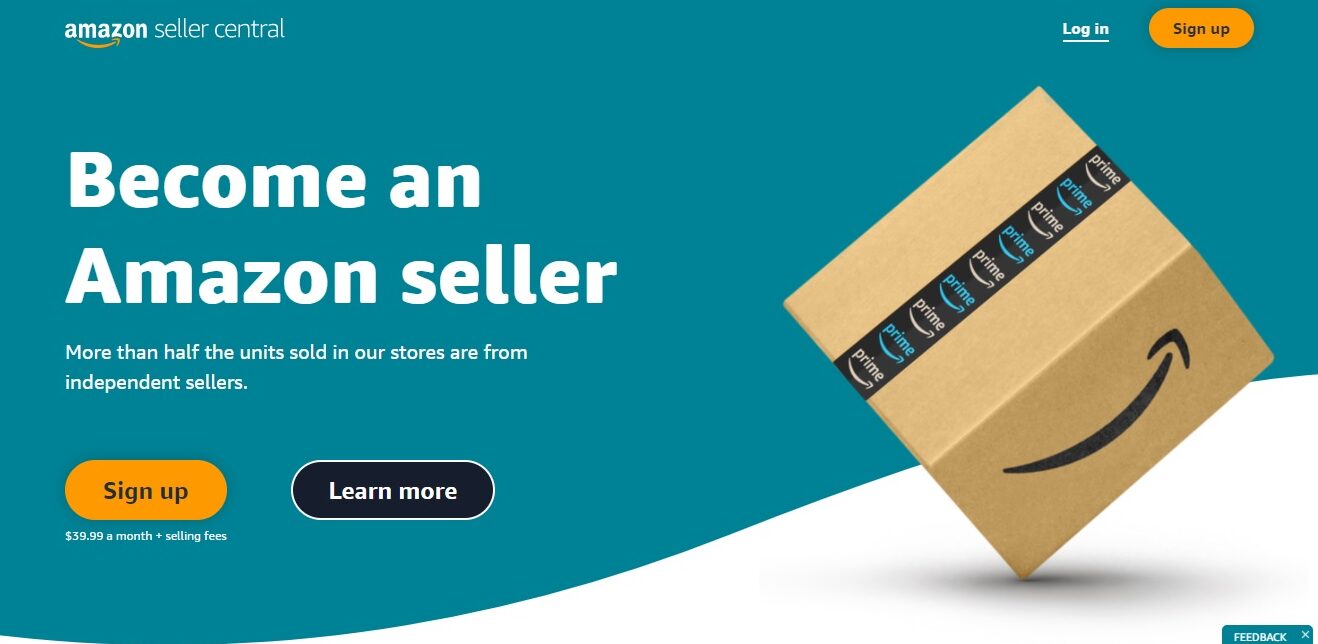
The entire Amazon seller account setup process distills into a straightforward sequence. It requires minimal time but delivers maximum opportunity. Visit sell.amazon.com. Choose between Professional and Individual account types. Set up your preferred business structure. Provide the necessary documentation. Wait for verification while preparing your business for launch. This simple five-minute investment could genuinely transform your financial future. You just need to follow through with product development and smart execution.
Your immediate action plan should include several parallel tracks. These move your business forward efficiently. First, decide whether a Professional or Individual account makes more sense for your situation. Then set up an LLC or DBA if appropriate. You can start as an individual and upgrade your business structure later. Next, gather all required documents. You’ll need identification, proof of residence, banking information, and your credit card. Do this before beginning the application. Meanwhile, start Travis’s free course to build your knowledge. Do this while Amazon processes your verification. Finally, begin brainstorming and researching potential passion products. Focus on products that solve problems you’ve personally experienced. You should understand them deeply.
The opportunity before you extends far beyond just making extra money. Financial benefits certainly motivate many successful sellers. However, building an Amazon business provides autonomy and flexibility. It provides creative fulfillment. You get the satisfaction of solving real problems for real customers. Amazon’s massive marketplace removes many traditional barriers. Combined with proven methodologies like the Passion Product Formula, entrepreneurship becomes more accessible. These barriers once made it inaccessible for average people. Moreover, you can start this business while maintaining your current job. Test and validate your concept. Do this before making any major life changes.
Every successful Amazon seller started with the same first step you’re about to take. This includes those earning six and seven figures annually. The best time to begin was yesterday. The second best time is right now. Your passion product journey awaits. It requires only your decision to click that signup button. You need to commit to the process. Five minutes from now, you could have your Amazon seller account application submitted. Your entrepreneurial journey will be officially launched. What are you waiting for?
Frequently Asked Questions
How long does it actually take to set up an Amazon seller account?
The actual application process takes approximately five minutes. This assumes you have all necessary documents prepared beforehand. However, Amazon’s verification process can take anywhere from one day to three weeks. This depends on their review queue. It also depends on any additional verification steps they require. Therefore, while submitting your application is quick, plan for potentially several weeks. You’ll need this time before you can actually start listing products. Use this waiting period productively. Learn selling strategies and develop your product concept.
Do I really need an LLC to sell on Amazon?
No, you don’t absolutely need an LLC to start selling on Amazon. You can begin as an individual seller. Upgrade your business structure later as your business grows. However, forming an LLC provides important personal asset protection. This is especially true if you’re selling products that carry any liability risk. James started with a DBA. However, he switched to an LLC for his beer-related product. This protected him from potential lawsuits. Consider your product’s risk level. Think about your long-term business goals when making this decision.
What happens if I use a debit card instead of a credit card?
Using a debit card instead of a credit card can trigger account flags. This can potentially result in suspension or banning. Amazon seller account requires credit cards because they provide a more reliable payment channel. They need it for monthly fees and other charges. If you’ve already entered a debit card, contact Amazon seller support immediately. Update your payment method to a credit card. This simple mistake has derailed many new sellers’ businesses. Double-check that you’re using a proper credit card during setup.
Can I sell on Amazon if I live outside the United States?
Absolutely! International sellers can successfully sell on Amazon’s US marketplace. You need to set up a US-based LLC. You’ll need to obtain the necessary documentation. Travis’s Passion Product Formula includes students from countries around the world. They have navigated this process successfully. You’ll need to obtain a US business entity and EIN. However, these steps are entirely achievable from abroad. The verification process remains the same. You may need to provide different types of documentation. This depends on your country.
Is the Professional Account worth the $39.99 monthly fee?
The Professional Account becomes cost-effective once you’re selling more than 40 units per month. Individual accounts charge $0.99 per unit sold. Beyond the cost savings at higher volumes, Professional Accounts unlock advanced selling tools. You get advertising options and better analytics. These help grow your business faster. If you’re serious about building an Amazon business, start with a Professional Account. Don’t just test the waters. Starting with a Professional Account makes strategic sense from day one.
Where can I get legitimate UPC codes for my products?
The only authorized source for legitimate UPC codes is gs1.org. Codes cost approximately $30 each. While you may find cheaper alternatives online, using official GS1 codes ensures Amazon accepts your products. You won’t face complications. This protects your business if you ever expand into traditional retail. Budget for UPC codes during your initial product planning. This helps you avoid unexpected expenses. Do this when you’re ready to list your items.
How much money do I need to start an Amazon seller business?
Starting costs vary depending on your product type and business structure. However, you can begin with relatively modest investment. Expect to spend $150-$200 for an LLC. Budget $30 per UPC code. The Professional Account costs $39.99 monthly. You’ll also need to cover your initial product inventory costs. Many successful sellers start with $1,000-$3,000 total investment. Passion products with higher manufacturing costs may require more. Travis’s free course helps you plan your budget accurately. This is based on your specific product concept.
What should I do while waiting for my account to be verified?
Use the verification waiting period to educate yourself. Prepare for launch. Start Travis’s free 10-hour Amazon seller course. Learn comprehensive selling strategies. Research your competition and potential product ideas. Begin developing your brand identity. This includes your business name, logo concepts, and product photography plans. Contact potential manufacturers to get quotes. Get timeline estimates. This preparation ensures you can execute quickly once your account activates. You won’t scramble to figure out your next steps.