
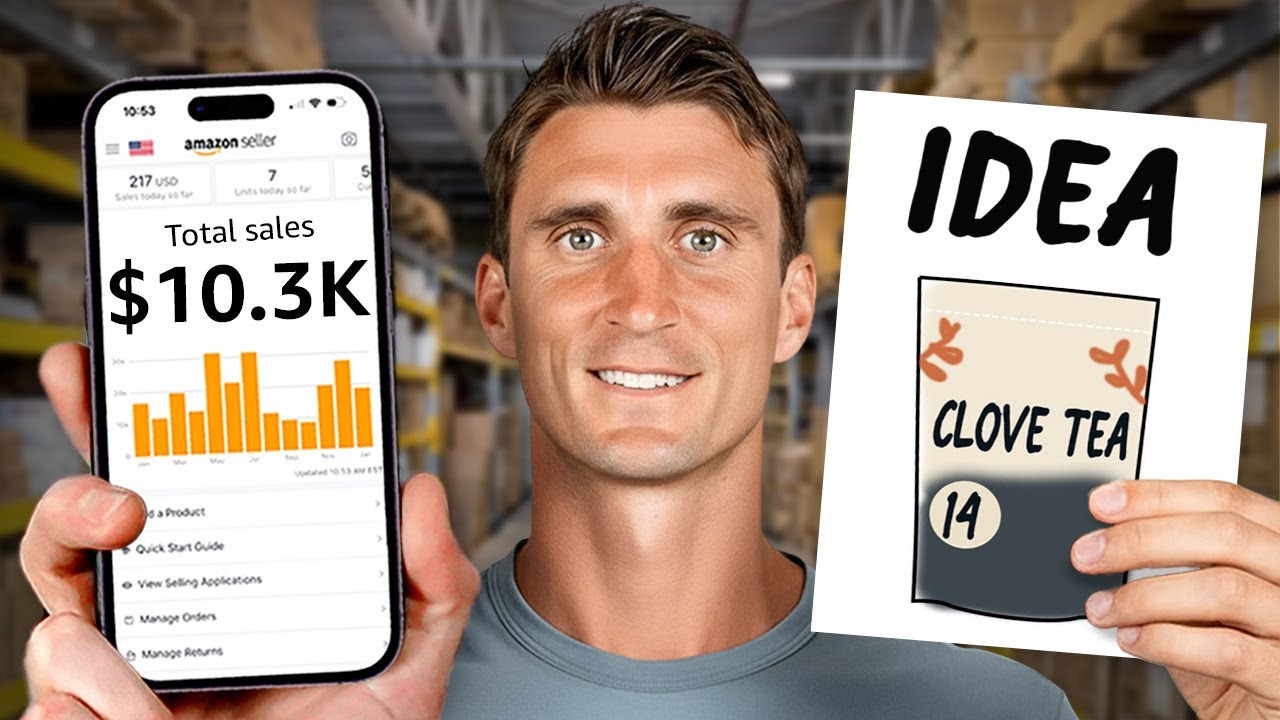
Starting an Amazon FBA product business feels overwhelming for most people. They believe it requires months of preparation, thousands of dollars in upfront investment, and complex manufacturing relationships. However, three entrepreneurs recently shattered these myths by launching real products in just seven days, and they documented the entire process. Throughout this guide, you’ll discover the exact steps these sellers took to create, package, and launch their Amazon FBA products. More importantly, you’ll learn how they accomplished this for under $300 per product.
This isn’t theory or speculation, these are real products that went live on Amazon within a week. The best part? You don’t need special skills, connections, or a massive budget to replicate their success. Whether you’re looking to launch clove tea, wellness shots, or ground pork rinds, the process remains surprisingly straightforward. Furthermore, the bootstrapping approach they used allows you to test your product idea without risking thousands of dollars.
By the end of this article, you’ll understand exactly how to create your first Amazon product quickly and affordably. Additionally, you’ll discover the resources and support systems that can accelerate your journey even further. These proven methods of Passion Product Formula work across virtually any product category, giving you a clear roadmap from idea to launched product.
- Why Amazon FBA Doesn't Need to Be Complicated
- The Three Essential Components of Creating Your Product
- Step 1: Product Creation – Three Real Examples
- Step 2: Professional Branding and Packaging Design
- Step 3: Essential Technical Requirements
- The Bootstrapping Strategy That Saves Thousands
- Creating Your Amazon Listing
- Learning Amazon FBA the Right Way
- Real Success Stories and Validation
- Your Amazon FBA Journey Starts Now
- Frequently Asked Questions
Why Amazon FBA Doesn’t Need to Be Complicated

Most aspiring sellers create unnecessary barriers before they even start. They spend months researching, analyzing spreadsheets, and convincing themselves they need everything perfect before launching. Consequently, many never actually get their products on Amazon at all.
The reality looks quite different from these common misconceptions. You can launch a legitimate Amazon business in less than a week, and you don’t need thousands of dollars to do it. The bootstrapping approach reduces financial risk dramatically while allowing you to validate your product idea in the real market. Instead of guessing whether customers will buy your product, you’ll know within weeks.
This method delivers several powerful advantages beyond just saving money. First, you minimize your financial exposure by starting small and scaling based on actual sales data. Second, you learn the entire Amazon selling process firsthand rather than delegating everything to manufacturers and service providers. Third, you maintain complete control over your product quality and brand presentation.
Real students have proven this approach works across various product categories. One entrepreneur launched a soap business for just $250 by ordering bulk soap and creating custom labels. Within weeks, they validated their niche using Helium 10 data and began generating consistent sales. Now, let’s examine the exact process you’ll follow to replicate these results.
The Three Essential Components of Creating Your Product
Every successful Amazon product launch requires three fundamental elements working together. First, you need the actual product itself, either manufactured, sourced, or assembled by you. Second, professional packaging and branding separate your product from generic competitors and attract your target customers. Third, an optimized Amazon listing converts browsers into buyers.
Understanding why each component matters helps you prioritize your efforts effectively. Your product needs to solve a real problem or fulfill a genuine desire for your target market. Meanwhile, your packaging must communicate your product’s value instantly because Amazon shoppers make split-second decisions based on thumbnail images. Finally, your listing must incorporate the right keywords while persuading customers that your product delivers the best solution.
Many new sellers mistakenly believe they can skip one of these elements to save time or money. However, neglecting any single component significantly reduces your chances of success. A great product with poor packaging gets overlooked in search results. Similarly, beautiful packaging without a quality product generates negative reviews and returns.
The good news? You don’t need to be an expert in all three areas. Smart entrepreneurs focus on creating or sourcing great products while leveraging professional services for branding and listing optimization. This combination allows you to launch quickly without compromising quality.
Step 1: Product Creation – Three Real Examples
Travis’s Clove Tea Example
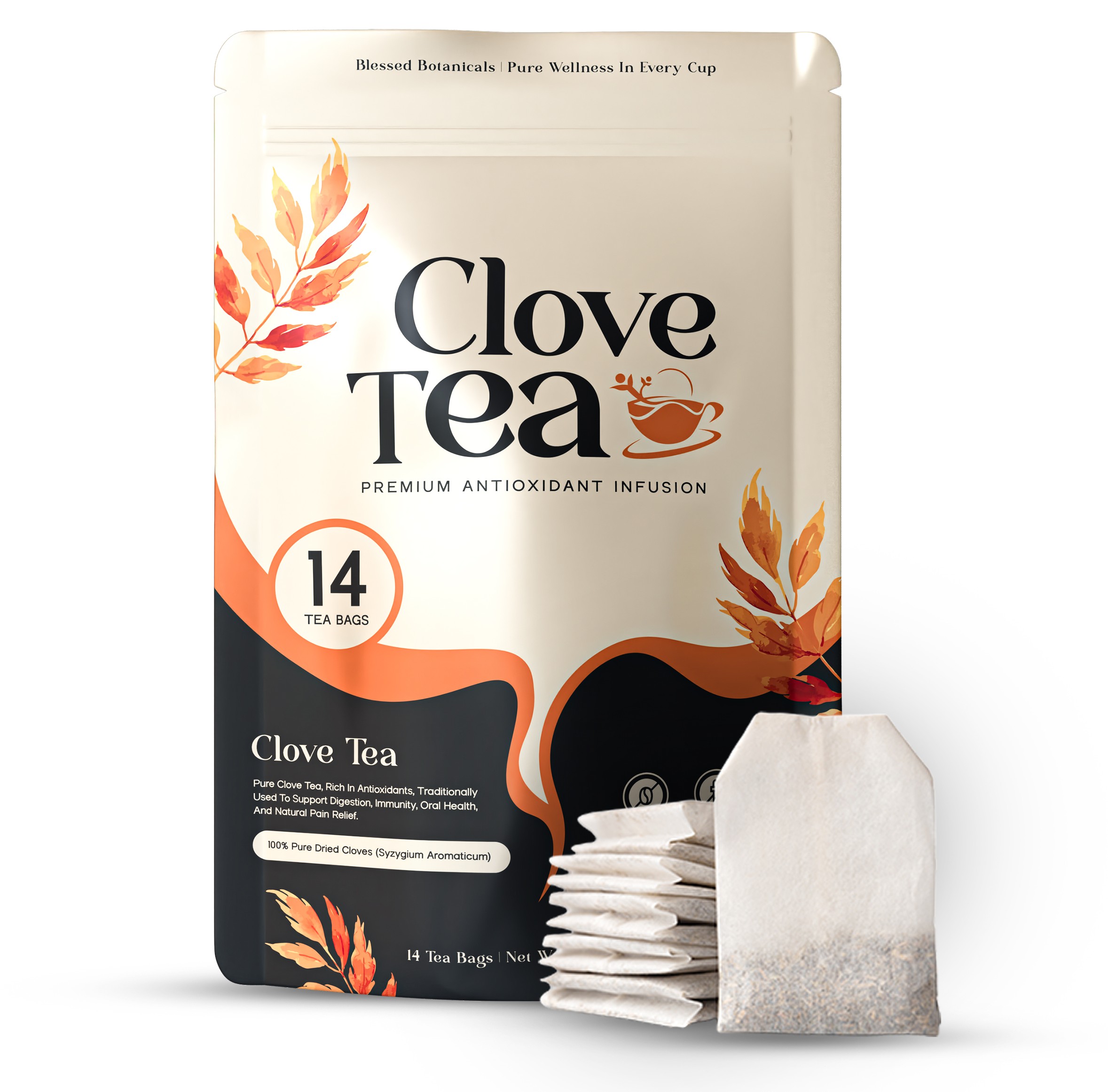
Travis demonstrated the simplest possible approach to product creation by launching clove tea. His entire product consists of ground cloves placed inside tea bags, which are then packaged in heat-sealed pouches. The materials list includes whole cloves, empty tea bags, resealable pouches, and a basic heat sealer, all readily available online.
The manufacturing process takes minutes per unit once you establish a rhythm. First, Travis experimented with grinding cloves to different consistencies to determine what creates the best tea. Then, he filled each tea bag with the optimal amount of ground cloves. After placing 14 filled tea bags into each pouch, he used the heat sealer to close the packaging securely.
Nevertheless, Travis emphasized an important compliance consideration for food products. Technically, you should create food items in a commercial kitchen that meets FDA guidelines. These facilities provide proper sanitation, equipment, and documentation to ensure your products meet safety standards. You can rent commercial kitchen space by the hour in most cities.
Interestingly, Travis mentioned that Amazon doesn’t necessarily verify kitchen certification upfront during the listing process. However, following proper procedures protects both you and your customers while building a sustainable business. Moreover, using certified kitchens becomes essential as you scale beyond your initial bootstrap run.
Kam’s Clove Water Strategy
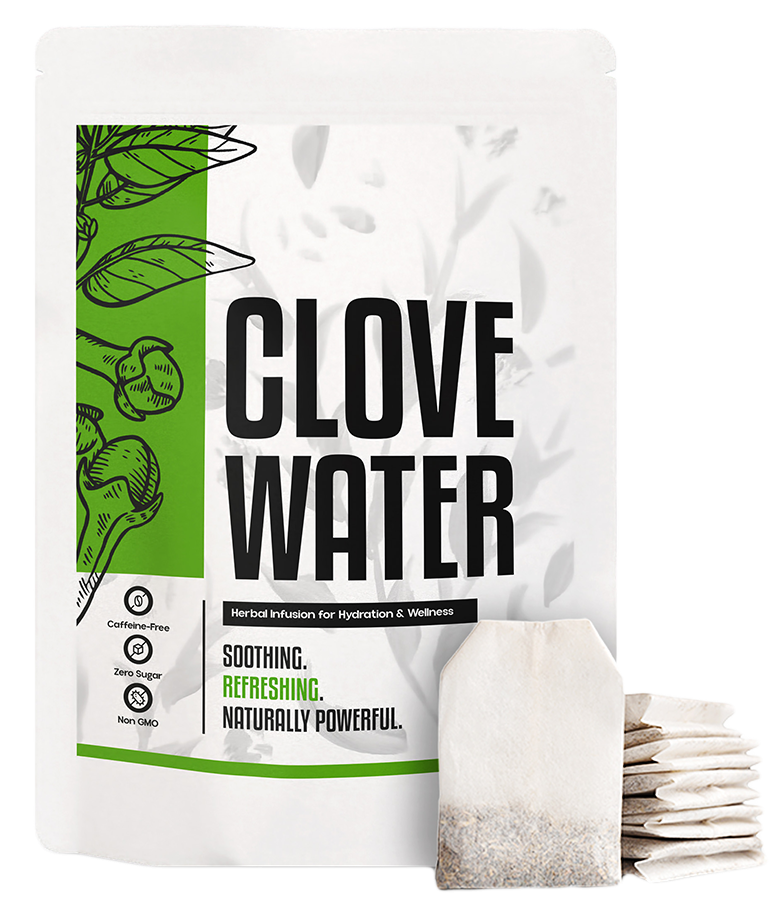
Kam took a more strategic approach to product development by planning for future growth from day one. His initial concept involved selling clove water in bottles, but he quickly realized the challenges. Bottled water products become expensive to ship due to their weight, and Amazon’s storage fees increase significantly for bulky items.
Instead of abandoning the idea entirely, Kam developed a clever interim strategy. He decided to launch clove water in tea bag form first, exactly like Travis’s clove tea. This approach allows him to enter the market immediately while simultaneously developing his ultimate product format. Customers can steep the tea bags in water to create clove water, effectively delivering the same end result.
Meanwhile, Kam continues working with manufacturers on two additional product formats. The first option involves wellness shots, small bottles containing concentrated clove water that customers can drink directly or mix with water. These shots weigh less, require minimal storage space, and can be sold in convenient four-packs or six-packs. The second option explores instant mix or soluble powder that customers simply stir into water.
This phased approach demonstrates smart business thinking that many successful Amazon sellers employ. Rather than waiting months for the “perfect” product, Kam launches quickly with a viable option while refining his premium offering. Additionally, the early sales and customer feedback will inform his manufacturing decisions, ensuring he creates exactly what the market wants.
Connor’s Ground Pork Rinds Approach

Connor identified a unique opportunity within the rapidly growing carnivore diet community. His research revealed that people following this diet need breadcrumb alternatives, and ground pork rinds perfectly fill this gap. However, when he contacted traditional pork rind manufacturers, he encountered an unexpected problem, most didn’t want to create ground products or lacked the equipment to do so.
Rather than giving up or compromising his vision, Connor developed an ingenious workaround. He simply ordered bulk pork rinds from a wholesale supplier, then rented a commercial kitchen to grind and package them himself. This solution avoided complicated manufacturer negotiations, reduced costs dramatically, and allowed him to launch within his one-week timeline.
The financial numbers make this approach even more attractive. Connor’s total investment for 100 units came to less than $300, including bulk pork rinds, commercial kitchen rental, custom labels, bags, and his time. Compare this to working with a full-service manufacturer, which typically requires minimum orders of 500-1000 units costing several thousand dollars.
Furthermore, this bootstrap method provides invaluable flexibility during your launch phase. You can quickly adjust your product formulation, packaging, or positioning based on initial customer feedback. Once you validate demand and dial in your product, then you can approach manufacturers about larger production runs with confidence.
Step 2: Professional Branding and Packaging Design
Why Design Matters on Amazon
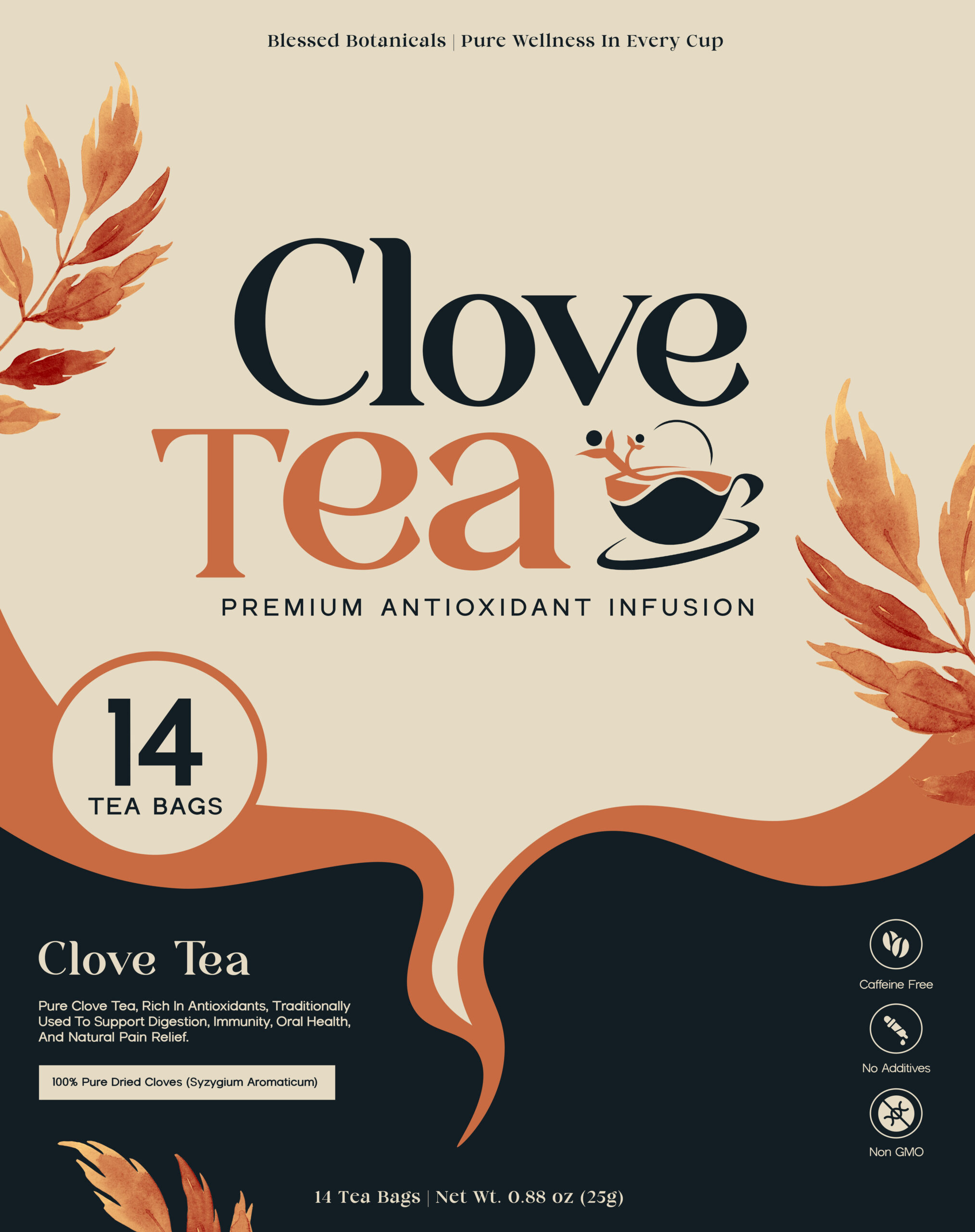
Amazon customers browse products primarily through visual thumbnails before reading any text. Within seconds, shoppers decide whether to click on your listing or scroll past it. Consequently, your main product image serves as the most critical factor determining whether you get clicks and sales or remain invisible.
Professional packaging design creates immediate product recognition that generic alternatives simply cannot match. When customers search for “clove tea,” they see dozens of similar brown pouches with small text. However, a package with massive, bold lettering reading “CLOVE TEA” instantly communicates exactly what the product contains. This clarity eliminates confusion and attracts qualified buyers.
Moreover, strong visual branding helps your product stand out in an increasingly crowded marketplace. Thousands of new products launch on Amazon every single day, and most look nearly identical to existing offerings. Your packaging must capture attention within milliseconds, or potential customers will never discover how great your product actually is.
The connection between design quality and conversion rates becomes obvious when you compare successful products to struggling competitors. Products with clear, bold, professional packaging consistently outperform similar products with amateur or unclear designs, even when the actual product inside is identical.
Key Design Principles Demonstrated
The most successful Amazon products follow specific design principles that maximize visibility and conversions. First and foremost, they feature large, clear product labeling that announces exactly what the product is. Travis’s clove tea packaging displays “CLOVE TEA” in massive letters that remain readable even in small thumbnail images. Similarly, Connor’s ground pork rinds prominently showcase “GROUND PORK RINDS” so customers immediately understand the product.
Beyond basic product identification, effective packaging appeals directly to your target audience through strategic visual elements. Connor’s products specifically target people following the carnivore diet, so his packaging emphasizes “carnivore-friendly” messaging, natural ingredients, and a bold, premium aesthetic. The black color scheme conveys quality and sophistication while differentiating his products from colorful, sugary alternatives.
Real-world comparisons reveal how much design impacts sales performance. Carnivore Electrolytes, another product created by this team, features bold black packaging with clear “CARNIVORE ELECTROLYTES” labeling. When customers compare this product to generic electrolyte supplements with fruity, colorful packaging, the difference becomes obvious. The carnivore diet audience immediately recognizes which product was designed specifically for them.
These design principles work because they reduce cognitive load for shoppers. Instead of forcing customers to read descriptions and decipher whether a product meets their needs, strong packaging communicates everything instantly through visual cues alone.
The FBA Creatives Solution
Creating professional Amazon packaging requires specialized skills that most entrepreneurs don’t possess. Graphic designers who excel at traditional branding often don’t understand the unique requirements of Amazon’s platform. Conversely, designers experienced with Amazon know exactly which elements convert browsers into buyers.
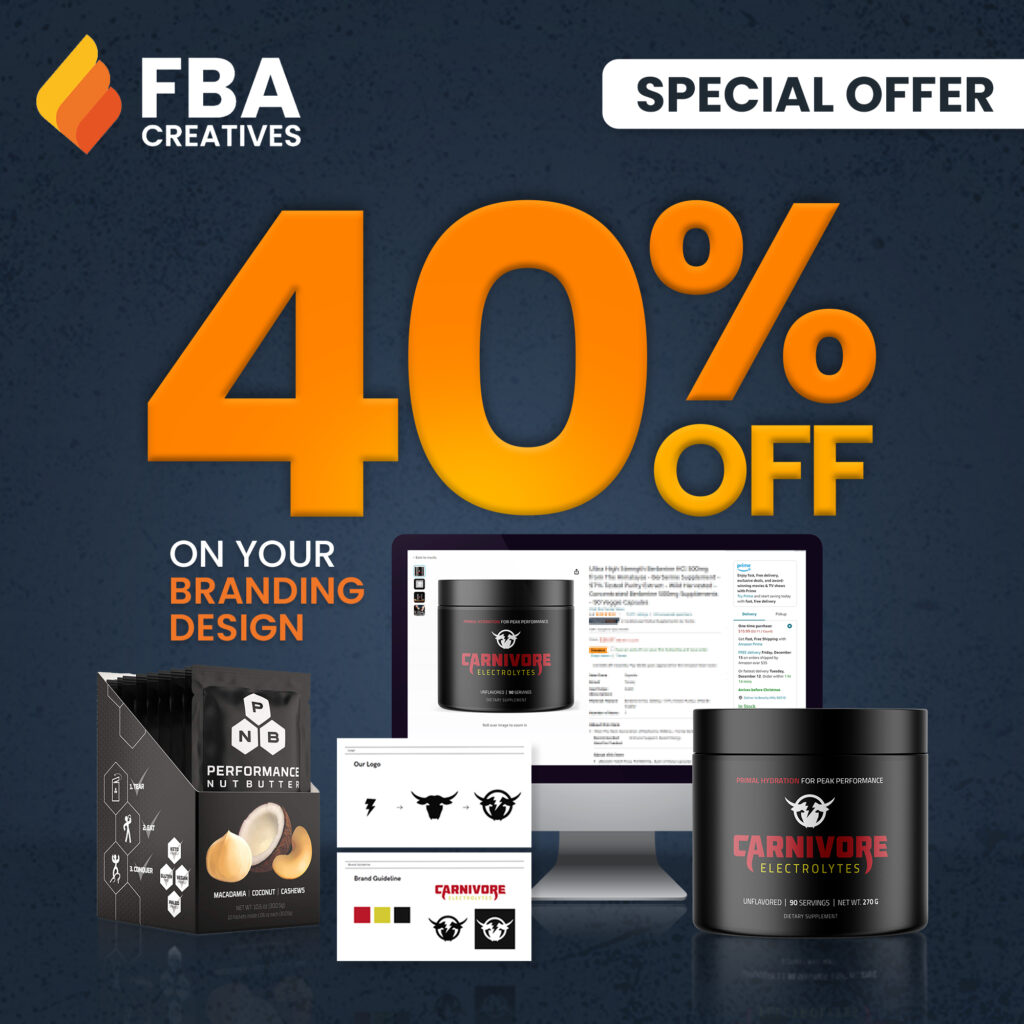
FBA Creatives specializes exclusively in Amazon product design, offering three distinct service packages. Their branding and packaging service creates your logo and all product label designs. The listing package develops your main image and all secondary images for your Amazon listing. Meanwhile, their premium package combines both services, providing complete visual branding for your entire product launch.
This team created the packaging for every product discussed in this article, clove tea, clove water, ground pork rinds, and carnivore electrolytes. Their designs consistently generate higher click-through rates and conversion rates because they understand Amazon’s visual ecosystem. They know exactly how large text needs to be, which colors attract attention, and how to communicate product benefits within thumbnail constraints.
Currently, FBA Creatives offers a 40% discount when you use code TRAVIS at checkout. This investment in professional design typically pays for itself within weeks through improved conversion rates and increased sales velocity.
FDA Compliance for Food Products
Selling food products on Amazon requires following specific FDA guidelines, although the process is more straightforward than most people realize. Your packaging must include a nutrition facts label showing serving sizes, calories, and nutrient content. Additionally, you need a complete ingredient list presented in the proper format with ingredients listed by weight from most to least.
However, here’s the crucial distinction many sellers misunderstand: food products and supplements do not require FDA approval before selling. Instead, you simply need to follow FDA guidelines and manufacture your products in FDA-certified facilities. This difference dramatically simplifies the launch process and timeline.
Meeting FDA requirements becomes remarkably easy when you source from reputable suppliers and use commercial kitchens. If you’re ordering bulk ingredients like pork rinds or cloves, your supplier can provide the nutrition facts you need for your labels. Then, by assembling or packaging your products in a licensed commercial kitchen, you automatically satisfy the facility requirements.
Ultimately, following these guidelines protects both your business and your customers. Proper labeling helps customers make informed decisions about what they consume. Meanwhile, working in approved facilities minimizes liability risks and positions your business for long-term growth and potential retail expansion.
Step 3: Essential Technical Requirements
UPC Codes and Barcodes
Every product sold on Amazon requires a unique identifier called a UPC (Universal Product Code). This barcode connects your specific product to Amazon’s catalog system and allows the company to track inventory accurately throughout its fulfillment network. Without a valid UPC, you cannot create a new product listing on Amazon.
Obtaining UPC codes is straightforward through GS1.org, the official organization that manages product identification standards. You can purchase a single barcode for approximately $30, which grants you the right to use that unique code for your product. Alternatively, if you plan to launch multiple products, you can buy a company prefix that allows you to generate numerous barcodes at a lower per-unit cost.
Once you receive your UPC code, you have flexibility in how you implement it. Many sellers print the barcode directly on their product packaging, typically on the back panel alongside the nutrition facts and ingredients. However, Amazon also allows you to use an FN SKU (Fulfillment Network Stock Keeping Unit) instead, which means you don’t necessarily need to print the barcode on your packaging at all.
Nevertheless, printing your UPC on your packaging provides advantages if you ever want to sell through retail stores or other channels. Retail stores require scannable barcodes, so including it from the beginning prepares your product for multi-channel distribution opportunities.
Commercial Kitchen Requirements
Creating food products legally requires working in facilities that meet specific health and safety standards. Commercial kitchens, also called ghost kitchens or shared kitchen spaces, provide FDA-approved environments where you can prepare, package, and store food products. These facilities include proper ventilation, sanitation systems, temperature controls, and equipment that home kitchens lack.
Finding commercial kitchens in your area takes minimal research time. Most cities have multiple options available, from dedicated shared kitchen facilities to restaurants that rent their kitchens during off-hours. You can typically rent these spaces by the hour, making them affordable even for bootstrap launches. Prices vary by location but generally range from $25-75 per hour.
Beyond legal compliance, commercial kitchens provide practical benefits that accelerate your production process. These facilities offer professional-grade equipment like industrial mixers, commercial heat sealers, and large work surfaces. Additionally, they’re designed for efficient food production workflows, helping you package more units per hour than you could in a home kitchen.
As your business grows, you’ll appreciate having established relationships with commercial kitchens. These facilities can scale with you, accommodating larger production runs without requiring you to invest in your own equipment or lease dedicated space.
Nutrition Facts and Labeling
Creating accurate nutrition facts labels requires obtaining detailed information about your product’s ingredients. Fortunately, this process is simpler than most entrepreneurs expect. When you purchase bulk ingredients from reputable suppliers, they provide specification sheets that include complete nutritional information per serving.
If you’re creating a single-ingredient product like Travis’s clove tea or Connor’s ground pork rinds, your nutrition facts become incredibly straightforward. You simply use the nutritional information from your supplier and adjust the serving size to match your packaging. For more complex products with multiple ingredients, you may need to calculate combined nutritional values or hire a nutrition facts label service.
Several online tools and services can generate properly formatted nutrition facts labels once you provide the data. These tools ensure your labels comply with FDA formatting requirements, including font sizes, spacing, and mandatory elements. Alternatively, your graphic designer can create attractive nutrition labels that meet all regulatory requirements while matching your overall brand aesthetic.
Remember that accurate labeling protects your business from potential liability issues and builds customer trust. Customers increasingly care about knowing exactly what they’re consuming, and clear, honest labeling demonstrates your commitment to transparency and quality.
The Bootstrapping Strategy That Saves Thousands
Why Bootstrap Your First Run?

Launching your first Amazon product through bootstrapping offers compelling advantages that go far beyond saving money. Most importantly, this approach allows you to validate your product idea in the real market without risking thousands of dollars. Instead of committing to 1,000 units from an overseas manufacturer, you create 100 units yourself and let actual customer behavior determine your next steps.
Financial risk reduction represents the most obvious benefit of bootstrapping. Traditional manufacturing typically requires minimum orders of 500-1,000 units, costing $3,000-$10,000 or more once you factor in product costs, shipping, and customs fees. Conversely, bootstrapping lets you launch for a few hundred dollars. If your product doesn’t sell as expected, you’ve lost hundreds rather than thousands.
Additionally, bootstrapping provides invaluable hands-on education about your product and the Amazon ecosystem. When you personally handle every step, sourcing materials, assembling products, applying labels, you develop deep knowledge that serves you throughout your Amazon journey. This understanding helps you make better decisions when you eventually scale up production and work with manufacturers.
Finally, maintaining direct control over your initial production run ensures consistent quality. You can inspect every unit personally, make real-time adjustments to your process, and guarantee that your first customers receive excellent products. These early positive reviews become the foundation for your product’s long-term success on Amazon.
The Step-by-Step Bootstrap Process
The bootstrap method follows a clear sequence that anyone can replicate regardless of product category. First, you source your materials in bulk from wholesalers or suppliers rather than purchasing retail quantities. For example, Connor ordered bulk pork rinds instead of buying individual bags from grocery stores. This wholesale approach dramatically reduces your per-unit cost.
Next, you rent a commercial kitchen space for however many hours you need to complete your production run. Most entrepreneurs find they can package 100 units in just a few hours once they establish an efficient workflow. During this session, you process, assemble, or package your products according to your specifications while maintaining proper food safety protocols.
After completing production, you apply your custom labels to each unit manually. Yes, this takes time, but for your first 100 units, the time investment remains manageable. You might spend an evening labeling while watching television, turning it into a relaxing task rather than tedious work. This manual approach eliminates the need to hire labor or negotiate with co-packers for small quantities.
Finally, you create your Amazon listing and launch your product. Start by sending a portion of your inventory to Amazon’s fulfillment centers or begin with Fulfilled by Merchant (FBM) to maintain even tighter control. Monitor your sales data closely for the first few weeks, paying attention to conversion rates, customer feedback, and review content to guide your optimization efforts.
Real Cost Breakdown

Understanding the actual costs of bootstrapping helps you plan your launch budget accurately. Connor’s ground pork rinds provide an excellent case study since he documented every expense. His 100-unit run cost less than $300 total, including bulk pork rinds, commercial kitchen rental for grinding and packaging, custom labels printed in bulk, resealable bags, and his own time investment.
Breaking down these costs further reveals where your money goes. Bulk pork rinds cost approximately $100-150 depending on quantity and quality. Commercial kitchen rental for 3-4 hours runs about $75-100 in most markets. Custom labels printed in quantities of 200 (100 front, 100 back) cost roughly $50-75 from most online printing services. Finally, resealable bags or pouches in bulk quantities of 100 cost approximately $20-40.
Compare these numbers to traditional manufacturing approaches where you might spend $3,000-5,000 for your first order. The bootstrap method delivers a 10x cost reduction, allowing you to test market demand with minimal financial exposure. Moreover, you maintain flexibility to adjust your product formulation, packaging design, or positioning based on early feedback.
Another student demonstrated even lower costs by launching a soap product for just $250. They purchased bulk soap, created simple labels, and hand-packaged their initial inventory. Within weeks, they validated their niche and began generating consistent sales that funded their next production run.
When to Scale Up
Recognizing the right time to transition from bootstrap production to manufacturer relationships requires monitoring specific signals. First, watch your sales velocity, if you’re consistently selling through your inventory and reordering materials every few weeks, you’ve validated real demand. Second, pay attention to your time investment; once labeling and packaging consumes too much time relative to the profit, you need help.
Strong review performance provides another clear signal that scaling makes sense. If you’re maintaining a 4.5+ star average with multiple positive reviews highlighting product quality, you’ve proven customers love your product. At this point, increasing availability through larger inventory quantities will directly increase your revenue.
Profitability analysis should guide your scaling decisions as well. Calculate your all-in cost per unit including materials, labor (your time valued reasonably), Amazon fees, and advertising. Then compare this to what manufacturers quote for larger quantities. Often, you’ll find that ordering 500-1,000 units reduces your per-unit cost by 30-50%, dramatically improving your profit margins.
When you do scale up, consider maintaining a hybrid approach initially. You might order larger quantities from manufacturers while still handling labeling yourself or using a local co-packer. This gradual transition helps you maintain quality control while benefiting from economies of scale.
Creating Your Amazon Listing

Optimizing your Amazon listing determines whether browsers become buyers once they click on your product. Your main image serves as the most critical element, needing to clearly communicate what your product is within a tiny thumbnail. Remember, this image appears alongside dozens of competitors, so clarity and visual appeal matter immensely.
Your product title requires careful keyword research and strategic formatting. Include your primary keyword first, followed by key features and benefits that differentiate your product. For example, “Ground Pork Rinds – Carnivore Diet Breadcrumb Alternative – All Natural, Zero Carb Coating for Chicken, Fish & Vegetables – 8oz Resealable Bag” communicates the product, target audience, key benefits, and size efficiently.
Bullet points should focus on benefits rather than just features, addressing your customer’s specific needs and concerns. Instead of writing “Contains 14 tea bags,” explain “Each pouch includes 14 convenient tea bags, providing two weeks of daily clove tea to support your wellness routine.” This benefit-focused approach helps customers visualize how your product improves their lives.
Your product description and backend search terms provide additional opportunities for keyword inclusion and persuasive copywriting. Use this space to tell your brand story, explain your unique value proposition, and address common questions or objections. Meanwhile, fill all available backend search term fields with relevant keywords that didn’t fit naturally into your title and bullets.
Learning Amazon FBA the Right Way
Free Resources Available
Getting started with Amazon FBA doesn’t require spending money on education before you’re ready to commit. Numerous free resources provide foundational knowledge that helps you understand whether Amazon selling aligns with your goals and interests. Travis’s YouTube channel offers a comprehensive 10-hour free course covering every aspect of launching and growing an Amazon business.
This extensive free course walks you through product research methods, validation techniques, sourcing strategies, listing optimization, launch tactics, and scaling approaches. You can work through the material at your own pace, pausing to implement what you learn before moving to the next section. Many successful sellers started with exactly this free content before investing in paid programs.
Beyond video courses, free tools like Helium 10‘s Chrome extension provide valuable data about search volumes, competition levels, and keyword opportunities. You can analyze potential product ideas, reverse engineer competitor listings, and estimate sales volumes without spending a dime. This research helps you identify promising opportunities before committing resources.
However, free resources have inherent limitations. While they provide information, they don’t offer personalized guidance for your specific situation, accountability to keep you moving forward, or community support when you encounter obstacles. This is where structured programs deliver disproportionate value for serious entrepreneurs.
The Passion Product Formula Program
The Passion Product Formula provides comprehensive training and support specifically designed for Amazon FBA sellers. Unlike generic courses that simply dump information, this program offers weekly Q&A calls where you can ask questions about your specific challenges. These live sessions allow you to get expert guidance on your unique situation rather than trying to apply general advice to your circumstances.
Additionally, enrolled students receive one-on-one coaching sessions with experienced Amazon sellers who have generated millions in sales. During these private calls, you can discuss your product ideas, review your listings, analyze your advertising strategy, or troubleshoot any issues you’re facing. This personalized attention accelerates your progress dramatically compared to learning alone.
The program includes comprehensive modules covering every aspect of building a successful Amazon business. You’ll learn proven product research methods that identify opportunities with strong demand and manageable competition. Validation lessons teach you how to verify that real customers will actually buy your product before you invest in inventory. Branding modules explain how to create compelling packaging and positioning that differentiates your products.
Current enrollment offers limited availability with only 19 spots remaining as of this writing. The program closes registration either when these spots fill or on the upcoming Tuesday deadline, whichever comes first. This limited enrollment ensures that coaching resources remain available to provide quality support to every student.
Complete Module Breakdown
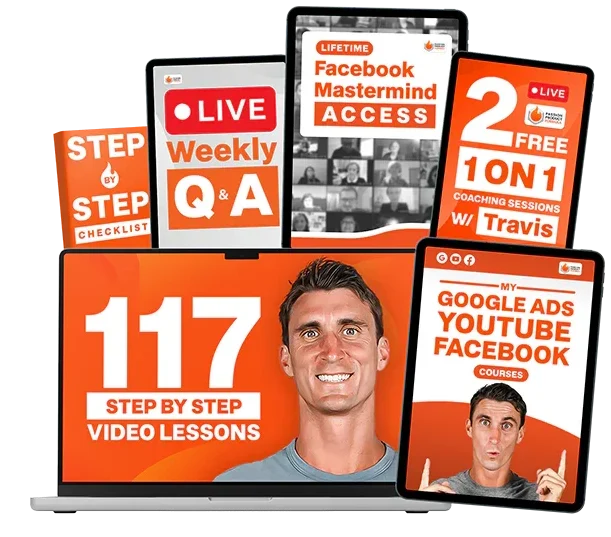
The curriculum follows a logical progression that takes you from initial idea through scaled success. Product research modules teach you how to use tools like Helium 10 to discover product opportunities systematically rather than guessing or hoping. You’ll learn how to analyze search volume data, evaluate competition strength, estimate sales potential, and calculate profit margins before choosing your product.
Validation lessons prevent the costly mistake of launching products nobody wants. You’ll discover how to survey potential customers, analyze existing reviews, test messaging through small campaigns, and gather data that confirms real demand exists. This validation process saves thousands of dollars by filtering out ideas that would fail.
Brand creation modules guide you through developing authentic brands that resonate with specific customer segments. Rather than creating generic products, you’ll learn how to identify underserved niches, understand your ideal customer deeply, and create products that speak directly to their needs. This approach generates customer loyalty and reduces your dependence on price competition.
Manufacturing and sourcing lessons demystify the process of finding reliable suppliers, negotiating terms, managing quality control, and scaling production. You’ll get templates for supplier communications, quality checklists, and strategies for building strong manufacturer relationships that serve your business long-term.
Why Guided Learning Beats Going Solo
Attempting to learn Amazon FBA entirely on your own inevitably leads to expensive mistakes and wasted time. You’ll misinterpret data, choose poor products, create ineffective listings, and struggle with issues that experienced sellers could help you solve in minutes. These mistakes often cost hundreds or thousands of dollars, far more than investing in quality education upfront.
Beyond avoiding mistakes, guided learning accelerates your timeline dramatically. Instead of spending months researching and second-guessing every decision, you follow a proven framework that moves you steadily toward launch. While solo entrepreneurs often spend 6-12 months before launching their first product, program participants frequently launch within 4-8 weeks.
Personalized advice for your specific situation delivers value that generic content cannot match. During Q&A calls and one-on-one sessions, you receive guidance tailored to your product category, target market, budget constraints, and personal goals. This customization ensures you’re always working on the highest-impact activities for your circumstances.
Finally, community support provides motivation and accountability that self-directed learning lacks. When you encounter setbacks or feel discouraged, having a group of fellow entrepreneurs who understand your challenges keeps you moving forward. You’ll celebrate wins together, troubleshoot problems collectively, and build relationships that extend beyond the program itself.
Limited Availability
The Passion Product Formula maintains limited enrollment deliberately to preserve the quality of coaching and support. With only 19 spots currently available, the program ensures that every student receives adequate attention during Q&A calls and prompt responses to questions in the community. This contrasts sharply with massive courses that enroll thousands of students who never receive personal guidance.
Registration closes on Tuesday or when the available spots fill, whichever happens first. This deadline creates urgency, but it also reflects real capacity constraints. The coaching team can only support a certain number of active students effectively, so they limit enrollment rather than compromising quality.
This scarcity benefits enrolled students significantly. Smaller cohorts mean you can actually ask your questions during live calls rather than competing with hundreds of others for attention. You’ll build genuine relationships with fellow students rather than getting lost in massive Facebook groups. Moreover, you’ll receive timely responses when you need help rather than waiting days for generic answers.
If you’re serious about building an Amazon business and ready to invest in your success, these spots represent genuine opportunity. The combination of comprehensive training, personalized coaching, and supportive community provides everything you need to launch and scale successfully.
Real Success Stories and Validation

The products discussed throughout this article aren’t hypothetical examples, they’re real businesses generating substantial revenue. Carnivore Electrolytes, created using the same methods taught in the Passion Product Formula, now generates over $100,000 per month in sales on Amazon. This success stems directly from applying the principles covered in this article: identifying an underserved niche, creating targeted branding, and launching strategically.
Similarly, Carnivore Jerky launched just two months ago and quickly gained traction in the same target market. By leveraging the brand recognition and customer trust established by Carnivore Electrolytes, this second product achieved profitability faster than the first. This demonstrates how successful Amazon businesses create product ecosystems that compound over time.
Multiple students have replicated these results across diverse product categories. The soap entrepreneur mentioned earlier launched for $250 and validated their niche within weeks. Others have succeeded with supplements, pet products, home goods, and kitchen items, proving that these methods work across categories rather than just for specific products.
The common pattern across all these success stories involves starting small with bootstrap launches, validating demand with real customer purchases, then scaling production based on proven performance. This progression minimizes risk while maximizing learning, allowing you to build sustainable businesses rather than gambling on unproven ideas.
Your Amazon FBA Journey Starts Now

Building a successful Amazon FBA business doesn’t require the massive investment or lengthy timelines that most people assume. As these three entrepreneurs demonstrated, you can create and launch a real product in just seven days for under $300. The bootstrapping approach eliminates the primary barriers, cost and complexity, that stop most people from even trying.
Three critical insights should guide your journey forward. First, starting for under $300 removes financial risk as an excuse. You can validate your product idea without betting thousands of dollars on an unproven concept. Second, professional branding creates disproportionate impact on your success. Investing in quality design through services like FBA Creatives pays for itself through improved conversion rates. Third, bootstrap first and scale based on results. Let real customer purchases validate your product before committing to large inventory orders.
You now face an important choice that will determine whether you succeed or become another person who talks about starting an Amazon business but never does. You can attempt this journey alone, learning through expensive mistakes and wasting months figuring out what experienced sellers already know. Alternatively, you can join a proven program with step-by-step guidance, personalized coaching, and community support that accelerates your success.
Multiple pathways forward exist depending on your current situation. Start by watching Travis’s free 10-hour course to build foundational knowledge and determine whether Amazon FBA aligns with your goals. When you’re ready to launch, use code TRAVIS at FBA Creatives to receive 40% off professional design services. Finally, if you’re committed to building a real business and want expert guidance throughout the process, claim one of the remaining spots in the Passion Product Formula before registration closes.
The only wrong choice is doing nothing. Your first Amazon product could launch next week, generating revenue and building a business that creates long-term income. Take action today while the information is fresh and motivation is high. Your future self will thank you for starting now rather than waiting for the “perfect” time that never comes.
Frequently Asked Questions
Do I really need to use a commercial kitchen, or can I just make food products at home?
Technically, FDA regulations require food products to be prepared in licensed commercial kitchens that meet specific health and safety standards. While Amazon may not immediately verify your facility during the listing process, using proper commercial kitchens protects both you and your customers from potential liability issues. Moreover, as your business grows and if you ever face complaints or audits, having documented proof that you followed proper procedures becomes essential. Commercial kitchens are surprisingly affordable to rent by the hour, typically costing $25-75, making compliance accessible even for bootstrap launches.
How long does it actually take to create 100 units by myself?
Most entrepreneurs find they can package 100 units in 3-5 hours once they establish an efficient workflow. The first few units take longer as you figure out your system, but you’ll quickly develop a rhythm. For example, with ground pork rinds, you can set up an assembly line approach: grind a batch, fill multiple bags, seal them all, then apply labels in bulk. The labeling process might take another 2-3 hours if you’re doing it manually at home. Overall, expect to invest one full day or two half-days to complete your first 100-unit production run.
Can I really compete with established brands that have thousands of reviews?
Absolutely, especially when you target specific niches rather than competing in broad categories. Established brands often create generic products that try to appeal to everyone, leaving underserved niches with specific needs. For example, regular electrolytes don’t specifically target the carnivore diet community, creating an opportunity for Carnivore Electrolytes to dominate that niche. Your targeted branding, specific product formulation, and focused marketing allow you to win customers even when larger brands have more reviews. Additionally, Amazon’s algorithm rewards products with strong conversion rates and sales velocity, not just review counts.
What if my first product doesn’t sell well?
Bootstrap launching specifically minimizes this risk by limiting your investment to a few hundred dollars rather than several thousand. If your product doesn’t gain traction after genuine effort with listing optimization and advertising, you’ve learned valuable lessons for under $300. Moreover, you can pivot quickly, adjusting your packaging, repositioning your product for a different audience, or applying what you learned to a new product idea. Many successful Amazon sellers didn’t hit it big with their first product but used those early lessons to succeed with their second or third launch.
Do I need any special licenses or permits to sell on Amazon?
Requirements vary based on your product category and location. For most general merchandise, you simply need an Amazon seller account and a business structure (LLC, sole proprietorship, etc.). Food products require following FDA labeling guidelines and using approved facilities, but as mentioned, they don’t require pre-approval. Certain categories like supplements, topicals, or pesticides have additional requirements. Your state may require a business license or sales tax permit. The Passion Product Formula program provides specific guidance on navigating these requirements for your particular product and location.
How much should I budget for advertising my product once it launches?
Plan to invest $300-500 in Amazon PPC advertising during your first month to gain initial visibility and sales momentum. This budget allows you to test different keywords, optimize your campaigns, and gather performance data. Many products become profitable within the first month, meaning your advertising spend generates enough sales to cover costs and provide profit. As you gather reviews and optimize your listings, your advertising cost per sale typically decreases while organic sales increase. Some successful products eventually generate 50-70% of sales organically, dramatically improving profitability.
Should I start with FBA or FBM (Fulfilled by Merchant)?
Both approaches have merits depending on your situation. FBM allows you to maintain complete control over inventory and fulfillment, which works well for initial small runs where you want to monitor quality closely. However, FBA products typically receive higher search visibility, qualify for Prime shipping, and convert better because customers trust Amazon’s fulfillment. Many sellers start with FBM for their first 20-50 units to work out any kinks, then transition to FBA once they’ve validated demand and refined their product. This hybrid approach balances control with the advantages of Amazon’s fulfillment network.
How quickly can I expect to see my first sales?
Timeline varies based on your product category, competition level, and launch strategy. With proper listing optimization and advertising, most products generate their first sales within the first few days of launching. However, building consistent sales velocity typically takes 2-4 weeks as your advertising campaigns optimize and you begin accumulating reviews. Products in less competitive niches often gain traction faster, while highly competitive categories require more patience and optimization. The bootstrap approach allows you to stay patient because your limited investment doesn’t create financial pressure to succeed immediately.