
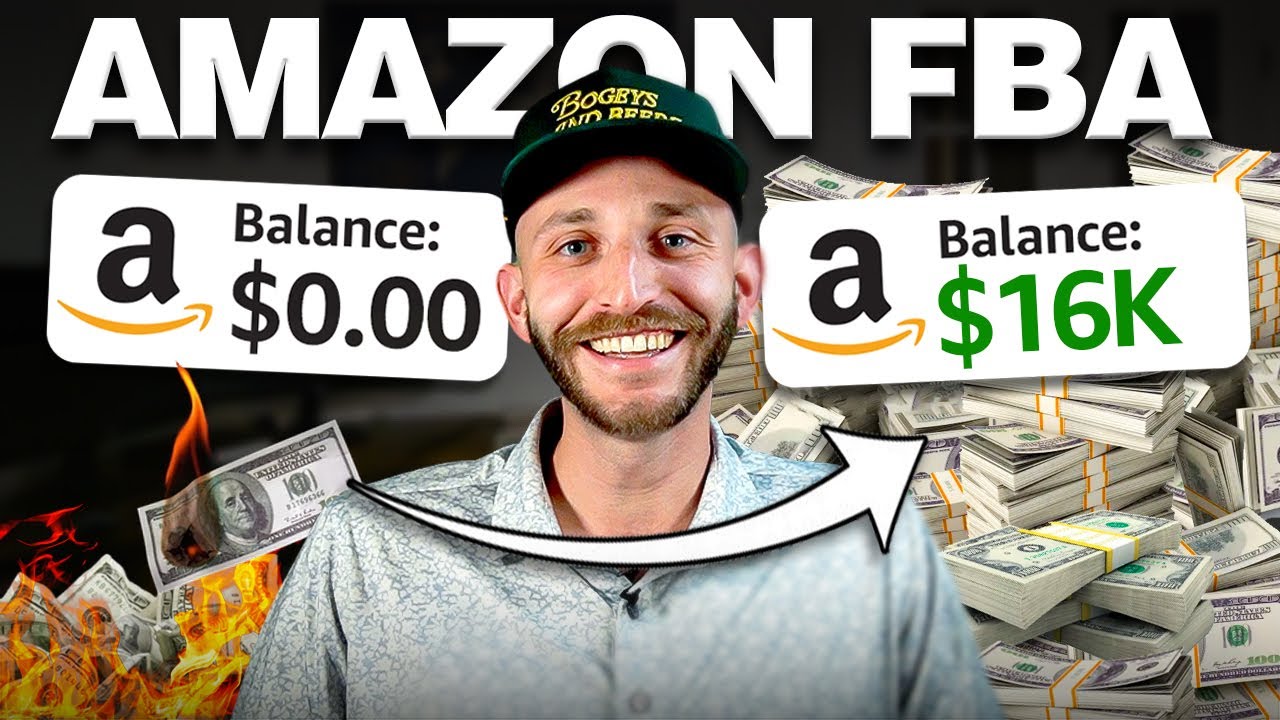
Amazon FBA banned me from promoting this weirdly inappropriate product on their platform. However, I still made over $30,000 selling on Amazon in my first year. What started as a simple idea for my bachelor party turned into a thriving e-commerce business. Today, it generates between $4,000 and $6,000 every single month.
The best part? You can replicate this success even with zero experience and limited startup capital. Simply follow the exact seven-step framework I’m about to share with you. My flagship product, Bogeys and Beers, is a golf tee-based drinking game. It completely transforms the atmosphere on the golf course. Inside the box, you’ll find 18 tees. Each features jokes, challenges, and drinking actions designed to create incredible vibes regardless of skill level.
I created this game because I was planning a bachelor party with golfers of vastly different abilities. Several friends were too self-conscious about their game to even want to play. This simple solution to a common problem became the foundation of a profitable Amazon business. Throughout this comprehensive guide, I’ll walk you through each of the seven essential steps. These steps will help you launch your own successful Amazon FBA business.
Whether you’re looking to escape the 9-to-5 grind or create passive income, this tutorial shows you exactly how. Furthermore, you’ll discover why the Passion Product Formula approach consistently outperforms generic product strategies. You’ll learn how to leverage this methodology to build a sustainable business on the world’s largest e-commerce platform.
- The Power of Passion Products
- Product Research That Actually Works
- Setting Up Your Amazon Seller Account
- Creating a Premium Brand
- Finding the Right Manufacturer
- Creating a High-Converting Amazon Listing
- Shipping to Amazon (FBA vs FBM)
- Launch Campaign Strategy (Critical for Success)
- Learning from the Experts – The Passion Product Formula
- Your Amazon FBA Journey Starts Now
- Frequently Asked Questions
The Power of Passion Products

Why Passion Products Outperform Generic Items
The Passion Product Formula represents a fundamental shift in how entrepreneurs approach Amazon selling. Instead of chasing trending products, this methodology focuses on creating products that solve real problems. You target industries you genuinely care about. When you combine personal passion with market validation, you create offerings that resonate deeply with customers.
These products come from authentic experience rather than spreadsheet analysis. Passion products work exceptionally well because they’re born from genuine understanding of your target customer’s needs. When I created Bogeys and Beers for my bachelor party, I wasn’t conducting traditional market research. I wasn’t analyzing competitor listings. Instead, I was solving a real problem I faced personally.
Building Value Instead of Competing on Price
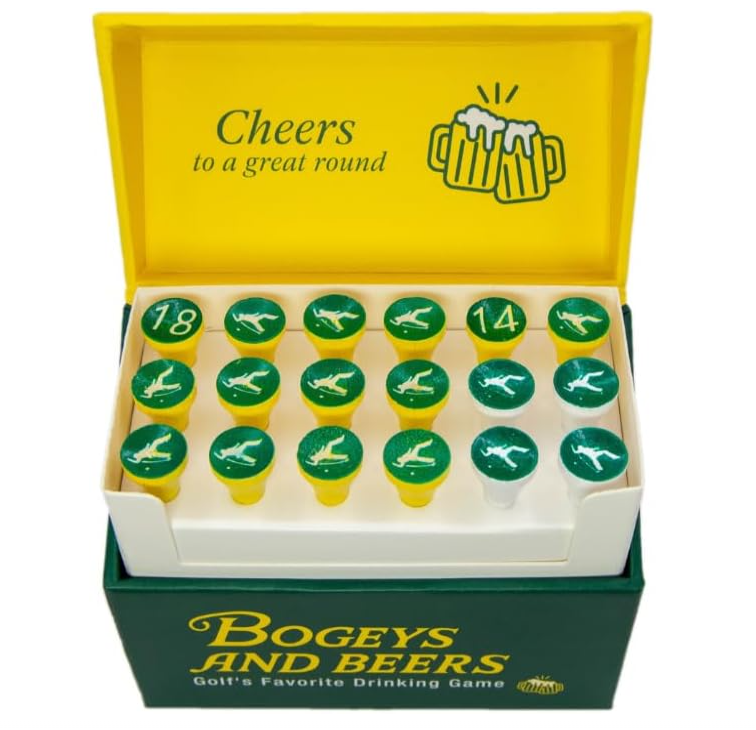
I needed to make golf enjoyable for friends with varying skill levels. Many felt self-conscious about their game. This authentic origin story became a powerful marketing asset. Generic Chinese manufacturers simply cannot replicate it. Moreover, passion products allow you to compete on value rather than price. This dramatically improves your profit margins.
Rather than fighting to offer the cheapest golf tees on Amazon, I positioned Bogeys and Beers differently. I made it a premium experience comparable to established brands. This positioning enabled me to charge prices that support sustainable business growth. I still delivered exceptional value to customers who appreciate the thought and creativity behind the product.
The Sustainability Advantage
Additionally, when you’re passionate about your product category, the entire business-building process becomes significantly more enjoyable. You’ll naturally stay motivated during challenging moments. You’re building something meaningful rather than just chasing profits. This intrinsic motivation often makes the difference between success and failure.
Many entrepreneurs quit after their first setback. Those who push through to build thriving businesses stay motivated by their passion. Now that you understand why passion products work, let’s dive into finding yours through strategic product research.
Product Research That Actually Works

Starting With Daily Frustrations
Finding your winning product idea starts with paying attention to your daily life. Identify persistent frustrations. Every successful Amazon product solves a specific problem. It relieves a genuine pain point for customers. Consequently, you should begin your product research by making a list. Write down everything that annoys you regularly.
Include frustrations in your hobbies, work life, or daily routines. These frustrations represent potential product opportunities. If you experience these problems, thousands of other people likely face the same challenges. Once you’ve identified potential product ideas, you’ll need to validate whether sufficient demand exists. You need enough demand on Amazon to support a profitable business.
Using Helium 10 for Market Validation
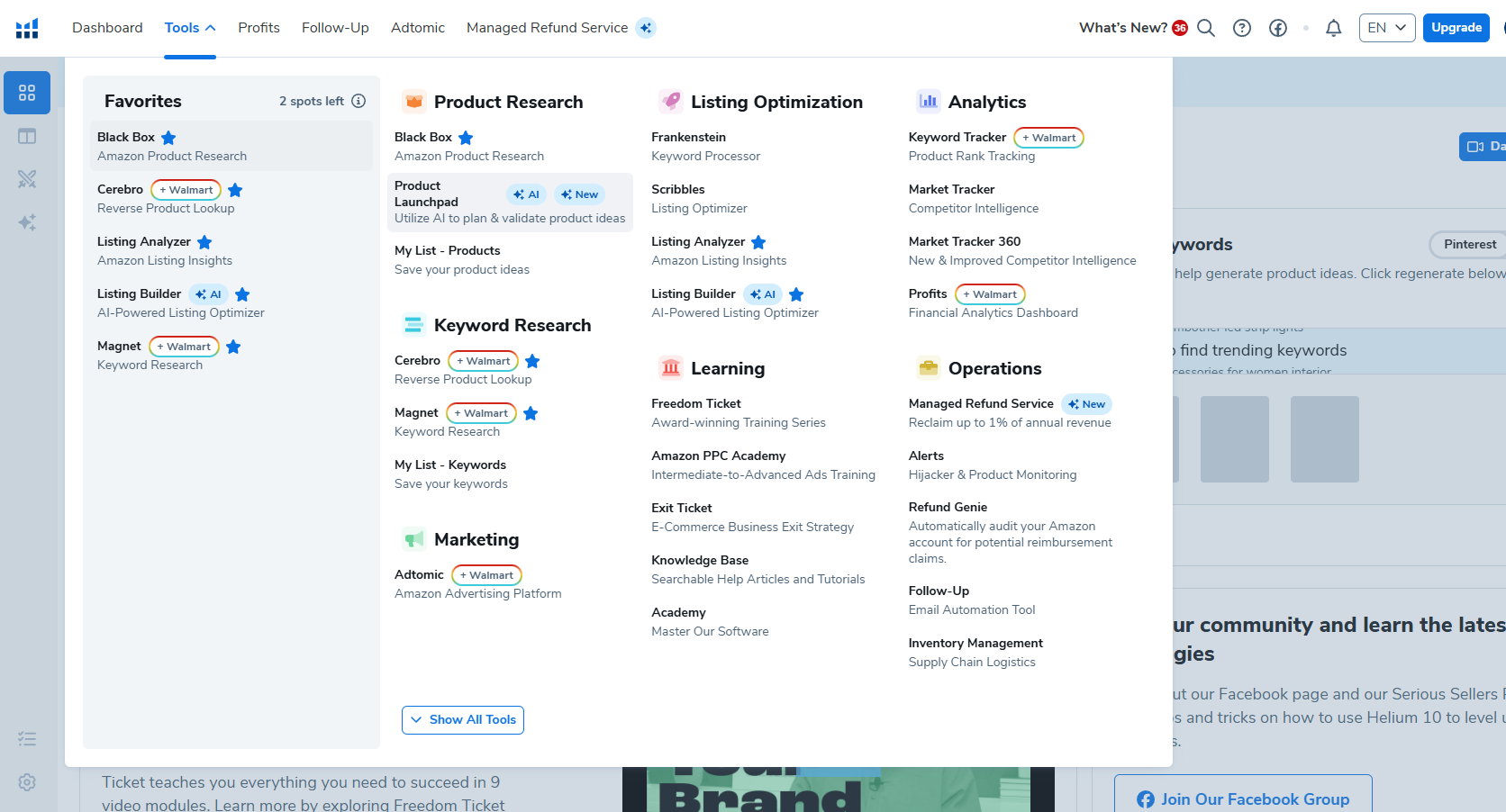
Helium 10 serves as the industry-standard tool for this validation process. It reveals exactly how many people search for specific keywords each month. Amazon functions as a search engine where customers type keywords to find products. Understanding search volume helps you determine whether enough potential buyers exist. For instance, when researching Bogeys and Beers, I analyzed specific keywords.
I looked at “funny golf gift,” “novelty golf tees,” and “golf drinking game” to gauge market interest. Beyond keyword research, you should also examine how frequently top-ranking products are purchased. Amazon helpfully displays indicators showing purchase frequency. You’ll see when products have been bought more than 50, 100, or even 400 times monthly.
Analyzing Competitor Performance
If the top five products under your target keywords are consistently selling 200-400 units per month, you’ve found something. They should be at price points similar to your planned offering. This means you’ve discovered a viable market opportunity. This competitive analysis gave me the confidence to move forward with Bogeys and Beers. I could see clear evidence of sustained customer demand.
However, many aspiring sellers make critical mistakes during product research. These mistakes doom their businesses before they begin. The most common error involves choosing products priced under $15. These rarely generate sufficient profit margins. You must account for Amazon’s selling fees, fulfillment costs, and distribution expenses.
Finding the Price Sweet Spot
Similarly, products exceeding $70 become too expensive for impulse purchases. They also require larger initial inventory investments. Therefore, aim for the sweet spot between $15 and $70. This range allows you to maintain healthy margins while keeping products accessible to customers. Once you’ve validated your product idea within this optimal price range, it’s time to take action. Set up shop on Amazon’s platform.
Setting Up Your Amazon Seller Account
Choosing Your Account Type
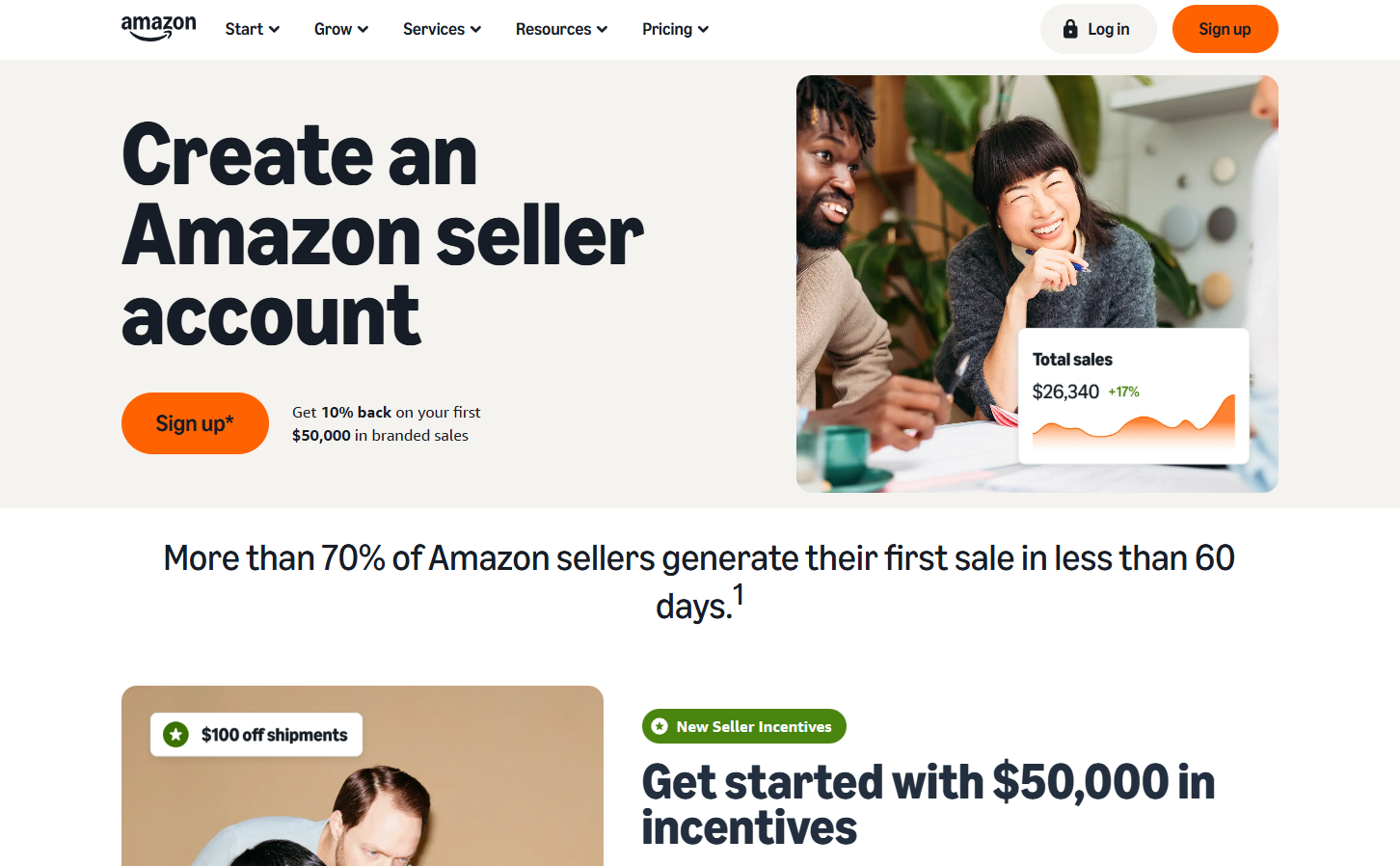
Getting started on Amazon requires visiting sell.amazon.com. You’ll choose between two distinct account types based on your expected sales volume. The Professional selling plan costs $39.99 monthly. However, it charges no fees per unit sold. This makes it ideal for sellers expecting to move more than 40 units each month.
Alternatively, the Basic plan costs nothing upfront. It charges $0.99 for each unit you sell. This works well if you’re testing the waters with limited inventory. Most serious sellers opt for the Professional plan. The per-unit fees quickly exceed the monthly subscription once sales gain momentum.
Required Documentation and Business Structure
During the signup process, you’ll need several documents and pieces of information readily available. This ensures you complete your application efficiently. Amazon requires government-issued identification. This includes a passport or driver’s license to verify your identity. This applies regardless of where you’re located globally. Additionally, you’ll select your business structure.
Most new sellers choose between two options. Select “privately owned business” if you’ve established an LLC. Choose “none, I’m an individual” if you plan to operate as a sole proprietor using your social security number. Setting up an LLC costs approximately $200 through services like Legal Zoom. It provides valuable asset protection by separating your personal finances from business liabilities.
Completing Your Store Setup
Furthermore, Amazon will ask you to choose your store name. This can be literally anything you want. It doesn’t need to match your business entity name. After submitting all required documentation, most seller accounts receive approval within a few business days. This grants you immediate access to one of the most powerful distribution networks ever created.
This approval represents something extraordinary. You and I, without any prior experience or connections, suddenly gain important access. We can sell products through a $1.3 trillion company. Last year alone, Amazon generated over $600 billion in e-commerce sales.
The Democratization of Retail
The democratization of retail distribution that Amazon provides cannot be overstated. Before Amazon’s third-party marketplace, aspiring product creators faced major barriers. They had to convince major retailers like Target, Walmart, or Dick’s Sporting Goods to stock their products. This process required extensive industry connections. It demanded substantial capital and often years of persistence.
Today, the landscape has completely changed. Twenty-three percent of all Amazon sales come from third-party sellers. These sellers simply signed up online. This gives you unprecedented access to millions of potential customers. No gatekeepers stand in your way. With your seller account approved, let’s focus on the next critical step. Create a brand that stands out in this competitive marketplace.
Creating a Premium Brand
Why Professional Branding Matters
Modern consumers overwhelmingly prefer purchasing from recognizable, high-quality brands. They avoid generic suppliers. Therefore, investing time and resources into developing a professional brand identity becomes essential. Your brand encompasses everything from your logo and packaging to your product photography and listing design. Each element must work together to create a cohesive premium impression.
Particularly important is your main product image. It serves as the primary factor determining whether shoppers click on your listing. Many will scroll past to competitors if your image doesn’t stand out. Several excellent resources exist for creating professional branding assets. Options are available at various price points depending on your budget and quality requirements.
Branding Resources at Every Budget Level
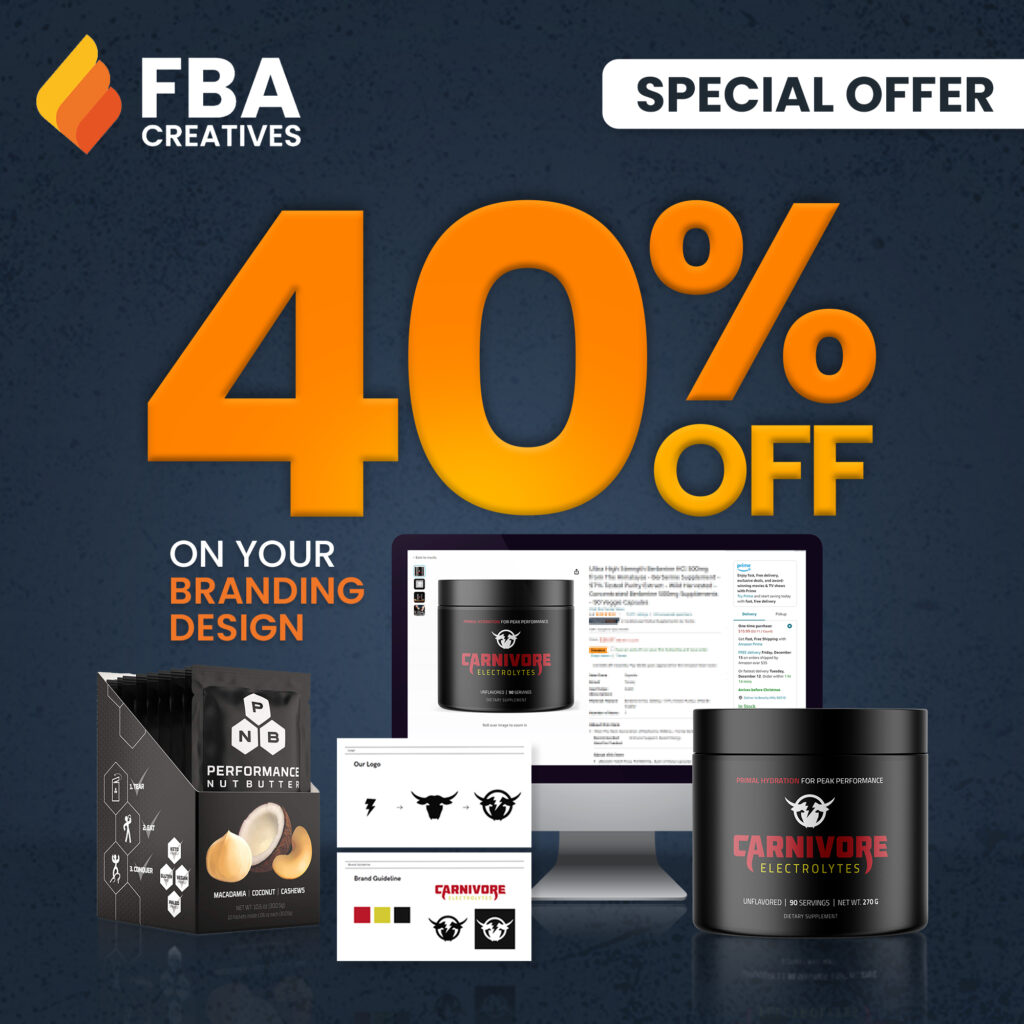
Budget-conscious sellers often start with platforms like Fiverr or Upwork. Freelance designers offer logo and packaging design services at competitive rates. Meanwhile, 99designs provides a middle-ground option. Multiple designers compete for your project. This gives you several concepts to choose from. For sellers seeking comprehensive support, FBA Creatives (Get 40% OFF with code TRAVIS) specializes exclusively in Amazon branding.
They offer complete packages including logos, packaging design, listing photography, bullet point optimization, and description writing. The strategic advantage of premium branding extends far beyond aesthetics. It directly impacts your ability to compete profitably in your chosen category. When you position your product as a premium offering through superior branding, you avoid the race to the bottom. Generic sellers try to compete solely on price.
Positioning for Profitability
For example, I deliberately designed Bogeys and Beers to compete with established premium brands. I avoided cheap Chinese alternatives. This allowed me to maintain healthy profit margins while delivering genuine value. This positioning through branding makes all the difference. You can build a sustainable business instead of constantly struggling to stay profitable.
Moreover, strong branding creates emotional connections with customers. These connections transcend functional product features. When someone purchases Bogeys and Beers, they’re not just buying golf tees. They’re buying into a lifestyle centered around good vibes, laughter, and memorable experiences on the course.
Building Customer Loyalty Through Brand Identity
This emotional resonance is communicated through every brand touchpoint. It transforms one-time buyers into loyal customers. These customers enthusiastically recommend your products to friends. Now that you’ve established your brand identity, let’s bring your product to life. Find the right manufacturing partner.
Finding the Right Manufacturer

Three Primary Sourcing Methods
Three primary methods exist for sourcing manufacturers. Each offers distinct advantages depending on your product type and budget constraints. Alibaba.com stands as the world’s number one platform for connecting with overseas manufacturers. This particularly includes China and other Asian countries. Simply type your product concept into the search bar.
You’ll receive dozens of potential suppliers who can manufacture your specifications. After reviewing their profiles and capabilities, you can contact manufacturers directly. Discuss your requirements, request samples, and negotiate pricing. Alternatively, if you prefer manufacturing within the United States, there’s another option. ThomasNet.com is especially recommended for consumable products.
Domestic vs. International Manufacturing
This platform provides similar functionality for domestic suppliers. ThomasNet.com functions exactly like Alibaba but focuses exclusively on American manufacturers. This makes it invaluable for products where “Made in USA” provides marketing advantages. It’s also useful where domestic production makes logistical sense. However, many entrepreneurs overlook the simplest sourcing method: Google search.
By searching descriptive terms for what you’re trying to manufacture, you’ll often discover specialized manufacturers. These companies don’t actively advertise on the major platforms. However, they offer excellent capabilities and competitive pricing. Personally, I found my manufacturer for Bogeys and Beers through Alibaba. I extensively researched both domestic and international options first.
Evaluating Cost Considerations
While I initially preferred the marketing appeal of US manufacturing, the price differential proved impossible to ignore. American manufacturers quoted nearly three times the cost for identical production. This substantial difference meant I could either start with a smaller inventory investment or reallocate funds. Those saved funds could go toward superior packaging, better photography, or a stronger launch campaign.
Cost considerations matter tremendously when you’re bootstrapping your first product. They directly impact how much inventory you can afford initially. Once you’ve identified potential manufacturers and received samples, thoroughly test the product quality. Do this before committing to a full production run.
The Importance of Sample Testing
Request modifications until the samples perfectly match your vision. Then finalize all design specifications in writing before manufacturing begins. This careful attention during the sampling phase prevents costly mistakes. It ensures your first batch meets your quality standards. After your manufacturer completes production, you’ll need to create an optimized Amazon listing. This listing converts browsers into buyers through strategic keyword placement and compelling visual presentation.
Creating a High-Converting Amazon Listing

Setting Up Your Product Information
Setting up your product listing begins by navigating to your seller account. Click “add a new product.” This launches a comprehensive form requesting detailed information about your offering. You’ll input specifications including dimensions, weight, materials, and various attributes. These help Amazon categorize and display your product appropriately.
However, the critical insight most new sellers miss is important. Amazon’s algorithm initially knows nothing about your product. It doesn’t know how customers might search for it. Therefore, you must strategically optimize every element of your listing. You need to “teach” Amazon’s search engine what your product offers. Show which keywords should trigger its display.
The Critical Importance of Your Main Image
Your main product image carries more importance than any other listing element. It’s the first thing potential customers see in search results. Many buyers make purchasing decisions based solely on the main image. They never read descriptions or bullet points. This makes this single graphic incredibly valuable.
My main image was professionally shot by my wife using her Nikon camera. It shows someone pulling a tee from the Bogeys and Beers game. This is a simple but effective visual. It immediately communicates the product’s purpose. Even if you lack photography equipment, investing in professional product photography pays enormous dividends. Services like FBA Creatives (Get 40% OFF with code TRAVIS) provide this. You’ll see improved click-through rates.
Strategic Use of Supporting Images
Supporting images serve to showcase your product’s benefits and features. They work after the main image captures attention. For Bogeys and Beers, my secondary images break down important details. Each tee contains three lines of text featuring jokes, challenges, and drinking actions. Additional images show people laughing and enjoying the game.
This helps potential buyers visualize the experience they’ll have. This strategic image sequence guides customers through your product’s value proposition visually. It often proves more persuasive than written descriptions. Meanwhile, your bullet points should incorporate researched keywords naturally. They should highlight specific benefits that differentiate your offering from competitors.
Optimizing Titles and Descriptions
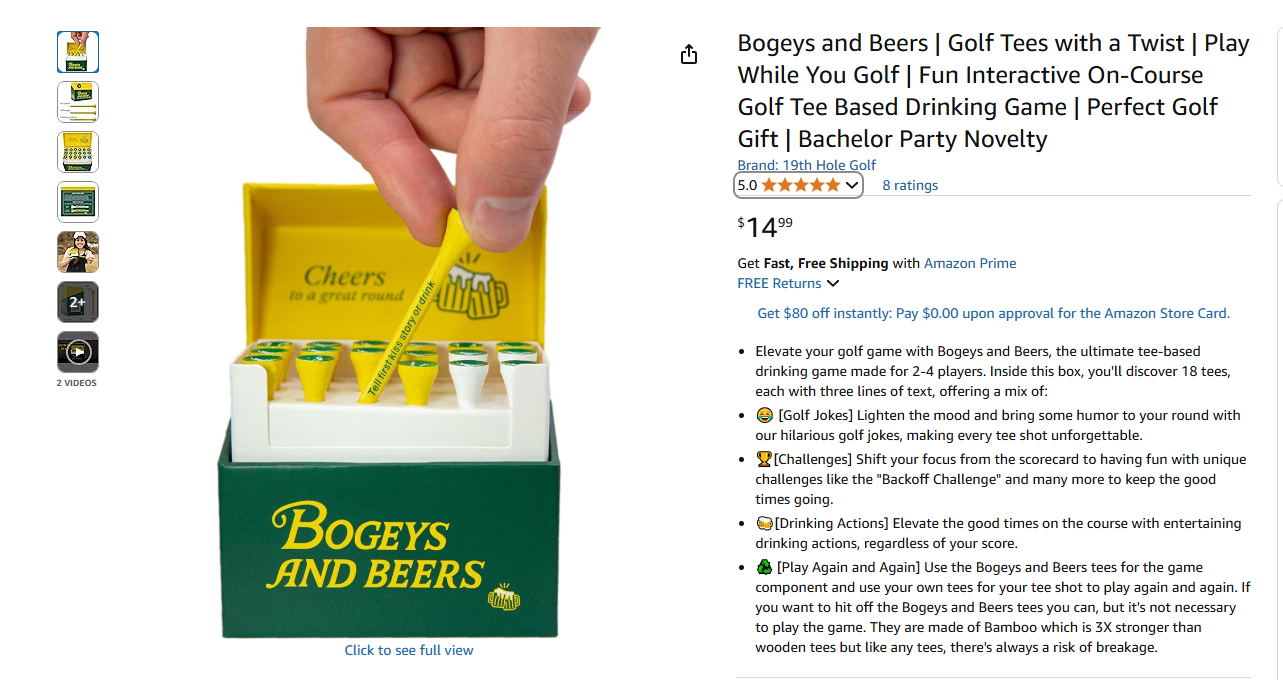
Finally, your title and description provide additional opportunities. Include keywords that improve your search ranking without sacrificing readability. Amazon’s algorithm weighs keywords differently depending on placement. Title keywords carry the most weight. Therefore, craft a title that includes your primary search terms. It should remain clear and appealing to human readers.
Similarly, your description should incorporate secondary keywords naturally throughout the text. Tell your product’s story compellingly. If creating optimized listings feels overwhelming, services like FBA Creatives (Get 40% OFF with code TRAVIS) can handle the entire process professionally. They ensure you maximize visibility from launch day. With your listing perfected, let’s get your products into Amazon’s fulfillment network.
Shipping to Amazon (FBA vs FBM)
Understanding Fulfillment by Amazon
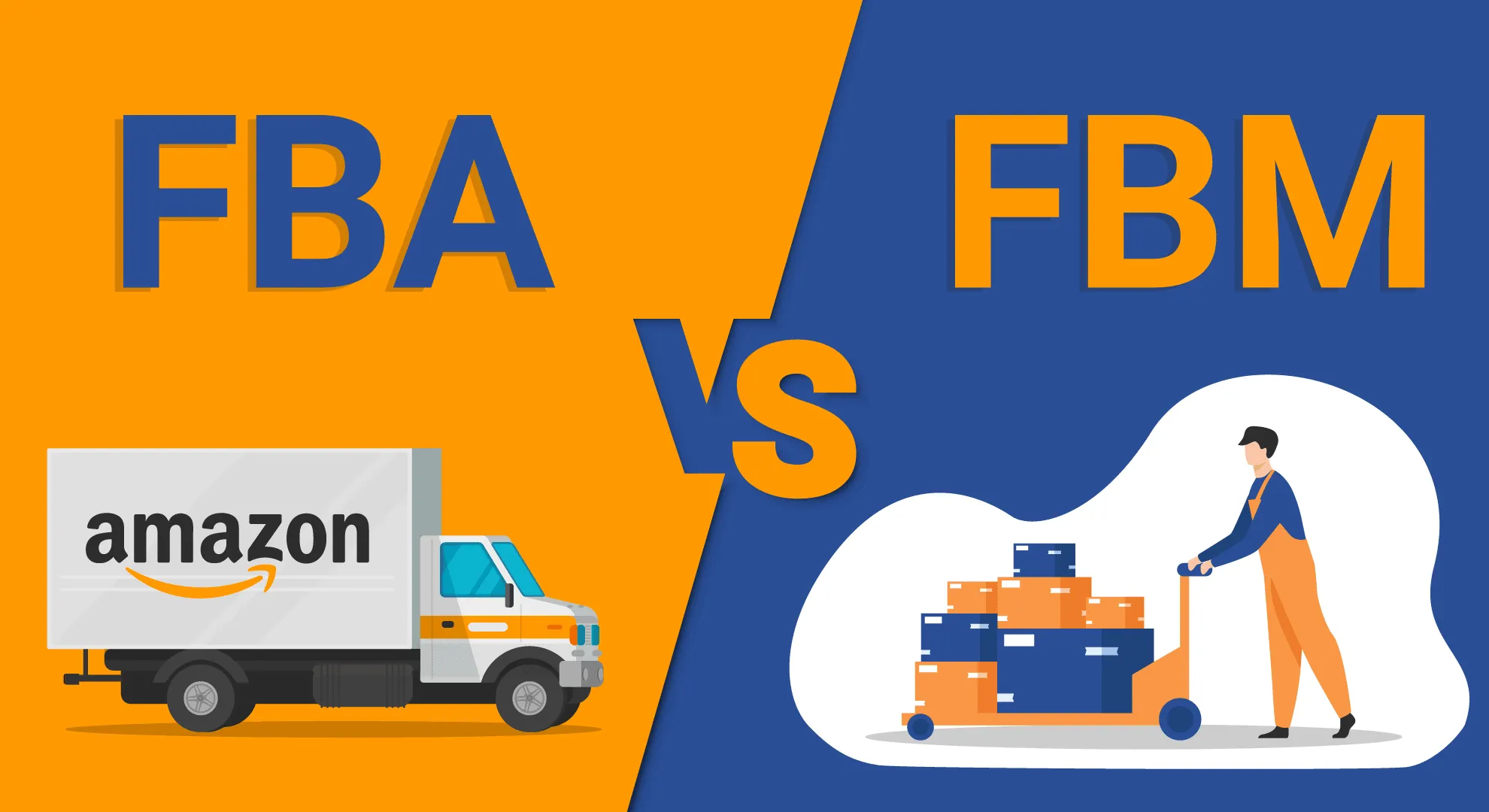
Fulfillment by Amazon, commonly called FBA, represents the single most valuable aspect of selling on this platform. It transforms your business into a genuinely passive income stream. After logging into your seller account, navigate to the inventory page. Click “send or replenish inventory.” This initiates Amazon’s step-by-step shipping workflow.
Amazon will generate a unique FNSKU barcode for your product. This is essentially Amazon’s proprietary product identifier. It must appear on every unit you send to their warehouses. You have several options for applying these barcodes. You can have your manufacturer print this FNSKU directly on the product or packaging. This is the most cost-effective option.
Preparing Your Shipment
Alternatively, you can request sticker labels from your manufacturer. You can also apply labels yourself. Once your products are properly labeled with their FNSKUs, Amazon provides shipping labels. You’ll attach these to the boxes containing your inventory. From there, you can either schedule a UPS pickup at your home or business. You can also deliver the packages directly to a UPS location yourself.
Alternative carriers may also be available depending on your location and Amazon’s current requirements. This straightforward process sends your inventory directly to Amazon’s massive fulfillment network. Their systems track every unit. They automatically process orders as they arrive.
The Powerful Benefits of FBA
The FBA program offers extraordinary benefits that justify its fees many times over. Most significantly, FBA automatically makes your products Prime eligible. This adds the coveted Prime badge to your listing. It signals one- to two-day delivery to Amazon’s 200+ million Prime members. This badge dramatically increases click-through rates and conversion.
Prime customers specifically seek out Prime-eligible products they can receive quickly. Additionally, Amazon completely handles the pick, pack, and ship process for every order. This means you never touch products after sending them to the warehouse. This automation enabled me to make money passively during my three-week honeymoon. I only needed to send occasional emails to my manufacturer for inventory replenishment.
Why You Should Avoid FBM
Alternatively, Fulfilled by Merchant (FBM) allows you to handle fulfillment yourself. You won’t pay Amazon’s pick, pack, and ship fees. Under this model, you receive order notifications. You must personally pick each item, box it, apply shipping labels, and deliver packages. You’ll go to UPS or the post office for each order.
However, I strongly advise against FBM. It completely defeats the purpose of building a passive income business. The whole reason I chose Amazon FBA was to create a business that generates revenue automatically. I wanted to focus on other priorities. FBM transforms that vision into a traditional e-commerce fulfillment job. With your products in Amazon’s warehouses, the final critical step is executing a powerful launch campaign.
Launch Campaign Strategy (Critical for Success)

Why Launch Campaigns Determine Success or Failure
Many sellers make the devastating mistake of skipping launch campaigns entirely. They assume that simply listing products on Amazon guarantees sales. However, driving substantial traffic and sales during your first days online sends powerful signals. These signals reach Amazon’s algorithm and indicate your product deserves prominent placement.
When you generate initial momentum, Amazon recognizes your listing as valuable. It begins driving organic traffic to it. This creates a virtuous cycle where increased visibility leads to more sales. More sales lead to even higher rankings. Conversely, products that launch quietly without generating early sales often languish in obscurity indefinitely.
The Mathematics Behind Successful Launches
The mathematics of launch campaigns demonstrate exactly why they matter so dramatically. Imagine you drive 300 targeted visitors to your listing on launch day. Then 150 of them make purchases. That’s a 50% conversion rate that screams quality to Amazon’s algorithm. This exceptional performance signals that your product strongly resonates with customers.
This prompts Amazon to show your listing higher in search results for relevant keywords. As you climb the rankings, more organic traffic flows to your listing naturally. This generates sales from customers you never directly marketed to. This flywheel effect explains why successful launches often determine whether products thrive or fail on Amazon.
Building Your Tribe Before Launch

Building a tribe of supporters before launch provides the foundation for generating those critical early sales. I created a Facebook group with friends and family and I documented my entire journey creating Bogeys and Beers there. I shared behind-the-scenes updates about manufacturing, packaging design, and the upcoming launch.
This authentic storytelling generated genuine excitement and investment in my success. It cultivated a loyal following of 300-500 people eagerly awaiting the product’s availability. When I finally announced the launch, approximately 100 supporters purchased immediately. This created the revenue spike and positive signals that kickstarted my organic growth.
Leveraging Amazon PPC Advertising
Beyond building tribes through social media and email lists, Amazon PPC (pay-per-click) advertising provides another powerful tool. It drives launch traffic effectively. When you search keywords on Amazon, you’ll notice three to six “sponsored” listings appearing at the top of results. These sellers pay Amazon to display their products prominently for specific searches.
While PPC requires ongoing investment, it allows you to essentially buy your way into visibility. This works while your organic rankings develop. Combining organic launch strategies with strategic PPC creates the strongest possible foundation. This sets you up for long-term success. Now let me share how learning from experienced mentors can dramatically accelerate your journey.
Learning from the Experts – The Passion Product Formula
My Journey to Amazon FBA
My path to Amazon FBA success began unexpectedly. Amazon laid off my entire department during the COVID-era slowdown. This happened despite my role as a program manager at the company. Although the severance package provided breathing room, I suddenly faced the challenge of determining my next career move.
During this period, I explored virtually every trending business opportunity. I looked at wholesaling, real estate, and various online ventures. However, nothing captured my attention quite like Travis Marziani’s Passion Product Formula. His approach to Amazon selling was different.
What Makes the Passion Product Formula Different
What distinguished the Passion Product Formula from countless other Amazon courses was its fundamental philosophy. It focuses on creating products in industries you actually understand and care about. Rather than chasing trending items or copying successful competitors, this methodology encouraged something different. It encouraged using personal experience as the foundation for product development.
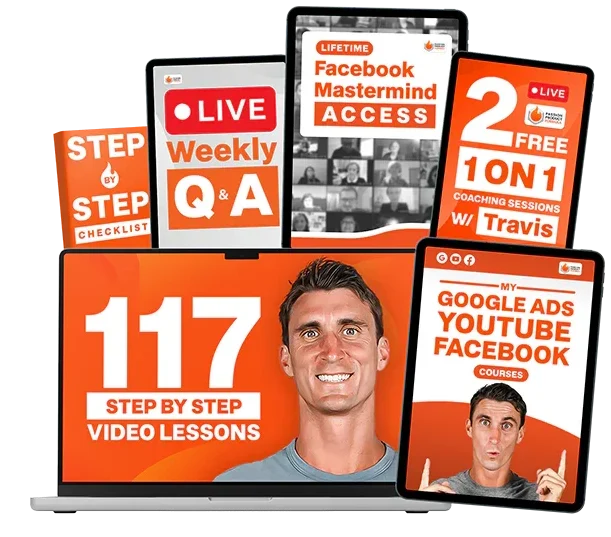
This resonated deeply because I recognized that my knowledge of golf and bachelor party planning represented genuine advantages. Generic sellers couldn’t replicate these advantages. Consequently, I invested time watching Travis’s comprehensive 10-hour free YouTube video. It walks through every step of building an Amazon FBA business. It covers everything from initial concept through successful launch.
The Value of Mentorship and Community

The free training provided such tremendous value that I confidently enrolled in the complete Passion Product Formula course. This gave me access to additional features. I got one-on-one coaching and weekly group calls with experienced Amazon sellers. This mentorship component proved absolutely invaluable. Building a business inevitably involves obstacles, confusion, and moments of doubt.
Having direct access to successful sellers who’ve navigated these exact challenges maintains motivation. It provides specific solutions rather than leaving you to figure everything out alone. The accountability inherent in regular coaching calls also ensures you continue making progress. You won’t get stuck in analysis paralysis.
The Power of Peer Support
Moreover, the Passion Product Formula community connects you with other entrepreneurs. They’re at various stages of their Amazon journeys. This creates a support network that understands your challenges firsthand. This combination of structured curriculum, expert mentorship, and peer support dramatically increases your likelihood of success. This is much better than attempting everything independently.
The strategic roadmap prevents common pitfalls. Meanwhile, the human support keeps you moving forward during difficult phases. With these advantages, you’re now ready to begin your own Amazon FBA success story. Take immediate action.
Your Amazon FBA Journey Starts Now
The Seven-Step Framework Recap
Building a successful Amazon FBA business follows a proven seven-step framework. Anyone can implement it regardless of prior experience or technical knowledge. First, you’ll conduct product research using the Passion Product Formula. This identifies opportunities in industries you genuinely understand and care about. Second, you’ll establish your Amazon seller account. Choose the appropriate plan and business structure for your situation.
Third, you’ll develop premium branding. This positions your product as a high-quality offering worth premium pricing. You won’t be a generic commodity competing solely on cost. Fourth, you’ll find and vet manufacturers through platforms like Alibaba, ThomasNet, or Google search. Carefully test samples before committing to full production runs.
Creating and Launching Your Product
Fifth, you’ll create an optimized Amazon listing. Strategically incorporate relevant keywords. Showcase your product’s benefits through professional photography and compelling copy. Sixth, you’ll ship your inventory to Amazon’s fulfillment centers using the FBA program. This handles all picking, packing, and shipping. It also makes your products Prime eligible for Amazon’s massive customer base.
Seventh and most critically, you’ll execute a powerful launch campaign. Drive initial traffic and sales to signal quality to Amazon’s algorithm. This final step, though frequently overlooked, often determines whether products achieve sustainable success or fade into obscurity. Build a tribe through social media. Leverage your personal network. Consider using Amazon PPC advertising.
Building Long-Term Success

You create the momentum necessary for Amazon to begin driving organic traffic to your listing. This organic traffic eventually becomes the primary driver of sales. Your rankings improve over time. The opportunity Amazon FBA represents remains extraordinarily accessible. Anyone willing to take consistent action can succeed.
You don’t need extensive business experience, technical skills, or massive capital to begin. You just need a genuine interest in solving problems for people like yourself. Start by watching Travis’s comprehensive free training. This builds your foundational knowledge. Then begin validating product ideas using the research methods outlined throughout this guide.
Taking Action Today
Consider joining the Passion Product Formula course if you want structured guidance and mentorship throughout your journey. Most importantly, take action today rather than waiting for the perfect moment. The perfect moment arrives only after you begin moving forward.
Frequently Asked Questions
How much money do I need to start an Amazon FBA business?
Starting capital requirements vary significantly based on your product choice. Most successful sellers invest between $3,000 and $10,000 initially. This covers manufacturing your first batch of inventory. You’ll typically need 500-1,000 units. It also covers professional branding and photography, Amazon seller fees, and your initial launch campaign.
However, you can start smaller. Choose less expensive products to manufacture. Begin with smaller inventory quantities. The key is selecting products priced between $15-$70. This allows reasonable minimum orders while maintaining healthy profit margins after Amazon’s fees.
How long does it take to start making money with Amazon FBA?
Most sellers receive their first sales within 2-4 weeks after launching their product. This assumes they execute a proper launch campaign. However, building sustainable monthly income typically requires 3-6 months. Your product needs time to gain reviews, improve its ranking, and generate consistent organic traffic.
My own journey with Bogeys and Beers took approximately four months. Then I reached consistent monthly revenue of $4,000-$6,000. Patience during this initial period is essential. Amazon’s algorithm needs time to understand your product’s relevance and quality. Only then will it drive significant organic traffic.
Do I need special skills or experience to sell on Amazon?
No special skills or prior e-commerce experience are required to succeed with Amazon FBA. The platform is specifically designed to be accessible to everyday people. You don’t need technical expertise. However, you do need willingness to learn. You must follow proven systems and persist through challenges.
The Passion Product Formula approach particularly benefits beginners. It leverages your existing knowledge and interests. You won’t need expertise in unfamiliar industries. Additionally, resources like Helium 10 simplify complex tasks like keyword research. Services like FBA Creatives (Get 40% OFF with code TRAVIS) can handle technical aspects of listing optimization if needed.
What’s the difference between Amazon FBA and FBM?
FBA (Fulfilled by Amazon) means Amazon stores your inventory in their warehouses. They handle all picking, packing, and shipping when orders arrive. This makes your business largely passive and makes products Prime eligible. FBM (Fulfilled by Merchant) means you store inventory yourself. You personally fulfill every order.
While FBM saves Amazon’s fulfillment fees, it requires constant attention. It prevents the passive income model most sellers desire. For nearly all sellers, FBA’s benefits far outweigh its costs. The Prime badge, scalability, and automation it provides are invaluable.
How important is the launch campaign really?
Launch campaigns are absolutely critical for Amazon success. They represent the most commonly skipped step among failed sellers. Your initial sales velocity directly influences how Amazon’s algorithm perceives your product. It evaluates quality and relevance. Strong early performance signals that your product deserves prominent placement in search results.
This triggers Amazon to drive organic traffic to your listing. Without this initial momentum, even excellent products often remain buried in search results indefinitely. Investing time and resources into building a tribe and executing a coordinated launch dramatically increases your probability of long-term success.
Can I really make passive income with Amazon FBA?
Yes, Amazon FBA truly enables passive income. However, significant upfront work is required. After completing your initial product development, listing creation, and launch campaign, your primary ongoing responsibility is simple. Monitor inventory levels and place reorder requests with your manufacturer. Amazon handles all customer service, returns, picking, packing, and shipping automatically.
I personally made money throughout my three-week honeymoon. The business operated entirely on autopilot. However, understand that “passive” describes the ongoing operation. It doesn’t describe the initial setup, which requires substantial focused effort.
What if my product idea doesn’t work out?
Product validation through tools like Helium 10 dramatically reduces risk. It confirms customer demand exists before you invest in manufacturing. However, if your first product doesn’t achieve expected results, you’ve gained invaluable experience. You’ve learned product research, manufacturing, listing optimization, and Amazon’s systems. This makes your second attempt far more likely to succeed.
Many successful Amazon sellers didn’t hit it big with their first product. They applied lessons learned to subsequent launches. The key is starting with thorough research. Keep initial orders conservative. View your first product as a learning experience rather than betting everything on immediate success.