
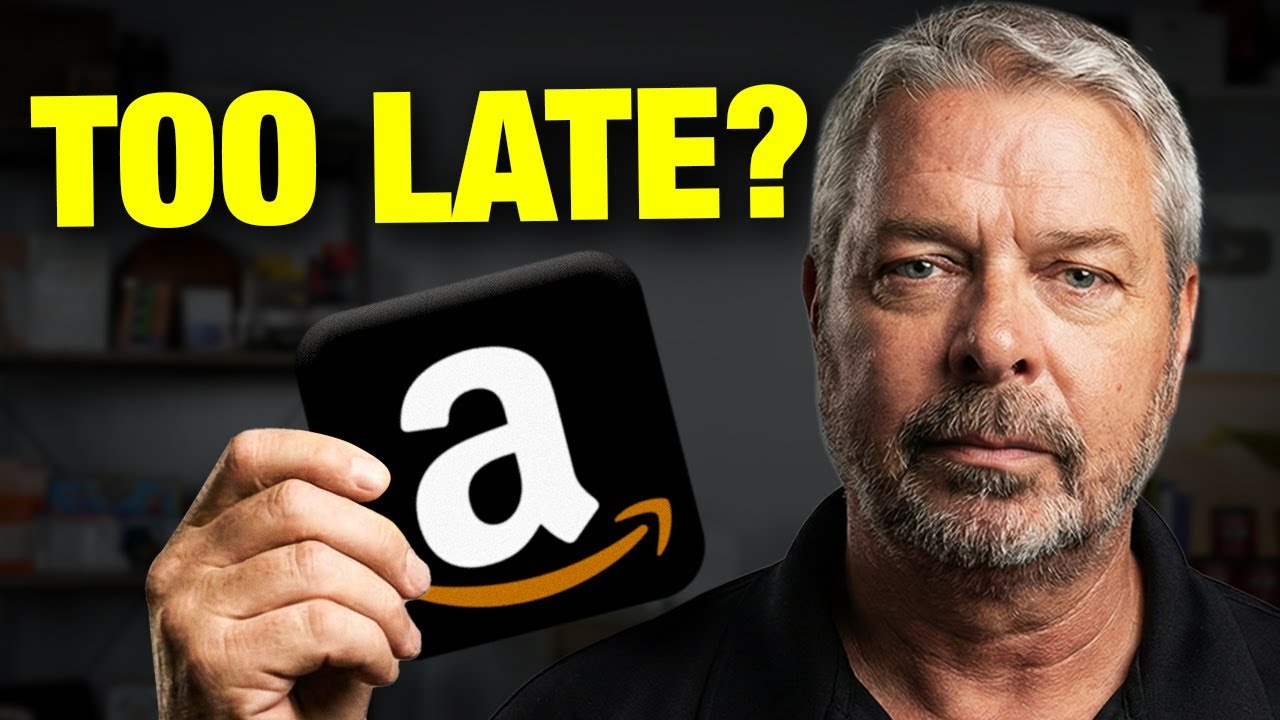
Picture this: You’re driving home from work, exhausted, when suddenly an allergy attack hits so hard you nearly collide with a massive semi-truck, a terrifying moment that sparked Joseph’s Amazon FBA journey with First Defense Nasal Screens. This product would eventually lead him through trademark battles, Chinese company theft, big pharma manipulation, a record-breaking Shark Tank deal, and ultimately a devastating $7 million loss. Despite all this chaos, he’s still selling on Amazon today and believes 2026 might actually be the best time to start. Meanwhile, you’re probably wondering if Amazon FBA is even worth it anymore, with everyone talking about oversaturation, crushing tariffs, Temu stealing customers, and fees that eat away profits. The fear is real, and the skepticism is understandable. However, the truth is far more nuanced than the doom-and-gloom headlines suggest.
Here’s what most people don’t realize: Amazon generated over $500 billion last year, and thousands of new sellers are making money every single day. The platform isn’t dying, it’s evolving. Consequently, the sellers who understand what changed are thriving while others struggle and quit, and the difference between success and failure in 2026comes down to one critical factor: your selling method. Throughout this article, we’ll debunk the five biggest myths scaring new sellers away from Amazon and explore Joseph’s incredible journey to reveal why certain selling methods are completely outdated while others present massive opportunities. By the end, you’ll know exactly whether Amazon FBA is right for you and how to protect yourself from the pitfalls that destroyed other sellers’ businesses. Additionally, we’ll introduce you to the Passion Product Formula, the proven system helping sellers build sustainable, profitable Amazon FBA businesses in 2026.
- Understanding the Different Amazon Selling Methods
- Myth #1: Amazon Is Too Oversaturated
- Myth #2: Trump's Tariffs Will Destroy Amazon Sellers
- Myth #3: Temu Is Stealing All Amazon's Customers
- Myth #4: Startup Costs Are Too High
- Myth #5: Amazon Fees Are Too High to Profit
- Joseph's Shark Tank Experience & Lessons
- The 2020 Pandemic Catastrophe
- Why 2026 Is Actually the BEST Time to Start
- Your Path Forward: Taking Action on Amazon FBA
- The Real Question Isn't "Is It Too Late?"
- Frequently Asked Questions
Understanding the Different Amazon Selling Methods
Before diving into the myths, you need to understand that not all Amazon selling methods are created equal. Choosing the wrong method in 2026 could set you up for failure before you even begin. Essentially, there are five main approaches to selling on Amazon. Each has distinct advantages, drawbacks, and varying levels of viability in today’s competitive marketplace.
Retail Arbitrage: Flipping Products for Quick Profit
The first method is retail arbitrage. You find products selling at discount retailers and flip them on Amazon for profit. For instance, imagine discovering a storage bed at Walmart.com for $150 that’s selling on Amazon for $340. You simply purchase it at the lower price and resell it on Amazon FBA, pocketing the difference. This method has a low barrier to entry and requires minimal upfront investment. However, it comes with a significant downside: you’re essentially buying yourself a job rather than building a business.
Furthermore, retail arbitrage demands constant hustle. You’re perpetually hunting for deals, purchasing inventory, and shipping products. The moment you stop working, your income stops too. This makes it impossible to create true passive income.
Wholesale: Bulk Buying and Reselling
Next comes the wholesale method. This involves buying products in bulk from suppliers and reselling them on Amazon at retail prices. Platforms like Global Sources make this straightforward. You might find a snow shovel for $15 that sells on Amazon FBA for $90. Nevertheless, wholesale faces a critical challenge in 2026: overwhelming competition. Since it’s just as easy for thousands of other sellers to find these same products, you’ll constantly face price wars. These price wars erode your profit margins. Additionally, you have zero control over product differentiation. This leaves you vulnerable to being undercut by competitors willing to accept smaller profits.
Private Label: The Overcrowded Method
The third approach, private labeling, has dominated Amazon for years. It involves sourcing generic products, typically from Alibaba, slapping your brand name on them, and selling them as your own. Consider the foldable travel potty for toilet training that generates over $150,000 monthly in sales. Using tools like Jungle Scout, you can verify it sells 7,380 units per month at $20.99 each. Remarkably, that exact product costs just $2.50 on Alibaba. This creates seemingly massive profit potential. However, here’s the critical problem: 54% of Amazon FBA sellers use private labeling. That’s overwhelming competition.
Similar to wholesale, it’s hard to differentiate yourself from the others and their products. Yeah, you could try to make a standout brand. However, that only gets you so far and could be very costly. Consequently, unless you have something genuinely unique, your listing drowns in a sea of identical products. You make no money despite your investment.
The Modern Solution: Niche Branding and Passion Products
Fortunately, two modern approaches solve these problems: niche branding and creating passion products. Niche branding involves finding existing product categories and targeting specific, underserved audiences. Meanwhile, passion products are completely unique items you create because they don’t exist yet but should. These methods form the foundation of the Passion Product Formula. This comprehensive program teaches sellers how to identify, create, and launch differentiated products. You sidestep competition entirely. Throughout Joseph’s story, you’ll see exactly why these approaches succeed where traditional methods fail. This is especially true when facing the five major myths about selling on Amazon FBA in 2026.
Myth #1: Amazon Is Too Oversaturated
Walk into any entrepreneurship forum, and you’ll immediately hear people claiming Amazon is “too crowded” and “impossible to break into.” The numbers certainly seem intimidating. There are nearly 10 million registered Amazon FBA sellers. Approximately 1 million active sellers operate in the United States alone. Moreover, social media influencers constantly showcase their mansions and Lamborghinis. They claim they made millions overnight. This creates both unrealistic expectations and fierce perceived competition. However, the truth about oversaturation depends entirely on which selling method you choose.
How Oversaturation Affects Different Selling Methods
For wholesale and private label sellers, the oversaturation myth is absolutely valid in 2026. When you’re selling the same products available to everyone else, you’re competing primarily on price. This becomes a race to the bottom. Wholesale sellers face this problem acutely because suppliers sell to anyone with money. This means hundreds or thousands of sellers might offer identical products. Similarly, private labelers struggle because finding truly differentiated products has become incredibly difficult. The best opportunities were claimed years ago.
Consequently, these sellers must spend tens of thousands of dollars on advertising and marketing just to stand out. They often never achieve profitability. Furthermore, even when you build momentum, competitors can quickly copy your approach. This erodes your market share overnight.
Interestingly, retail arbitrage sellers largely avoid oversaturation problems. Their competition is local rather than national. Since you’re sourcing products from retail stores in your area, you’re only competing with other arbitrage sellers in your region. Unless your town has dozens of people doing retail arbitrage, oversaturation isn’t a significant concern. Nevertheless, retail arbitrage still fails to build a scalable business. This leaves you trapped in a cycle of constant work without long-term equity.
Joseph’s Battle With Copycats and Trademark Thieves
The real solution lies in selling unique products through niche branding or the passion product method. Joseph discovered this firsthand when he created First Defense Nasal Screens. This product literally didn’t exist before he invented it. By serving the specific niche of people suffering from allergies and wanting virus protection, he eliminated competition entirely. However, success inevitably attracts copycats. Joseph’s journey illustrates both the power of uniqueness and the importance of protection.
Early on, a competitor saw his trademark for “Kleenos” and immediately filed for their own trademark called “Kenos” with a Z. You would think that since he was first, it would be easy. Wrong. Joseph wanted to fight, but it was going to cost $500,000. So, he sold them the name and rebranded to First Defense Nasal Screens. Then, Chinese companies tried stealing his trademark twice. One company flew him to China for “distribution talks” only to file their own trademark. Another attempted to reject his shipment at customs.
Why Unique Products Beat Oversaturation Every Time
Fortunately, Joseph had applied for three trademarks in China. This protected his business. This experience taught him a crucial lesson: when you create something genuinely unique, you can patent or trademark it. This gives you legal weapons against copycats. Meanwhile, wholesale and private label sellers have no such protection. They’re constantly vulnerable to competition selling identical products.
Myth #2: Trump’s Tariffs Will Destroy Amazon Sellers
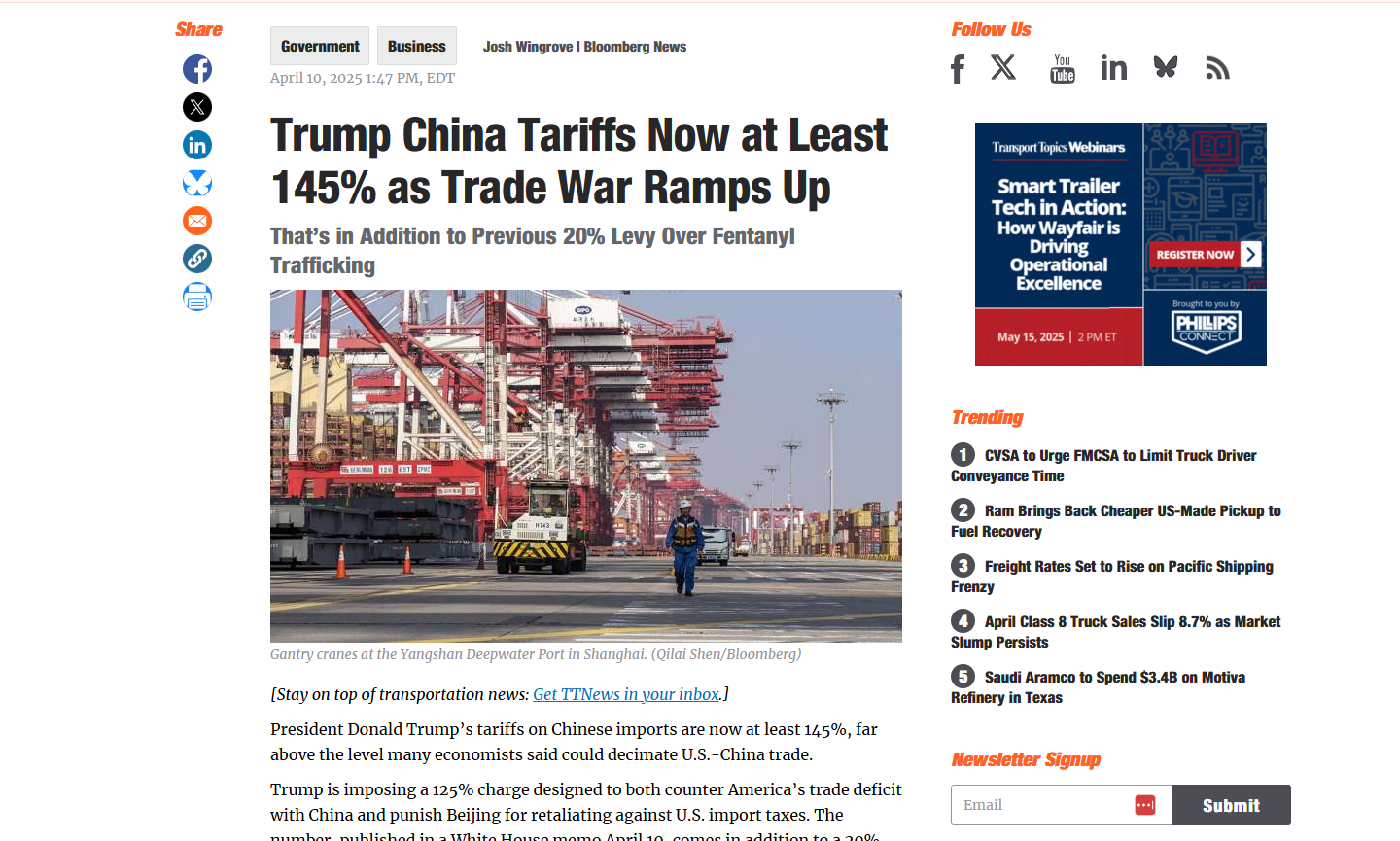
Throughout his first two months in office, President Trump raised tariffs by an estimated 800% on imports from Mexico, China, and Canada. This sent shockwaves through the e-commerce community. These tariffs function as taxes on imported goods. They’re designed to protect US industries by making foreign products more expensive. While beneficial for the broader economy, tariffs create serious challenges for sellers importing products from overseas. Consequently, many aspiring Amazon FBA sellers now believe the window of opportunity has closed entirely. This is especially true for those sourcing from China.
The Tariff Impact on Commodity Sellers
For wholesale and private label sellers, this myth is completely valid and potentially business-destroying. These selling methods already operate on razor-thin profit margins because of intense competition. Adding a 10-25% tariff can eliminate profits entirely or even create losses. Moreover, the situation worsens because Chinese manufacturers can now compete directly on Amazon FBA. Unlike resellers paying tariffs and middleman markups, manufacturers enjoy significantly higher profit margins. They produce the goods themselves.
Therefore, they can absorb tariff costs more easily while still undercutting your prices. Essentially, you’re competing with the factory itself. You’ll lose that battle every time. Additionally, as tariffs rise, manufacturers gain even more incentive to bypass American resellers. They sell directly to consumers. This makes wholesale and private label increasingly unsustainable.
Why Unique Products Survive Tariff Changes
Interestingly, retail arbitrage sellers remain completely unaffected by tariff concerns. They source products domestically from US retail stores. Since tariffs only apply to imported goods, and retail arbitrage involves buying products already in the United States, these sellers experience zero impact. Furthermore, many retail products have already absorbed any tariff costs into their retail pricing. This means arbitrage sellers work with the final consumer price regardless of import costs.
For passion product sellers and niche branders, tariffs present a manageable challenge rather than a fatal blow. When you sell a unique product with no direct competition, you control pricing power. If tariffs increase your costs by 10%, you simply raise your price by 10%. Customers continue buying because no alternatives exist. This pricing flexibility is exactly what wholesale and private label sellers lack.
Joseph’s Big Pharma Manipulation Story
Joseph’s experience illustrates why uniqueness matters beyond tariffs. During his journey, a broker approached him in 2016. The broker claimed a big pharmaceutical company wanted to buy First Defense for $20 million plus royalties. After two years of negotiations, Joseph discovered they were merely stalling him. They wanted to protect their own product lines. Why would big pharma want people preventing allergies for pennies when they profit from treating symptoms for $14? Despite this setback, Joseph survived because his unique product gave him leverage and options. The Passion Product Formula teaches sellers how to create this same protective moat around their business. This makes them resilient against external pressures like tariffs, competition, and market manipulation.
Myth #3: Temu Is Stealing All Amazon’s Customers

In 2024, Temu exploded onto the e-commerce scene with over 167 million customers. Everyone was buying incredibly cheap products that made Amazon’s prices seem expensive. The platform achieved this by shipping products directly from Chinese manufacturers. They completely avoided tariffs through a clever loophole called the de minimis exemption. Essentially, products valued under $800 could enter the United States without paying import duties. This allowed Temu to offer rock-bottom prices that traditional Amazon FBA sellers couldn’t match. Understandably, many sellers panicked. They believed Temu would steal their customer base entirely.
Three Game-Changing Regulatory Updates
However, three massive regulatory changes in 2026 have dramatically reduced Temu’s competitive threat. First, the de minimis tariff loophole has been closed. Chinese manufacturers can no longer avoid tariffs regardless of shipment value. Second, Temu sellers must now provide a 10-digit tariff classification number. This is for tracking and ensuring proper tax payment. Third, for certain products, US customers must provide their social security number or EIN to receive purchases. Most people find this requirement unacceptable for obvious privacy and security reasons.
Consequently, Temu’s competitive advantage has significantly diminished. This levels the playing field for American sellers.
Who Still Needs to Worry About Temu
Nevertheless, for wholesale and private label sellers offering commodity products, the Temu threat remains partially valid. Even with tariffs applied, Temu will likely maintain lower prices than Amazon. They eliminate middlemen entirely. If you’re selling generic products available from multiple sources, customers will naturally gravitate toward the cheapest option. This will often be Temu. Therefore, sellers competing primarily on price will continue losing customers to ultra-discount platforms. Additionally, the perception of Temu as the “cheapest place online” has become embedded in consumer consciousness. Price-sensitive shoppers will check there first.
How Niche Products Beat Temu Competition
The solution once again lies in niche branding and passion products. These are categories where Temu cannot compete effectively. Consider Travis Marziani’s carnivore electrolytes, which generated over $100,000 in just six months. While generic electrolyte powders flood both Amazon and Temu, nobody else was serving the specific carnivore diet community. Travis created a sugar-free, additive-free formula specifically for this audience.
Similarly, AJ a student in Travis’s Passion Product Formula program created cocktail flashcards teaching people how to mix drinks. He earned half a million dollars in his first year. Temu has no equivalent because the product didn’t exist until AJ created it. Furthermore, these products succeed because Amazon FBA functions as a search engine where people type specific queries. When someone searches “carnivore electrolytes” or “cocktail recipe flashcards,” they’re not looking for the cheapest generic option. They want the exact solution to their specific problem. Tools like Helium 10 help sellers identify these search opportunities where demand exists but supply doesn’t. This creates profitable niches Temu can’t touch. The Passion Product Formula teaches this exact methodology. It shows sellers how to find gaps in the market and create products that dominate their categories.
Myth #4: Startup Costs Are Too High

One of the most persistent myths discouraging new sellers is the belief that starting an Amazon business requires massive upfront capital. This concern has some validity depending on your chosen method. However, the reality in 2026 is far more accessible than most people realize. Understanding the actual investment required for each selling method helps you make informed decisions. It also helps you avoid unnecessary financial stress.
Comparing Costs Across Different Methods
For retail arbitrage, startup costs remain remarkably low. You’re simply buying discounted products locally and flipping them online. You might start with just a few hundred dollars to purchase initial inventory. This lets you test the process and generate your first profits. However, remember that retail arbitrage doesn’t build long-term equity or passive income. You’re trading time for money in a never-ending cycle.
Meanwhile, wholesale and private label sellers face significantly higher barriers to entry. They typically require $5,000 to $10,000 minimum for inventory, Amazon fees, product photography, marketing, and other essentials. Moreover, these methods offer no guarantee of success despite the substantial investment. This makes them risky propositions for beginners.
The Zero-Dollar Crowdfunding Strategy
Surprisingly, the passion product method can actually cost nothing to start. This completely debunks the high-cost myth. AJ, a student in the Passion Product Formula program, launched his cocktail flashcard business with zero dollars out of pocket. He used crowdfunding platforms like Kickstarter and Indiegogo. He pre-sold his product concept, raising over $100,000 before manufacturing a single unit. Then he used that money to produce the cards and launch his Amazon FBA business.
Similarly, Mina started with just $1,500 and now generates over $100,000 monthly in sales. This proves that modest investments can yield extraordinary returns with the right approach. Therefore, the startup cost myth is completely false for passion product sellers who leverage modern funding methods.
How Joseph Started With Minimal Investment
Back in 2003, when Joseph started his journey with First Defense Nasal Screens, crowdfunding didn’t exist. This forced him to self-fund everything. He spent $1,500 on samples and prototypes and conducted free product research using Google. He created his own logo and packaging to minimize costs. Even then, his total investment remained relatively modest compared to traditional businesses. Today’s sellers have significant advantages through crowdfunding campaigns, validation tools, and educational resources like the Passion Product Formula. These reduce risk and accelerate success. Consequently, claiming startup costs are prohibitively high simply isn’t accurate anymore. This is especially true when you choose methods that prioritize uniqueness and customer validation before manufacturing.
Myth #5: Amazon Fees Are Too High to Profit

Amazon’s fee structure consistently generates complaints from sellers who feel the platform takes too much of their revenue. Understanding these fees is crucial for evaluating profitability realistically. Amazon charges a 15% referral fee on most products. This is simply for access to their massive customer base and infrastructure. Additionally, if you use Fulfillment by Amazon (FBA), you pay pick-and-pack fees. These cover warehousing, picking, packing, and shipping your products to customers.
While these costs seem substantial at first glance, they’re actually quite reasonable. Consider the alternative of handling fulfillment yourself. This would require warehouse space, staff, shipping materials, and countless hours managing logistics.
Why Fees Destroy Low-Margin Sellers
For private label and wholesale sellers offering low-cost products, the fee myth holds considerable truth. Thin profit margins make every expense painful. When you’re competing primarily on price, the math gets difficult. Your product costs $3 to manufacture and sells for $15. Amazon takes $2.25 in referral fees plus $3-4 in FBA fees. Your remaining profit barely covers advertising and other expenses. Furthermore, you cannot raise prices to improve margins because competitors will undercut you immediately.
Therefore, these sellers often find themselves working enormous hours for minimal profit. They eventually burn out or go bankrupt. Additionally, as Amazon periodically increases fees, wholesalers and private labelers get squeezed even harder. This accelerates their exit from the platform.
How Premium Products Absorb Fees Easily
Interestingly, Amazon offers a Brand Referral Program that reduces the standard 15% fee to as low as 5%. This is for branded products that drive their own traffic. This program specifically benefits niche branders and passion product sellers. They build audiences and direct customers to Amazon FBA rather than relying solely on Amazon’s organic traffic. Consequently, sellers using these methods enjoy significantly better economics than commodity sellers.
Moreover, premium products command higher prices and attract less price-sensitive customers. People buying specialized solutions care more about quality and specificity than saving a few dollars. Therefore, passion product sellers maintain healthy profit margins even after Amazon’s fees. This makes the fee myth completely false for this category.
Joseph’s $7 Million Lesson About Control
Joseph learned the importance of controlling your business through painful experience. When he launched on Amazon in 2011, he chose the vendor model specifically to avoid seller fees. He thought this would maximize profitability. As a vendor, he sold wholesale to other sellers who then listed his product on Amazon. This essentially made Joseph just a supplier. This decision seemed financially smart initially. However, it ultimately cost him everything when the pandemic hit.
Suddenly, First Defense Nasal Screens became incredibly relevant as people sought virus protection. Orders skyrocketed to $1.5 million on Amazon. Customers were ordering 10,000 packs daily from all sources. A major pharmaceutical company reached out with a 17 million unit order. This seemingly validated Joseph’s entire journey. However, the company never fulfilled the orders. They shelved the product and refused to pay him.
Joseph tried suing but couldn’t win against a mega-corporation with unlimited legal resources. Between fulfillment costs, legal proceedings, and trying to keep customers happy, Joseph lost approximately $7 million. This catastrophe happened largely because the vendor model stripped away his business control. If he’d been a third-party seller paying Amazon’s fees, he would have maintained control. He could have controlled inventory, pricing, and customer relationships. Therefore, Amazon’s fees aren’t too high. They’re actually a bargain for the control and infrastructure they provide. The Passion Product Formula teaches sellers how to build brands with profit margins that easily absorb these costs.
Joseph’s Shark Tank Experience & Lessons

Joseph’s journey eventually led him to Shark Tank. There, he pitched First Defense Nasal Screens to the infamous panel of investors. By this point, he’d survived trademark battles, Chinese company theft, and big pharma manipulation. However, he’d also secured an impressive $6 million order from the UAE. This gave him significant credibility. The Sharks immediately recognized the product’s potential, particularly given its massive international traction.
Robert’s All-or-Nothing Offer
Robert Herjavec made the first offer: $2 million with a 10% royalty. However, he wanted 100% equity in the company. This offer essentially meant Joseph would become an employee in his own business. He would surrender all ownership and control.
Joseph pushed back because maintaining ownership was crucial to him after everything he’d experienced. Consequently, Robert doubled his offer to $4 million while still demanding complete ownership. For many entrepreneurs, $4 million would be impossible to refuse, especially after years of struggle. However, Joseph recognized that selling his entire company would mean losing the ability to steer its future. He couldn’t make strategic decisions or build long-term value. Therefore, Robert ultimately walked away when Joseph refused to surrender complete control.
The Three-Shark Deal That Almost Happened
Kevin O’Leary, Mark Cuban, and Daymond John then made a collaborative offer: $750,000 for 30% equity plus a 10% royalty. This deal valued the company at $2.5 million. It allowed Joseph to maintain majority ownership and control. After considering his options carefully, Joseph accepted this offer on the show. However, during later negotiations after filming, one of the Sharks told him candidly that he was “well on your way.” He probably didn’t need their money. Subsequently, Joseph decided not to finalize the deal. He chose instead to grow the business independently.
Why Walking Away Was the Right Choice
Looking back, walking away from the Sharks proved to be the right decision despite appearing risky at the time. The experience taught Joseph that maintaining control over your business is worth more than short-term capital. This is especially true when you’ve built something truly unique. Additionally, this experience reinforced the importance of building a strong, independent brand. You shouldn’t rely on any single investor, distributor, or partner. The Passion Product Formula emphasizes this same principle. It teaches sellers to create businesses they fully control rather than becoming dependent on external parties. These parties might not share their vision or values.
The 2020 Pandemic Catastrophe

When the COVID-19 pandemic struck in 2020, First Defense Nasal Screens suddenly became one of the most relevant products on the market. People desperately sought protection against viruses. Joseph’s nasal screens offered exactly that, a physical barrier preventing allergens, pollutants, pollen, and viruses from entering through the nose. Orders exploded across all channels, with Amazon orders alone reaching $1.5 million. Furthermore, customers were purchasing approximately 10,000 packs daily from various sources. This created unprecedented demand that should have represented Joseph’s ultimate breakthrough. He’d been struggling for nearly two decades.
The Massive Pharma Deal That Seemed Perfect
Major pharmaceutical companies took notice of this surge. One of the largest pharma corporations in the world reached out to discuss taking over distribution. They placed an initial order for 17 million nasal screens. This would have generated millions in revenue and finally validated Joseph’s entire journey. After surviving trademark theft, Chinese company fraud, big pharma manipulation, and choosing to walk away from Shark Tank, this moment seemed like the universe finally rewarding his persistence. Everything Joseph had worked for, every obstacle he’d overcome, every dollar he’d invested, it all appeared to be paying off spectacularly.
How One Decision Cost $7 Million
However, this dream quickly became a nightmare that would cost Joseph $7 million. The pharmaceutical company never fulfilled the orders they’d placed. They inexplicably shelved the product despite demand. Ultimately, they refused to pay Joseph for the massive inventory he’d prepared for them. Joseph attempted to sue them for breach of contract. However, fighting a mega-corporation with unlimited legal resources proved impossible for a small business owner.
Meanwhile, he was stuck with enormous fulfillment costs, mounting legal fees, and the burden of trying to keep regular customers happy. All of this was despite circumstances completely beyond his control.
The Critical Lesson About Business Control
The root cause of this catastrophe traced back to Joseph’s decision to use the vendor model rather than becoming a third-party seller. By selling wholesale to distributors who then sold on Amazon FBA, Joseph had surrendered control over his own product. He couldn’t control pricing and couldn’t manage inventory directly. He couldn’t communicate with end customers and couldn’t pivot quickly when problems arose. If Joseph had been a third-party FBA seller paying Amazon’s fees, he would have maintained complete control over his business. He could have avoided this $7 million disaster.
This painful lesson illustrates why Amazon’s fees aren’t too high. They’re actually a bargain for the control and infrastructure they provide. Moreover, it demonstrates why building your own brand and maintaining direct customer relationships is essential. This is exactly what the Passion Product Formula teaches sellers to do from day one.
Why 2026 Is Actually the BEST Time to Start

Despite all the myths, challenges, and horror stories we’ve explored, 2026 actually represents an incredible opportunity. This is for new Amazon sellers who approach the platform correctly. The data tells a compelling story: over 30 million Amazon users collectively spend a staggering $15 billion during just the third quarter alone. Furthermore, online shopping continues growing year over year. Consumers increasingly prefer the convenience of home delivery over traditional retail experiences. Rather than dying or becoming oversaturated, Amazon is expanding and creating more opportunities. This is for sellers who understand the evolving landscape.
Third-Party Sellers Dominate Amazon
Perhaps most importantly, third-party sellers not Amazon itself dominate the platform. Currently, over 60% of all Amazon sales come from third-party sellers like you, me, Joseph, and Travis. These are everyday entrepreneurs building businesses, not corporate giants with unlimited resources. Additionally, approximately 40% of these sellers generate over $100,000 annually. This proves that substantial income is achievable for those who implement effective strategies. Therefore, the opportunity isn’t theoretical. Thousands of regular people are building six-figure businesses on Amazon right now. Many started within the last few years.
The Four-Part Formula for Success in 2026
However, success in 2026 requires choosing the right approach. The winning formula consists of four essential elements. First, create a unique product using either the passion product method or niche branding strategy. Second, build your own brand rather than remaining an anonymous commodity seller. Third, use Amazon FBA rather than the vendor model to maintain complete control over your business. Fourth, get guidance from an experienced mentor like Travis Marziani. He’s successfully navigated these waters and can help you avoid costly mistakes.
Consequently, all five myths we’ve explored are absolutely valid reasons not to sell on Amazon if you’re doing wholesale or private label. Oversaturation, tariffs, Temu, startup costs, and Amazon fees, these are all real problems. However, these methods are outdated, too competitive, and increasingly unprofitable in 2026.
Why Unique Products Bypass All Five Myths
Conversely, niche branding and passion products represent massive opportunities. They bypass all these myths entirely. When you create something unique, oversaturation doesn’t matter because you have no direct competition. Tariffs become manageable because pricing power lets you adjust to cost changes. Temu can’t compete because they don’t offer specialized solutions. Startup costs decrease through crowdfunding and validation. Amazon fees become irrelevant because your margins are healthy enough to absorb them.
After everything Joseph experienced, being cheated by Chinese companies, lied to by big pharma, sued by competitors, pitching on Shark Tank, and losing $7 million, he unequivocally believes Amazon FBA is worth pursuing in 2026. The critical difference between success and failure isn’t whether Amazon works. It’s whether you’re selling something truly unique or just another commodity product fighting on price.
Your Path Forward: Taking Action on Amazon FBA

Now that you understand both the dangers and opportunities of selling on Amazon in 2026, the question becomes: what should you do next? Joseph’s recommendation, forged through nearly two decades of experience and millions in losses, is crystal clear. Focus exclusively on unique products and build your own brand. The sellers struggling and failing on Amazon are those doing wholesale or private label with commodity products. Meanwhile, the sellers thriving are those who’ve created something genuinely differentiated. They solve specific problems for specific audiences.
Step One: Choose Your Unique Angle
Your first step involves understanding that you need a unique angle. This comes through either niche branding or creating a passion product. Niche branding means taking an existing product category and serving a specific, underserved audience. Travis did this with carnivore electrolytes. Passion products involve creating something that doesn’t exist yet but should. AJ did this with cocktail flashcards. Both approaches work brilliantly because they eliminate direct competition and give you pricing power. This makes all those scary myths irrelevant.
Furthermore, you need to learn the fundamentals of product research, validation, manufacturing, branding, and launching. These skills separate successful sellers from those who waste money on failed products.
Step Two: Get the Right Tools and Mentorship
Getting the right tools makes this process significantly easier. Helium 10 helps you identify search opportunities where demand exists but supply doesn’t. This reveals profitable niches Temu can’t touch. Travis Marziani actually offers the cheapest price available for Helium 10 through his special partnership. This saves you money while giving you access to industry-leading research tools.
Additionally, consider mentorship seriously because having someone guide you around common pitfalls is invaluable. The Passion Product Formula provides exactly this. You get over 100 step-by-step tutorials, two one-on-one coaching sessions, and weekly live Q&A sessions with Travis. He’s a proven 7-figure Amazon seller. The program has helped thousands of students launch unique products. Success stories include AJ’s $500,000 first year, Mina’s $100,000 monthly sales, and Travis’s own carnivore electrolytes generating six figures in months.
Step Three: Start With Free Resources
Before committing to the full program, consider starting with validation to test your interest and aptitude. Travis is offering his complete 10-hour FBA course absolutely free. This provides step-by-step guidance for complete beginners with no cost and no commitment. This resource alone could change your life by showing you exactly how Amazon works. You’ll discover whether this opportunity aligns with your goals.
Meanwhile, if you want immediate protection from allergens, pollutants, pollen, and viruses, First Defense Nasal Screens remain available. Just peel and stick them on the outside of your nostrils for effective filtering without affecting your breathing. The link is available at protectyourlife.com. Whether you’re building an Amazon business or simply protecting your health, taking action is what separates dreamers from achievers. 2026 is waiting for you.
The Real Question Isn’t “Is It Too Late?”

After exploring Joseph’s incredible journey, debunking five major myths, and examining the current Amazon landscape, one truth becomes undeniable. Asking whether it’s too late to sell on Amazon in 2026 is fundamentally the wrong question. The real question is whether you’re willing to create something unique rather than competing with commodity products. Success on Amazon has never been about perfect timing or catching an early wave before competition arrives. Instead, it’s about differentiation, problem-solving, and building genuine value for specific customer segments.
What Joseph’s Story Teaches Us
Joseph’s story illustrates this principle perfectly. Despite being cheated, lied to, sued, manipulated, and losing $7 million, he continues believing in Amazon FBA. His unique product gave him resilience that commodity sellers will never experience. First Defense Nasal Screens succeeds not because Joseph was early to Amazon or discovered some secret hack. It succeeds because the product solves a real problem in a unique way that alternatives don’t match.
Similarly, Travis’s carnivore electrolytes and AJ’s cocktail flashcards thrive because they serve specific needs that generic products ignore. Therefore, the opportunity on Amazon isn’t about timing. It’s about creativity, uniqueness, and understanding customer needs.
What Winners Are Doing Right Now
The sellers winning in 2026 aren’t asking if it’s too late. They’re not paralyzed by fear about oversaturation, tariffs, Temu, costs, or fees. Instead, they’re researching niches, creating prototypes, validating ideas, and launching crowdfunding campaigns. They’re building brands that matter to their customers. They understand that while wholesale and private label have become increasingly difficult, niche branding and passion products represent wide-open opportunities.
Moreover, they recognize that having a mentor who’s successfully navigated this journey dramatically increases their odds of success. It also reduces costly mistakes.
Your Invitation to Join the Winners

You can be one of these winning sellers, but only if you take action. Join the Passion Product Formula waitlist to get access to comprehensive training, personal coaching, and a community of sellers building real businesses. Alternatively, start with Travis’s free 10-hour course to test the waters without commitment. Remember that third-party sellers generate 60% of Amazon’s sales. 40% of them earn over $100,000 annually, proving the opportunity is real and accessible.
The market isn’t shrinking; it’s growing and waiting for sellers who bring unique solutions. Don’t let fear stop you from building your Amazon business in 2026. The only question that matters is: are you willing to create something truly unique?
Frequently Asked Questions
Is it really too late to start selling on Amazon in 2026?
No, it’s not too late, but your success depends entirely on your approach. Wholesale and private label methods have become increasingly difficult due to competition. However, niche branding and passion products offer massive opportunities. Amazon generated over $500 billion last year. Third-party sellers account for 60% of sales. The platform is growing, not dying.
However, you cannot succeed by selling commodity products that anyone can source. Instead, focus on creating unique products that solve specific problems for specific audiences. Tools like Helium 10 help identify opportunities. Programs like the Passion Product Formula teach you to create differentiated products. Consequently, timing matters far less than strategy and differentiation.
How much money do I need to start an Amazon FBA business?
Startup costs vary dramatically depending on your method and approach. Retail arbitrage requires just a few hundred dollars for initial inventory. Private label and wholesale typically need $5,000 to $10,000 minimum. However, passion products can cost zero dollars if you use crowdfunding platforms like Kickstarter or Indiegogo.
Students in the Passion Product Formula have started with as little as $1,500 or even $0 by pre-selling their products. Therefore, claiming Amazon requires huge upfront capital is a myth. Furthermore, starting with validation through crowdfunding reduces risk significantly. It confirms demand before manufacturing. The key is choosing a method that matches your budget and learning from mentors who’ve successfully navigated different funding paths.
Will Trump’s tariffs destroy my Amazon business?
Tariffs are a valid concern for wholesale and private label sellers. They operate on thin margins and cannot raise prices without losing to competitors. Additionally, Chinese manufacturers can now compete directly. They absorb tariffs better than resellers. However, tariffs barely affect retail arbitrage sellers who source domestically. They’re manageable for passion product sellers who control pricing.
When you sell a unique product with no direct competition, you simply raise your price to cover increased costs. Customers continue buying because no alternatives exist. Therefore, tariffs are only business-destroying if you’re selling commodity products. The solution is creating differentiated products that give you pricing power. This insulates you from external cost pressures.
How do I compete with Temu’s ultra-low prices?
You don’t compete with Temu on price, you compete on specificity and quality. Temu excels at selling generic, cheap products to price-sensitive customers. However, it cannot serve specialized niches effectively. Recent regulatory changes have reduced Temu’s advantages by closing tariff loopholes and adding compliance requirements.
More importantly, niche branding and passion products naturally avoid Temu competition. Customers searching for specific solutions care more about finding exactly what they need than saving money. Travis’s carnivore electrolytes and AJ’s cocktail flashcards prove this. Both products command premium prices because they solve specific problems that generic alternatives don’t address. Therefore, instead of fearing Temu, focus on creating products for audiences that Temu ignores.
Are Amazon’s fees too high to make a profit?
Amazon charges approximately 15% in referral fees plus FBA pick-and-pack fees for warehousing and shipping. This initially seems expensive. However, these fees are actually quite reasonable when you consider the alternative of handling fulfillment yourself. For commodity sellers competing on price, fees do create problems because thin margins make every expense painful.
Nevertheless, for niche and passion product sellers with healthy margins, fees are easily absorbed. Additionally, Amazon’s Brand Referral Program reduces fees to as low as 5% for branded products driving their own traffic. Joseph learned that controlling your business is worth paying fees after losing $7 million through the vendor model. Therefore, fees aren’t too high. They’re the cost of accessing Amazon’s massive customer base while maintaining control over your business.
What’s the difference between private label and passion products?
Private label involves finding existing products on Alibaba, adding your logo, and selling them on Amazon. It’s generic products with your brand name slapped on. Passion products are completely unique items you create because they don’t exist yet but should. The critical difference is differentiation.
Private label faces massive competition from other sellers doing the exact same thing. This forces price wars and low margins. Meanwhile, passion products have zero competition initially because you invented them. This gives you pricing power and market control. Additionally, passion products can be trademarked or patented, protecting your business legally. The Passion Product Formula teaches specifically how to identify and create passion products rather than just rebranding generic items. This is why students achieve significantly better results than traditional private labelers.
Do I really need a mentor or course to succeed on Amazon?
While some sellers succeed through trial and error, having a mentor dramatically increases your odds of success. It also reduces costly mistakes. Joseph spent $500,000 on trademark battles. He lost deals to Chinese companies twice. He got manipulated by big pharma. Ultimately, he lost $7 million. Mentorship could have helped him avoid or navigate these experiences better.
The Passion Product Formula provides structured guidance from Travis Marziani. He’s a proven 7-figure seller who’s helped thousands of students launch successful products. You get 100+ tutorials, personal coaching sessions, weekly Q&As, and a community of sellers facing similar challenges. Furthermore, the course teaches product research, validation, crowdfunding, manufacturing, branding, and launching. These are skills that take years to develop independently. Therefore, while not absolutely required, mentorship significantly shortens your learning curve. It helps you avoid expensive mistakes that self-taught sellers typically make.