
Making over $2 million in passive income from selling a simple product on Amazon is absolutely achievable when you connect with the right Amazon suppliers. The secret isn’t just finding a great product idea or mastering Amazon’s algorithm. Success hinges on one critical decision that many new sellers overlook: finding the perfect manufacturer to bring your product to life. Whether you’re looking to create a second income stream or build a six to seven-figure business like Travis Marziani, AJ, or Brent, your manufacturing partner can make or break your Amazon FBA journey.
Finding the right manufacturer involves more than just searching for the lowest price or fastest turnaround time. You need a partner who understands your vision, delivers consistent quality, and can scale with your business as it grows. Fortunately, there are proven methods for connecting with excellent manufacturers, including one secret approach that most Amazon sellers never discover. Throughout this guide, you’ll learn four powerful strategies for finding manufacturing partners who create premium products and support your long-term success. The beauty of Amazon FBA is that you don’t need to invent something revolutionary to succeed. By combining your passion with smart product selection and the right manufacturing partner through the Passion Product Formula approach, you can build a thriving business that generates consistent income.
- Why Finding the Right Manufacturer Matters
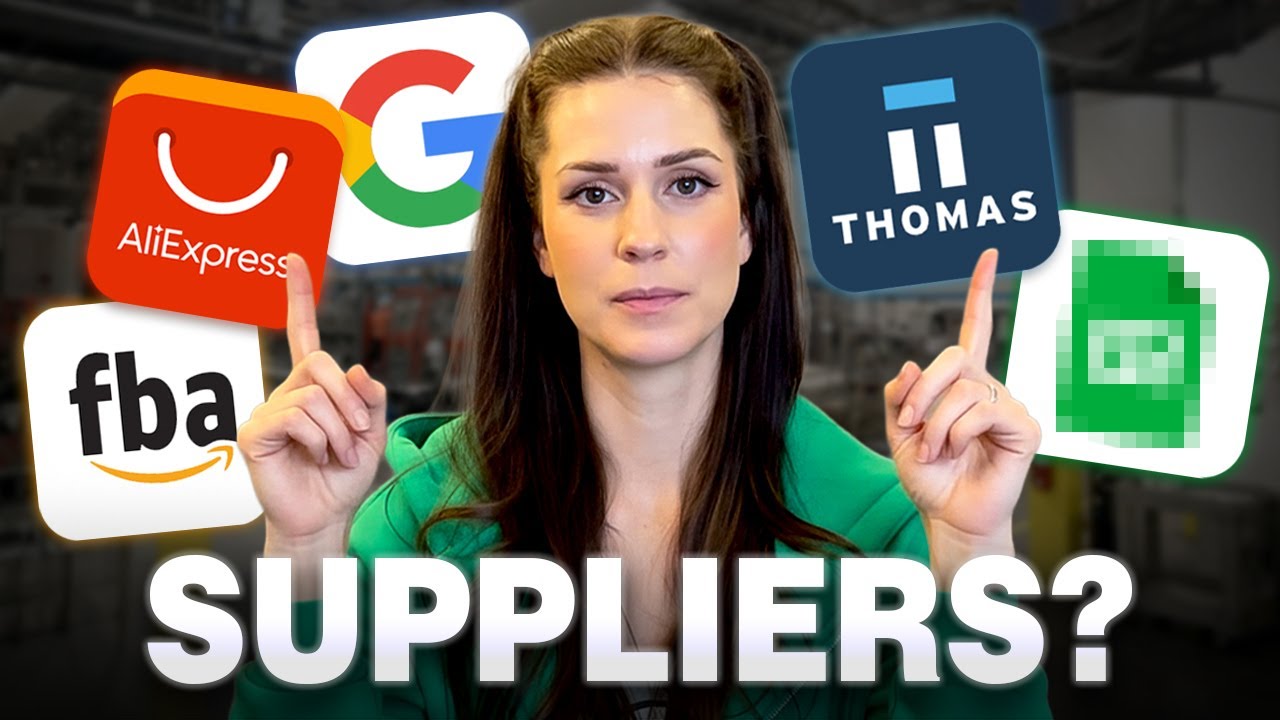
- Using Alibaba to Find International Manufacturers
- The Critical Exception: Products You Should NEVER Make Overseas
- ThomasNet for US-Based Manufacturers
- The Simple Google Search Method
- Essential Manufacturer Management Tips
- The Secret Weapon: The Verified Manufacturer Database
- The Passion Product Formula: Your Complete Amazon FBA Success System
- Taking Action on Your Amazon FBA Journey
- Frequently Asked Questions
Why Finding the Right Manufacturer Matters

The Foundation of Your Amazon Success
Your manufacturing partner directly impacts every aspect of your Amazon business. Quality, profit margins, and customer satisfaction all depend on this crucial relationship. When you choose the right manufacturer, you’re setting yourself up for smooth operations, happy customers, and consistent five-star reviews. Conversely, selecting the wrong manufacturer can lead to disaster before your business even launches.
Delayed shipments mean missed sales opportunities. Poor quality results in negative reviews and returns. Communication problems create stress and lost money. Consider the real-world example of Pottytime Adventures, a product created to help toddlers with potty training. When the creator’s daughter Ruby showed no interest in standard rewards but loved surprise unboxing toys, inspiration struck.
Turning Ideas Into Profitable Products
The solution combined a potty training chart with an advent calendar that hid little rewards like wood blocks behind tiny doors. A unique product was born. However, this creative idea would have remained just a concept without finding the right manufacturer. The manufacturer needed to understand the vision and execute it with precision.
The most successful Amazon sellers understand that their manufacturer relationship extends far beyond a simple transaction. These partnerships involve trust, clear communication, and shared goals for quality and growth. When you find a manufacturer who responds quickly to your questions, you’ve discovered something valuable. Great manufacturers often become advisors who help you improve your product design and avoid costly mistakes.
Key Success Factors to Consider
Success factors when evaluating manufacturers include several critical elements. Consistent quality standards ensure your customers receive the same excellent product every time. Reasonable minimum order quantities fit your budget without requiring massive upfront investment. Competitive pricing allows healthy profit margins that make your business sustainable.
Reliable lead times you can count on help you manage inventory and avoid stockouts. Furthermore, responsive customer service demonstrates a manufacturer’s commitment to earning your business. Willingness to provide samples shows confidence in their work. These elements combine to create the foundation for a profitable Amazon FBA business. Your business can scale from a few hundred units to thousands of orders per month.
Using Alibaba to Find International Manufacturers
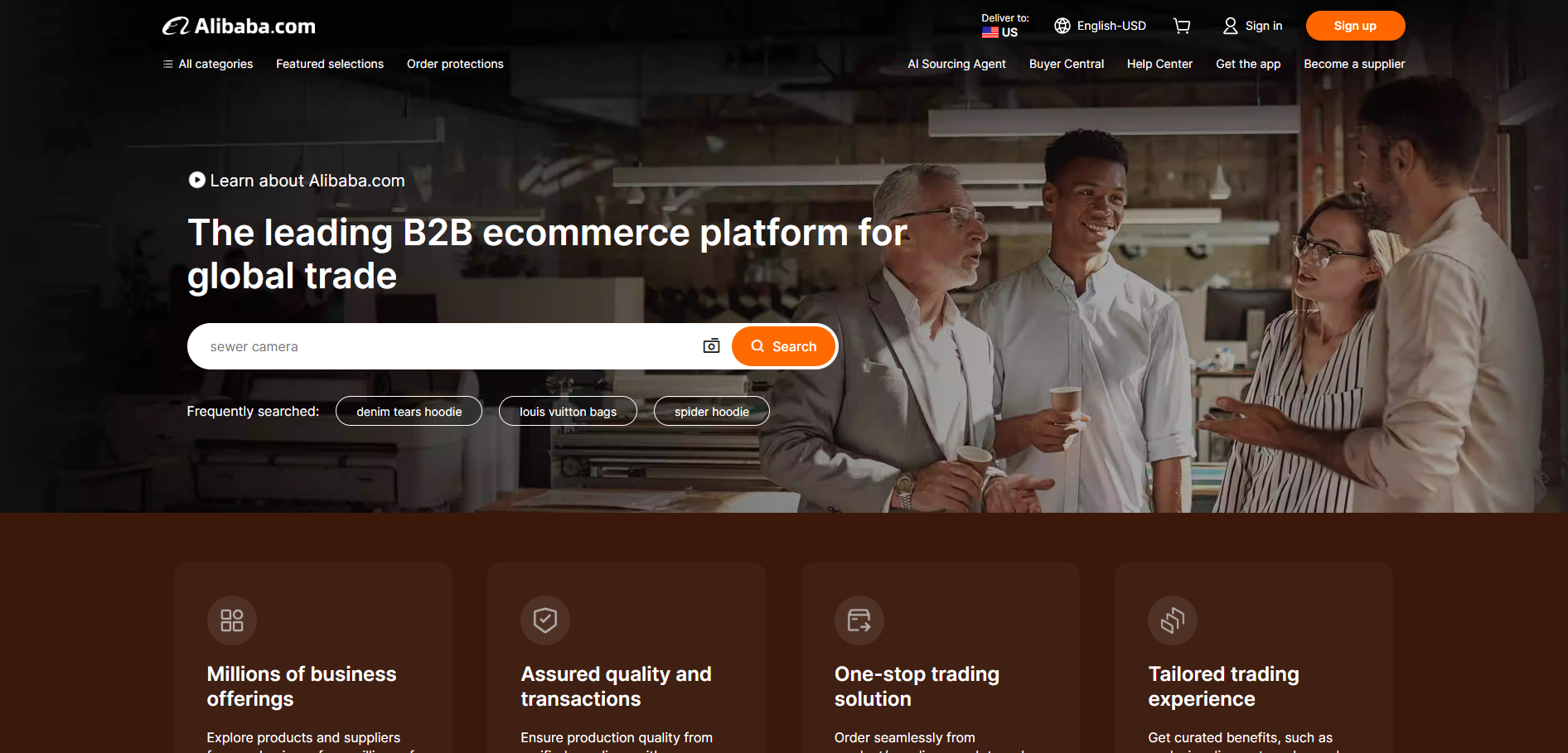
Alibaba has earned its reputation as the world’s largest B2B marketplace. It connects sellers with thousands of manufacturers across the globe. This massive platform gives you access to Amazon suppliers in China, Hong Kong, Korea, and Japan. You’ll also find manufacturers in the Netherlands, Germany, throughout Europe, and even in Australia and New Zealand.
The sheer variety means you can find manufacturers for virtually any product imaginable. Simple items to complex custom designs are all available. Moreover, the competitive marketplace environment typically results in attractive pricing. This allows for healthy profit margins on Amazon.
Filtering for Quality and Safety
When you first navigate to alibaba.com and search for your product type, you’ll likely feel overwhelmed by thousands of results. However, implementing two critical filters immediately narrows your options to trustworthy Amazon suppliers. First, always click the “Trade Assurance” filter. This provides protection for your money if anything goes wrong with the transaction.
Second, select “Verified Suppliers” to ensure you’re only viewing vetted manufacturers. These verification steps mean someone from Alibaba has inspected the factory. They’ve checked the quality standards and confirmed that everything operates legitimately. Additionally, verified suppliers have proven track records and established reputations to protect.
The Systematic Contact Approach
The systematic approach to finding your perfect Alibaba manufacturer involves contacting at least 20 to 30 different Amazon suppliers. While this might seem excessive, casting a wide net helps you understand the market. You’ll compare pricing structures and identify which manufacturers provide exceptional customer service. As you communicate with each supplier, ask specific questions about minimum order quantities (MOQ).
Also inquire about production lead times and unit costs at different volume levels. Learn about their experience with products similar to yours. Additionally, pay close attention to how quickly they respond. Notice whether they genuinely understand your needs or simply send generic replies.
Narrowing Down and Testing Your Top Choices
After reviewing all responses, narrow your selection to your top three manufacturers. Base this decision on three key criteria: outstanding customer service and communication, competitive pricing that supports your profit goals, and demonstrated ability to meet your specific product requirements. Next, order samples from each of these finalists. Samples typically cost between $50 to $200 per sample including shipping.
Finally, evaluate each sample carefully for quality, packaging, and attention to detail before selecting your winner. This exact process helped AJ find the perfect supplier for his cocktail flashcard recipes. His product generated over half a million dollars in sales during just the first year. Travis teaches this proven methodology inside the Passion Product Formula. It consistently produces excellent results for Amazon sellers.
The Critical Exception: Products You Should NEVER Make Overseas
Understanding the Consumables Rule
While Alibaba and international manufacturers excel at producing many product types, one category requires extreme caution: consumable products. Anything your customers will eat, drink, or consume internally should generally be manufactured in the United States rather than overseas. This recommendation isn’t about prejudice against international quality. Rather, it’s about protecting yourself and your customers through compliance with rigorous US health and safety standards.
Furthermore, having a domestic manufacturer for consumables means you can communicate directly with a company operating under US regulations if any issues arise. The peace of mind that comes from US-based manufacturing for consumables simply cannot be overstated. When you’re selling products that people put into their bodies, you need absolute confidence in every ingredient. Every quality control process and every safety protocol must be perfect.
Real Success with Domestic Manufacturing
Travis Marziani recently launched his carnivore electrolytes through a US manufacturer. He has never experienced a single compliance issue or customer safety concern. Even better, this straightforward consumable product generated over $100,000 in revenue in just six months. This proves that domestic manufacturing doesn’t mean sacrificing profitability.
Beyond safety considerations, US manufacturers often provide additional advantages for consumable products. Shorter shipping distances mean fresher products reach your customers faster. This matters significantly for items with shelf lives. Additionally, “Made in USA” labeling carries powerful marketing appeal, especially in the health and wellness space. Consumers increasingly prioritize knowing where their products originate.
Legal Protection and Peace of Mind
Many customers actively seek out domestically produced consumables. They willingly pay premium prices for that assurance. The liability protection offered by US-based manufacturing also deserves serious consideration. If a customer experiences an adverse reaction to a consumable product, having a domestic manufacturing partner means clearer legal protections.
Resolution processes become easier to navigate. Conversely, pursuing claims against overseas manufacturers involves complex international law and language barriers. It often proves practically impossible for small business owners. Therefore, investing slightly more in US manufacturing for consumables protects both your customers and your business from potentially devastating consequences.
ThomasNet for US-Based Manufacturers
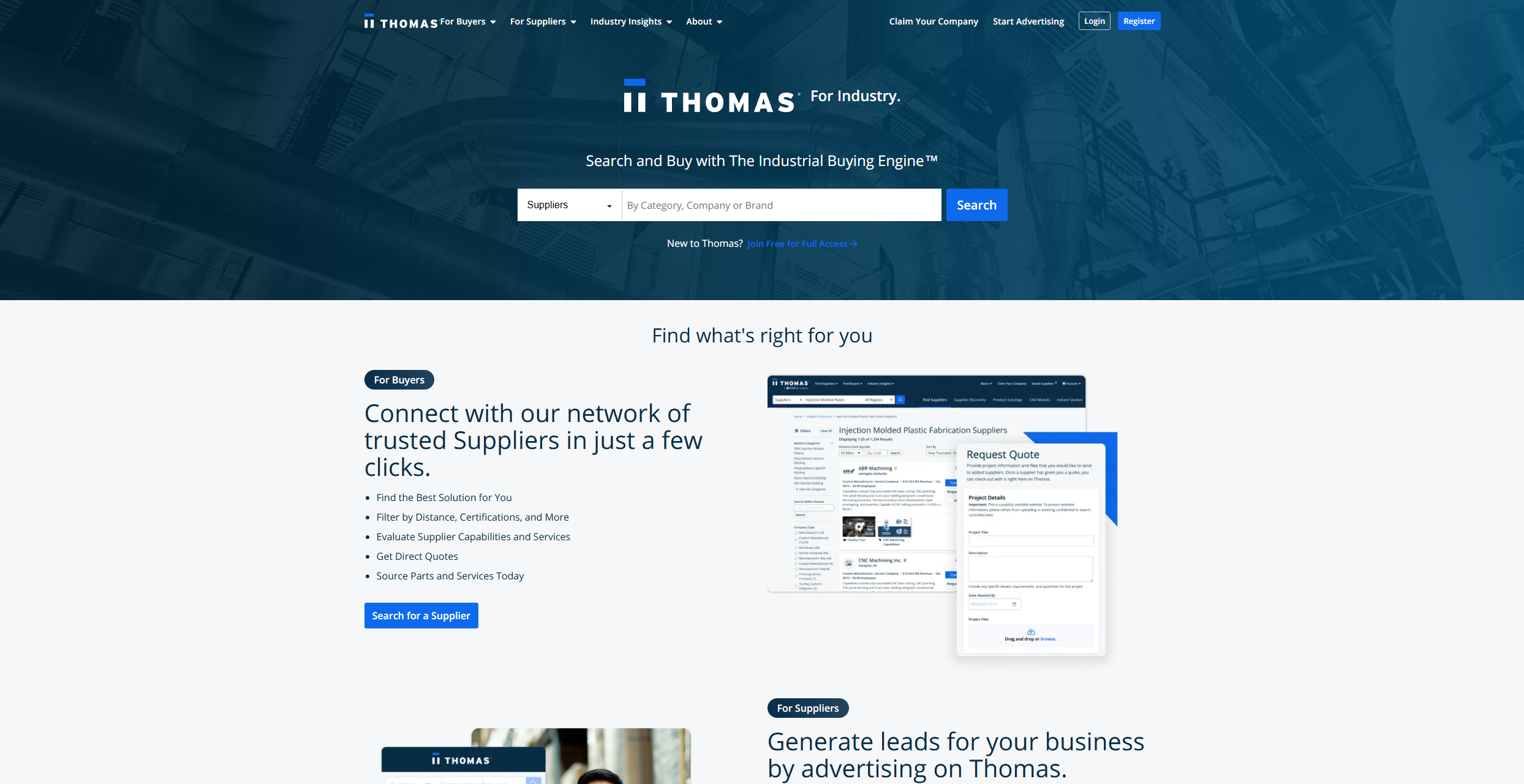
ThomasNet serves as the premier directory for finding North American manufacturers. It offers a user experience remarkably similar to Alibaba but focused exclusively on US-based Amazon suppliers. This platform has connected buyers with American manufacturers for over a century. It evolved from print catalogs to a comprehensive online database.
When you need to source consumable products or simply prefer working with domestic manufacturers, ThomasNet provides an excellent starting point for your search. Additionally, the platform includes Canadian manufacturers. This expands your options while maintaining North American quality standards and easier logistics.
Step-by-Step Search Process
Navigating ThomasNet follows a straightforward process that yields powerful results. Simply visit thomasnet.com and enter your product type into the search bar. Use it just as you would on Alibaba. For example, searching for “fruit puree” to create a toddler product line returns numerous established manufacturers throughout the United States.
As you scroll through the results, you’ll notice that not every manufacturer perfectly fits your specific needs. Carefully review each listing before reaching out. Click on individual suppliers to explore their capabilities, certifications, and specializations.
Verification and Contact Methods
The ThomasNet Verified Supplier badge provides an additional layer of confidence when evaluating potential manufacturers. This verification indicates that ThomasNet has confirmed the company’s legitimacy. They’ve reviewed their capabilities and verified their contact information. When you find a verified supplier whose capabilities match your product requirements, click the “Contact Supplier” button.
Fill in detailed information about your project. Specifically mention your product type, intended use, and target market. Include any special requirements or certifications you need.
Organizing Your Manufacturer Search
Creating a comprehensive spreadsheet to track all manufacturer communications proves invaluable. Use it as you contact multiple Amazon suppliers through both ThomasNet and Alibaba. Include columns for company name, contact person, minimum order quantities, and lead times. Add pricing at different volumes and notes about your conversations.
This organizational system helps you compare options objectively rather than relying on memory. It ultimately leads to better decisions. Furthermore, tracking response times and communication quality in your spreadsheet helps identify manufacturers who genuinely want your business. You’ll spot those who send automated responses without reading your specific requirements.
The Simple Google Search Method

Many Amazon sellers overlook the most obvious tool available for finding manufacturers: Google search. This straightforward approach often yields excellent results without platform fees or membership requirements. Simply type your product category followed by “manufacturers” into Google’s search bar. You’ll receive pages of potential partners.
For instance, searching “fruit puree manufacturers” returns dozens of established companies. Results include their websites, contact information, and often detailed descriptions of their capabilities. Their specializations are usually clearly displayed.
Benefits of Direct Relationships
The advantage of finding manufacturers directly through Google is that you’re building relationships without intermediary platforms. When you contact a company through their website, you’re often reaching their sales or customer service team directly. This can lead to more personalized attention and potentially better pricing.
Additionally, visiting a manufacturer’s website allows you to learn about their company history, values, and certifications. You can review their existing clients, providing valuable context before you make contact. Look specifically for “About Us” pages that showcase experience in your product category. These pages should demonstrate alignment with your quality standards.
Due Diligence Requirements
However, this method requires more due diligence on your part. These manufacturers haven’t been pre-vetted by platforms like Alibaba or ThomasNet. Therefore, carefully research each potential partner by checking their reputation. Read any available reviews and verify their business credentials.
Most legitimate manufacturers display their certifications, industry memberships, and years in operation prominently on their websites. If a website looks outdated, lacks basic business information, or raises any red flags, simply move on to the next option. Trust your instincts during this evaluation process.
Quality Verification Process
The direct approach also means you’ll need to initiate all quality verification yourself. Request references from other clients. Ask detailed questions about their quality control processes. Absolutely insist on receiving samples before committing to a production run.
While this method involves more legwork than using established marketplaces, some sellers prefer the direct relationships. They appreciate the potentially lower costs that come from bypassing platform fees. Moreover, manufacturers found through Google searches often prove more flexible with smaller initial orders. They’re accustomed to working directly with various business sizes.
Essential Manufacturer Management Tips

Creating Your Command Center
Successfully managing relationships with potential manufacturers requires organization and strategic communication. Creating a comprehensive comparison spreadsheet serves as your command center. It tracks every detail about the Amazon suppliers you contact. Include columns for company name and primary contact person with email and phone number.
Add minimum order quantities, production lead times, and pricing at various volume levels. Record sample costs and shipping options. Additionally, track softer metrics like communication quality, responsiveness, and your overall impression. Note each manufacturer’s professionalism and eagerness to earn your business.
Capturing Critical Details
Beyond basic information, your spreadsheet should capture specific details that affect your decision-making process. Record whether each manufacturer offers Trade Assurance or similar buyer protection. Note their payment terms and accepted methods. Document any certifications they hold relevant to your product category.
Include notes from your conversations about their capacity for customization. This productivity hack saves tremendous time when you’re comparing options weeks after initial contact. It prevents you from repeatedly searching through old emails. Furthermore, organized tracking enables you to make informed decisions based on comprehensive data. You won’t rely on gut feelings or which manufacturer you spoke with most recently.
Questions Every Seller Must Ask
Every conversation with potential manufacturers should cover several critical questions. These reveal their suitability for your project. First, clearly establish their minimum order quantity. Ask whether they offer flexibility for first-time customers testing a new product.
Next, inquire about production lead times from order placement to completion. Include how far in advance they need orders for busy seasons. Then ask about pricing structures at different volume levels. Understanding how costs decrease with larger orders helps you plan for growth. Additionally, ask detailed questions about their quality control processes, defect rates, and how they handle problems when they occur.
Recognizing Red Flags
Red flags during manufacturer communications should never be ignored. This applies even when you’re eager to move forward with your product launch. Poor communication characterized by slow responses, vague answers, or obvious lack of attention to your specific questions indicates future frustrations. Similarly, unwillingness to provide samples or resistance to reasonable quality questions suggests a manufacturer who lacks confidence in their products.
Prices significantly lower than other quotes might indicate quality corners being cut. Hidden fees may appear later. Finally, manufacturers who pressure you to commit quickly without allowing proper evaluation time rarely prove to be good long-term partners. Trust your instincts when something feels wrong. Thousands of other manufacturers are ready to earn your business properly.
The Secret Weapon: The Verified Manufacturer Database
Access to Pre-Vetted Excellence
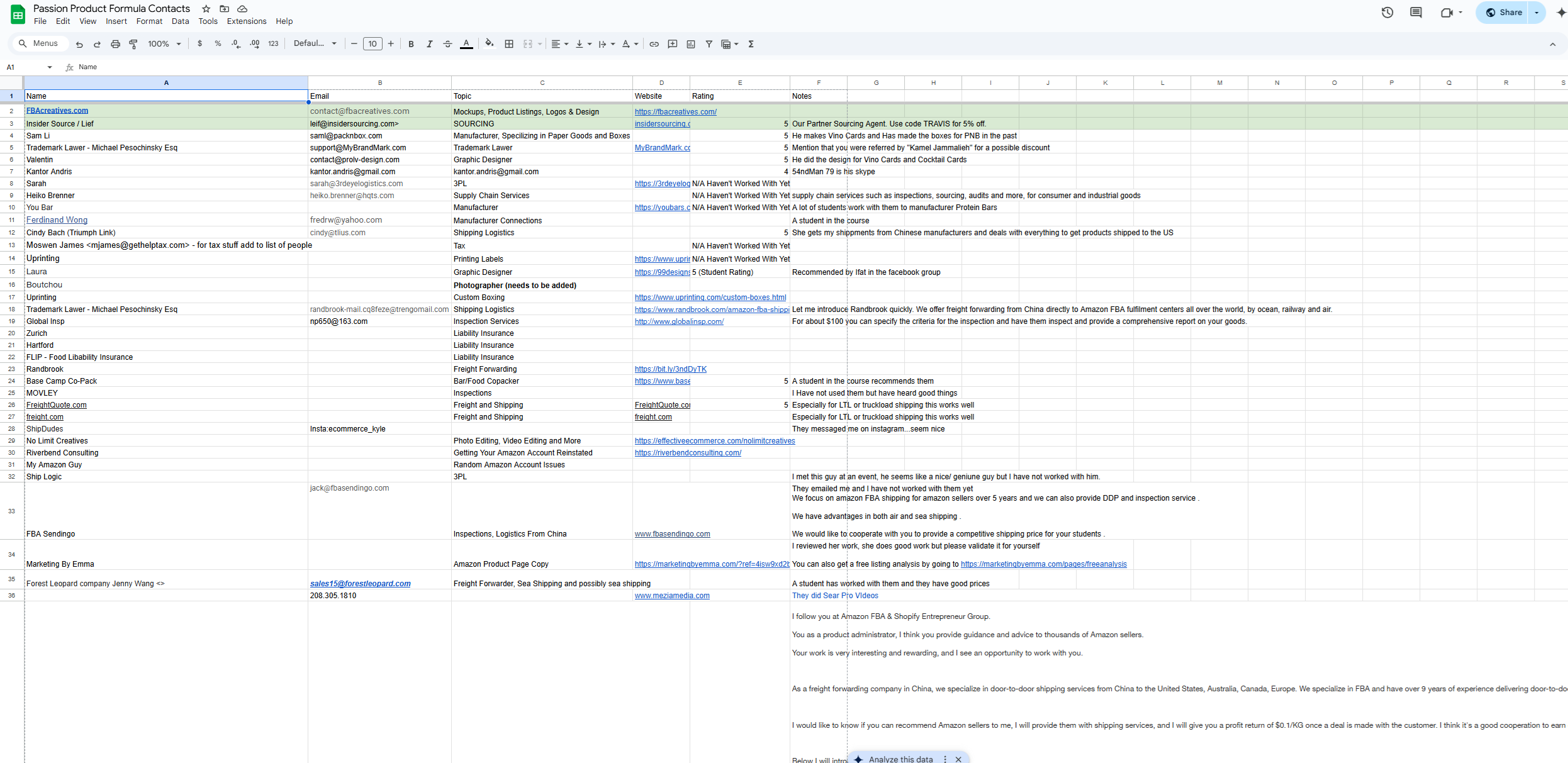
The most powerful method for finding excellent manufacturers isn’t available through public marketplaces or search engines. Instead, it’s an exclusive spreadsheet containing direct contact information. This database includes every manufacturer and supplier that Travis Marziani and over 2,000 students have personally used and verified.
This resource represents years of collective experience and countless production runs. It embodies lessons learned from both successes and mistakes. When you access this database, you’re instantly connecting with manufacturers who have proven track records. They produce premium products, communicate effectively, and support seller success.
Skipping the Trial and Error Phase
The superiority of this approach becomes obvious when you consider the alternative path most sellers take. Typically, new Amazon sellers spend months contacting dozens of manufacturers and ordering samples. They experience disappointments along the way. Some entrepreneurs give up entirely after several bad experiences drain their initial budget and enthusiasm.
Conversely, starting with pre-vetted manufacturers means you skip straight to reliable partners. These Amazon suppliers understand Amazon seller needs and offer reasonable minimum order quantities for new businesses. They consistently deliver quality products that generate positive reviews.
The Power of Trusted Referrals
Real-world experience confirms the value of trusted manufacturer referrals. When a friend connected one seller with a manufacturer they had successfully used, the resulting partnership proved immediately successful. The manufacturer understood exactly what Amazon sellers needed. They communicated clearly about timelines and costs.
They delivered samples that required minimal revisions. This smooth experience eliminated months of frustration. It allowed the seller to focus on other aspects of launching their product successfully. Similarly, the Passion Product Formula‘s verified manufacturer database provides this same advantage to every student.
What Comes with Program Access
Accessing this exclusive resource requires joining the Passion Product Formula program. However, membership includes far more than just manufacturer contacts. Students receive over 100 step-by-step video tutorials covering every aspect of building a successful Amazon FBA business. Content spans from initial product research through scaling to six and seven figures.
Weekly live Q&A calls provide opportunities to get specific questions answered. Experienced coaches understand your challenges and provide actionable solutions. Additionally, two one-on-one coaching sessions offer personalized guidance tailored to your unique situation, product, and goals. The combination of comprehensive training, ongoing support, and verified manufacturer connections creates an environment where success becomes the expected outcome rather than a lucky exception.
The Passion Product Formula: Your Complete Amazon FBA Success System

The Passion Product Formula distinguishes itself from other Amazon training programs through its comprehensive approach and proven methodology. Rather than focusing solely on finding trending products or gaming Amazon’s algorithm, this program teaches something different. You’ll learn to identify products you’re genuinely passionate about. Then you’ll validate those ideas using data-driven research.
This unique combination of passion and validation creates sustainable businesses. These businesses withstand market changes and maintain seller enthusiasm through the inevitable challenges of entrepreneurship. Furthermore, passionate sellers naturally create better marketing content. They provide superior customer service and continuously improve their products because they care deeply about the problem they’re solving.
Comprehensive Training Library
Students gain access to an extensive library of training materials. Content covers everything from initial product research to advanced marketing strategies. The 100+ video tutorials break down complex topics into actionable steps. Even complete beginners can follow successfully.
Topics include how to evaluate product opportunities using specific profitability criteria. You’ll learn about designing products that stand out in crowded categories. Training covers creating compelling product listings that convert browsers into buyers. You’ll discover launch strategies that generate momentum quickly. Additionally, advanced modules teach students how to scale their businesses through effective inventory management, international expansion, and building teams.
Community and Support Structure
The program’s community aspect provides tremendous value beyond the training materials themselves. Weekly live Q&A calls allow students to ask questions about their specific situations. They receive expert guidance in real-time. These sessions often reveal solutions to problems you didn’t even know existed yet. This helps you avoid costly mistakes before they happen.
Moreover, connecting with over 2,000 fellow entrepreneurs creates networking opportunities. Partnership possibilities emerge naturally. You’ll experience ongoing motivation from watching others achieve their goals. Many successful students credit the community support as equally important as the training content itself.
Proven Success Stories
Real success stories demonstrate the formula’s effectiveness across different product categories and seller experience levels. Travis Marziani built multiple successful brands using these exact principles. He created businesses that generate consistent income while giving him freedom to travel and pursue other interests.
AJ launched cocktail flashcard recipes that generated over $500,000 in first-year sales. He followed the product research and launch strategies taught in the program. The carnivore electrolytes product reached $100,000 in revenue within six months. This proves that even simple consumable products can succeed when properly researched and executed. Pottytime Adventures solved a genuine parenting problem while building substantial income. It exemplifies how passion-based products create win-win situations for sellers and customers alike.
Taking Action on Your Amazon FBA Journey

The path to building a successful Amazon FBA business becomes significantly clearer when you follow a proven system. Random advice from multiple sources often leads to confusion and inconsistent results. You now understand four powerful methods for finding manufacturers. This includes the exclusive database available through the Passion Product Formula.
Each approach offers unique advantages. Alibaba provides vast international options. ThomasNet focuses on domestic manufacturers. Google searches offer simple effectiveness. However, the verified manufacturer database stands alone in providing instant access to pre-vetted Amazon suppliers. These manufacturers consistently deliver quality results.
Special Considerations for Product Types
Remember that choosing the right manufacturer for consumable products requires special consideration. Always prioritize US-based manufacturers for anything customers eat, drink, or consume. This ensures compliance with safety standards. It protects both your customers and your business.
Travis’s success with carnivore electrolytes demonstrates that domestic manufacturing for consumables supports both profitability and peace of mind. Meanwhile, international manufacturers through platforms like Alibaba excel at producing physical products. Toys, storage solutions, and countless other categories work well at competitive prices.
The Systematic Selection Process
The systematic approach to manufacturer selection involves contacting multiple Amazon suppliers. Ask detailed questions and order samples. Make data-driven decisions based on comprehensive evaluation. Your comparison spreadsheet serves as the foundation for this organized approach. It tracks every detail that impacts your final decision.
Furthermore, recognizing red flags early prevents costly mistakes. It keeps your project moving forward efficiently toward launch day.
Your Next Steps
Thousands of entrepreneurs have successfully launched Amazon FBA businesses by following these exact principles and processes. Your million-dollar product idea starts with finding the right manufacturing partner. Choose someone who shares your commitment to quality and customer satisfaction.
Whether you’re ready to join the Passion Product Formula waitlist or prefer to start with the free 12-hour training available to everyone, taking action today matters. Each step moves you closer to the financial freedom and business success you deserve. The right system, combined with verified manufacturer connections and comprehensive support, transforms your Amazon FBA dreams into profitable reality.
Frequently Asked Questions
How much does it typically cost to order samples from manufacturers?
Sample costs vary significantly based on product complexity and manufacturer location. Most sellers should budget between $50 to $200 per sample including shipping. International samples from Alibaba suppliers often cost less for the product itself. However, shipping costs more.
Domestic samples may have higher product costs but lower shipping fees. Always order samples from your top three manufacturer choices before committing to production. This investment prevents expensive mistakes later. Additionally, some manufacturers offer sample costs that they credit toward your first production order. This happens once you commit to working with them.
What is a reasonable minimum order quantity (MOQ) for a first-time Amazon seller?
Minimum order quantities depend heavily on your product category. First-time sellers should generally look for manufacturers offering MOQs between 250 to 1,000 units. Starting with lower quantities allows you to test the market without tying up excessive capital in inventory.
However, remember that lower MOQs typically result in higher per-unit costs. Factor this into your profitability calculations. As your product gains traction and you gain confidence in demand, placing larger orders becomes beneficial. Larger quantities reduce costs and improve profit margins significantly.
How long does the typical manufacturing and shipping process take?
Production timelines vary considerably. Most manufacturers require 30 to 60 days for production once you’ve finalized your order and provided payment. International shipping adds another 20 to 40 days. The timeframe depends on whether you choose sea freight (cheaper but slower) or air freight (faster but more expensive).
Domestic US manufacturers typically offer faster turnaround. They often complete production within 15 to 30 days. Domestic shipping takes just a few days. Always build buffer time into your launch plans. Account for potential delays with customs, quality inspections, or unexpected production issues.
Should I visit my manufacturer’s facility in person before placing an order?
Visiting your manufacturer in person provides valuable insights into their operations and quality standards. However, it’s not essential for most sellers. This especially applies when using verified platforms like Alibaba with Trade Assurance. Manufacturers from the Passion Product Formula‘s verified database also don’t require visits.
If you’re planning to build a long-term relationship and will be placing large orders, visiting the facility helps. It establishes personal connections and allows you to assess their capabilities firsthand. Many successful Amazon sellers never visit their manufacturers. They maintain excellent relationships through clear communication, detailed specifications, and consistent sample evaluations.
What should I do if my manufacturer delivers products that don’t meet my quality standards?
First, document the quality issues thoroughly with photos and specific descriptions. Explain exactly how the products fail to meet your agreed-upon specifications. Then, contact your manufacturer immediately to discuss the problems and potential solutions.
Reputable manufacturers typically work with you to resolve issues. They may offer replacements, partial refunds, or credits toward future orders. If you used Alibaba’s Trade Assurance, you have additional protection for disputes. However, preventing quality problems starts with clear communication during the design and sampling phases. Include detailed specifications, approved samples, and written agreements about quality standards before production begins.