Finding the right product to sell on Amazon can feel overwhelming. Most aspiring sellers get stuck in analysis paralysis, drowning in data and second-guessing every decision. However, Amazon FBA product research doesn’t have to be a nightmare that stops you from building a successful business. When you approach it strategically with the right methods, product research actually becomes an exciting treasure hunt where you discover opportunities others miss.
The truth is, there’s not just one way to find a winning product on Amazon. Throughout this guide, you’ll discover seven proven methods that successful sellers use to uncover profitable opportunities. You can use these methods individually or combine them to create a comprehensive research strategy. By the end, you’ll understand exactly how to find products that align with your interests while meeting real market demand.
Whether you’re using the keyword method, bestseller analysis, advanced tools like Black Box and Cerebro, or following emerging trends through Google Trends and Exploding Topics, each approach offers unique advantages. Most importantly, you’ll learn why building a passion product beats the old private label model every single time. Let’s dive into these seven game-changing methods that will transform how you approach Amazon FBA product research.
- Why Amazon FBA Product Research Determines Your Success
- The Essential Tool: Helium 10 Setup
- Method #1: The Keyword Method (Magnet Tool)
- Method #2: The Bestseller Method
- Method #3: Black Box Product Finder
- Method #4: Cerebro Reverse ASIN Lookup
- Method #5: The Search Bar Method
- Method #6: Google Trends + Keyword Planner
- Method #7 (BONUS): Exploding Topics
- The Passion Product Philosophy
- Taking Action: Your Next Steps
- Your Path Forward Starts Now
- Frequently Asked Questions
Why Amazon FBA Product Research Determines Your Success

Your product choice serves as the foundation of your entire Amazon business. Choose wisely, and you’ll enjoy smooth sailing with healthy profit margins and steady growth. Choose poorly, and you’ll face an exhausting uphill battle fighting competitors on price while watching your margins disappear. This single decision impacts everything from your marketing costs to your customer satisfaction rates.
The Amazon marketplace has evolved dramatically over the past few years. The old generic private label approach, finding any random product on Alibaba, slapping your logo on it, and hoping for sales, simply doesn’t work anymore. Too many sellers chase the same generic products, creating brutal competition where only PPC spending determines who wins. Meanwhile, Chinese manufacturers continue undercutting everyone on price, making it nearly impossible to maintain healthy margins.
Instead, successful sellers in 2025 focus on niching down and creating products for underserved markets. Consider Performance Nut Butter, which generated $1.3 million in its first year by targeting the keto diet community with a premium product. Or Carnivore Electrolytes, which created an entirely new category by serving carnivore diet followers. These products succeeded because they filled genuine gaps in the market rather than adding to the noise in oversaturated categories.
The difference between struggling and thriving on Amazon often comes down to your Amazon FBA product research methodology. When you invest time finding the right opportunity, you set yourself up for long-term success. Conversely, rushing this crucial step to start selling quickly usually leads to wasted money and frustration. That’s why mastering these seven research methods gives you such a powerful competitive advantage.
The Essential Tool: Helium 10 Setup

Before exploring the seven research methods, you need access to Helium 10. This comprehensive platform aggregates massive amounts of Amazon data and presents it in actionable formats. Think of Helium 10 as your research command center, it takes Amazon’s raw data and transforms it into insights that tell you whether an idea will succeed or fail.
Many new sellers hesitate at the $50 monthly investment, but this mindset misses the bigger picture. Choosing the wrong product can easily cost you thousands in inventory, shipping, and wasted PPC spend. Meanwhile, investing $50 to validate your ideas with real data dramatically reduces your risk. Since your product choice determines your business foundation, Helium 10 represents one of the smartest investments you’ll make.
Getting started is straightforward. Head to h10code.com where you’ll find a special 20% discount exclusively for our community. Helium 10 offers a 7-day money-back guarantee, so you can try the platform risk-free. Once inside, you’ll primarily use three powerful tools: Magnet for keyword research, Black Box for product discovery, and Cerebro for reverse ASIN lookups. Each tool serves a specific purpose in your Amazon FBA product research process.
With your Helium 10 account ready, you’re equipped to dive deep into product research with confidence. The data you’ll access levels the playing field against established sellers and gives you insights that simply weren’t available to Amazon sellers just a few years ago. Now let’s explore how to use these tools effectively, starting with the keyword method.
Method #1: The Keyword Method (Magnet Tool)
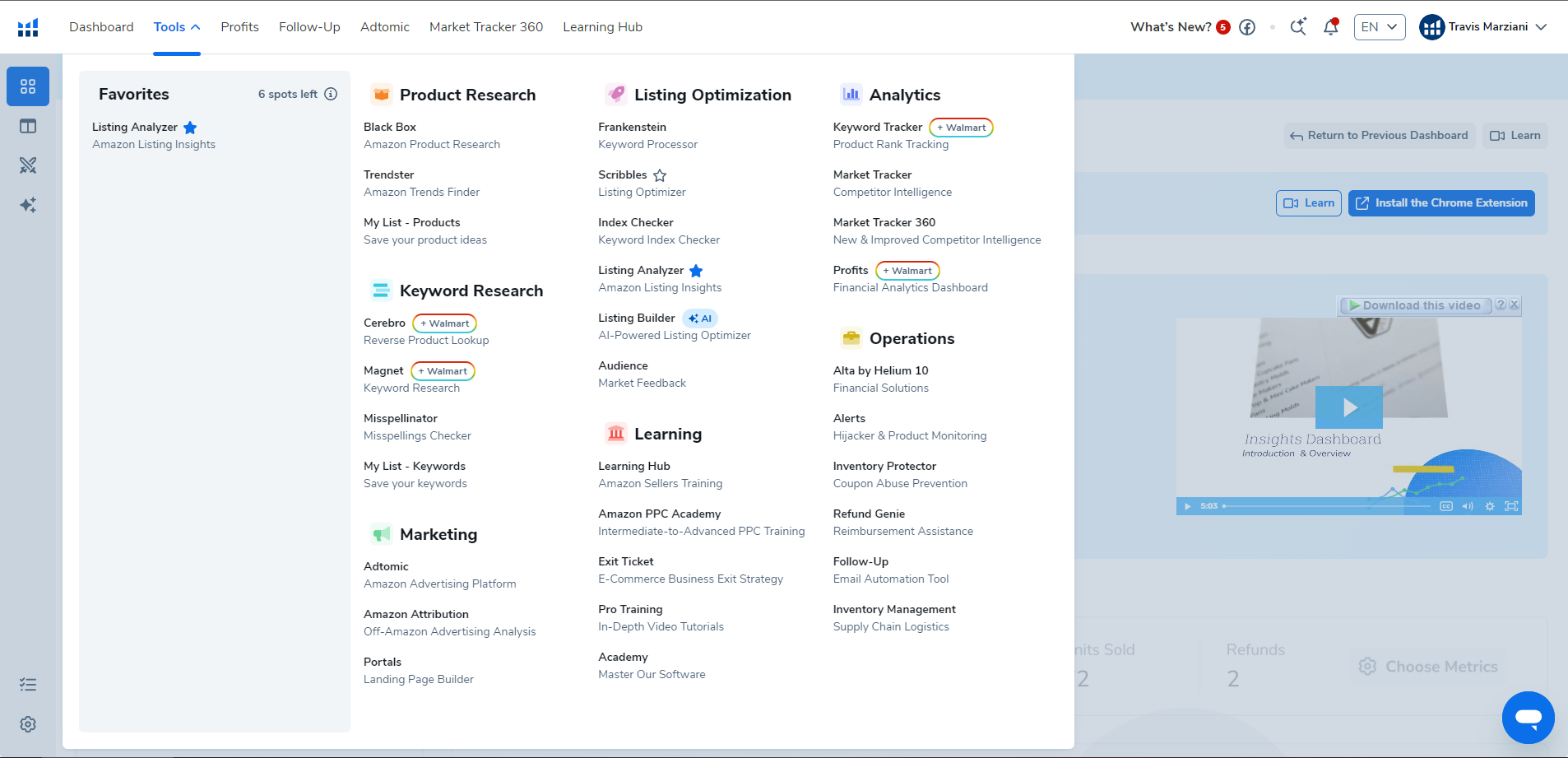
Amazon operates fundamentally as a search engine where customers actively look for products they want to buy. Unlike social media platforms where you interrupt people, Amazon captures buyers with high purchase intent. They’re not browsing aimlessly, they’re searching for specific solutions to their problems. This critical distinction makes keyword research incredibly powerful for Amazon FBA product research.
When customers type queries into Amazon’s search bar, they reveal exactly what they’re trying to find. Your job is identifying keywords with sufficient demand but limited competition. The Magnet tool excels at this by showing you search volumes, competition levels, and related keywords all in one place. Starting with a seed keyword, Magnet expands your view to show hundreds of related opportunities you might never have considered.
Step-by-Step Magnet Tool Process
Begin by entering a seed keyword related to your interests, perhaps “keto nut butter,” “life straws,” or “tallow.” Once Magnet returns results, immediately apply filters to narrow down viable opportunities. First, set minimum search volume to 300 monthly searches. While this might seem low, 300 targeted searches from ready-to-buy customers can absolutely support a profitable product, especially when you rank for multiple related keywords.
Next, look for keywords where the Magnet IQ score exceeds the search volume by at least 3x. This score represents the opportunity versus competition ratio, higher scores relative to search volume indicate less competition. Additionally, filter for word counts between 2-5 words, which keeps keywords from being too generic or overly specific. Finally, exclude brand names since you can’t manufacture Nike shoes or other trademarked products. Apply these filters, and you’re ready to start your treasure hunt.
Real Product Opportunities Uncovered
Let’s examine actual opportunities discovered using this method. Searching “life straws” and applying our filters revealed “nuclear war survival kit” with 300 monthly searches and a Magnet IQ score of 2,000, nearly 9 times the search volume. The CPR (sales needed in 8 days to rank on page one) showed just 8, meaning approximately one sale per day gets you ranked. Looking at actual results, plenty of generic survival kits appeared, but nothing specifically branded for nuclear preparedness. Adding nuclear-themed elements and targeted branding creates instant differentiation.
Similarly, exploring “tallow” uncovered fascinating opportunities. “Wagyu fat” showed 332 monthly searches with a Magnet IQ score exceeding 6,600, over 20 times the search volume. “Duck fat spray for cooking” revealed 400 searches with a 6,000 Magnet IQ score, capitalizing on the growing trend of people eliminating seed oils. Even “algae cooking oil” with 6,600 searches showed remarkably low competition given its volume. The second-ranking product had zero reviews, representing a massive opportunity for someone willing to enter this emerging category.
Understanding Key Metrics
CPR, or Child Performance Rating, tells you how many sales you need within 8 days to rank on the first half of page one. A CPR of 8 means roughly one sale per day, highly achievable through friends, family, and a small pre-launch group. This metric helps you understand the effort required to gain initial traction in a keyword.
Search volume stacking multiplies your potential considerably. You never rank for just one keyword. For example, if you create a “nuclear war survival kit,” you’ll likely also rank for “emergency survival backpack,” “disaster preparedness kit,” “radiation emergency supplies,” and numerous other related terms. Stack five keywords averaging 300 searches each, and suddenly you’re targeting 1,500 monthly searches. This stacking effect explains how products with modest primary keyword volumes generate substantial revenue.
Method #2: The Bestseller Method
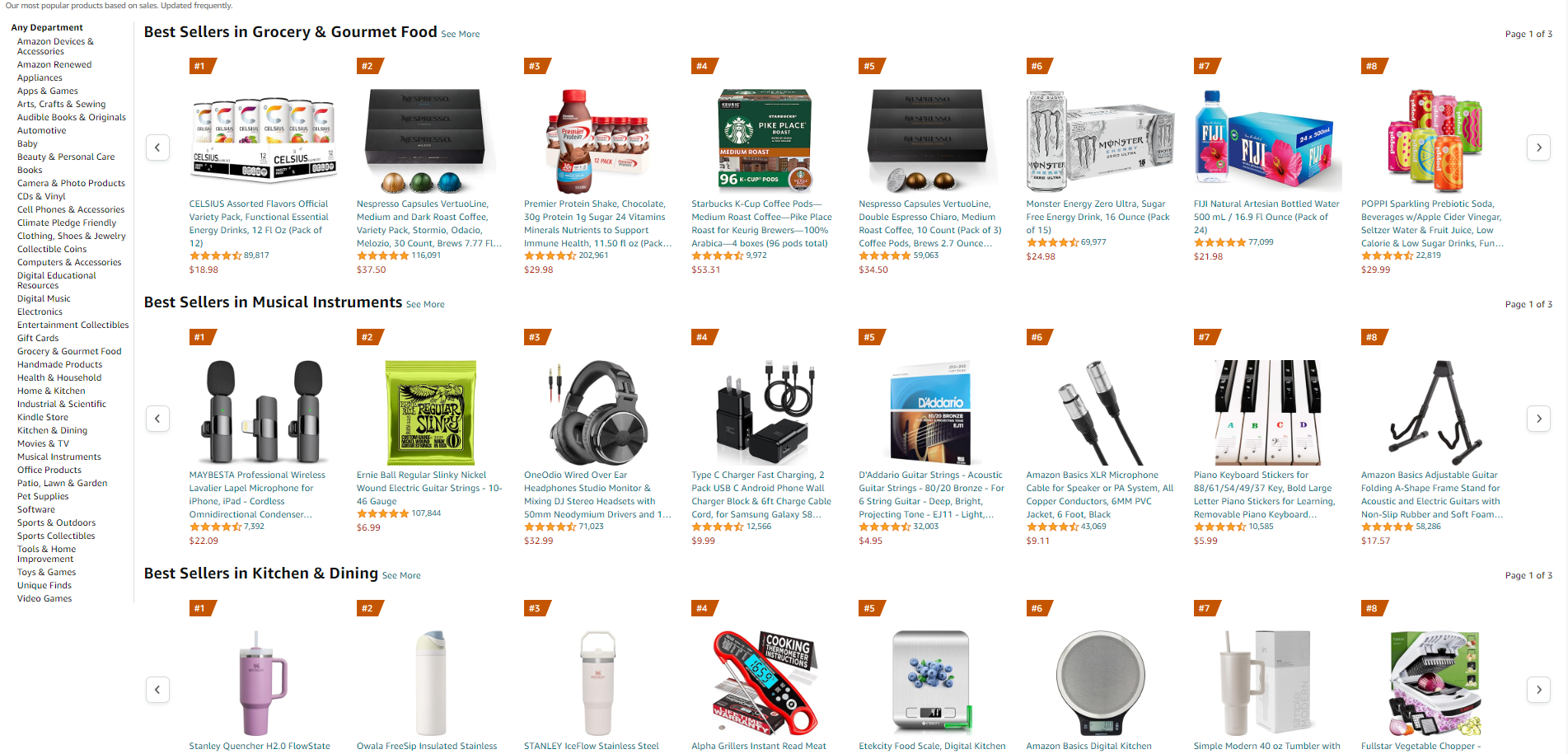
Amazon generously provides bestseller data completely free, making this method accessible to everyone regardless of budget. Navigate to the “Best Sellers” tab on Amazon’s homepage to see what’s currently selling in massive volumes. While top bestsellers typically feature established brands like Stanley cups that you can’t easily compete against, this tab still offers valuable insights into consumer preferences and trending categories.
The real magic happens when you click over to “New Releases.” This section showcases products launched within the last 60 days that are already gaining traction. These recently launched products prove that new sellers can still succeed in their categories. More importantly, they often reveal emerging trends before they become oversaturated, giving you a window of opportunity to enter growing markets.
Strategic Category Selection
Focus your attention on categories like Home & Kitchen, Pet Supplies, and Sports & Outdoors where independent sellers frequently succeed. These categories offer diverse subcategories with room for differentiation and niche products. However, immediately skip anything seasonal, like Christmas decorations or Halloween costumes. While seasonal products can generate quick bursts of revenue, they create feast-or-famine cash flow that makes business planning difficult.
Instead, concentrate on evergreen products that sell consistently year-round. A dog training tool that sells in January will likely sell in July too. A camping accessory might fluctuate slightly with seasons but maintains baseline demand throughout the year. This consistency allows you to build predictable revenue streams and manage inventory more effectively.
Successful Product Examples
Diving into Pet Supplies New Releases reveals immediate opportunities. Dog ear finger wipes caught attention with just 54 reviews yet over 600 sales in the past month. At roughly $10 per unit, this seller generated over $6,000 monthly revenue from a relatively simple product. When you combine their 100-count and 150-count variations, the total revenue likely climbs significantly higher.
Switching to Sports & Outdoors uncovered a USB pedometer selling at $15 with over 1,000 monthly sales, translating to $15,000 in monthly revenue. These examples demonstrate that you don’t need to invent revolutionary products to succeed. Often, you just need to identify what’s already working and find ways to improve upon it or serve a more specific audience.
Using Helium 10 for Year-Round Validation
While the bestseller method identifies opportunities, you need to verify that demand persists year-round. Return to Helium 10‘s Magnet tool and enter the product’s primary keyword. Click the trend graph icon next to search volume to see historical patterns. For instance, checking “duck fat” revealed an upward trend possibly driven by New Year’s resolutions and increased interest in eliminating seed oils from diets.
Expand the timeline to view all-time trends and distinguish between sustainable growth and temporary spikes. A keyword showing consistent upward movement over several years indicates a strengthening market. Conversely, a keyword that spiked once then crashed back down signals a fad you should avoid. This validation step prevents you from launching products based on temporary bestseller status that won’t sustain your business long-term.
Method #3: Black Box Product Finder
Solution for Zero Starting Ideas
The Magnet tool works brilliantly when you already have seed keywords to explore. But what happens when you’re starting completely from scratch with zero ideas? That’s precisely where Black Box shines. This tool scans Amazon’s entire catalog based on your criteria and surfaces products meeting your specifications, even when you don’t know what you’re looking for yet.
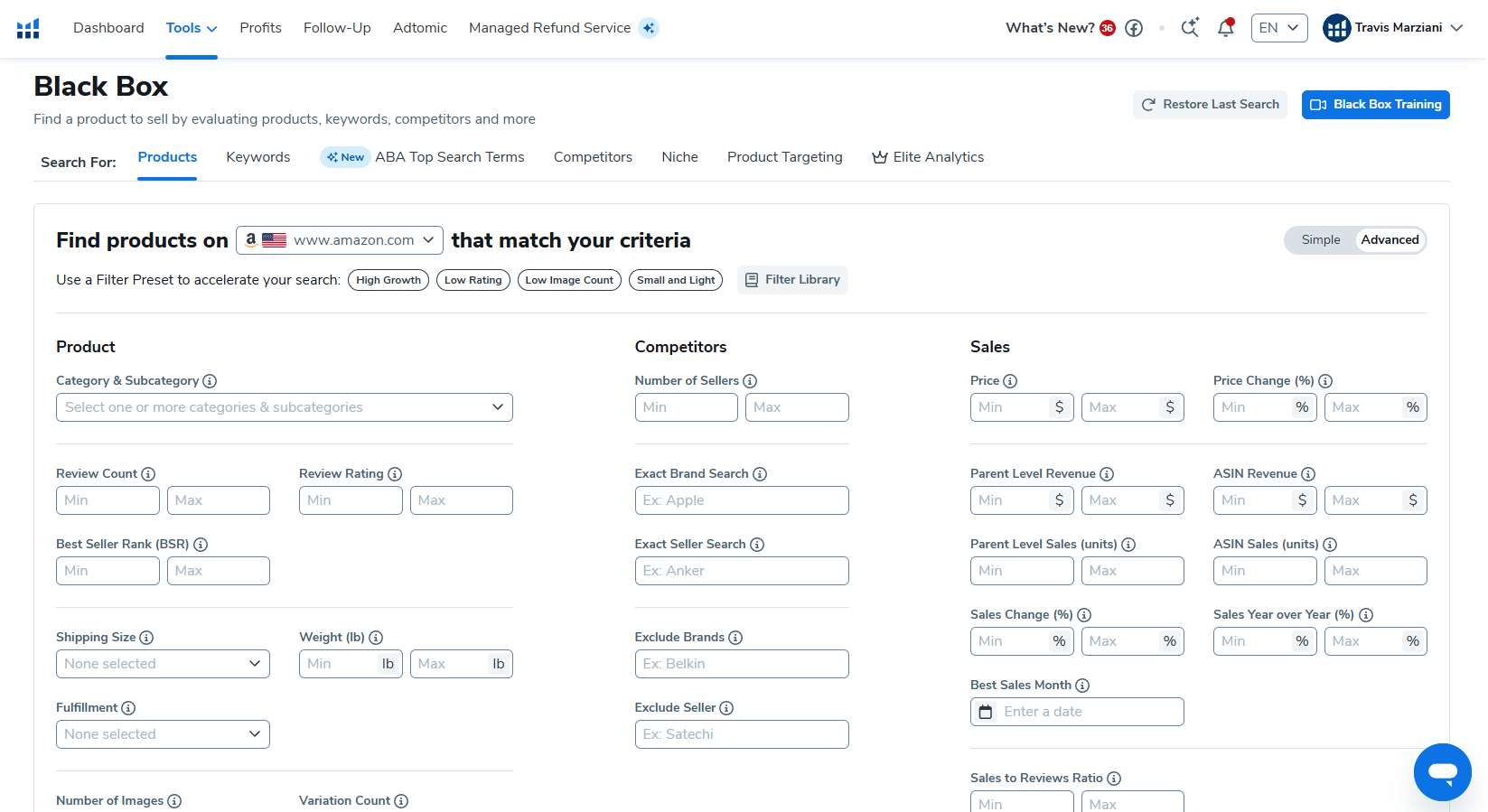
Black Box offers both “Simple” and “Advanced” modes. Despite the name, Advanced mode isn’t actually complicated, it just provides more filter options. Therefore, jumping straight to Advanced mode makes sense for thorough Amazon FBA product research. You’ll also see tabs for “Products” and “Keywords.” Start with Products to find actual items selling on Amazon, then use Keywords to discover search terms worth targeting.
Optimal Filter Configuration
Begin by selecting categories where you want to sell. Pet Supplies and Sports & Outdoors consistently offer opportunities for independent sellers, so they’re safe starting points. You can drill down further into subcategories like outdoor recreation or specific pet types if you want to narrow your focus. However, avoid categories like automotive parts (too technical), electronics (too competitive), and CDs & vinyl (declining market).
Setting review rating to a maximum of 4.2 stars creates one of your biggest competitive advantages. Products rated 4.2 or below round down to 4 stars in Amazon’s display. This means if you enter the market with a genuinely 5-star product, you immediately stand out. Next, cap review count at 1,000 (or preferably 400) because higher review counts make ranking extremely difficult. For price, stick to the $15-$85 sweet spot, below $15 leaves insufficient profit margin, while above $85 reduces impulse buying behavior. Finally, set parent level revenue between $3,000-$100,000 monthly to ensure viable markets without overwhelming competition.
Product Discovery Examples
Applying these filters surfaced a portable bidet selling at $17.99 with approximately $24,000 in monthly sales across all variations. The leading product had just a 4.1-star rating (displaying as 4 stars) yet still generated over 300 sales monthly, roughly $5,000 in revenue. Reading through reviews revealed specific complaints: “twist mechanism poorly constructed,” “stopped working after two weeks,” and size smaller than expected. These reviews essentially provide your product development roadmap. Take these exact problems to manufacturers, solve them, and enter the market with a superior 5-star product.
Scrolling further revealed an inflatable snowmobile sled priced at $30 generating over $6,000 monthly despite a terrible 3.7-star rating (displaying as 3.5 stars). Customer reviews pinpointed issues: won’t stay inflated more than a few minutes, inflation valves missing, much smaller than advertised. Again, these problems present your opportunity. Partner with a quality manufacturer, improve these specific weaknesses, provide excellent customer service (offering proactive refunds before customers leave 1-star reviews), and you’ll capture market share from inferior products.
Keywords Tab Alternative Approach
Switching to the Keywords tab with identical filters generates keyword-based opportunities instead of specific products. You might see keywords like “durable tennis balls for dogs” or “cool dog collar” that pass all your criteria. The beauty of this approach lies in combining it with other methods. Take any promising keyword from Black Box, plug it into the Magnet tool, and conduct comprehensive competitive analysis. This integration between tools creates a research workflow more powerful than using any single tool alone.
Method #4: Cerebro Reverse ASIN Lookup
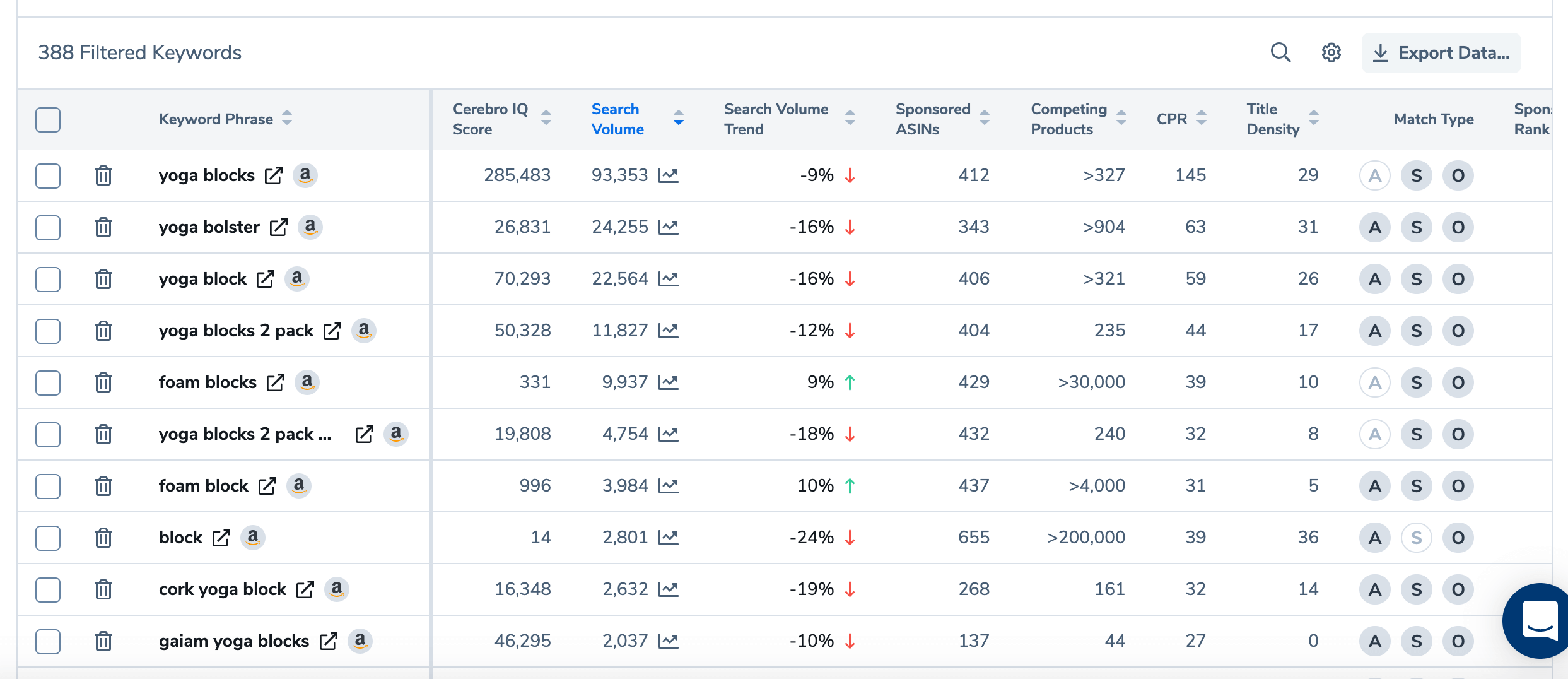
Cerebro enables you to peek behind the curtain of successful products and understand exactly which keywords drive their sales. Every product on Amazon has an ASIN (Amazon Standard Identification Number). Feed any ASIN into Cerebro, and it reveals all the keywords that product ranks for, along with each keyword’s search volume and competition level.
This reverse engineering approach helps you in two powerful ways. First, if you find a successful product, you can identify the keywords contributing to its success and target those same terms with your improved version. Second, you can discover adjacent opportunities, related keywords where competition remains low but search demand exists. Rather than copying products directly, you’re finding gaps in the market that successful products haven’t fully exploited.
Finding and Using ASIN Numbers
Locating a product’s ASIN takes seconds once you know where to look. The easiest method is checking the URL bar while viewing any product page, the ASIN appears right in the web address. Alternatively, if you have the Helium 10 Chrome extension installed, it displays the ASIN prominently at the top of every product page. Finally, you can simply search the page for “ASIN” using your browser’s find function (Ctrl+F or Cmd+F), and it will highlight the number in the product details section.
Once you’ve copied the ASIN, navigate to Cerebro in Helium 10 and paste it into the search field. Within seconds, Cerebro generates a comprehensive list of every keyword that product ranks for, complete with metrics like search volume, Cerebro IQ score (similar to Magnet IQ), and CPR. Now you can apply your familiar filters to identify the best opportunities within that data.
Real Discovery Examples
Analyzing a USB pedometer revealed “shoe pedometer” as a fascinating opportunity, 350 monthly searches with a Cerebro IQ score of 2,800 (8x the search volume) and a CPR of just 8. Clicking through to Amazon showed ankle pedometers and wrist-worn options, but nothing specifically designed to slip inside a shoe. Creating this simple variation opens an entirely new micro-niche with virtually zero competition.
Similarly, “pedometer for seniors” appeared with 350 monthly searches, a Cerebro IQ score exceeding 1,050, and again just a CPR of 8. Examining current results showed generic pedometers, but nothing specifically marketed toward seniors. Imagine redesigning the product with larger displays, simplified instructions, senior-focused packaging imagery, and even calling it “Senior Pedometer.” This minor repositioning differentiates your product in a market with clear demand but no tailored solutions.
The Keyword Stacking Strategy

Understanding keyword stacking transforms how you evaluate opportunities. You never rank for just one keyword, successful products rank for dozens or even hundreds of related terms. A “pedometer for seniors” will also rank for “senior pedometer,” “pedometer for older adults,” “easy-read pedometer,” “large display pedometer,” and many more variations. Each additional keyword compounds your traffic and sales potential.
Consider stacking five keywords that each generate 350 monthly searches. That’s 1,750 total monthly searches driving traffic to your product. If you achieve just a 5% conversion rate (quite achievable with a well-optimized listing), you’re looking at 87 monthly sales. At a $20 price point, that’s $1,740 monthly revenue from what initially seemed like modest search volumes. This multiplication effect explains why experienced sellers get excited about multiple 300-search keywords rather than chasing single 5,000-search keywords with intense competition.
Launch Strategy for Non-Competitive Niches
Breaking into non-competitive niches requires much less effort than fighting in saturated markets. When you’re the only product truly targeting “pedometer for seniors,” you don’t need expensive PPC campaigns to rank. Instead, focus on a strong launch week. Mobilize friends and family to purchase your product, engage a small pre-launch group from Facebook or email lists, and maintain consistent daily sales for 7-10 days.
This initial momentum signals to Amazon’s algorithm that customers want your product, triggering organic ranking improvements. Since you’re targeting keywords with minimal competition, you’ll quickly rise to the top of search results. Once ranked, you maintain those positions with steady sales, and the flywheel effect takes over, more visibility generates more sales, which maintains your rankings. This approach works infinitely better than launching generic products where you’re buried on page 10 without massive ad spend.
Method #5: The Search Bar Method
Amazon’s search bar functions as a direct line into customer minds. As you type, Amazon displays the top 10 most popular searches beginning with those letters. This auto-suggest feature draws from billions of customer searches, showing you exactly what people want right now. Unlike keyword tools that aggregate historical data, the search bar reflects real-time consumer behavior.
This free research method requires zero tools or subscriptions, just Amazon.com and curiosity. The beauty lies in its simplicity and accuracy. These suggested searches represent actual customers with actual buying intent, not theoretical demand. When Amazon suggests “dog treats” as a top search, thousands of people are literally searching for that term daily and ready to make purchases.
Step-by-Step Search Bar Exploration
Start by typing a single letter into Amazon’s search bar. Let’s try “D.” Instantly, Amazon suggests dog treats, dash cam, dog food, desk, and other high-volume searches. Already, you’re seeing what’s popular. Now add a second letter: “DO.” The results narrow to dog-specific products, dog food, dog bed, dog toys. Add a third letter: “DOD” reveals Dodgers merchandise and dodgeballs.
Alternatively, try “DOL” to uncover dolls, dollhouses, and dollar store items. The key is exploring multiple paths from the same starting letters. Each path reveals different product categories and opportunities. Going three or four letters deep uncovers more specific, less competitive keywords that many sellers overlook.
Real Success Story: Berberine Tea
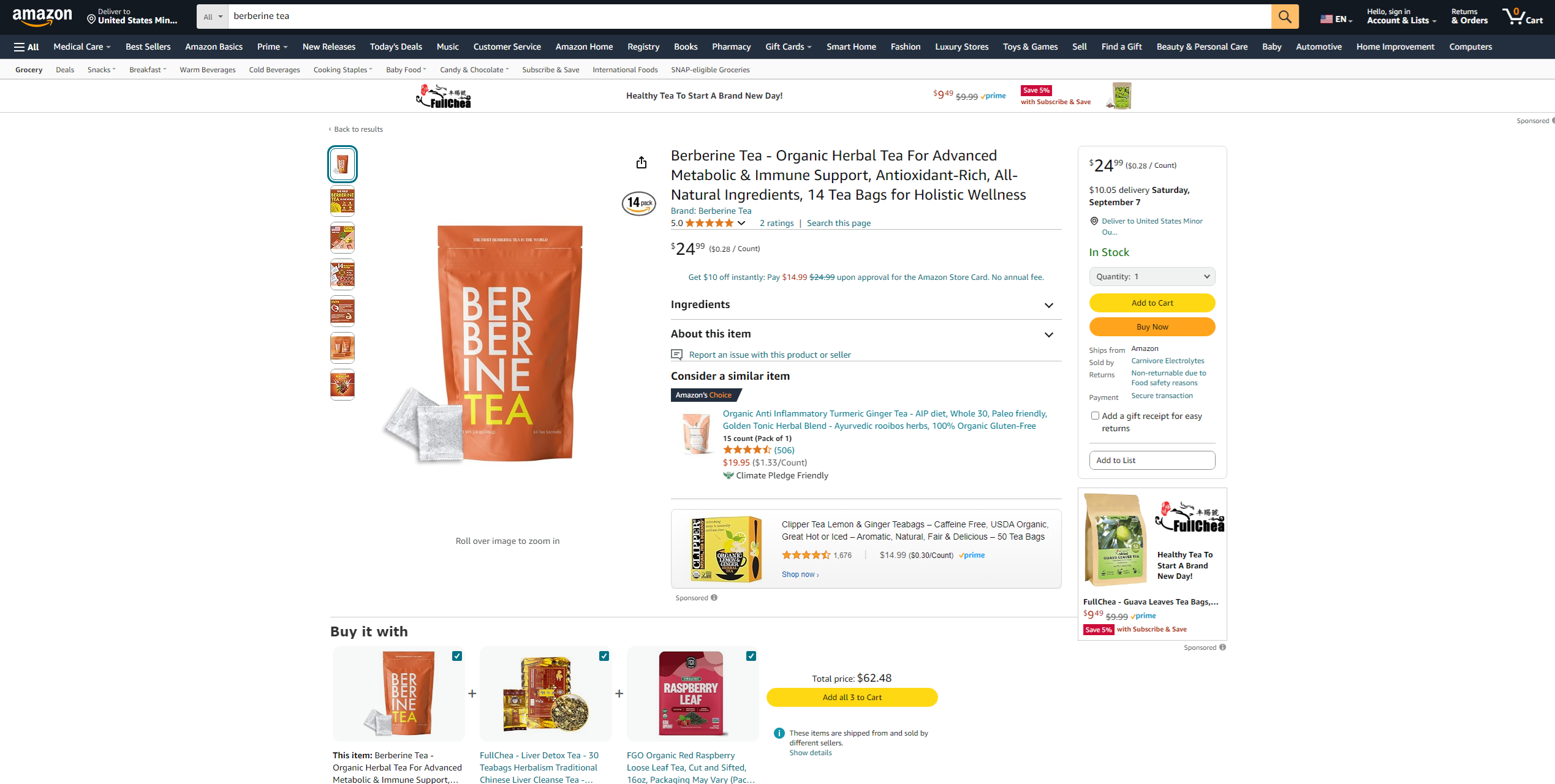
This exact method led to discovering berberine tea, a product now generating consistent passive income. Initially typing “B” revealed berberine ranking as the #1 auto-suggest result (it was #5-6 when first discovered, showing how the trend has strengthened). Intrigued by this unfamiliar term, further exploration typing “BERT” revealed “berberine tea” with virtually no competition.
Launching Berberine Tea based on this simple discovery now generates over $2,000 monthly revenue with 83+ sales at roughly $24 per unit. More impressively, this product runs on complete autopilot, zero PPC spending, minimal customer service, and zero ongoing work. With over 50% profit margins and less than $3,000 in startup costs, the product delivers $1,000+ in truly passive monthly income. This represents the power of finding underserved niches through basic Amazon FBA product research.
The Private Label Trap Explanation
The old private label model fails because it creates zero differentiation. Imagine finding a frying pan on Alibaba, adding your logo, and listing it on Amazon. Why would anyone buy your generic frying pan instead of hundreds of identical options? They wouldn’t, unless you slash prices or spend heavily on PPC. Even then, Chinese sellers will always undercut your pricing since they avoid international shipping and tariff costs.
This race to the bottom destroys profit margins. You find yourself spending $5 in PPC to make a $7 sale with $6 in costs, netting just $1 per unit if you’re lucky. Scale that to 100 monthly sales, and you’re working hard for minimal reward. Instead, the search bar method combined with niche targeting lets you create unique products serving specific audiences. When you’re the only berberine tea or the only nuclear survival kit targeting that exact need, customers choose you by default, and your margins stay healthy.
Method #6: Google Trends + Keyword Planner

Google Trends for Market Timing
Google Trends offers free access to search interest data spanning years or even decades. While Google and Amazon operate as separate platforms, consumer interest trends transfer across both. When people become interested in carnivore diets or berberine supplements, they research on Google and then buy on Amazon. Therefore, Google Trends provides leading indicators of Amazon demand.
The interface makes exploration intuitive. Visit trends.google.com and enter any keyword to see its search popularity over time. You can adjust timeframes from past 90 days to past 5 years or even 2004-present for maximum historical context. Additionally, you can compare multiple keywords simultaneously to identify which trends are strengthening versus weakening.
Trend Analysis Examples
Searching “berberine” reveals fascinating patterns. Virtually zero interest existed from 2012-2015. Then suddenly, likely triggered by media coverage on shows like Oprah or Dr. Phil, search interest spiked dramatically. Rather than crashing back down, interest maintained elevated levels, indicating genuine sustained demand rather than a short-lived fad. Launching a berberine product during or after this spike meant riding a genuine trend wave.
Examining “carnivore diet” shows even more dramatic growth. The 5-year view displays an all-time spike happening right now. Zooming out to 2004-2024 reveals this trend only recently emerged and is still accelerating. This timing explains why Carnivore Electrolytes launched at the perfect moment, catching a trend during its growth phase, not after everyone already jumped in.
Comparing diet trends reveals strategic insights. The “keto diet” peaked around 2019-2020, exactly when Performance Nut Butter launched and capitalized on peak interest. As keto search interest declined, the company was sold (smart exit timing before riding the trend downward). Meanwhile, “vegan diet” shows consistent seasonal spikes every January when people make New Year’s resolutions but maintains relatively flat interest otherwise. In contrast, “carnivore diet” demonstrates explosive sustained growth, clearly indicating where the opportunity lies for new products in 2025.
Cross-Platform Validation
Remember that Google Trends data, while from a different platform, accurately reflects broader consumer interest that translates to Amazon demand. Both platforms capture the same consumer base following the same macro trends. A rising tide on Google lifts boats on Amazon too. Use Google Trends for directional guidance about whether a market is growing, stable, or declining, not for exact search volume numbers.
This validation step prevents costly mistakes. Imagine spending months developing a product for a declining market because you only checked Amazon data from a single snapshot in time. Google Trends would reveal that the market peaked two years ago and has been shrinking ever since. Conversely, finding a keyword with modest Amazon search volume but explosive Google Trends growth signals you’re early to an emerging opportunity, the best possible timing.
Method #7 (BONUS): Exploding Topics

Exploding Topics takes trend discovery to the next level through professional curation. Rather than manually searching for trends, their team identifies products and topics experiencing explosive growth right now. Think of it as having trend researchers working for you, surfacing opportunities you’d never find through manual searching. They offer both free trends on their homepage and advanced features through paid subscriptions.
Each trend displays growth metrics, current search volume, and trajectory graphs. Their growth percentages immediately show which topics are exploding (99x growth in one year) versus growing steadily. This curated approach saves enormous time compared to randomly exploring trends yourself. Within minutes of browsing their homepage, you’ll encounter multiple product ideas worth deeper investigation.
Current Explosive Opportunities
Scrolling through Exploding Topics reveals shilajit honey showing 99x growth in the past year with solid search volume trending sharply upward. The Pro subscription would let you see AI-powered forecasts predicting whether this growth continues or levels off. Even without the paid tier, you can see this represents a product category experiencing extraordinary momentum right now.
Loop earplugs appear as another opportunity, specialized noise protection designed for specific use cases rather than generic foam earplugs. The trend graph shows continuous spiking growth, suggesting sustained interest rather than a quick fad. Meanwhile, bamboo pajamas demonstrate 1,600% growth in the past year, though this broad category requires niching down to find your specific angle within the larger trend.
Method Combination Power
The real power emerges when combining Exploding Topics with your other Amazon FBA product research tools. Spot “bamboo pajamas” trending on Exploding Topics, then immediately plug that keyword into Helium 10‘s Magnet tool. Within seconds, you’ll see search volume, competition metrics, and related keywords like “bamboo pajamas for women,” “cooling bamboo pajamas,” or “bamboo pajamas for night sweats.” Maybe “bamboo pajamas” itself is too competitive, but “bamboo pajamas for hot flashes” shows low competition and sufficient demand.
This workflow discover trends, validate demand, analyze competition, identify sub-niches, creates a systematic approach to finding winners. You’re not gambling on random product ideas. Instead, you’re following a data-driven process that stacks probabilities in your favor. Each method reinforces the others, building conviction before you invest thousands in inventory.
The Passion Product Philosophy

Passion products flip this model entirely. Instead of finding generic items to label, you create products you genuinely care about serving markets you understand. Travis’s journey illustrates this perfectly. BE Dancewear, his first venture, sold dance clothing, a category he knew nothing about and felt no passion for. Consequently, he couldn’t innovate or improve products meaningfully, and the business plateaued.
Performance Nut Butter emerged from genuine passion for fitness and the keto diet. This personal interest enabled him to recognize a gap, no premium nut butter existed for health-conscious consumers tired of sugar-loaded alternatives. Creating the exact product he wanted to buy for himself, Travis launched into a market he essentially created. First-year sales hit $1.3 million because the product filled a genuine need with authentic branding, not because of PPC spending.
Carnivore Electrolytes followed the same philosophy. As believers in the carnivore diet’s benefits, developing a perfectly formulated electrolyte supplement for that community came naturally. Since no other product specifically targeted carnivore dieters, they created and owned that entire niche. The business now expands beyond Amazon into retail because the product genuinely serves its audience better than generic alternatives.
Combining Methods with Passion
Passion doesn’t mean ignoring data or chasing unprofitable hobbies. Instead, use these seven Amazon FBA product research methods to find where your interests intersect with market demand. Love fitness? Run “workout recovery” through Magnet. Interested in cooking? Explore “cooking oil” trends on Google Trends and Exploding Topics. Passionate about pet care? Use Black Box to find underserved niches in Pet Supplies.
This intersection between passion and data creates sustainable competitive advantages. You bring authentic knowledge that generic sellers can’t match. You’ll naturally understand customer pain points, quality standards, and marketing messages that resonate. Meanwhile, data validation ensures sufficient demand and manageable competition. You’re not blindly chasing passion projects, you’re strategically building businesses around topics you’ll actually enjoy working on long-term.
Proven Passion Product Success Stories
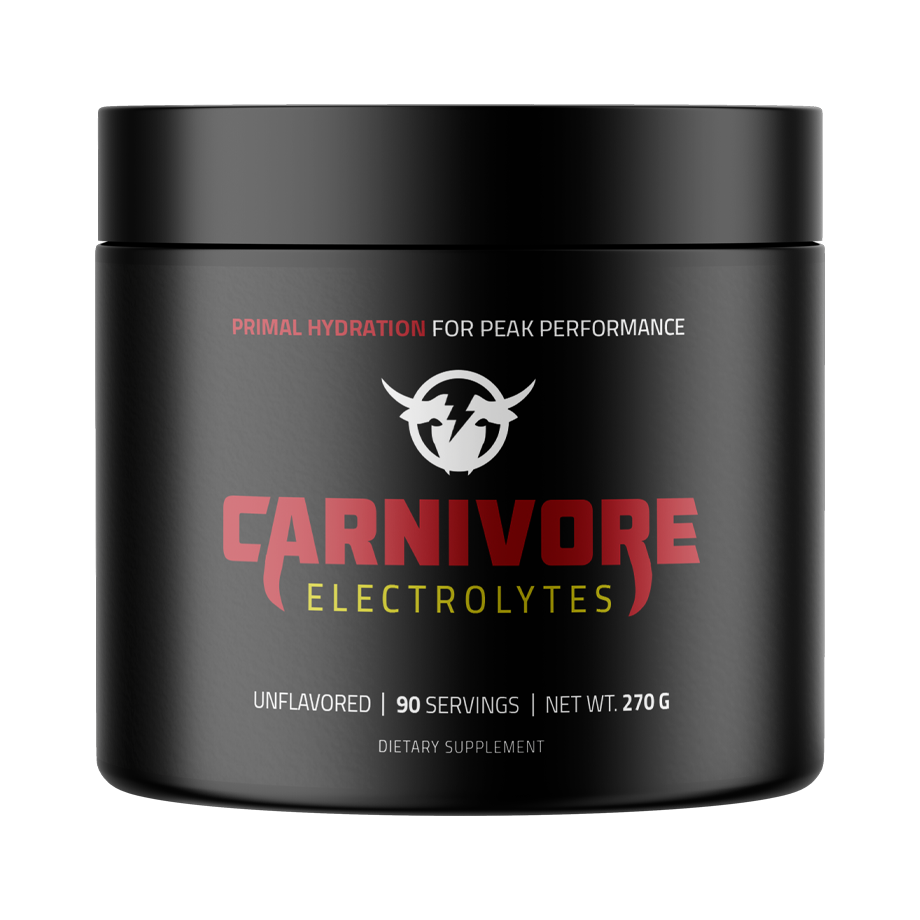
Performance Nut Butter demonstrated the model with $1.3 million in year-one sales. Carnivore Electrolytes continues growing beyond Amazon into retail distribution. Berberine Tea generates $1,000+ monthly passive income with minimal effort. These in-house successes prove the concept, but student results show anyone can replicate this approach.
Brent launched Seer Pro and now generates over $1 million annually on Amazon alone while expanding into retail, all while maintaining his full-time job. AJ created Cocktail Cards based on his bartending passion and built it to $500,000+ annual sales, starting with basically zero capital by using Kickstarter funding. Will combined his interest in energy optimization with emerging caffeine trends to create Rocket Tea, the highest caffeine tea on the market, generating thousands in profit. Andrew solved his own problem organizing tools and turned Tool Wrangler into $300,000+ in sales over four years. Mina launched Hard Work Electrolytes and went from $50,000 first-year profit to six and seven figures currently.
These success stories share common threads: genuine passion for the category, products that didn’t exist before, and markets they created rather than competed in. None of them succeeded by finding generic products on Alibaba. They all built something meaningful that they’re proud to sell, and that pride translates into better products, better marketing, and ultimately better results.
Taking Action: Your Next Steps

Immediate Action Items
Stop consuming information and start implementing. First, sign up for Helium 10 immediately using h10code.com to secure your 20% discount. The 7-day money-back guarantee eliminates risk, so there’s no reason to delay. Second, choose 2-3 research methods from this guide that resonate with your working style. You don’t need to master all seven simultaneously, start with methods that feel most accessible and build from there.
Third, block dedicated time for actual research, not just learning about research. Schedule 3-5 hour blocks where you’ll dive into Magnet or Black Box and actually explore opportunities. Finally, start building your product idea list. Don’t wait for the “perfect” idea, document 10-15 possibilities, then systematically validate each one using multiple methods until you find your winner.
The Research Mindset

Embrace the treasure hunt mentality. Most ideas won’t work, and that’s completely normal and expected. Successful sellers don’t find winners on their first try, they systematically eliminate bad ideas until they uncover good ones. The process requires patience, but finding the right product justifies every hour invested. Would you rather spend 40 hours finding a product that generates $5,000 monthly for years, or rush into a bad product that costs you $10,000 in losses?
Stay enthusiastic throughout the process. Amazon FBA product research can actually be fun when you approach it with curiosity rather than pressure. You’re essentially exploring consumer behavior, emerging trends, and business opportunities, fascinating topics when you’re not stressing about perfection. Let yourself enjoy discovering weird niches like “nuclear war survival kits” or “duck fat spray.” That enthusiasm will serve you well when you eventually market your chosen product.
Combining Your Passion with Data
List 5-10 topics you genuinely care about like hobbies, interests, dietary preferences, fitness activities, pets, or problems you’ve personally solved. Run each topic through Magnet to see what keywords and products emerge. Check Google Trends to identify which of your interests align with growing consumer demand. Browse Exploding Topics for trends you hadn’t considered but find genuinely interesting.
Look for the sweet spot where your passion intersects with demand, low competition, and healthy profit margins. This intersection creates unfair advantages. You’ll outwork and out-innovate competitors who are just chasing money without genuine interest. Your authentic enthusiasm will shine through in your branding, customer service, and product development. Data validates that customers want what you’re creating, while passion ensures you’ll persist through challenges that make opportunistic sellers quit.
Additional Support Available
The Passion Product Formula program provides comprehensive training on every aspect of launching successful Amazon products. You’ll get access to resources like keyword ranking workbooks that estimate monthly sales based on your ranking positions, sales estimator tools, and step-by-step launch frameworks. Beyond information, you’ll join a community of sellers implementing these exact strategies and supporting each other through the journey.
Additionally, we’re opening limited one-on-one coaching spots for sellers serious about building sustainable Amazon businesses in 2025. These personalized sessions address your specific situation, products, and challenges. If you’re ready for direct support and accountability, apply for a free consultation call using the link below. During this call, we’ll assess whether the Passion Product Formula is right for you and discuss your path to Amazon success.
Your Path Forward Starts Now

Amazon FBA product research transforms from overwhelming obstacle to exciting opportunity when you have proven methods to follow. You now possess seven distinct approaches-keyword research through Magnet, bestseller analysis, Black Box product discovery, Cerebro reverse engineering, search bar exploration, Google Trends validation, and Exploding Topics trend spotting. Each method offers unique strengths, and combining them creates a research process more powerful than any single approach alone.
Remember that your product choice literally determines everything else about your Amazon business. Profit margins, customer satisfaction, marketing costs, long-term sustainability, all flow from this single decision. Therefore, investing time in thorough Amazon FBA product research pays dividends for years. Rush this step, and you’ll struggle indefinitely. Get it right, and you’ll enjoy the smooth sailing that attracted you to Amazon in the first place.
The success stories shared throughout this guide, from Performance Nut Butter to Seer Pro to Cocktail Cards prove that real people build real income through passion products. These aren’t lottery winners or outliers. They’re ordinary individuals who followed systematic processes, combined their interests with data, and created products serving genuine needs. Your success story could be next, but only if you take action rather than just consuming information.
The shift from generic private label to meaningful passion products represents the future of sustainable Amazon selling in 2025. Chinese competitors will continue dominating generic products, but they can’t replicate your authentic passion and unique perspective. Start your Amazon FBA product research today, trust the process, and build something you’ll actually be proud to sell. Apply for your free consultation call now and take the first step toward your Amazon success story.
Frequently Asked Questions
What is the best method for Amazon FBA product research if I’m a complete beginner?
Start with the Bestseller Method combined with basic Magnet tool exploration. The Bestseller Method requires zero tools, just browse Amazon’s New Releases in categories like Pet Supplies or Sports & Outdoors to see what’s recently launched and selling well. This gives you concrete product examples to study. Then, sign up for Helium 10 using the discount at h10code.com and use Magnet to analyze keywords from products you found. This combination provides hands-on learning without overwhelming complexity, letting you understand Amazon’s marketplace while validating ideas with data.
How much search volume do I really need to make a product profitable on Amazon?
A minimum of 300 monthly searches for your primary keyword can absolutely support a profitable product, especially when you rank for multiple related keywords. Remember keyword stacking, you never rank for just one term. Five keywords with 300 searches each create 1,500 total monthly searches. With even a conservative 5% conversion rate, that’s 75 monthly sales. At a $20 price point with 30% profit margins, you’re generating $450 monthly profit from what initially seemed like modest volume. Focus on total searchable market across all keywords rather than fixating on a single keyword’s volume.
Do I need to spend money on Helium 10, or can I do Amazon product research for free?
You can absolutely start with free methods like Amazon’s Bestseller tab, New Releases, the search bar auto-suggest feature, and Google Trends. These provide genuine insights without any investment. However, Helium 10 dramatically accelerates your research and provides data you simply cannot access otherwise, exact search volumes, competition scores, CPR metrics, and comprehensive keyword lists. At $50 monthly with a 7-day money-back guarantee, it’s a minimal investment compared to the cost of launching the wrong product. Think of it as insurance against $5,000-$10,000 mistakes. Most successful sellers consider Helium 10 essential rather than optional.
What’s wrong with the traditional private label method that used to work on Amazon?
Private label finding generic products on Alibaba, adding your logo, and selling on Amazon, fails because it creates zero differentiation in increasingly competitive markets. When you sell identical frying pans or phone cases as 50 other sellers, customers choose based solely on price and reviews. Chinese manufacturers undercut you on price since they avoid international shipping and tariff costs. You’re forced into expensive PPC campaigns just to get visibility, eroding all profit margins. Recent tariff changes worsen this disadvantage for U.S. sellers. The model worked when Amazon was less competitive, but in 2025, you need actual differentiation through niche products, passion-driven branding, or genuine innovations.
How do I know if a trend on Google Trends or Exploding Topics will actually translate to Amazon sales?
Consumer interest trends generally transfer across platforms because Google and Amazon capture the same audience. When people become interested in carnivore diets or berberine supplements, they research on Google and purchase on Amazon. Look for sustained growth rather than quick spikes, a trend rising consistently over 6-12+ months indicates genuine demand, while a sudden spike that crashes back down signals a fad. Cross-validate by checking the keyword in Helium 10‘s Magnet tool. If Google Trends shows rising interest AND Magnet shows increasing search volume on Amazon with manageable competition, you’ve found a validated opportunity worth pursuing.
Can I really build a successful Amazon business while working a full-time job?
Absolutely. Brent built Seer Pro to over $1 million annually while maintaining his full-time job, and many other students have done the same. The key is choosing the right product, one in a non-competitive niche that doesn’t require constant PPC babysitting. When you’re the only product truly serving a specific audience (like “pedometer for seniors” or “carnivore electrolytes”), organic rankings maintain themselves with minimal ongoing effort. Initial setup requires focused work product development, launch planning, listing optimization, but once established, passion products often generate income with just 5-10 hours weekly of management. Start by blocking specific hours for Amazon work, and treat it as seriously as your day job during those blocks.
What if my passion or interests don’t seem related to physical products I can sell on Amazon?
Almost every interest connects to physical products when you think creatively. Love reading? Explore bookmarks, reading lights, book stands, or literary-themed gifts. Interested in meditation? Consider meditation cushions, singing bowls, or aromatherapy products. Passionate about gaming? Look at ergonomic accessories, cable management solutions, or display stands. The connection doesn’t need to be obvious, it just needs to exist. Use your seven research methods to explore keywords related to your interests, and you’ll discover product angles you never considered. Alternatively, focus on problems you’ve personally solved in your life those solutions often translate into products others need too.
How much money do I need to start an Amazon FBA business using these methods?
Budget requirements vary based on product type, but many successful passion products launch with $3,000-$5,000 total investment. This covers initial inventory (often 200-500 units), product photography, listing optimization, and a small launch budget for friends/family purchases. Some sellers like AJ used Kickstarter to fund product development with essentially zero upfront capital, proving the passion product model enables creative financing. Products requiring custom molds or complex manufacturing need larger budgets ($10,000+), while simpler products or those with existing suppliers need less. Start by validating your idea thoroughly, then work backward to determine actual costs rather than committing capital before completing Amazon FBA product research.