
Have you been thinking about starting an Amazon business? Do you keep wondering if you’ve missed your chance? You’re not alone. This question haunts thousands of aspiring entrepreneurs every single day. However, what if everything you’ve heard about Amazon being “saturated” is actually misleading? Here at the Passion Product team, we’ve generated over $1 million in sales from just eight products in the last two years. And it wasn’t luck.
Furthermore, we accomplished this success by implementing a specific strategy. Anyone can use this approach today, even complete beginners. The truth that nobody seems to be sharing is this: Amazon has never been more alive and profitable than it is right now. It’s simply evolved from what it used to be. Initially, I asked myself the same question. This was especially true after launching my first product, which ended up being a significant loss. Nevertheless, once I saw behind the curtains and started doing things the right way, everything changed.
In this article, I’m going to show you exactly why it’s not too late to start selling on Amazon. I’ll also explain why it’s actually easier than ever before. Moreover, I’ll reveal the tools and effective strategies that work in 2026. Throughout this journey, we’ll address the five major concerns that stop people from selling on Amazon. You’ll learn how to overcome each one. Most importantly, you’ll discover why the old methods no longer work and what you should be doing instead.
- The Amazon Evolution: Understanding the Landscape
- Understanding the Old Methods (and Why They're Struggling)
- The Game-Changing Strategy: Niche Branding Explained
- Seller Oversaturation Only Affects Generic Products
- Competitive Platforms Aren't the Threat They Seem
- Amazon Fees Are Manageable with the Right Strategy
- Startup Costs Are Lower Than You Think
- Recession Fears Are Overblown
- Your Path to Success in 2026
- Frequently Asked Questions
The Amazon Evolution: Understanding the Landscape
Amazon launched in July 1994. However, the real game-changer happened in 2000 when they opened their platform to third-party sellers. At that time, Amazon already had 20 million customers. This created a life-changing opportunity for people like you and me who wanted to sell online. Consequently, anyone could start selling on their platform and instantly gain access to millions of potential customers. Back then, you could sell almost anything and still make thousands of dollars easily. Competition simply didn’t exist the way it does today.
Since opening their gates to sellers like us, Amazon has experienced explosive growth. Currently, the platform hosts over 600 million products. It serves more than 300 million customers worldwide. Thanks to sellers who have built businesses on the platform, Amazon is projected to clear over $700 billion in sales this year alone. As a result, our opportunity has grown alongside the number of online shoppers, which continues to increase year after year.
However, this incredible growth ties directly back to the competition and seller oversaturation I mentioned earlier. Many people look at these numbers and immediately assume the marketplace has become too crowded to enter. Nevertheless, this assumption only holds true if you’re using outdated selling methods. The key to success in 2026 isn’t avoiding Amazon because of competition. Rather, it’s understanding how to navigate the evolved marketplace strategically.
The reality is that Amazon’s evolution has created new opportunities. These didn’t exist five or ten years ago. Meanwhile, sellers who stick to old strategies continue to struggle. They wonder why their businesses aren’t growing. Fortunately, there’s a clear path forward for those willing to adapt and learn the right approach.
Understanding the Old Methods (and Why They’re Struggling)
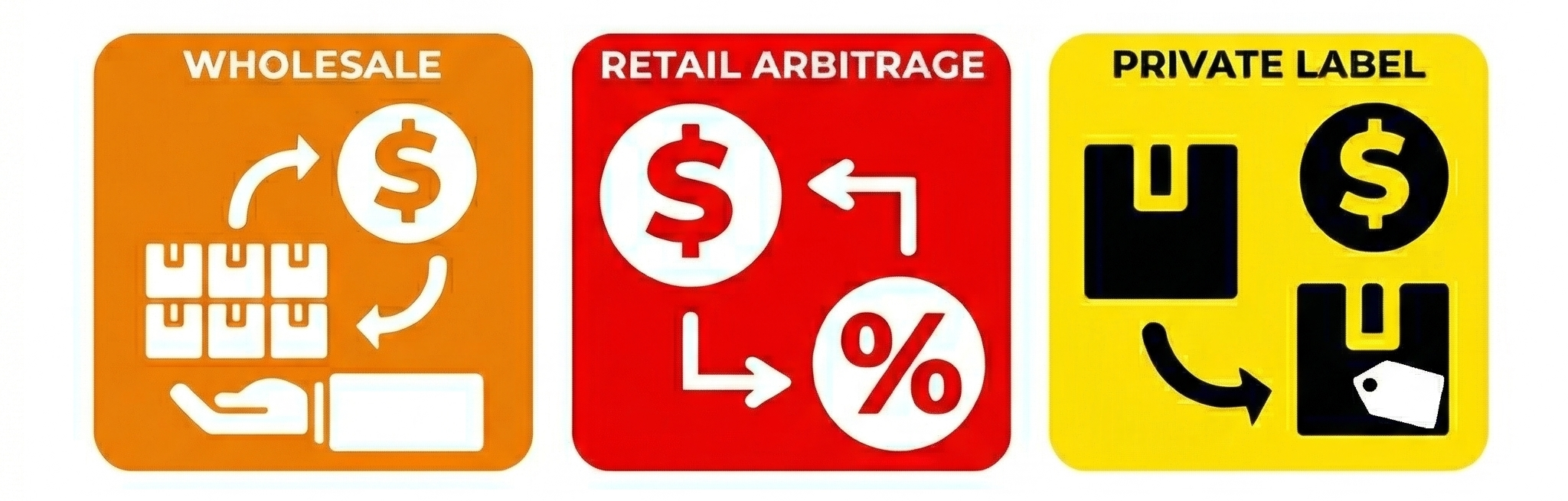
For years, Amazon sellers have relied on three main strategies to build their businesses. These are wholesale, retail arbitrage, and private label. Each method carries a different level of success in 2025 and therefore in 2026 as well. Understanding these approaches and their limitations is crucial. You need this knowledge before you invest your time and money into the wrong strategy.
Wholesale involves going to sites like GlobalSources.com and buying products in bulk at discounted prices. For example, you might purchase a humidifier for just $20. Then you sell it on Amazon for $80, keeping all the profit. On the surface, this sounds like a straightforward way to make money. However, the major problem with wholesale is simple. Everyone has access to the same suppliers and the same products. This creates intense competition.
Retail arbitrage requires you to spend time finding products being sold at a discount. You find them in retail stores or online, then resell them on Amazon for a profit. Consider this example: a cookware set selling on Walmart for $99 might be listed on Amazon for $220. You would buy it from Walmart and flip it on Amazon for the increased price. Nevertheless, in 2026, retail arbitrage comes with a huge downside. It demands constant work and isn’t even close to being a passive income stream. Instead, you have to continually hunt for discounted products and manually manage inventory.
Private label represents the third method. Here, you sell products by placing your own brand on generic items sourced from manufacturers. Take solar lights as an example. If you analyze the bestselling solar lights on Amazon, you’ll find sellers moving about 35,000 units every single month at $30 per unit. That translates to over $1 million in sales monthly. Remarkably, you can buy those same solar lights on Alibaba for only $2.80 per piece. Then, you simply add your own logo and create your brand. You sell them for a massive markup. Unfortunately, this is exactly where the problem lies.
Why These Methods Fail in 2026

The fundamental flaw with all three traditional methods is accessibility. If you can easily find and buy these solar lights, so can everybody else. When identical products flood Amazon’s marketplace, customers make their purchasing decisions based solely on two factors. These are the cheapest price or the highest number of reviews. Consequently, sellers find themselves trapped in a relentless race to the bottom. They constantly slash prices to remain competitive.
Despite what you might see on TikTok or Instagram, selling on Amazon isn’t a get-rich-quick scheme. You’ve probably encountered those videos where people claim they work only two hours per week. Somehow they end up driving a Lambo or living in a beachfront mansion. Let me be completely honest with you. I’ve been selling on Amazon for years now, and those portrayals are far from reality. Throughout my journey, I’ve made money and I’ve lost money. But here’s what I’ve learned: sustainable success requires the right strategy.
Moreover, the oversaturation problem directly impacts your visibility on Amazon. Even if you manage to create a decent listing, you’ll likely end up stuck on page two or three of search results. As a result, nobody actually sees your product. This means nobody buys it. This represents one of the biggest issues with private label and the other traditional methods. When 500 other sellers are offering the same exact product, standing out becomes nearly impossible.
Furthermore, these methods force you into brutal price wars that eliminate your profit margins. After you drop your price to stay competitive, you then subtract all of Amazon’s fees. There’s barely anything left for you to take home. Therefore, the question becomes clear. Why would you invest your time, money, and energy into a strategy that’s designed to fail from the start?
The Game-Changing Strategy: Niche Branding Explained
The strategy that actually works in 2026 involves selling something specific. You need products that people are actively searching for but cannot find easily on Amazon. This is where the real gap exists in today’s marketplace. Instead of competing with hundreds of other sellers on generic products, you’re creating something unique. Your product serves a specific audience. Essentially, you’re finding customer demand without existing supply. This positions you as the only solution to their problem.
This approach is exactly what we teach in our Amazon FBA program. We show you how to avoid saturated markets by selling products using a strategy called niche branding. Rather than trying to compete in crowded categories, you’re identifying underserved niches. You find places where customers are desperately searching for solutions. As a result, you enter the marketplace with zero competition and immediate demand.
The beauty of this strategy lies in its validation process. Before you invest a single dollar in inventory, you confirm that people are actually searching for your product on Amazon. Using market research tools like Helium 10, you can see exactly how many people search for specific terms each month. Therefore, you’re not gambling on whether your product will sell. You’re making data-driven decisions based on proven demand.
Moreover, niche branding allows you to build a real brand. You’re not just flipping generic products. When you create something tailored to a specific audience, you develop customer loyalty. You can command premium prices. Consequently, you’re not stuck in price wars. You’re also not constantly worried about the next competitor undercutting you.
Real Success Stories
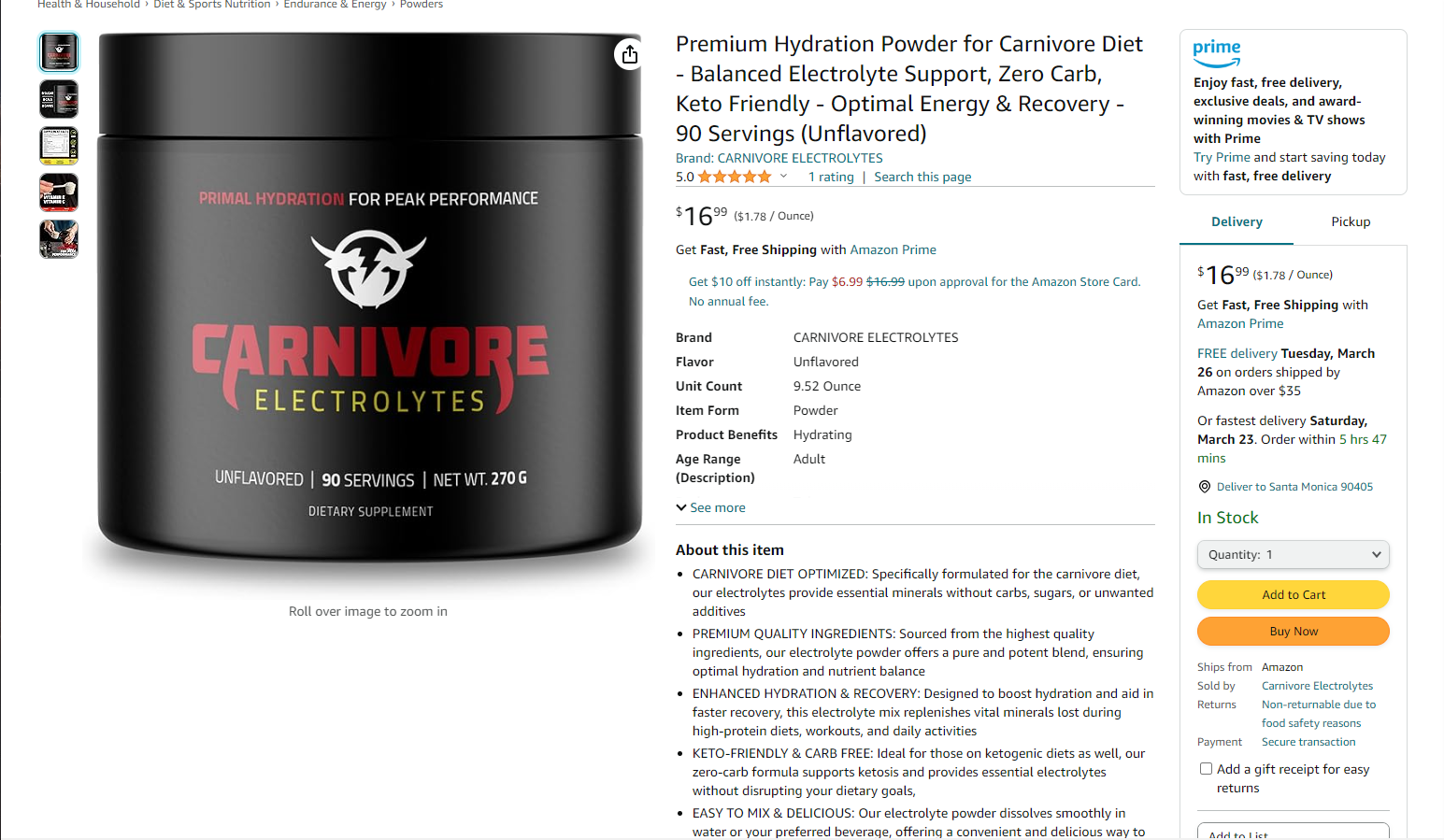
Let me share a concrete example of how this strategy works in practice. We created a carnivore-friendly electrolyte powder that contains no sugar and no additives. We specifically targeted people following the carnivore diet. Within just the first six months, this product generated over $100,000 in sales. Importantly, this success wasn’t because we created the best product ever made. It also wasn’t because we’re the only electrolytes on Amazon. Instead, we succeeded because the product was specific and targeted. It served a niche audience that nobody else was serving.
Similarly, I used this same method to create my clove water product. I identified an unmet need in the marketplace. People were actively searching for clove water on Amazon, but nobody was selling it to them. It wasn’t just a random product idea. Rather, it was a specific solution that customers wanted and couldn’t find anywhere. When your product is unique and tailored to a particular niche, your competition essentially drops to zero.
The most exciting part came after I placed the product online. It started selling organically without any advertising spend whatsoever. Because I was the only seller offering this specific product, Amazon’s algorithm automatically pushed my listing to customers searching for it. As a result, I began generating passive income from day one. I didn’t burn through money on PPC campaigns.
These examples demonstrate the power of niche branding. When you identify what people want but can’t find, you don’t have to fight for market share. Instead, you create your own market where you’re the dominant player. Therefore, if you want to actually win on Amazon this year or next year, don’t copy what everyone else is doing. Follow a proven system that validates your product properly. Find product ideas that people are searching for but nobody is selling.
The Research Method

The foundation of this entire strategy rests on proper market research. This is where Helium 10 becomes invaluable. This market research tool allows you to see the exact search volume for specific products on Amazon. You can check this before you invest in inventory. Consequently, you can identify golden opportunities that are almost guaranteed to make you money. You’ve already confirmed the demand exists.
Using Helium 10, you search for keywords related to niche products. You analyze how many people search for those terms each month. Additionally, you can see how many competitors are currently selling products in that space. When you find high search volume with low competition, you’ve discovered a potential winning product. This process takes the guesswork out of product selection. It replaces gambling with data-driven decision-making.
Furthermore, we show you exactly how to use this tool inside the Passion Product Formula program. The training walks you through every single step of the research process. You learn to identify potential niches, validate product ideas, and confirm profitability. As a result, you’re not left wondering whether your product will work. You know it will work before you spend a dime.
Nobody else is talking about this approach in detail. Yet it represents the most reliable way to succeed on Amazon in 2026. If you want help implementing this strategy, I highly recommend checking out our Amazon FBA program. It’s the same program I joined. It completely transformed my understanding of how to build a profitable Amazon business.
Seller Oversaturation Only Affects Generic Products
Now let’s address the first major concern that stops people from starting: seller oversaturation. Yes, Amazon has millions of sellers. Yes, many categories are incredibly crowded. However, oversaturation only becomes a problem when you’re selling generic products that anyone can source. When you’re the only seller offering a specific niche product, oversaturation becomes completely irrelevant to your success.
Think about it this way. If you’re selling the same solar lights as 500 other sellers, you’re absolutely competing in an oversaturated market. In that scenario, customers will choose based on price or reviews. You’ll struggle to gain traction. Conversely, when you’re selling carnivore-friendly electrolytes or clove water, you’re not competing with anyone. Nobody else offers exactly what you’re selling.
The key insight here is important to understand. Oversaturation is a symptom of poor product selection, not an inherent problem with Amazon itself. When sellers complain about too much competition, they’re usually trying to sell products that are readily available from multiple sources. Therefore, the solution isn’t to avoid Amazon. Rather, it’s to choose products strategically using the niche branding approach.
Moreover, Amazon’s massive customer base actually works in your favor when you’re selling unique products. With 300 million customers, even a small niche can represent thousands of potential buyers. As a result, you don’t need to capture a huge percentage of the market to build a profitable business. You just need to dominate your specific niche.
Competitive Platforms Aren’t the Threat They Seem

Another major concern that stops people from selling on Amazon is the rise of competitive platforms. Platforms like Temu, Shein, Etsy, and TikTok Shop worry many sellers. When Temu launched, Amazon sellers genuinely took a huge hit. Many people worried that these platforms would destroy the opportunity on Amazon. Specifically, Temu flooded the US market with ultra-cheap products. They exploited a tariff loophole, which allowed them to undercut Amazon sellers dramatically.
During 2024, this created real problems for sellers who were competing on price with generic products. If you were selling items that customers could buy cheaper on Temu, you lost sales. Consequently, many sellers panicked. They wondered if Amazon was still viable as a business platform. The fear was understandable. Temu’s aggressive pricing made it nearly impossible to compete in certain categories.
However, the landscape has changed significantly since then. The tariff loophole that gave Temu its unfair advantage has now closed. This means they’re paying tariffs like everyone else. Additionally, their app downloads have dropped over 75%. This indicates that their grip on the market is fading. Therefore, the threat that seemed so overwhelming in 2024 has largely disappeared in 2026.
Why Niche Products Are Immune
Here’s the crucial point. Temu and similar platforms were never a real threat to the niche branding strategy. I didn’t sell bulk products that anyone could copy. Platforms offering dirt-cheap generic items didn’t affect my business at all. Clove water and carnivore electrolytes are completely unique products. You can’t find them on Temu or anywhere else. Consequently, my customers have no alternative option except to buy from me on Amazon.
The strategy we use specifically targets people who are searching for products on the Amazon platform. Before we even manufacture a product, we confirm the search volume exists on Amazon using Helium 10. What that means is simple. We’re not hoping customers randomly discover us. We’re positioning ourselves exactly where customers are already looking. Therefore, it doesn’t matter what Temu or TikTok Shop are selling. Our customers aren’t shopping there for our specific products.
That’s the power of selling something custom, niche, and made for a specific audience on a specific platform. When you validate demand on Amazon before creating your product, you ensure something important. Your target customers are already using Amazon as their preferred shopping destination. As a result, competitive platforms become irrelevant to your success. You’re not competing on price or availability. You’re the only option.
Additionally, Amazon’s infrastructure provides advantages that newer platforms simply can’t match. With FBA (Fulfilled by Amazon), your products arrive within two days for Prime members. Amazon handles all the customer service. Meanwhile, customers ordering from Temu often wait weeks for shipping. They also deal with questionable quality. Therefore, when you combine unique products with Amazon’s superior fulfillment and customer trust, you create an unbeatable competitive position.
Amazon Fees Are Manageable with the Right Strategy
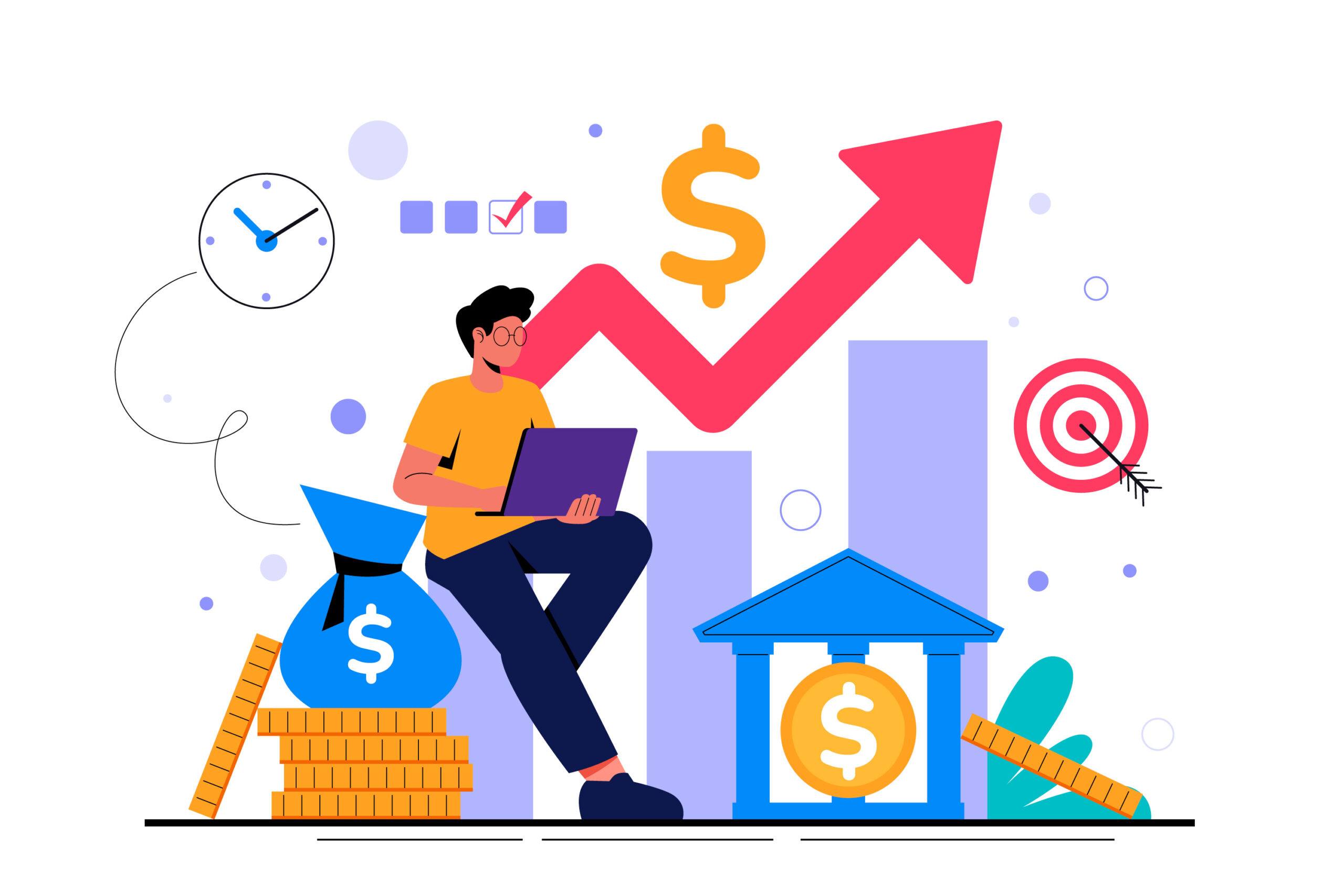
Let’s tackle the third major concern: Amazon fees. Yes, Amazon charges various fees for selling on their platform. Some of these fees have increased in recent years. Currently, sellers pay a 15% referral fee on each sale. They also pay FBA fees for packing and shipping. There are additional charges for storage and inventory management. Consequently, many aspiring sellers look at these fees and immediately assume they’ll eat up all the profits.
For sellers using traditional methods like retail arbitrage or wholesale, these fees genuinely create problems. When you’re competing on price with identical products, every dollar counts. After you drop your price to match competitors, you then subtract all the Amazon fees. There’s barely anything left for you to keep. Therefore, the fee structure becomes a legitimate barrier to profitability when you’re selling generic products.
However, this is precisely where the fee concern becomes a non-issue for niche branding. When you’re selling something unique that people can’t find elsewhere, you’re not stuck in price wars. Instead, you can price your products based on the value they provide to your specific audience. As a result, the Amazon fees become just another cost of doing business. They’re no longer a profit-killing expense.
How Niche Products Solve This
Consider my product examples. Clove water sells for $19. The carnivore electrolyte powder sells for $38. People purchase these products at these prices because there’s nothing else like them on Amazon. They specifically want what I’m offering. The products look premium and feel premium. Most importantly, they solve a specific problem for a specific audience. Therefore, customers are willing to pay the price without hesitation.
When you can command premium prices, the Amazon fees become manageable and predictable. You build them into your pricing structure from the beginning. This ensures healthy profit margins even after all costs. Moreover, because you’re not competing solely on price, you don’t have to constantly slash your margins to stay competitive. Consequently, you maintain profitability while delivering real value to your customers.
Furthermore, the advertising costs that worry many sellers become less critical with the right strategy. Yes, Amazon offers PPC (pay-per-click) advertising. But you don’t need to rely on it initially. When I launched my clove water product, I didn’t spend a single dollar on ads. I used the right strategy to drive organic traffic to my listing. The product started selling immediately based on organic search alone.
That’s not to say advertising doesn’t have its place. PPC is actually great once your product is already performing well. You can use it when you want to scale your sales. However, it shouldn’t be the fuel that gets you your first sales. It should be the cherry on top that amplifies your existing organic success. This represents the power of using the right method. It’s exactly what we teach inside the Passion Product Formula. You learn how to launch products without getting crushed by fees. You also learn to avoid relying on expensive advertising to generate sales.
Startup Costs Are Lower Than You Think

The fourth concern that holds people back is the fear of high startup costs. When I first considered starting my Amazon business, I genuinely thought I would need $50,000 to $60,000. I believed this was necessary to create and launch a product. This misconception is incredibly common. It stops countless people from even attempting to start. Fortunately, that belief turned out to be way off from reality.
Amazon has actually made it cheaper than ever to start a business online today. Retail arbitrage and wholesale don’t require much capital to get started. This initially sounds attractive. However, as we’ve discussed, those methods are also extremely competitive. Anyone can jump in with minimal investment. Consequently, the low barrier to entry creates the exact oversaturation problem that kills profitability.
When it comes to launching a niche brand or passion product, the startup cost is significantly lower than most people assume. You don’t need tens of thousands of dollars sitting in the bank. Instead, you can start with a modest investment. You scale as your product generates revenue. Therefore, the financial barrier that seems so intimidating actually becomes quite manageable when you approach it strategically.
Real Numbers and Creative Alternatives
Let me share the actual numbers from my experience. I launched my clove water product for just over $2,000. That amount covered everything: inventory, packaging, and shipping to Amazon’s warehouse. From day one, the product started generating profit passively. No additional investment was required. As a result, my initial $2,000 investment returned itself quickly. It continued producing income month after month.
Some sellers have even started with zero dollars by using creative approaches like crowdfunding. For example, AJ, one of our success stories, raised over $100,000 on Kickstarter for his cocktail cards product. He did this before even placing his first inventory order. He essentially pre-sold his product to customers. This funded his entire first production run without any personal financial risk. Therefore, creative entrepreneurs have multiple paths to starting their Amazon business regardless of their current financial situation.
So if you’re asking whether startup costs are a problem in 2026, my honest answer is no. This is especially true with Amazon’s infrastructure supporting you. Amazon makes it incredibly easy to start an FBA business. It’s far easier than traditional retail or e-commerce. Whether you’ve got a couple thousand dollars saved up or you’re starting from complete scratch, there are creative ways to launch your product. You can do this without going broke.
The key is choosing the right product and strategy from the beginning. When you validate demand before investing, you minimize risk. When you focus on niche products with healthy margins, you need less inventory to generate meaningful profit. Consequently, the financial requirements become far more accessible than most people realize.
Recession Fears Are Overblown
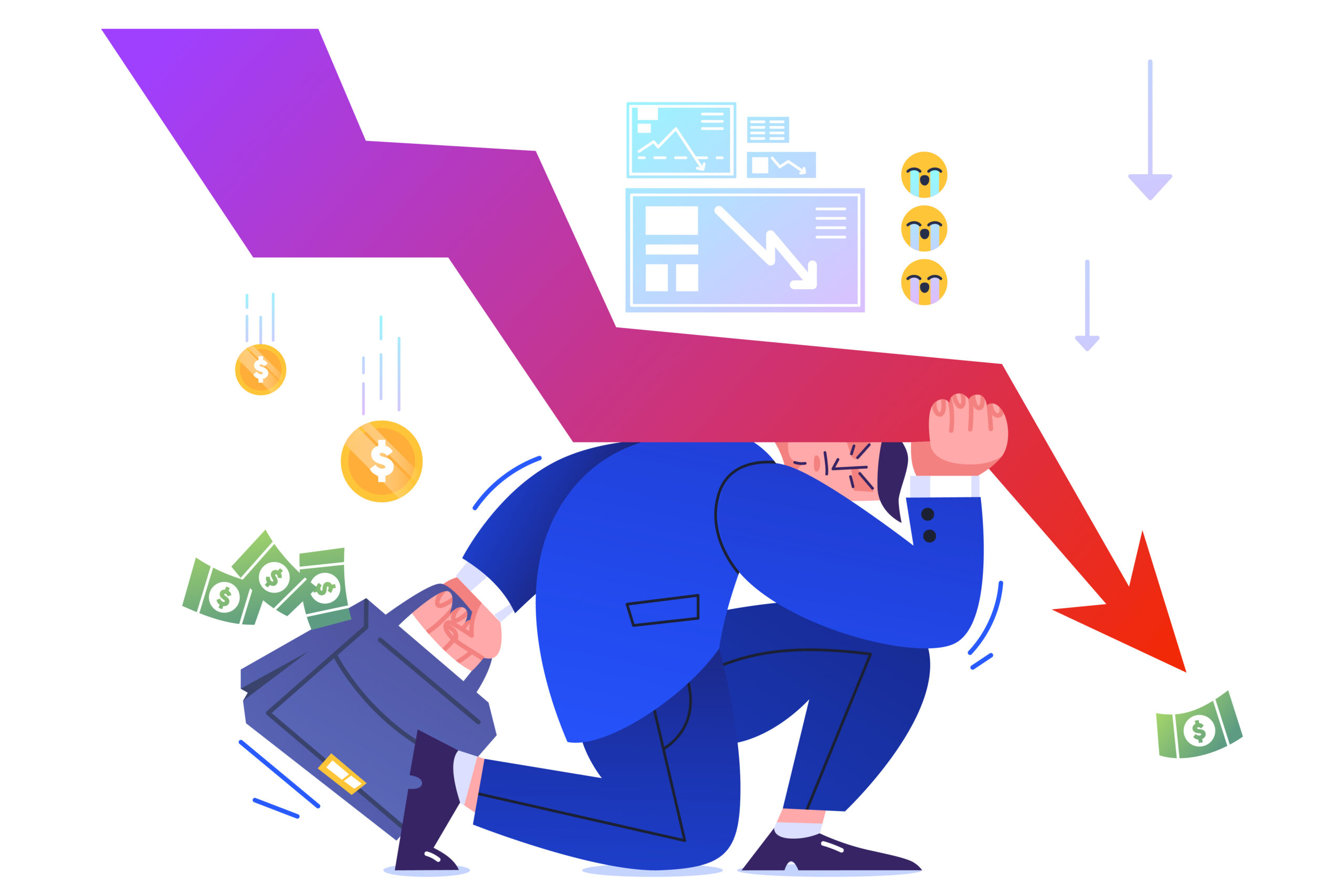
The final concern that stops people from starting their Amazon business is the fear of an economic recession. Currently, there are headlines every single week warning that the economy is about to crash. Just yesterday, economist Mark Zandi stated, “We’re on the edge of a massive recession.” When you read statements like that, it sounds absolutely terrifying. After all, if people stop spending money, how are you supposed to sell anything on Amazon?
These recession predictions never actually stop. Throughout history, there’s been a recession every decade or so. Every single year brings new predictions that we’re about to fall off an economic cliff. Consequently, people who listen to these warnings end up paralyzed by fear. They constantly wait for the “right time” to start their business. Unfortunately, that perfect moment never arrives because economic uncertainty always exists.
However, when you look at actual data rather than fear-mongering headlines, you discover a different story. Online shopping continues growing year after year. This happens regardless of economic conditions. Even when recessions do hit, consumer behavior doesn’t simply stop. It shifts. Therefore, the question isn’t whether people will keep buying. Rather, it’s what they’ll buy and where they’ll buy it.
Historical Evidence and Recession-Proof Categories

Even if a recession does hit in 2026 or beyond, not all product categories get affected equally. Some categories, such as pet supplies, groceries, and baby products, are actually recession-proof. People continue buying them regardless of economic conditions. Pet owners don’t stop feeding their dogs when the economy struggles. Parents don’t stop buying diapers during a recession. Consequently, choosing the right product category can insulate you from economic downturns.
That’s another powerful advantage of selling niche branded products or passion products. You’re not just another seller trying to compete on price with discretionary items. Instead, you’re creating something that people genuinely want and need. They want it even when they’re cutting back on non-essentials. When your product solves a real problem for a specific audience, demand remains relatively stable. This happens regardless of economic conditions.
Consider what happened when the world shut down in 2020 during the pandemic. People were losing jobs left and right. However, online shopping didn’t shrink. It actually grew by over 43%, hitting $244 billion. I’ve personally spoken to numerous sellers who made their breakthrough success during that recession. Rather than destroying opportunities, the economic crisis actually accelerated the shift to online shopping. It created new opportunities for smart sellers.
Moreover, more than half of the top 500 most successful companies in the world were started during recessions. Economic downturns force innovation. They create opportunities for entrepreneurs who are willing to act while others are frozen by fear. Therefore, if you’re thinking about starting your Amazon business in 2026, don’t let recession fears stop you. There’s never going to be a perfect time to start. But there’s always a smart way to start. That’s by using a proven strategy that works regardless of economic conditions.
Your Path to Success in 2026

Looking at everything we’ve discussed, the conclusion becomes crystal clear. If you’re planning to use retail arbitrage, private label, or wholesale in their traditional forms, those methods no longer represent good opportunities. This is true for both 2025 and 2026. The competition is too fierce. The margins are too thin. The constant work required makes them unsustainable for most people. However, if you take my advice and invest time in proper research, you can succeed. Launch a brand new unique passion product or niche branded product. Amazon represents a massive opportunity for you.
Amazon isn’t dying. It’s thriving. The platform continues growing, and customer demand increases every year. What has changed is the strategy required to succeed. The old methods of finding generic products and hoping to compete on price simply don’t work anymore. Instead, you need to find gaps in the marketplace. Look for places where demand exists but supply doesn’t. That’s where the real opportunity lives in 2026.
We’ve used this niche branding method over the last two years and generated over $1 million in sales by repeating the same process. We’ve launched several products that people were actively searching for. Nobody was selling to them on Amazon. The beauty of this approach is its repeatability. Once you understand the research process and validation method, you can apply it again and again. You can launch multiple successful products. Therefore, you’re not building a one-product business. You’re learning a skill that can generate income for years to come.
You could absolutely do the same thing we’ve done. Our Amazon FBA course provides over 100 step-by-step tutorials. It includes two one-on-one coaching sessions and weekly live Q&A sessions. You can get your specific questions answered. Click the link below to sign up for the waitlist now. Secure your spot in the next cohort. However, if you’re not quite ready to join the full program yet, Travis has created a complete 12-hour Amazon FBA course. It’s completely free. This comprehensive training takes you from A to Z in starting an Amazon business. It provides you with all the foundational knowledge you need to make an informed decision about your future.
Frequently Asked Questions
Is it really not too late to start selling on Amazon in 2026?
Absolutely not. While Amazon has evolved since its early days, the platform continues to grow and create new opportunities. The key is avoiding oversaturated generic products. Instead, focus on niche branded products that serve specific audiences. When you identify what people are searching for but can’t find, you eliminate competition. You position yourself for success regardless of how many sellers are on Amazon.
How much money do I really need to start an Amazon FBA business?
You can start an Amazon FBA business for much less than most people think. Real-world examples show successful launches with $2,000 to $3,000. This covers inventory, packaging, and shipping. Additionally, creative approaches like crowdfunding can reduce or even eliminate upfront costs. You can pre-sell your product before manufacturing. The exact amount depends on your product choice. However, the barrier to entry is far lower than the $50,000-$60,000 many people assume they need.
What makes niche branding different from private label?
Private label typically involves taking generic products from Alibaba. You add your logo and compete with hundreds of other sellers offering identical items. Niche branding, however, focuses on creating unique products. You serve specific audiences with unmet needs. Instead of competing on price or reviews, you validate demand for products that don’t yet exist on Amazon. This makes you the only seller in that space. This fundamental difference eliminates competition and allows for premium pricing.
How do I know if people are searching for my product idea on Amazon?
You validate product demand using market research tools like Helium 10. This tool shows exactly how many people search for specific keywords on Amazon each month. This data-driven approach allows you to confirm demand before investing in inventory. You’re looking for high search volume with low competition. These are products that people want but can’t currently find. This validation process removes guesswork and significantly reduces your risk. You won’t launch a product that won’t sell.
Won’t platforms like Temu and TikTok Shop destroy my Amazon business?
Competitive platforms only threaten sellers who compete on price with generic products. When you sell unique niche products that customers specifically search for on Amazon, these platforms become irrelevant. The tariff loophole that gave Temu an advantage has closed. Their market share has declined significantly. More importantly, when you validate demand specifically on Amazon’s platform before creating your product, you ensure something crucial. Your target customers are already shopping where you’re selling.
Can I really make sales without spending money on Amazon PPC ads?
Yes. When you launch a properly validated niche product, you can generate organic sales without advertising. Amazon’s algorithm automatically shows your product to customers searching for those specific terms. Once you’re making organic sales, you can add PPC advertising to scale further. However, it shouldn’t be required to get your first sales. The right product selection and launch strategy drive initial traffic organically. This makes advertising an amplifier rather than a necessity.
What if a recession hits after I start my business?
Historical data shows that online shopping grows during recessions rather than shrinking. The 2020 pandemic, for example, saw online shopping grow by 43% despite massive economic disruption. Additionally, certain product categories like pet supplies, groceries, and baby products remain stable during economic downturns. When you sell niche products that solve real problems, your business becomes more resilient to economic changes. More than half of the top 500 companies were founded during recessions. This proves that economic uncertainty creates opportunities for prepared entrepreneurs.
How long does it take to see results with an Amazon FBA business?
Results vary based on product selection, launch strategy, and execution. However, properly validated niche products can start generating sales within days of launching. The clove water example mentioned in this article began selling organically from day one. It didn’t require any advertising. However, building a sustainable business takes time. Expect to invest several months in research, product development, and launch preparation before seeing consistent revenue. The Passion Product Formula provides realistic timelines and milestones to help you track your progress.
Do I need any special skills or experience to succeed with this strategy?
No special skills or prior experience are required. The niche branding strategy is specifically designed to be accessible to complete beginners. The key is following a proven system rather than trying to figure everything out yourself. The Passion Product Formula breaks down every step into simple, actionable tutorials. This covers everything from product research to launch. Many successful students started with zero Amazon experience. They built profitable businesses by following the step-by-step process. Your willingness to learn and take action matters far more than your current skill level.