
Learning how to sell on Amazon FBA with no experience is easier than most beginners expect. Travis Marziani has spent over 10 years in e-commerce and has helped thousands of students launch products. He recently recorded a free course that walks through a complete launch, using a real product called Ascend, an eyebrow pencil designed for men.
This guide turns that course into a clear roadmap. You will see how to pick a product, set up your account, find a manufacturer, build a listing, ship to Amazon, and understand every fee. Better yet, you will see Ascend’s honest first-month results at the end.
Every step follows the Passion Product Formula, the niche branding method behind Travis’s biggest wins. First, though, let’s look at why so many new sellers struggle before they even begin.
- The 3 Traditional Ways to Sell on Amazon (and Why They Fall Short)
- The Passion Product Formula: A Better Way to Build an Amazon Brand
- Why Amazon FBA Is the Ideal Platform
- How to Find a Winning Product
- Setting Up Your Amazon Seller Central Account
- Finding and Negotiating With Manufacturers
- Designing Your Logo, Packaging, and Brand
- Getting Samples and Paying Your Supplier
- Creating an Amazon Listing That Converts
- Shipping Your Inventory to Amazon FBA
- Understanding Amazon FBA Fees
- From Zero to Profit: Ascend's First-Month Results
- Frequently Asked Questions
The 3 Traditional Ways to Sell on Amazon (and Why They Fall Short)

Most beginners choose one of three well-known models. Each one works to a degree, but each also has a clear weakness. Understanding those weaknesses will help you see why a fourth option stands out.
Retail Arbitrage
Retail arbitrage means buying discounted products from stores and reselling them on Amazon for more. For example, a product sold for $99 at a home improvement store might sell for $200 on Amazon. It costs little to start, so it is a great way to test the platform. However, you must hunt for new products constantly, and other sellers can list the same item on the same page.
Wholesale
Wholesale means buying name-brand products at a bulk discount and reselling them at full retail price. It is relatively easy because you never create a product. On the other hand, you act as a middleman, and competitors can sell on your listing. Moreover, the manufacturer can cut you off whenever it likes.
Private Label
Private label means buying a generic product in bulk and adding your own brand. As a result, nobody can sell on your listing. Even so, the factory can sell the same product to many other sellers with different logos. Competition then drives prices down until little profit remains.
The Passion Product Formula: A Better Way to Build an Amazon Brand
The Passion Product Formula, also called niche branding, solves those problems. Instead of copying a generic product, you take a proven idea and design it for a specific audience that nobody serves well. Consequently, you face less competition and can build a real brand.
Travis used this method to launch Carnivore Electrolytes in just 7 days. The product went on to earn over a million dollars in sales, and he later sold the business for $840,000. Ascend follows the same pattern. Eyebrow pencils already sell well, yet nearly all of them target women, so Travis built one for men.
Students have seen strong results with this approach too. Jeremy earns over $30,000 a month, AJ started with $0 and now earns half a million dollars a year, and Brent made over $1 million in 12 months. Therefore, this formula gives you a proven path instead of a guess.
Why Amazon FBA Is the Ideal Platform
Amazon draws hundreds of millions of Prime customers, and third-party sellers like you and me generate about two-thirds of all its sales. In addition, Amazon spends billions on marketing, and you benefit from that trust without paying for it.
You can sell in two ways. With FBM, or fulfilled by merchant, you pack and ship every order yourself. With FBA, or fulfilled by Amazon, you send your inventory to an Amazon FBA warehouse, and Amazon picks, packs, and ships each order. FBA also makes your product Prime eligible, which helps it rank higher and sell faster. Travis reports that his sales grew four to five times after he switched from FBM to FBA.
How to Find a Winning Product
Finding the right product is the most important decision you will make. Fortunately, Amazon gives you several free ways to research ideas. Each method below also points you toward a gap that a niche brand can fill.
The New Releases Method
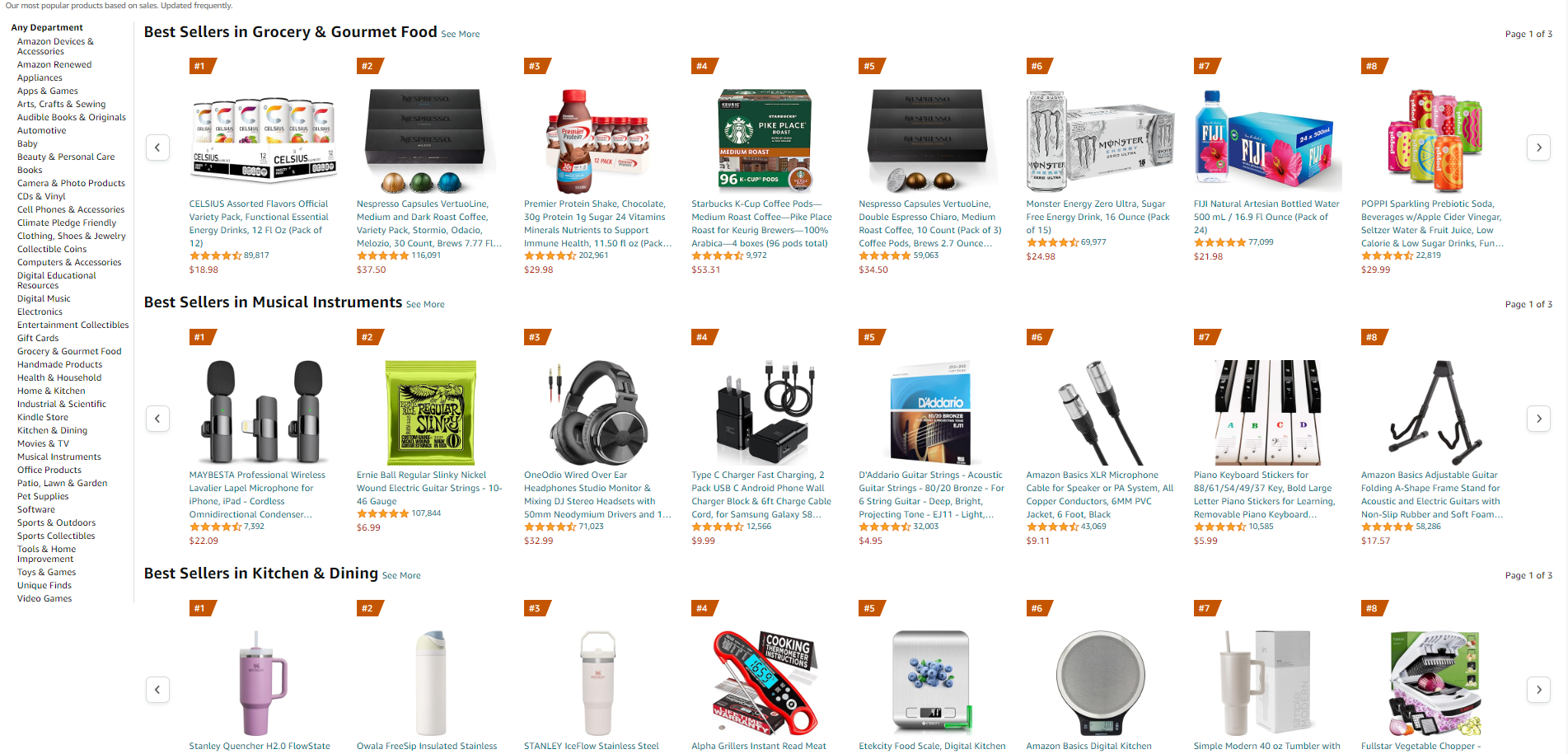
Open Amazon’s New Releases tab, choose a basic category, and look for products rated around three or four stars. Then check how much money each one earns. Travis found a rodent repellent earning over $300,000 a month with only three stars. If you read the bad reviews and fix those problems, you can build a better version.
The SmartScout Search Term Method
SmartScout shows what people search for on Amazon. Travis typed in “pre-workout” and noticed that “pre-workout for women” gets over 5,000 searches a month, yet no product targeted that group. He used the same approach to find Carnivore Electrolytes. Therefore, look for high-volume phrases that no dedicated product answers.
The Free Amazon Search Bar Method
Type a product like “creatine” into the Amazon search bar, add a space and the word “for,” and watch the suggestions appear. You might see “creatine for men,” which you can narrow to “creatine for men over 50.” A focused niche like that gives shoppers a clear reason to choose your brand.
Products to Avoid
Some products cause trouble for new sellers. Skip cheap generic items from Alibaba, products under $15, and products over $85. Avoid trendy fads, seasonal goods, and anything heavy or hard to ship. Staying inside these limits protects your margins and your inventory.
Setting Up Your Amazon Seller Central Account
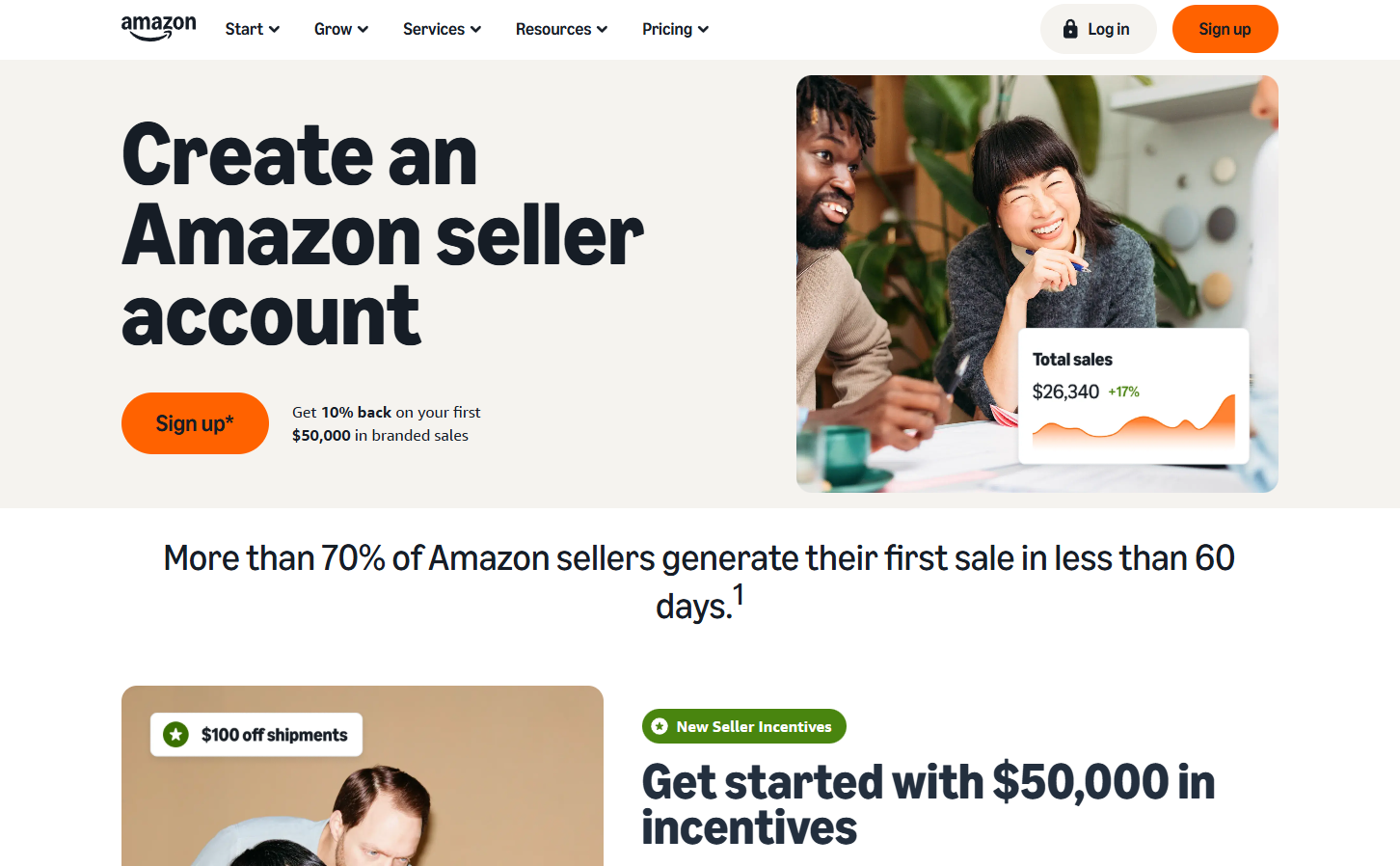
Account setup looks simple, but small mistakes can cause rejections. Start at sell.amazon.com and choose your plan. The Professional plan costs $39.99 a month, while the Individual plan is free but charges 99 cents per item sold. If you plan to sell 40 or more items a month, Professional makes more sense.
Next, use a business email instead of a Gmail or Yahoo address, since it looks more professional to Amazon. Choose “privately-owned business,” and select “branded by my business” when Amazon asks about your products. Non-US citizens should consider an LLC, and a Wyoming LLC is a popular choice. A DBA costs less but offers no legal protection.
Then gather your documents. You will need a passport or government ID, a bank statement, and proof of address. Download the PDF statement from your bank’s website instead of taking a phone photo. Furthermore, the name on your bank account must match the name on your application exactly. You will also need a real UPC code, which GS1 sells for about $30.
After you submit, stay patient and professional in every message to Amazon FBA. Once approved, avoid changing your bank account or address for the first month or two, because sudden changes can trigger suspicion.
Finding and Negotiating With Manufacturers

You do not need a factory that already makes your exact product. Manufacturers can customize an existing design, so you can search for similar products instead. For Ascend, Travis searched for eyebrow makeup pencil manufacturers and asked for a matte black finish, firmer bristles, and custom boxes. Many suppliers said yes.
Where to Find Suppliers
Alibaba works well, so look for suppliers with at least 5 years of history and a verified badge. For consumable products, Travis recommends US manufacturers found through ThomasNet or trade shows like Natural Products Expo West. Google is another strong option, and phone calls often lead to referrals. AI tools like ChatGPT, Claude, and Perplexity can build a supplier list in minutes. However, always verify every company they suggest.
Negotiation Tips
Call US manufacturers instead of emailing, since a call shows you are serious. Ask about the minimum order quantity early, but avoid opening with it. In addition, plan to order three to six months of inventory. Too little risks stockouts, while too much triggers storage fees. Finally, build a real relationship with your supplier, because the cheapest option is not always the best. Travis switched to a slightly pricier manufacturer and saved himself a lot of stress.
Designing Your Logo, Packaging, and Brand
Your design matters more on Amazon than in a store. Shoppers cannot pick up your product, so your images, logo, and packaging must build trust on their own. Before any design work starts, ask your manufacturer for the dieline, which is the flat template showing every fold and edge of your box. Without it, your artwork may print incorrectly on every unit.
If your budget is tight, AI tools can create a logo and packaging mockup for free. Travis tried this for Ascend and found it a useful starting point. For a polished result, though, he uses FBA Creatives for all his own products. The team offers a seven business day delivery guarantee and unlimited revisions. You can also use the coupon code TRAVIS for 40% off your first order.
Getting Samples and Paying Your Supplier
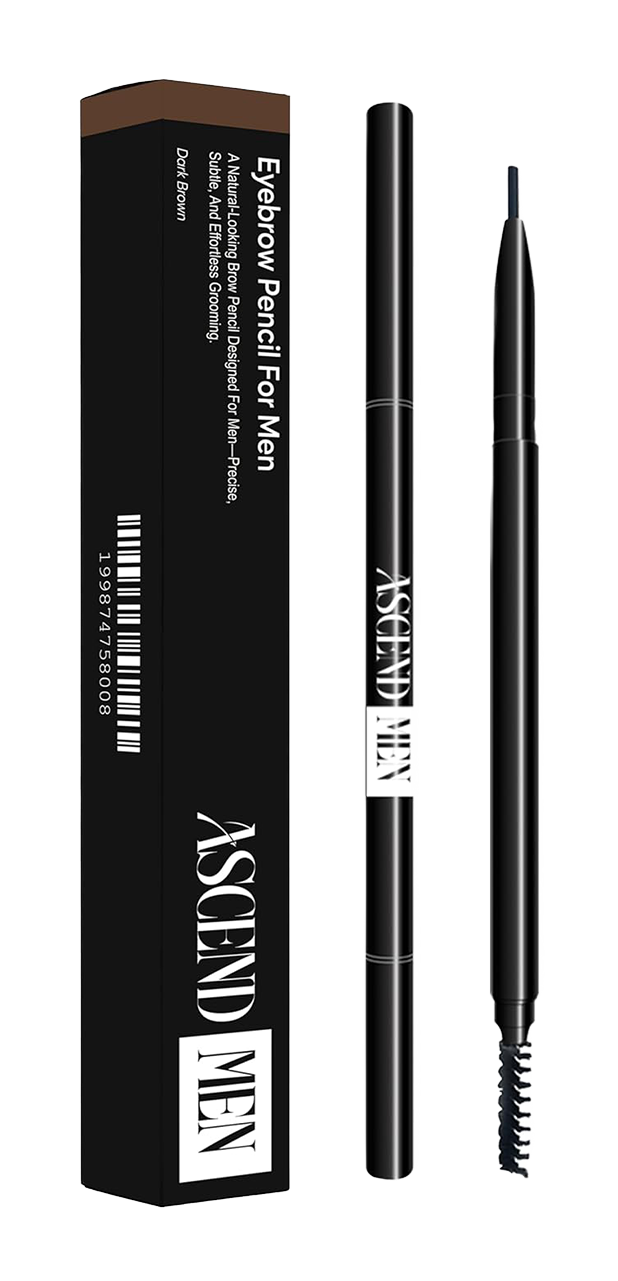
Always order a sample. Travis says skipping this step has hurt him every time he tried it. Many suppliers send samples for free if you cover shipping. When Ascend’s customized sample would have cost $300, he requested a blank sample instead and paid only $20 in shipping.
Payment is the step that feels scariest, but the numbers are encouraging. Most overseas suppliers expect a wire transfer, which costs around $60 for an international payment. Some accept PayPal or credit cards, although card payments usually add a fee of about 3%. For Ascend, 900 units plus shipping to the US cost just over $1,200. Clearly, launching your own product does not require $50,000.
Creating an Amazon Listing That Converts

Amazon works like a giant search engine, so the first result earns most of the sales. A well-built listing helps you compete for that spot. Each part below plays a different role.
Title and Keyword Research
Lead your title with the phrase shoppers search most. Ascend’s title starts with “eyebrow pencil for men” because thousands of people search for it every month. Helium 10‘s Magnet and Cerebro tools reveal those phrases. Additionally, studying the titles of top competitors uncovers keywords you might miss.
Variations, Brand Registry, and UPCs
Ascend comes in three colors, so each color becomes a variation. Note that reviews are now shared only between variations with minor differences. File a trademark at uspto.gov to unlock Brand Registry, which brings A+ Content, better search placement, and protection from copycats. Buy your UPC directly from GS1 to avoid problems later.
Description, Bullets, and Images
Write for benefits, not just features. Travis compares this to Steve Jobs promising “a thousand songs in your pocket” instead of one gigabyte of storage. Your main image should stand out from competitors while staying on a white background, and you should fill every extra image slot. In short, your images do the job that touch does in a store.
Pricing and Hidden Settings
Price your product at three times your cost at minimum, then test higher prices. Carnivore Electrolytes rose from $24.99 to $37.99 while sales held steady. Ascend sells for $12.97. Under “all attributes,” set an offer start date so you can launch with a burst of traffic. Then add backend keywords for phrases you left out of your title.
Shipping Your Inventory to Amazon FBA
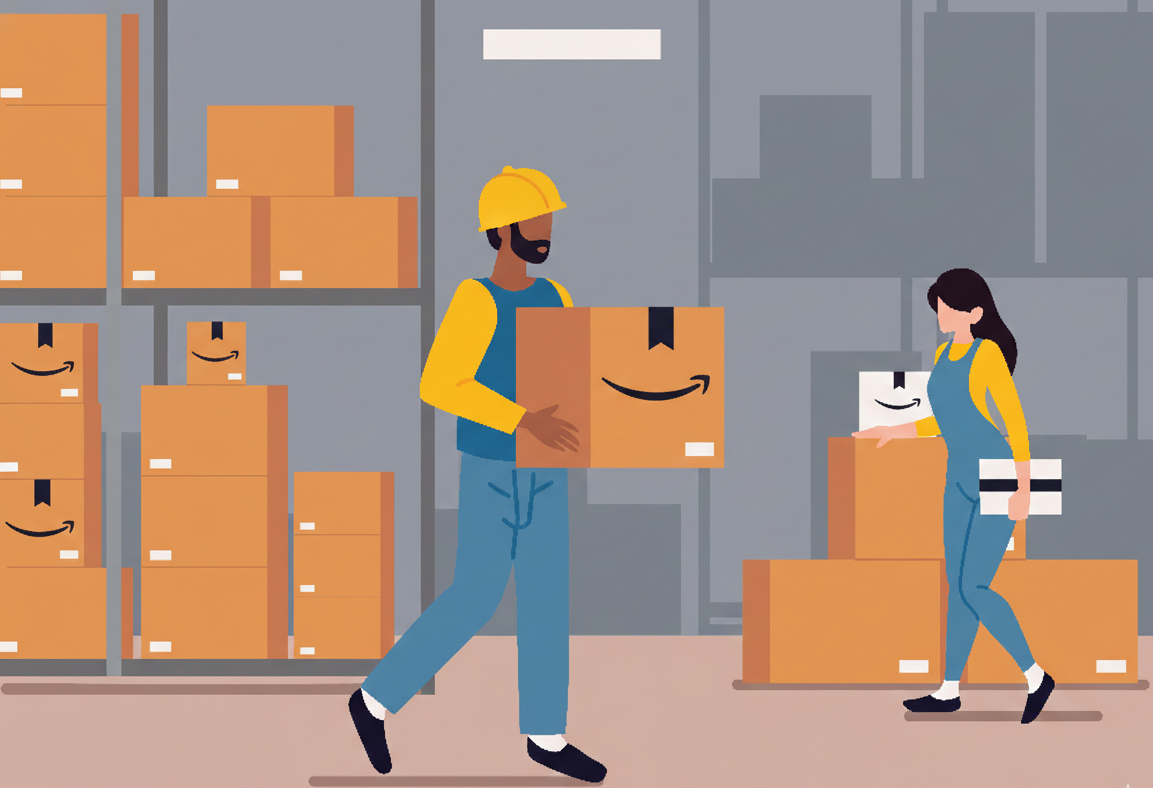
Shipping is where new sellers lose the most money. Start by double-checking your ship-from address, since a wrong address once cost Travis $5,000 in sales. Next, build a case pack template. Each box side must stay under 25 inches, and each box must weigh under 50 pounds. Ascend ships 50 units per case.
Labeling comes next. Every unit needs an FNSKU barcode, and Amazon FBA ended its prep and labeling services in the US in 2026. Therefore, ask your manufacturer to print the FNSKU right on your packaging. Then choose Amazon Fulfillment Center instead of AWD for your first shipment, and pick small parcel delivery for boxes or less than truckload for pallets.
Compare placement options using the total cost column. Ascend’s Amazon Optimized option was the cheapest, even though it split the boxes across several warehouses. Afterward, track your shipment under Manage Shipments, and keep every receipt as proof. Finally, ship at least three weeks before launch, since check-in can take up to six weeks.
Understanding Amazon FBA Fees
A simple rule helps you plan: expect about a third of your margin to go to product cost, a third to Amazon fees, and a third to profit. On one product with over $2 million in sales, Travis paid $295,000 in referral fees and $255,000 in pick and pack fees, and still earned over $650,000 in profit.
The main charges are the referral fee, which is about 15%, the pick and pack fee, and monthly storage. Amazon also adds an aged inventory surcharge after 181 days, plus return, low inventory level, and inbound placement fees. Several smart moves lower these costs. For example, you can join the Brand Referral Bonus program, shrink your packaging, use the low-price FBA rate for items under $10, and confirm that Amazon lists your dimensions correctly.
From Zero to Profit: Ascend’s First-Month Results
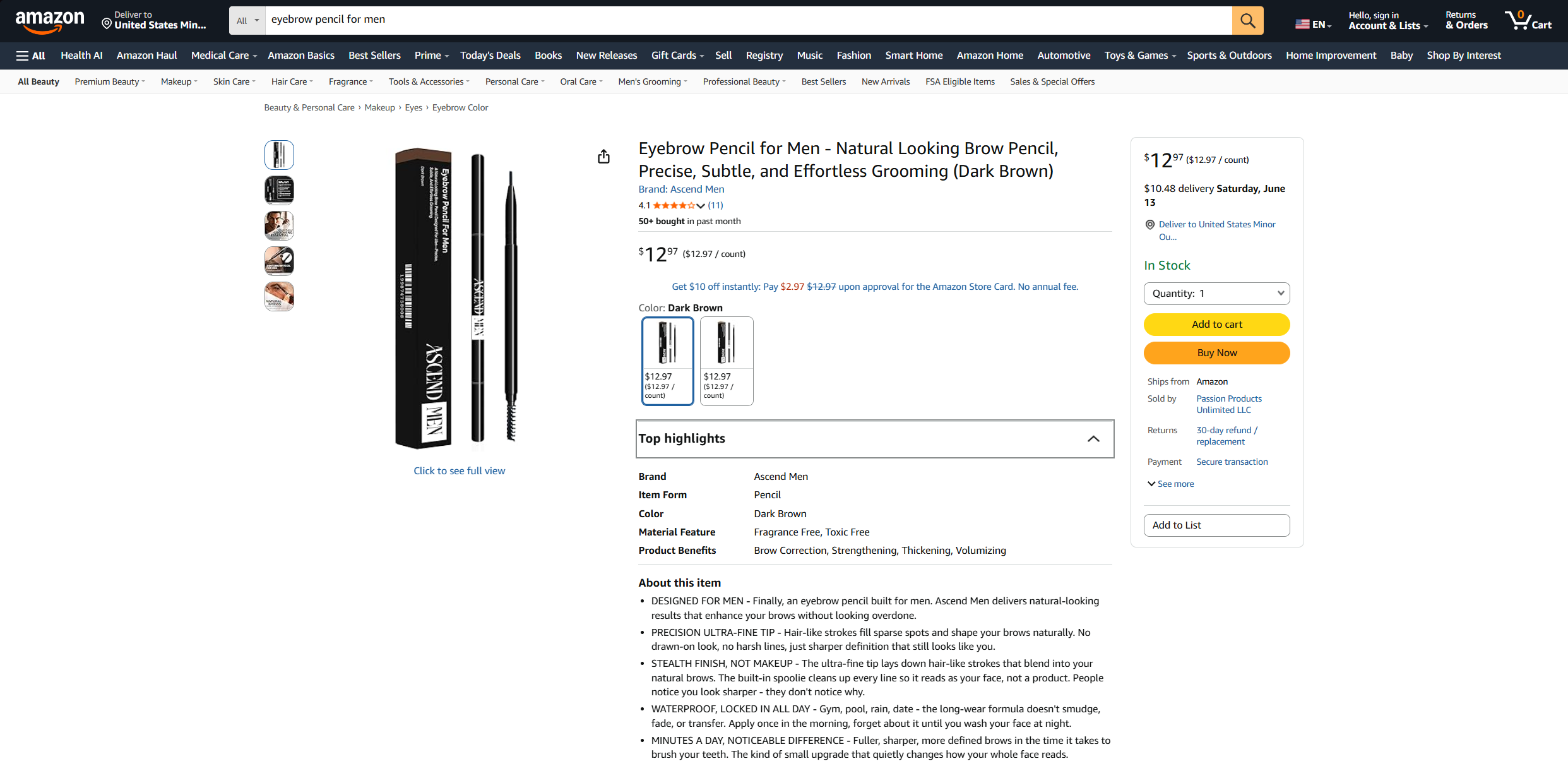
Now for the results. In its first month, Ascend earned $3,000 in sales and $1,500 in profit. It paid back all its startup costs and put an extra $500 in Travis’s pocket. That is a strong start for a product that cost just over $1,000 to create.
Growth tells an even better story. Carnivore Electrolytes made $6,000 in its first month, then reached $132,000 in a single month just nine months later. Even a modest $1,500 in monthly profit could change how you live, so picture what you would do with it.
The Passion Product Formula gives you a step-by-step path, and the Passion Product Accelerator adds support along the way. It includes small group coaching, one-on-one calls, over 140 step-by-step lessons, and a private community. You can apply for a free strategy call through the link in the video description, where the team will build you a custom six-month plan. Do not let analysis paralysis hold you back, and take the first step today.
Frequently Asked Questions
How much does it cost to start selling on Amazon?
Costs vary by product. Ascend cost just over $1,200 for 900 units and shipping to the US. You should also budget for the seller plan, a UPC from GS1, and design work.
Can I sell on Amazon US from outside the United States?
Yes, you can sell on Amazon US from almost anywhere. About half of the students in Travis’s mentorship program live outside the US. Many of them set up a Wyoming LLC to help with registration.
Do I need a trademark to sell on Amazon?
You can start without one. However, a trademark unlocks Brand Registry, which adds A+ Content, better search placement, and protection from copycats. Amazon now grants Brand Registry access once you apply.
How long does it take for inventory to be checked in?
Shipping into Amazon takes a few days to a few weeks. Check-in can then take up to six weeks. For that reason, Travis ships at least three weeks before he plans to sell.
What is the Passion Product Formula?
It is Travis’s niche branding method. You take a proven product idea and design it for a specific audience that current products overlook. The Passion Product Accelerator teaches this method step by step.