
Starting an Amazon FBA business sounds like the ultimate entrepreneurial dream, doesn’t it? You’ve probably heard the success stories about sellers making six figures in their first year. However, most people don’t discuss the actual investment required to get there. Eric, an ambitious entrepreneur with a marketing background, spent a staggering $22,399 to launch his Amazon FBA business. He sold Dill toilet tablets. Furthermore, his first five months resulted in consistent losses. These losses taught him expensive lessons along the way.
Eric’s story isn’t a cautionary tale designed to discourage you. Rather, it’s a transparent roadmap. It reveals exactly where your money goes when building a legitimate Amazon FBA business. Throughout this journey, you’ll discover the hidden costs and devastating mistakes Eric made. You’ll also learn valuable insights he gained while investing over $22,000 into his unique product. Additionally, proper education through resources like the Passion Product Formula could have saved him thousands of dollars.
Eric remains optimistic about his business despite early setbacks. This is worth noting before diving into the detailed breakdown. His top-converting keyword is his own brand name “Dill.” This validates that his brand-building efforts are paying off. Moreover, industry statistics are encouraging. They show that 43% of Amazon FBA sellers make over $100,000 in their first year. Over 400,000 third-party sellers earn six figures annually. Consequently, Eric views his initial investment as tuition for a business education. This education will eventually yield substantial returns.
- The Lightbulb Moment: How Eric Found His Product Idea
- Initial Setup Costs: Laying the Foundation
- Product Development and Manufacturing
- Shipping and Amazon Setup Costs
- The First Five Months: A Rollercoaster of Revenue and Lessons
- Understanding Amazon's Fee Structure
- Pivoting Strategy: Months Four and Five
- Key Lessons and Mistakes to Avoid
- Essential Tools and Resources Every Amazon Seller Needs
- The Bigger Picture: Why Eric's Investment Still Makes Sense
- Building a Profitable Amazon Brand for the Long Term
- How the Passion Product Formula Helps You Avoid These Mistakes
- Your Path Forward: Taking Action With Confidence
- Frequently Asked Questions
The Lightbulb Moment: How Eric Found His Product Idea

Every successful Amazon FBA business begins with identifying a real problem. People must actually face this problem. For Eric, that moment of clarity struck at a dinner party. He experienced the universal anxiety of using someone else’s bathroom. Nobody wants to leave embarrassing smells behind. This is especially true in social situations like dates, business meetings, or dinner parties. Subsequently, Eric recognized this as a small but significant problem. It affected virtually everyone, yet nobody openly discussed it.
Eric had a background in marketing. Armed with this knowledge, he immediately understood the commercial potential. He could solve this awkward dilemma. He spent considerable time iterating and perfecting a secret recipe. The result was Dill, a premium toilet tablet. It’s designed to freshen bathrooms and eliminate odors completely. The product’s genius lies in its discreet portability. It’s small enough to carry in a pocket or purse. This makes it perfect for those nerve-wracking moments away from home. Therefore, Eric had successfully identified a product that combined universal appeal with genuine utility.
Testing and validation became Eric’s next priority. He needed to do this before committing significant capital to the venture. He confirmed the product’s effectiveness with friends and family. Their responses were enthusiastic. This reinforced his confidence in the concept. Additionally, this initial feedback loop proved invaluable. It helped him refine both the product formula and the marketing message. The positive reactions convinced Eric of something important. He could launch successfully on Amazon and build a thriving business around this innovative solution.
The key lesson from Eric’s product discovery process is clear. Find problems that everyone experiences but rarely acknowledges. Many aspiring sellers chase trendy products or saturated markets. Eric took a different approach. He identified an underserved niche with genuine demand. Consequently, his entrepreneurial instinct served him well. He chose to solve real human problems rather than simply jumping on bandwagons. This positioned him for long-term success, even if the path would prove more expensive than anticipated.
Initial Setup Costs: Laying the Foundation

Eric validated his product idea. Once complete, he faced a new reality. He needed to transform a concept into a legitimate business entity. His first investment involved spending $50 on Pickfu. This helped him test the market and gather data about his target audience’s response. This relatively small expense provided crucial insights. He learned how potential customers perceived Dill. He also learned whether they would actually purchase it. Furthermore, Eric recognized the importance of using professional tools. Helium 10 was essential for comprehensive keyword research. He understood that Amazon functions primarily as a search engine. Customers actively search for solutions there.
The Passion Product Formula emphasizes this critical concept. Amazon FBA success depends entirely on understanding search behavior and keyword demand. Helium 10 reveals exactly how many people search for specific keywords each month. This allows sellers to quantify demand before investing thousands of dollars. Therefore, spending a modest amount on research tools can prevent catastrophic mistakes later. Travis’s course provides detailed training on leveraging these tools effectively. This potentially saves sellers from costly missteps that Eric experienced firsthand.
Business software and design tools consumed approximately $2,000 of Eric’s initial budget. He invested in QuickBooks for financial management. He also bought Shopify to build a proof-of-concept store. Adobe and Canva helped with packaging design work. Additionally, Eric hired a professional designer friend. This friend created his logo and packaging. He agreed to keep that specific cost private. These design expenses proved essential. They created a premium brand image that would stand out in Amazon’s competitive marketplace.
Legal protection represented one of Eric’s most significant early investments. The total exceeded $3,000. He spent $80 forming an LLC to separate his business assets from personal liability. This ensured that any potential lawsuits wouldn’t jeopardize his personal finances. Moreover, he invested $99 in a DBA registration for branding purposes. He also spent approximately $3,000 on trademark protection by hiring a lawyer. Eric wanted everything done correctly. However, Travis’s Amazon FBA course actually teaches much cheaper alternatives. These alternatives for trademark registration could potentially save sellers thousands of dollars.
Product Development and Manufacturing

Bringing Dill from concept to physical product required substantial investment. Eric needed to invest in both design and manufacturing. Eric allocated roughly $1,500 to $2,000 for professional design work. This included 3D renderings created through Fiverr. These renderings made his Amazon listing look exceptionally professional. These 3D renderings create that compelling hero image. It stops scrollers in their tracks and conveys quality instantly. Furthermore, professional product photography completed the visual package. This ensured that Dill appeared as premium as its formulation suggested.
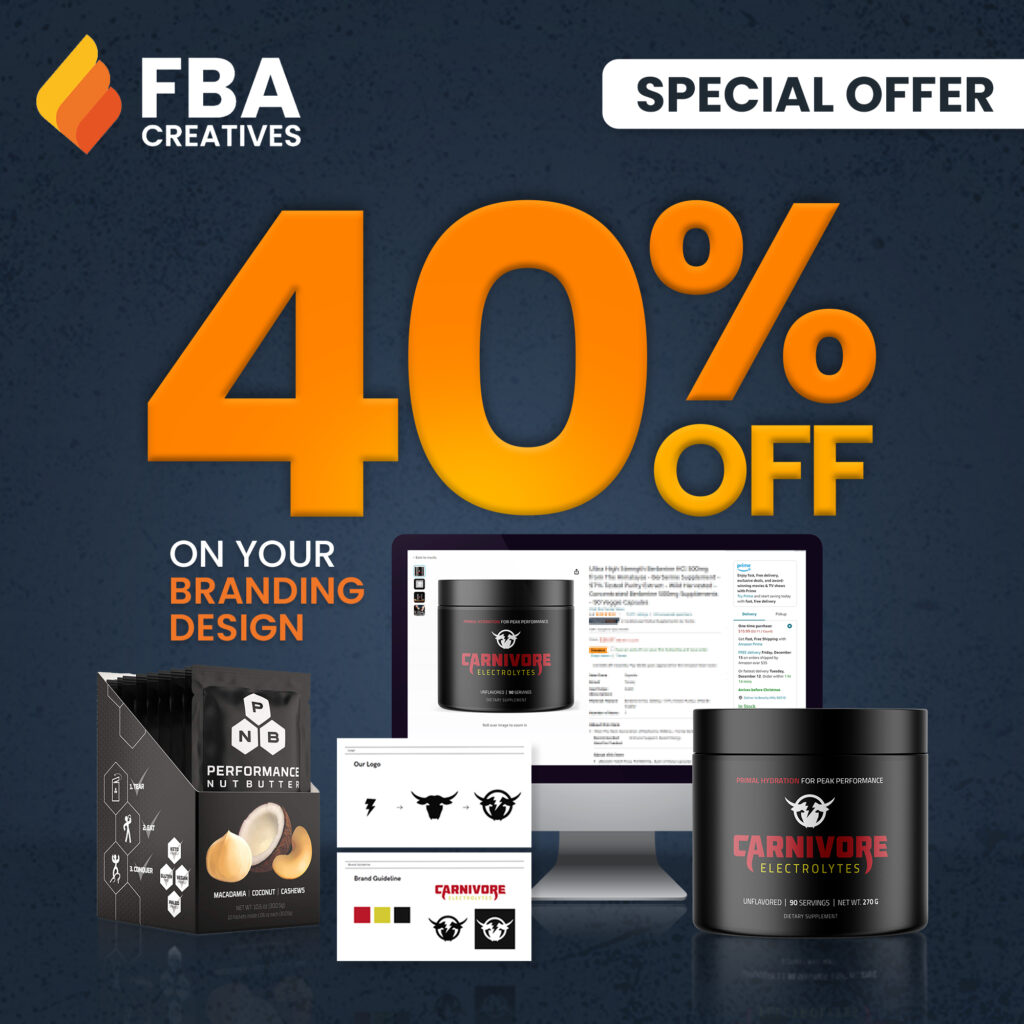
Some sellers feel overwhelmed by managing design, copywriting, and keyword optimization. They can leverage services like FBA Creatives (Get 40% OFF with code TRAVIS). This company handles everything from descriptions to logos and packaging. This full-service approach eliminates the learning curve. It also ensures professional results from day one. However, Eric chose to manage these elements personally. He learned valuable skills while controlling costs where possible. Consequently, his hands-on approach taught him something important. He gained intimate knowledge of his brand’s visual identity and messaging strategy.
Finding and Vetting Manufacturers

The manufacturing journey represented Eric’s single largest expense. It required a $10,000 investment for his first production run. This produced 60,000 Dill tablets. Before committing this substantial sum, Eric took action. He contacted 20 to 30 different manufacturers on Alibaba and carefully vetted each option. He spent $100 ordering samples from four different manufacturers. This helped him build trust and evaluate quality before selecting his partner. Interestingly, his chosen manufacturer reimbursed that $100 sample cost. This happened during the first production run. The initial testing became essentially free.
Finding reliable manufacturers requires thorough research across multiple platforms. Sellers can explore beyond Alibaba. Thomasnet.com offers USA-based manufacturers. Sellers can also simply Google their product type plus “manufacturer” to discover options. Building strong manufacturer relationships proves crucial for long-term success. Quality consistency and communication determine whether your Amazon FBA business thrives or collapses. Therefore, Eric’s methodical approach to manufacturer selection was wise. Despite being time-consuming, it established a foundation. This foundation supported reliable product quality that would eventually support his brand’s reputation.
Shipping and Amazon Setup Costs

Eric manufactured 60,000 units. After this, he confronted a new logistical challenge. He needed to move products from the manufacturer to himself. Then, ultimately, they needed to reach Amazon’s fulfillment centers. Shipping from the manufacturer to Eric’s location cost approximately $1,500. His decision to choose sea shipping over air freight heavily influenced this figure. Air shipping delivers products much faster. However, it costs significantly more. This made ocean freight the sensible choice for sellers not facing urgent deadlines. Subsequently, this strategic decision saved Eric potentially thousands of dollars. It required patience as products slowly made their way across the ocean.
The next shipping leg came with additional costs. Moving products from Eric’s location to Amazon FBA warehouses cost an additional $2,700. This expense covers Amazon’s requirements for properly labeled, packaged, and prepared inventory. The inventory must be ready for their fulfillment system. FBA means “Fulfilled by Amazon.” This allows sellers to leverage Amazon’s world-class logistics network. Amazon handles storage, picking, packing, and shipping to customers. Consequently, this service fee is substantial. However, it frees sellers from managing complex logistics operations themselves. They can focus on marketing and growth instead.
Amazon seller requirements added several smaller but necessary expenses. These added to Eric’s startup costs. He purchased UPC codes for $30 from GS1.org. These provide the universal product codes (barcodes) required for every product sold on Amazon. Additionally, Eric invested in a professional seller account at $39.99 per month. He chose this rather than the free individual account that charges 99 cents per sale. This decision makes financial sense. It works for anyone planning to sell more than 40 units monthly. The professional account pays for itself. It also provides access to advanced selling tools and advertising options.
Liability insurance represented Eric’s final major setup expense at $2,000. This provided crucial protection. His product clearly stated “do not eat.” Nevertheless, the insurance was necessary. Smart entrepreneurs recognize something important. Customers sometimes use products in unintended ways. This potentially creates legal exposure. Therefore, comprehensive liability insurance protects both the business and personal assets from catastrophic claims. This expense might seem excessive for a toilet tablet. However, Eric’s conservative approach to risk management demonstrates something crucial. It shows the professional mindset required for sustainable business growth rather than reckless entrepreneurship.
The First Five Months: A Rollercoaster of Revenue and Lessons

Eric’s launch month brought both excitement and crushing disappointment. He generated only $275 in revenue while losing $159 overall. He sold just 11 units. This barely covered his $66 manufacturing cost before Amazon’s fees consumed the rest. The 15% referral fee cost him $41.25. Pick-pack-and-ship fees added $77. His initial PPC advertising investment of $250 pushed him deep into the red. Moreover, Eric’s decision to use Amazon Vine for reviews backfired spectacularly. It cost $500 and generated primarily negative reviews. These came from customers who apparently didn’t use the product correctly.
The Amazon Vine program sends free products to trusted Amazon reviewers. They provide honest feedback in exchange. Eric assumed this would jumpstart his reviews and build credibility quickly. However, the reviews suggested users didn’t follow instructions properly. This highlighted a critical lesson. Crystal-clear, foolproof instructions are absolutely essential when using Vine. Nevertheless, Eric found encouragement in statistics. Over 400,000 third-party sellers earn six figures annually. This reminded himself that business growth requires patience. It also requires persistence through early setbacks.
Month two delivered even worse results. Eric earned $500 in revenue from 22 units. However, he suffered a devastating $800+ loss. Eric’s PPC spending jumped to $1,000. He desperately tried to generate momentum. Amazon fees and manufacturing costs consumed the rest. This mounting frustration led to constant action. He continuously tweaked and iterated his product listing. He adjusted images, copy, and keywords to find the winning combination. Meanwhile, Eric’s PPC spending spiraled out of control. He made a catastrophic strategic error. This would eventually cost him over $5,000. He wouldn’t fully recognize this mistake for another month.
Month three brought Eric’s highest revenue yet at $1,500. He sold 60 units. This suggested his optimizations were finally working. However, this apparent success masked his biggest loss. He ended up over $2,500 in the red. He had spent a staggering $3,000 on Amazon PPC alone. Eric’s critical mistake finally became clear. He had focused entirely on lower-funnel tactics (Amazon PPC). He completely neglected upper-funnel branding and awareness building. His return on ad spend hovered at a pathetic 10%. He was overbidding on keywords. He didn’t understand the full marketing funnel. Consequently, Eric realized something important. He had deviated from his original plan to build a strong brand. Instead, he was chasing quick sales through the most expensive channel possible.
Understanding Amazon’s Fee Structure

Amazon’s fee structure can shock new sellers who haven’t properly budgeted for ongoing costs. Eric experienced this firsthand when his revenue was consumed by various fees. Understanding these costs before launching helps sellers price products correctly and maintain profitability. The referral fee alone takes 15% of every sale for most categories. This percentage might seem small initially. However, it adds up quickly as sales volume increases. Eric paid $41.25 in his first month just in referral fees on $275 in revenue.
FBA fees represent another significant ongoing expense that many new sellers underestimate. Amazon charges pick, pack, and ship fees for every unit they fulfill. These fees vary based on product size and weight. Eric paid $77 in FBA fees during his first month on just 11 units sold. That’s approximately $7 per unit in fulfillment costs. Additionally, Amazon charges monthly storage fees for inventory sitting in their warehouses. These fees increase during the holiday season when warehouse space becomes premium. Therefore, sellers must factor these costs into their pricing strategy from day one.
Long-term storage fees can devastate sellers who overestimate demand and order too much inventory. Amazon charges additional fees for products sitting in warehouses longer than 365 days. Eric avoided this particular fee by starting conservatively with his inventory. However, many ambitious sellers order large quantities to reduce per-unit manufacturing costs. Then they discover their products don’t sell as quickly as anticipated. Consequently, they face mounting storage fees that erode already thin margins. Smart sellers balance manufacturing economies of scale against the risk of excess inventory.
Monthly subscription fees and advertising costs represent the final major expense category. The professional seller account costs $39.99 monthly regardless of sales volume. PPC advertising costs vary wildly based on competition and strategy. Eric’s PPC spending ranged from $250 in month one to $3,000 in month three. This dramatic increase nearly bankrupted his business before he corrected course. Understanding these variable costs helps sellers budget appropriately and avoid Eric’s mistake of spending unsustainably on advertising. Proper fee awareness transforms Amazon from a money pit into a profitable platform.
Pivoting Strategy: Months Four and Five

Month four saw revenue plummet to just $400. However, Eric’s losses narrowed to $144. He began reining in his reckless PPC spending. This frustrating decline occurred during the holiday season. Eric was simultaneously racking up credit card debt to fund inventory and advertising. However, this setback triggered a crucial realization. He needed to take radical risks to achieve radical success. Therefore, Eric completely restructured his marketing approach. He implemented a proper full-funnel strategy. This replaced his reliance solely on Amazon’s expensive pay-per-click advertising.
Eric’s new strategy allocated marketing budget across three distinct funnel stages. He stopped dumping everything into Amazon PPC. He launched Meta campaigns for upper-funnel branding and awareness. This built recognition for Dill beyond Amazon’s ecosystem. Google search ads handled middle-funnel prospects. These were people already researching solutions. Amazon PPC focused exclusively on lower-funnel buyers ready to purchase. Additionally, Eric made a bold decision. He slashed his price by 50% during the holidays. He wanted to test something. Was his product idea solid but simply overpriced for an unknown brand?
Month five vindicated Eric’s strategic pivot. It delivered his highest revenue ever at $1,325. However, he still lost $500 overall. This bittersweet result proved something important. His radical risk paid off in terms of volume and customer acquisition. Profitability remained elusive nonetheless. His current metrics show a 72% TACOS (Total Advertising Cost of Sale). He has roughly 100% ROAS (Return on Ad Spend). This means he breaks even on advertising. However, he still operates at about a $20 loss per sale when factoring in all costs. Nevertheless, these improving numbers demonstrate progress in the right direction.
Most encouragingly, Eric discovered something valuable. His top-converting keyword was “Dill”, his own brand name. This revelation validated that his brand-building efforts were finally generating awareness and loyalty. Customers now specifically search for his product rather than generic alternatives. Eric continues operating in the red overall. However, he maintains perspective. He’s still early in his journey. Consequently, he views these losses as investments. They fund customer acquisition, brand building, and market education. These will eventually yield substantial returns as his business matures and scales.
Key Lessons and Mistakes to Avoid

Eric’s $5,000+ PPC mistake stands as his most expensive lesson. It illustrates a dangerous practice. Relying exclusively on Amazon’s pay-per-click advertising is risky. This is especially true without building brand awareness first. Eric focused solely on lower-funnel tactics. He essentially paid Amazon to introduce customers to his product. Then he watched those customers comparison shop. Many potentially bought from competitors. A proper marketing funnel works differently. It builds awareness through content and social media. It nurtures interest through educational content. Then it converts warm prospects through targeted advertising. Therefore, sellers must resist a tempting shortcut. Don’t dump your entire budget into Amazon PPC.
The Passion Product Formula specifically addresses this common mistake. It teaches sellers how to build sustainable brands. It doesn’t just teach arbitraging Amazon’s traffic. Travis emphasizes creating valuable content. He stresses building social followings and establishing brand identity. Do this before heavily investing in paid advertising. Consequently, students who follow this methodology avoid Eric’s painful experience. They don’t watch thousands of dollars evaporate while generating minimal returns. Understanding the difference between brand building and performance marketing is crucial. This knowledge could have saved Eric months of frustration. It could have saved thousands of dollars in wasted ad spend.
Eric’s Amazon Vine miscalculation cost him $500. It also saddled his listing with negative reviews. These damaged early momentum. The core issue wasn’t the program itself. Rather, it was Eric’s assumption. He assumed customers would intuitively understand how to use his product correctly. This experience reinforces the importance of something critical. Create idiot-proof instructions. These eliminate any possibility of misuse. Furthermore, sellers should carefully consider whether Vine makes sense for their specific product. This is particularly true for items requiring explanation or demonstration to achieve intended results.
Pricing strategy emerged as another significant learning curve for Eric. He initially overpriced Dill for an unknown brand. His 50% price reduction during the holidays immediately boosted sales volume. This suggested something important. Market penetration pricing might work better than premium positioning for new brands. Operating at a loss hurts financially. However, it provides invaluable data about price sensitivity and customer acquisition costs. Therefore, Eric’s willingness to experiment with pricing was valuable. Though expensive, it will ultimately help him find something crucial. He’ll discover the optimal balance between profitability and market share. This will happen as his brand recognition grows.
Essential Tools and Resources Every Amazon Seller Needs
Product Research and Validation Tools

Successful Amazon FBA sellers rely on specific tools to research products and validate demand before investing capital. Helium 10 stands as the industry-standard research platform for identifying profitable product opportunities. It provides keyword search volume data, competition analysis, and profitability calculators. Eric used this tool to validate his product idea and understand customer search behavior. The Passion Product Formula offers exclusive discount codes for Helium 10. These codes provide the biggest discounts available anywhere. Therefore, aspiring sellers should take advantage of these savings before investing thousands in inventory.
Competitive intelligence tools reveal critical market data that guides strategic positioning decisions. Tools like Jungle Scout and Viral Launch provide insights into competitor performance across the marketplace. They reveal competitor sales volumes, pricing strategies, and review acquisition rates. This data helps sellers position their products strategically in crowded marketplaces. Additionally, these platforms offer product tracking features that monitor competitor inventory levels and pricing changes. Smart sellers use this information to identify market gaps and optimize their own pricing strategies. Consequently, investing in quality research tools prevents costly mistakes and identifies genuine opportunities.
Listing Optimization and Design Services
Listing optimization tools help sellers create compelling product pages that convert browsers into buyers. FBA Creatives (Get 40% OFF with code TRAVIS) offers comprehensive services including keyword research, copywriting, and graphic design. This full-service approach eliminates guesswork for sellers who lack design expertise. The company handles everything from product descriptions to A+ content and storefront design. Their professional team understands Amazon’s algorithm and creates listings optimized for both search visibility and conversion. Therefore, sellers who want professional results without the learning curve should consider these services.
Eric chose to handle listing optimization tasks personally initially to control costs and learn the process. However, he later recognized that professional help could have accelerated his success significantly. The time invested in learning design software and copywriting best practices diverted attention from strategic business decisions. Additionally, professional designers understand visual hierarchy and persuasive copywriting techniques that amateurs often miss. This expertise translates directly into higher conversion rates and better return on advertising spend. Consequently, sellers must weigh the cost of professional services against the opportunity cost of their own time and expertise gaps.
Financial Management and Inventory Control
Financial management and accounting software become essential as Amazon FBA businesses scale beyond initial launches. QuickBooks helps track expenses, revenue, and profitability across multiple products and sales channels. Eric invested in this software from day one. This wise decision gave him clear visibility into his financial performance across all business activities. It allowed him to make data-driven decisions about pricing and advertising spending. Furthermore, proper accounting software simplifies tax preparation and provides audit trails for business expenses. Therefore, sellers should implement financial tracking systems immediately rather than trying to reconstruct records later.
Inventory management tools prevent the dual disasters of stockouts and excess inventory situations. These sophisticated platforms forecast demand based on historical sales data and seasonal trends. They automatically generate purchase orders when inventory reaches predetermined thresholds based on lead times. This automation prevents the common mistake of ordering too late and losing sales momentum. Additionally, these tools calculate optimal order quantities that balance manufacturing discounts against storage fees and cash flow constraints. Consequently, sellers avoid the cash flow crisis of tying up capital in slow-moving inventory while ensuring popular products never run out of stock.
Customer Communication and Review Management

Review management and customer communication platforms round out the essential toolkit for serious Amazon FBA sellers. Tools like FeedbackWhiz automate review requests and monitor seller feedback scores continuously. They alert sellers to negative reviews immediately through email or text notifications. This allows quick responses that can prevent lasting damage to product ratings and seller metrics. Additionally, these platforms track review velocity and identify suspicious patterns that might indicate competitor sabotage. Therefore, proactive review management protects brand reputation and maintains the high ratings necessary for Buy Box eligibility.
Email marketing platforms build relationships with customers beyond the Amazon ecosystem’s limitations. These tools capture customer information through product inserts and warranty registration offers. They enable sellers to communicate directly with buyers for product launches, promotions, and educational content. Eric’s eventual success with brand-name searches stems partly from building recognition outside Amazon through strategic email campaigns. Additionally, owned email lists provide business value independent of Amazon’s platform and policies. Therefore, sellers should invest in these relationship-building tools early in their journey. They create competitive moats that protect against commodity competition and price wars while building sellable business assets.
The Bigger Picture: Why Eric’s Investment Still Makes Sense
Eric lost money consistently for five months. Despite this, he maintains confidence in his Amazon FBA business. He has several compelling reasons. Industry statistics provide genuine encouragement. 43% of Amazon FBA sellers generate over $100,000 in their first year. More than 400,000 third-party sellers earn six figures annually. These numbers aren’t marketing hype. They represent real sellers building profitable businesses on Amazon’s platform. Furthermore, most successful businesses don’t profit immediately. The early stages typically involve investment. This includes customer acquisition, brand building, and market education. These pay dividends over time.
Eric’s top-converting keyword being his own brand name “Dill” provides concrete validation. His brand-building efforts are working. Customers now actively search for his specific product. They don’t search for generic alternatives. This indicates growing brand awareness and loyalty. This organic brand equity compounds over time. It creates a defensible moat against competitors. Competitors can easily copy products. However, they cannot easily replicate established brand recognition. Consequently, every sale matters. Every marketing dollar spent contributes to building this intangible asset. This asset will eventually drive profitable growth.
The learning curve for Amazon FBA proves expensive. However, it delivers invaluable knowledge. This knowledge applies across all e-commerce channels. Eric now understands many crucial skills. These include keyword research, PPC management, and listing optimization. He also understands customer psychology, manufacturing relationships, and full-funnel marketing. These skills are worth far more than the $22,000 he invested. Additionally, his hands-on experience provides insights. No course or book could fully teach these lessons. Therefore, viewing startup costs as tuition for a business education makes sense. This reframes losses as investments in human capital rather than failures.
Eric’s journey also demonstrates something important. Maintaining a long-term perspective when building businesses is crucial. Month-to-month fluctuations create emotional rollercoasters. These can derail entrepreneurs who expect immediate returns. However, those who persist through early challenges succeed. They continuously optimize their approach. They maintain conviction in their product’s value proposition. Eventually, they break through to profitability. Amazon’s platform provides unparalleled access. Hundreds of millions of customers worldwide use it. This makes it worth enduring the startup phase’s financial pain. The potential upside comes from tapping into this massive marketplace.
Building a Profitable Amazon Brand for the Long Term

Creating a sustainable Amazon business requires thinking beyond individual product launches. Successful sellers build portfolios of complementary products that serve the same target customer. Eric started with a single SKU, his Dill toilet tablets. However, his long-term strategy should involve expanding into related bathroom and travel accessories. This approach increases customer lifetime value dramatically. A customer who buys toilet tablets might also purchase travel-sized soap dispensers, portable bidets, or odor-eliminating sprays. Therefore, smart sellers plan their product roadmap from day one rather than treating each launch as isolated.
Brand loyalty on Amazon comes from consistently exceeding customer expectations across multiple touchpoints. This includes fast shipping, quality products, responsive customer service, and thoughtful packaging. Eric invested in premium packaging design from the beginning. This decision reinforced Dill’s positioning as a premium solution rather than a commodity product. Additionally, sellers should leverage Amazon’s Brand Registry program once they secure trademarks. This program unlocks enhanced brand content, stores, and sponsored brand advertising options. These features help established brands differentiate from generic competitors flooding the marketplace.
Diversification beyond Amazon protects sellers from platform dependency and policy changes. Eric built a Shopify store as proof of concept before launching on Amazon. This demonstrates smart thinking about multi-channel retail strategy. Successful sellers eventually drive traffic to their own websites through content marketing and social media. They build email lists that provide direct customer access without Amazon’s fees and restrictions. Consequently, these sellers create true business assets that could be sold for significant multiples. Pure Amazon arbitrage businesses have limited exit value. However, recognized brands with diversified sales channels command premium acquisition prices.
Long-term profitability requires ruthless focus on unit economics and operational efficiency. Eric’s current $20 loss per sale is unsustainable indefinitely. He must either increase prices, reduce costs, or improve conversion rates to reach profitability. Many sellers achieve this by renegotiating manufacturing costs after proving volume. Others optimize packaging to reduce dimensional weight and lower FBA fees. Some invest in better listing optimization to increase conversion rates and reduce advertising dependency. Therefore, sellers should continuously analyze their cost structure and identify improvement opportunities. The difference between 5% and 15% profit margins determines whether Amazon remains a side hustle or becomes life-changing wealth.
How the Passion Product Formula Helps You Avoid These Mistakes
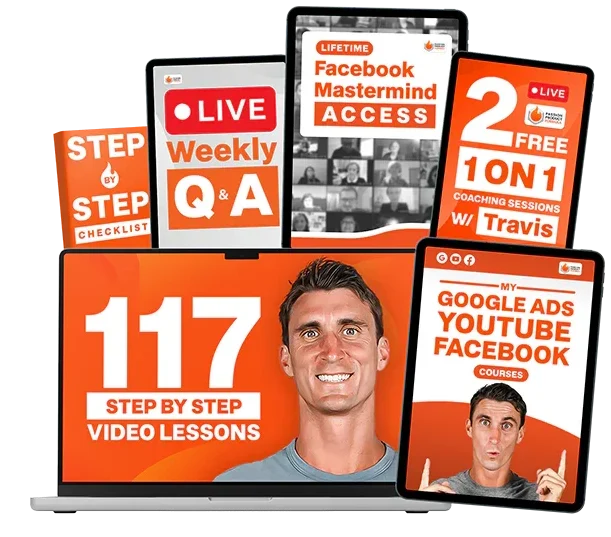
Travis and the Passion Product Formula offer aspiring Amazon sellers a proven roadmap. This helps avoid the expensive mistakes Eric encountered. The free 10-hour Amazon FBA course is available on YouTube. It provides comprehensive training. This covers product research, supplier sourcing, listing optimization, and marketing strategies. Furthermore, the complete paid course guides students through every single step. This includes building an Amazon business from initial concept to scaling operations. This structured education replaces costly trial-and-error learning. It provides battle-tested methodologies. These have helped thousands of sellers achieve success.
The Passion Product Formula specifically addresses Eric’s most painful mistakes. It does this through its holistic approach to Amazon selling. Travis doesn’t treat Amazon as merely a marketplace for transactions. Rather, he teaches students to build genuine brands. These brands command customer loyalty and premium pricing. The course covers proper keyword research. It uses tools like Helium 10. This ensures students understand demand before investing capital. Additionally, Travis provides cost-saving strategies for expenses like trademark registration. This potentially saves students thousands of dollars. Compare this to Eric’s $3,000 investment in legal fees.
Marketing funnel strategy represents another crucial area. The Passion Product Formula could have saved Eric from his $5,000+ PPC disaster. The course teaches students to build awareness through content creation. It shows how to nurture prospects through valuable education. It demonstrates converting customers through strategic advertising across multiple channels. This comprehensive approach prevents a critical mistake. Students don’t over-rely on Amazon PPC while neglecting brand building. Consequently, students learn to create sustainable competitive advantages. They don’t simply arbitrage Amazon’s traffic at unsustainable costs.
Beyond the core curriculum, the Passion Product Formula ecosystem includes additional resources. FBA Creatives (Get 40% OFF with code TRAVIS) is one example. It offers professional design and listing optimization services. These complementary offerings allow sellers to leverage expert help. They can get assistance in areas outside their expertise. They don’t need to navigate the confusing marketplace of freelancers. Therefore, investing in proper education through the Passion Product Formula represents something valuable. It’s a fraction of what Eric spent learning through expensive mistakes. It also potentially accelerates the path to profitability. This could save months or even years. Knowledge truly serves as the most valuable competitive advantage. This is especially true in Amazon’s increasingly sophisticated marketplace.
Your Path Forward: Taking Action With Confidence

Eric’s transparent journey provides invaluable insights. He went from a $22,000 investment to early losses. This helps anyone considering Amazon FBA as a business opportunity. His story demonstrates that Amazon selling absolutely works. Evidence comes from hundreds of thousands of six-figure sellers. However, success requires realistic expectations and proper preparation. The expensive mistakes Eric made weren’t inevitable. They resulted from gaps in knowledge. Proper education could have filled these gaps. Therefore, aspiring sellers face a critical choice. They can learn through costly trial-and-error like Eric. Or they can invest in proven training. This training compresses the learning curve and preserves capital for inventory and marketing.
The ultimate lesson from Eric’s experience centers on something important. Brand building matters more than short-term sales tactics. His regret about neglecting upper-funnel marketing represents his most expensive mistake. Focusing exclusively on Amazon PPC cost over $5,000 in wasted ad spend. Dill isn’t just about blocking bathroom odors. It’s about giving people confidence in social situations. These include attending dinner parties, going on dates, or conducting business meetings. That emotional resonance and brand story create lasting value. This transcends commodity competition. Consequently, sellers who invest time and resources into crafting compelling brand narratives position themselves for success. This success is sustainable rather than fleeting.
Eric’s fifth month showed his highest revenue yet at $1,325. This demonstrates that momentum builds. It builds when sellers combine proper strategy with persistence. His top keyword being his own brand name validates something crucial. The brand recognition he’s building will eventually drive profitable growth. He currently operates at roughly breakeven on advertising. He has small per-sale losses. However, these metrics trend in the right direction. Furthermore, his growing understanding helps. He understands full-funnel marketing, pricing strategy, and customer acquisition costs. This provides the foundation for eventual profitability. This will happen as his brand awareness expands and customer lifetime value increases.
The most encouraging aspect of Eric’s journey involves his unwavering optimism. He maintains this despite early setbacks and substantial losses. He maintains conviction. His $22,000 investment represents tuition for a business education. This will generate returns for years to come. His willingness to experiment, learn from mistakes, and adjust strategy demonstrates something important. It shows the resilience required for entrepreneurial success. Don’t ignore the power of proper marketing funnels and brand building. Remember something encouraging. Even a toilet tablet can become a thriving brand with the right strategy, education, and persistence. Your Amazon FBA journey can avoid Eric’s most painful mistakes. Start with Travis’s free 10-hour course. Consider the complete Passion Product Formula for comprehensive guidance. This transforms expensive lessons into affordable education.
Frequently Asked Questions
How much money do I really need to start an Amazon FBA business?
Eric spent $22,399 on his first Amazon product. However, your required investment varies dramatically. Product choice, manufacturing costs, and initial inventory size all affect this. Many successful sellers start with $3,000 to $5,000. They choose lighter, smaller products with lower minimum order quantities. However, budget at least $1,000 for essential costs. These include samples, photography, UPC codes, and initial Amazon FBA fees. Additionally, maintain a cash reserve for advertising and unexpected expenses. You’ll likely operate at a loss initially while building momentum.
Should I use Amazon PPC advertising from day one?
Amazon PPC can drive initial sales and gather keyword data. However, Eric’s experience demonstrates a danger. Over-relying on paid advertising without brand awareness is risky. Start with modest PPC budgets. Perhaps $10 to $20 daily works well. Simultaneously, build your brand through content marketing and social media. Furthermore, educate yourself on PPC management. Use resources like the Passion Product Formula before spending thousands of dollars. The key is balancing immediate sales generation with long-term brand building. Don’t dump your entire budget into Amazon’s advertising platform.
Is Amazon Vine worth the $200 enrollment fee?
Amazon Vine can generate initial reviews that boost credibility. However, Eric’s negative experience highlights important caveats. Only use Vine if your product meets certain criteria. It needs crystal-clear, foolproof instructions. It shouldn’t require special knowledge to use correctly. Additionally, ensure your product quality exceeds expectations. Vine reviewers tend to be more critical than average customers. Consider alternatives first. Amazon’s Early Reviewer Program is one option. Building reviews organically through excellent products and customer service is another. Do this before committing to Vine.
How long does it typically take to become profitable on Amazon?
Eric’s five-month journey to breakeven advertising metrics represents a common timeline. However, profitability varies widely. Product margins, competition, and marketing efficiency all play a role. Most sellers should expect 6 to 12 months before achieving consistent monthly profits. Some take 18 months or longer. However, the Passion Product Formula helps compress this timeline. It teaches proven strategies that avoid common mistakes. Furthermore, remember something important. Early losses often represent investments. These fund customer acquisition and brand building. They generate returns over time rather than representing permanent capital destruction.
What’s the most important lesson from Eric’s experience?
Build your brand before heavily investing in performance marketing. Eric’s $5,000+ PPC mistake stemmed from focusing exclusively on lower-funnel advertising. He didn’t create awareness and demand through content and social media. Additionally, invest in education before capital. The Passion Product Formula‘s training costs a fraction of what Eric spent learning through trial and error. Finally, maintain realistic expectations and long-term perspective. Sustainable Amazon FBA businesses require patience and persistence. They don’t follow a get-rich-quick mentality.