
So many scammy Amazon and TikTok gurus promise free secrets only to demand your email, phone number, and then lock everything behind expensive paywalls costing thousands of dollars. This gatekeeping approach makes aspiring sellers not even want to try, but today’s guide breaks that pattern by providing a completely free, step-by-step Amazon FBA course from A to Z. I know this works because I’ve done it myself. I had a product idea, manufactured it, and made tens of thousands of dollars in my first year, and I’m going to share every detail including what my actual product is, something scam artists never do.
Building an Amazon FBA business is one of the best ways to create passive income in 2025, though it is competitive with over 3,500 new sellers joining daily. However, if you follow these simple steps to find a unique product, get it manufactured, and set up your listing properly, you can join the nearly 50% of Amazon FBA sellers making over $100,000 per year. I’ll show you complete transparency in this process, reveal the rookie mistakes most new sellers make, and share the critical errors I made including one that cost me over $10,000 so you can avoid them and start building your Amazon empire today.

- Understanding Amazon FBA Fundamentals
- Finding Your Winning Product
- Setting Up Your Amazon Seller Account
- Finding and Vetting Manufacturers
- Creating Your Product Listing
- Shipping to Amazon FBA Warehouses
- Critical Mistakes to Avoid
- The Passion Product Formula Solution
- Your Next Steps Forward
- Frequently Asked Questions
Understanding Amazon FBA Fundamentals
Fulfilled by Amazon, commonly known as FBA, represents one of the most powerful business models available today. Amazon handles all the logistics of storing, picking, packing, and shipping your products directly to customers. This system allows you to focus on product development and marketing. Meanwhile, Amazon manages the complex fulfillment process that would otherwise consume most of your time and resources.
The most valuable benefit of using FBA is the coveted Prime badge that appears next to your product listings. This small icon carries tremendous weight with Amazon shoppers. Millions of Prime members specifically filter their searches to show only Prime-eligible products. Additionally, Prime customers expect and demand fast shipping, which Amazon guarantees through its sophisticated distribution network.
When you leverage this Amazon FBA course, you’re essentially tapping into Amazon’s infrastructure and reputation. This gives your brand instant credibility in a crowded marketplace. Beyond the operational advantages, Amazon FBA opens the door to an enormous customer base that’s actively searching for products to purchase. Over 310 million Amazon customers worldwide are ready to buy.
Furthermore, 56% of all online shoppers start their product searches on Amazon. You’re positioning your business in front of highly motivated buyers. Amazon functions as a search engine where people type in what they want to buy. This makes it fundamentally different from traditional advertising where you interrupt people who aren’t necessarily ready to purchase. Nearly half of all Amazon FBA sellers generate over $100,000 in annual revenue, proving the opportunity remains accessible to those who follow proven strategies.
Finding Your Winning Product

Amazon FBA course actually tells you exactly which products are making the most money right on its own website. Most new sellers completely overlook this valuable resource. Simply navigate to the Best Sellers tab on Amazon’s homepage and browse through the various categories. You’ll see what’s currently trending and generating the most sales.
By clicking on individual product listings, you can access powerful data that reveals monthly sales volumes. You’ll also see revenue estimates and competitive landscapes within specific niches. This initial research phase helps you understand market demand before investing a single dollar. When you see products selling tens of thousands of units monthly, you’re looking at proven customer demand.
However, the critical insight here is that you shouldn’t copy these exact products. Instead, use them as inspiration to create your own unique offering. You want to stand out from the generic competition flooding the marketplace. This approach forms the foundation of successful selling on Amazon in 2025.
Leveraging Helium 10’s X-Ray Tool
The X-Ray tool from Helium 10 transforms product research from guesswork into data-driven decision making. This powerful browser extension allows you to see behind the curtain of any Amazon listing. You’ll discover monthly revenue, unit sales, competitive metrics, and profitability indicators instantly.
For instance, you might discover that a seemingly simple beauty product is generating over $1 million per month. This immediately signals strong market demand worth exploring further. While Helium 10 offers valuable free tools that provide basic insights, unlocking the premium features gives you a significant competitive advantage.
The platform’s comprehensive data helps you identify products with high demand but manageable competition. This is the sweet spot for new sellers. Moreover, using the discount code available through trusted Amazon FBA course resources ensures you get the best possible deal. This essential research tool can make or break your product selection success.
Keyword Research with Magnet Tool
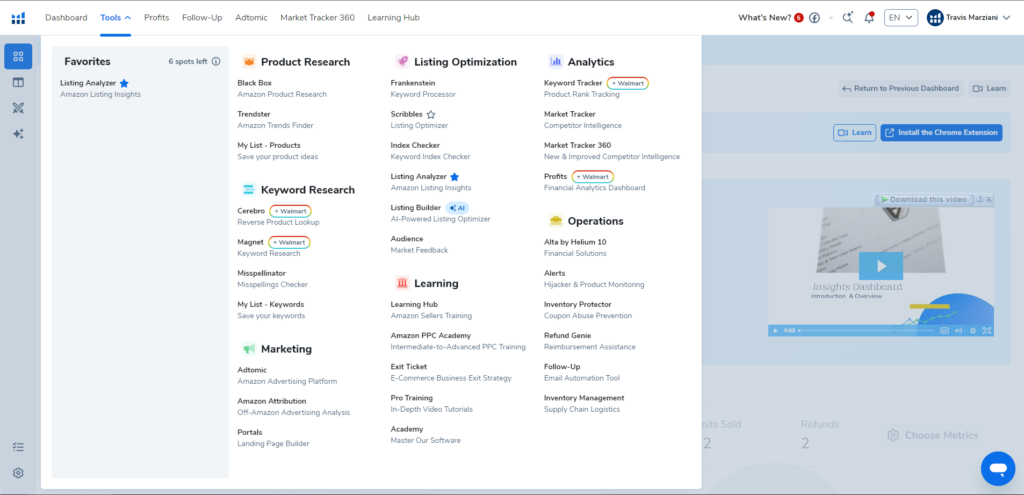
Understanding what customers are actually typing into Amazon’s search bar is absolutely crucial. The Magnet tool within Helium 10 reveals exactly how many people are searching for specific keywords. You can see daily and monthly search volumes for any term you’re researching.
For example, if you’re considering golf-related products, type “golf tee” into Magnet. You’ll instantly see whether 100, 1,000, or 10,000 people are searching for that term each month. This keyword data directly translates into customer demand and sales potential for your product. Higher search volumes indicate more customers actively looking for solutions.
Nevertheless, you must balance search volume against competition levels. The most popular keywords inevitably attract the most sellers fighting for visibility and sales. When launching a golf tee drinking game, discovering that over 3,000 people searched for golf novelty products monthly was game-changing. This represented 3,000 potential customers before the product even existed.
Additionally, the Magnet IQ score provides a quick snapshot of opportunity quality. Helium 10‘s algorithms analyze the data and tell you how good an opportunity your product idea represents. This helps you prioritize which concepts deserve further development and which should be abandoned early.
Amazon’s Hidden Search Data
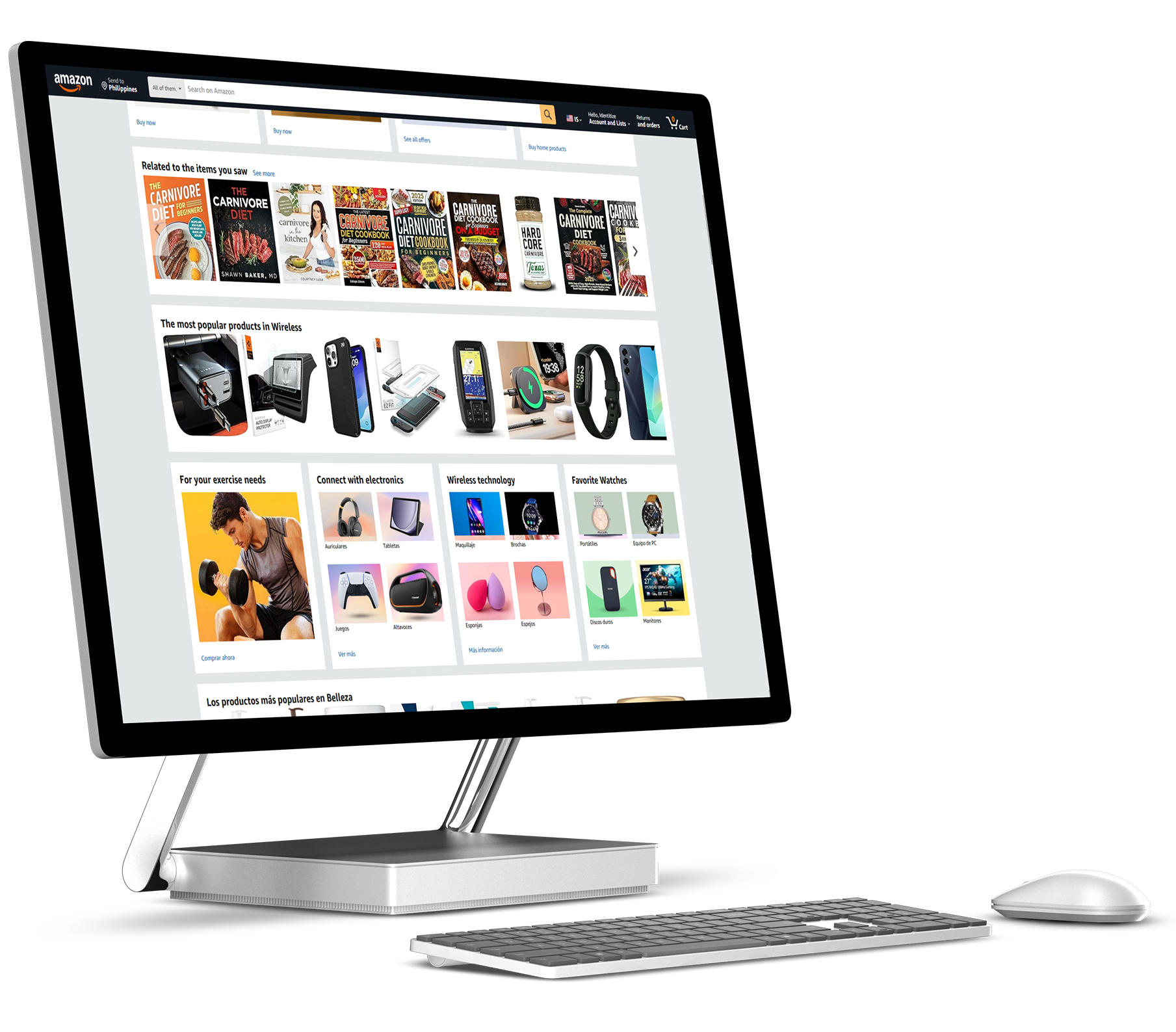
Amazon inadvertently reveals its most popular search terms through a simple trick. Most sellers never discover this valuable technique. Start typing a single letter into Amazon’s search bar and watch what autocompletes. These suggestions represent the most frequently searched terms starting with that letter.
Consequently, when you type “A” and see “AirPods” at the top, you know it’s hugely popular. It’s one of the most searched terms beginning with that letter across the entire platform. The real magic happens when you add a second letter to drill deeper into more specific niches.
For example, typing “be” reveals terms like “beach towel,” “beach bag,” and “berberine.” Each represents significant search volume and customer intent. This technique helped one successful Amazon seller discover that customers were searching for “berberine tea” even though no product existed in that exact category. He created it and became the first to market, generating massive sales from day one.
This strategy works because customers are actively telling Amazon what products they want to buy. Many times, those products don’t exist yet. By identifying these gaps between customer searches and available products, you can create offerings that immediately capture demand. Furthermore, this approach costs nothing and requires only a few minutes of exploration.
Blackbox Tool Strategy
The Blackbox tool takes product research to another level entirely. It filters Amazon’s entire catalog based on your specific criteria. Unlike manually browsing through categories, Blackbox instantly identifies products that match your exact parameters. You can filter by price, weight, competition level, and sales volume simultaneously.
This targeted approach saves countless hours while surfacing opportunities you might never find manually. Setting the right parameters is essential for finding profitable products that fit within the proven Amazon FBA course. Your product should sell for at least $15 to ensure adequate profit margins after Amazon’s fees. Ideally, stay under $85 to maintain impulse purchase potential.
Similarly, keeping products under one pound in weight helps minimize Amazon’s pick-and-pack fees. These fees increase substantially for heavier items and can quickly erode your profit margins. Category selection also plays a crucial role in your product’s success potential. Pet supplies consistently perform well because pet owners willingly spend premium prices on their animals.
Additionally, categories like kitchen and dining, home and kitchen, health and household, beauty and personal care, and baby products all demonstrate strong sales. Once Blackbox generates your filtered results, the real work begins. Look for products generating strong monthly revenue but with obvious shortcomings mentioned in customer reviews. For instance, if you spot dog sweaters making $12,000 monthly but they’re all plain with no patterns, you’ve potentially identified a profitable opportunity.
Setting Up Your Amazon Seller Account
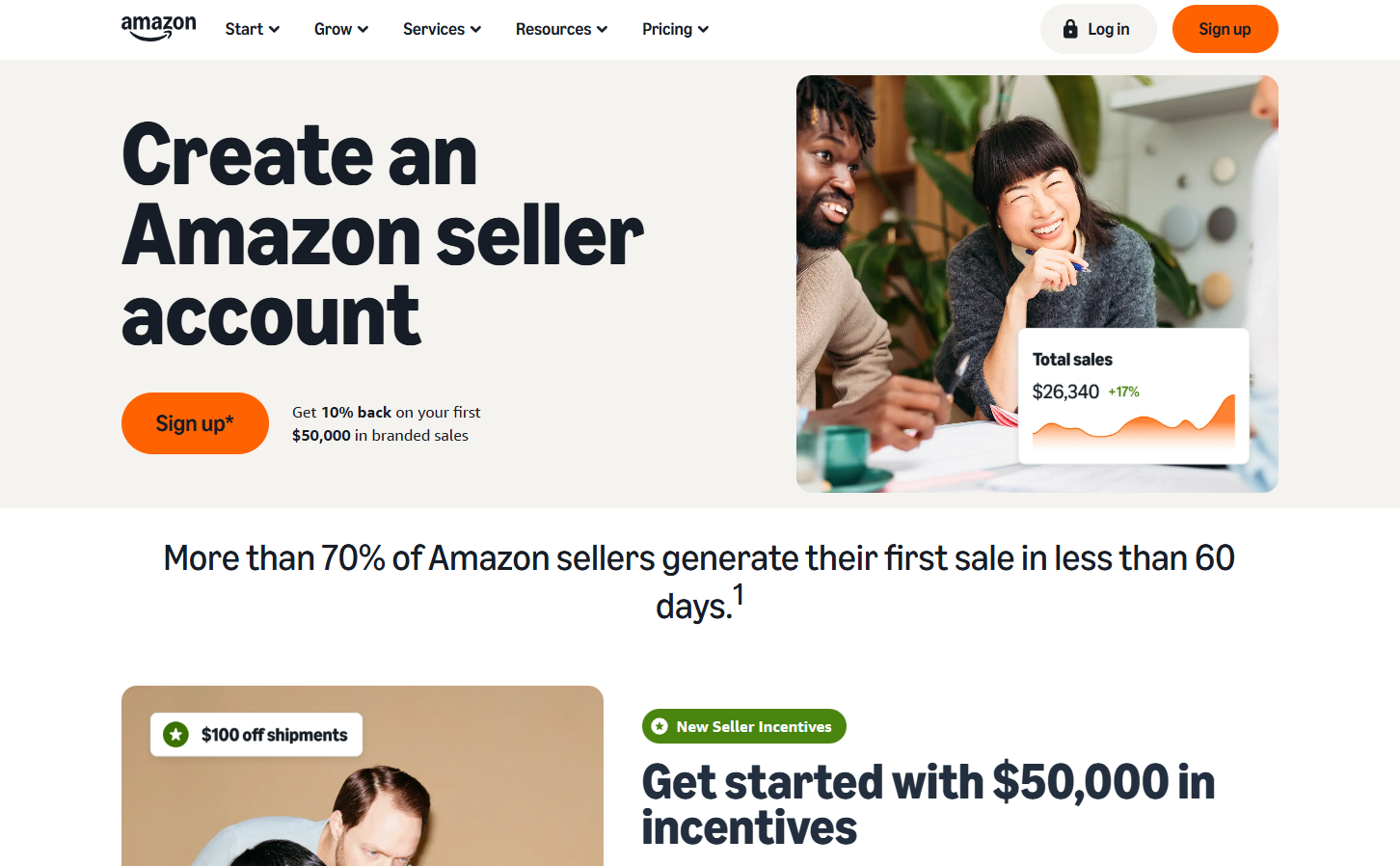
Creating your Amazon Seller Central account is surprisingly straightforward. However, many new sellers make critical mistakes during setup that can result in immediate account bans. Head to sell.amazon.com and click the sign-up button to begin the registration process. Before you proceed, you need to understand the difference between the two account types Amazon offers.
sThe Amazon Professional Seller account costs $39.99 per month but includes unlimited product listings. It also provides access to advanced selling features that serious sellers need. In contrast, the Individual Seller account is free but charges 99 cents per unit sold. This makes it cost-effective only if you’re selling fewer than 40 units monthly.
For serious sellers planning to build a real business, the Professional account makes more financial sense. It provides the tools necessary to compete effectively in the marketplace. During the registration process, Amazon will ask you to select your business entity type. Most new sellers should choose “privately-owned business,” which requires either an LLC or DBA registered with your state.
Setting up an LLC costs around $200 through services like WyomingAgent.net or LegalZoom. It provides crucial liability protection for your personal assets. Alternatively, if you’re selling low-risk products like hats or accessories, a DBA costs about $99. This satisfies Amazon’s basic requirements, though it doesn’t offer the same legal protections as an LLC. Pay extremely close attention when entering your payment information, always use a credit card rather than a debit card for your seller account fees.
Finding and Vetting Manufacturers
Alibaba.com Strategy
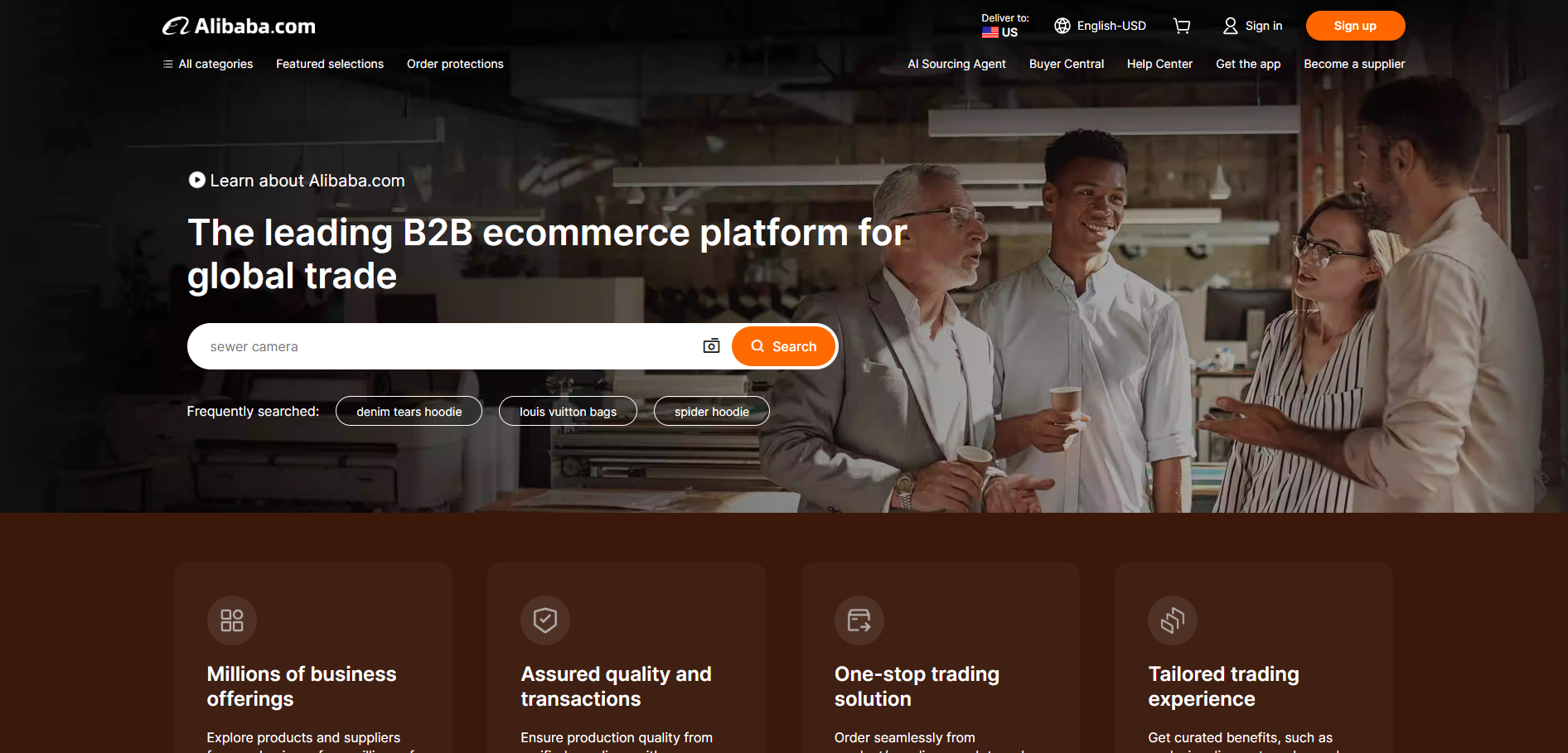
Alibaba serves as the world’s largest marketplace connecting buyers with manufacturers. You’ll find suppliers primarily in China but also throughout India, Vietnam, and Southeast Asia. Virtually any product you can imagine can be manufactured through suppliers found on this platform. Nevertheless, navigating Alibaba successfully requires understanding how to filter through thousands of suppliers.
Start by typing your product into Alibaba’s search bar. Then immediately apply two critical filters: Trade Assurance and Verified Manufacturer. Trade Assurance guarantees your money if anything goes wrong during the transaction. The Verified Manufacturer badge means Alibaba actually sent a representative to inspect the factory.
These two filters alone eliminate the vast majority of sketchy suppliers. They weed out operations that work from warehouses rather than actual manufacturing facilities. Beyond these basic filters, examine each potential supplier’s longevity and customer reviews carefully. Manufacturers in business for five to ten years or longer have proven their reliability and staying power.
Newer operations carry higher risk even if they offer attractive pricing. Additionally, look for suppliers with 4 to 5-star ratings from previous customers. These reviews provide insights into communication quality, product consistency, and problem resolution. Important note: you should never use Alibaba for consumable products like food, beverages, or supplements. The certification and safety standards for these items require US-based manufacturers you can verify and trust.
ThomasNet.com for American Suppliers
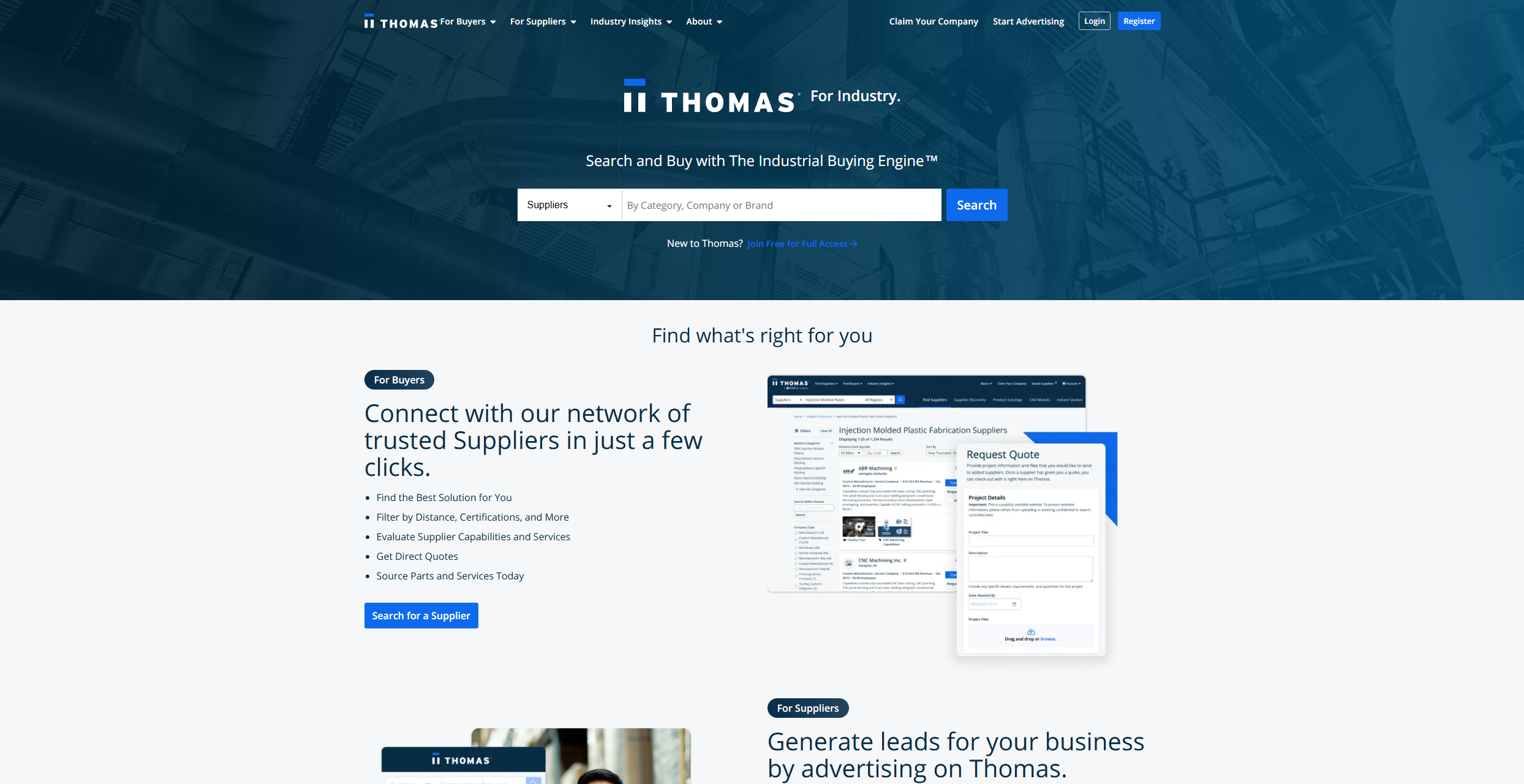
ThomasNet provides a comprehensive directory of American manufacturers across virtually every industry and product category. The interface functions similarly to Alibaba, allowing you to search for specific products. You’ll receive a list of qualified suppliers based in the United States.
However, the key difference lies in cost. American manufacturers typically charge significantly more than overseas suppliers. Higher labor costs, stricter regulations, and premium materials all contribute to the price difference. Despite the higher prices, domestic manufacturing offers distinct advantages that justify the premium for certain product types.
Manufacturing in America dramatically reduces shipping times and costs. It also eliminates international logistics complications entirely. Moreover, the “Made in USA” label carries substantial marketing value with certain customer segments. These buyers actively seek domestically produced goods and willingly pay higher prices for them.
ThomasNet becomes absolutely essential when you’re creating consumable products. American manufacturers possess the necessary FDA certifications, quality control processes, and safety standards. These protect both you and your customers from potential liability issues. Furthermore, having a domestic manufacturing partner makes it far easier to visit the facility and inspect production runs.
Creating Your Product Listing

Listing Fundamentals
Your Amazon product listing represents the only interaction most customers will have with your product before purchasing. Unlike physical retail where shoppers can pick up and examine products directly, Amazon customers rely entirely on your listing. They depend on photos, titles, descriptions, and reviews to determine whether your product meets their needs.
Consequently, creating a compelling listing that converts browsers into buyers is absolutely critical. Your success on Amazon depends heavily on listing optimization. The listing creation process begins by understanding that Amazon functions primarily as a search engine. Customers type specific keywords into the search bar looking for solutions to their problems.
Amazon’s algorithm determines which products to show based on relevance and performance. Therefore, your entire listing must be optimized around the keywords your target customers are actually searching for. Simultaneously, you must present your product in the most attractive, trustworthy, and compelling way possible. This dual focus on SEO and persuasion separates successful listings from failures.
Crafting Your Title
Your product title serves double duty as both a keyword optimization tool and a customer-facing headline. It must communicate your product’s core value proposition clearly. Amazon allows up to 200 characters for most categories, and you should use nearly all of them. The key is strategically placing your most important keywords near the beginning.
However, ensure the title still reads naturally to human shoppers scanning search results. For example, consider this title: “Bogeys and Beers Golf Tees with a Twist – Play While You Golf – Fun Interactive On-Course Golf Tee Based Drinking Game – Perfect Golf Gift Bachelor Party Novelty.” This incorporates multiple high-volume search terms effectively.
It includes “golf tees,” “golf gift,” “bachelor party,” and “novelty” seamlessly. This approach captures search traffic from multiple different customer intent pathways. It also clearly communicates what makes the product unique and why someone might want to purchase it. The title works both for Amazon’s algorithm and for human readers.
Category Selection

Choosing the right category for your product determines where it appears in Amazon’s organizational structure. It also determines which competitors you’ll be displayed alongside in search results. Amazon will suggest a category based on your product type. However, you should always verify this matches the categories your main competitors are using.
Appearing in the same category as successful competitor products ensures your listing shows up appropriately. This happens when customers browse those sections or filter search results by category. The category selection process often involves multiple subcategory layers that become increasingly specific.
For instance, a berberine tea product might start in the broad “Grocery and Gourmet Food” category. Then it would filter down through “Beverages,” then “Tea,” and finally land in “Herbal Teas” as its most specific classification. Similarly, a golf tee product might begin in “Sports and Outdoors.” It would progress through several subcategories and ultimately land in “Golf Tees” where it competes directly with similar products.
Bullet Points That Sell
Amazon allows up to five bullet points that appear prominently on your product listing page. These bullets heavily influence customer purchase decisions and deserve careful attention. Each bullet should highlight a specific benefit or feature while incorporating relevant keywords. These keywords help your listing rank for important search terms.
Nevertheless, avoid keyword stuffing that makes bullets difficult to read. Amazon’s algorithm has become sophisticated enough to recognize and potentially penalize unnatural keyword usage. The most effective bullet points focus on benefits rather than just features. They help customers visualize how your product will improve their lives or solve their problems.
For the golf tee drinking game example, bullets highlighted elements like “golf jokes, challenges, and drinking actions.” This communicated the fun, social experience the product creates. However, be cautious with potentially sensitive terms. Mentioning “drinking actions” can trigger Amazon’s shadow ban algorithms for promoting alcohol use. This can potentially limit your product’s visibility in search results even if it doesn’t violate any explicit policies.
Product Photography Excellence

Your main product image represents the single most important element of your entire listing. It’s the first thing customers see in search results. If your main image doesn’t grab attention and communicate quality instantly, potential customers will scroll right past. They’ll never see your carefully crafted bullets, descriptions, or secondary images.
Therefore, investing in professional photography or high-quality product rendering pays enormous dividends. It dramatically improves click-through rates and conversion percentages. Amazon requires your main image to feature the product on a pure white background. You cannot include any additional text, graphics, or lifestyle elements.
However, you have complete creative freedom with your secondary images. These should showcase your product from multiple angles and demonstrate it in use. Highlight key features with callout text and show size comparisons when relevant. Most successful sellers use all seven available image slots to thoroughly communicate their product’s value proposition. This helps differentiate from competitors who rely on lower-quality photography.
Description Optimization
Your product description provides an opportunity to expand on the benefits mentioned in your bullets. It also allows you to incorporate additional keywords that strengthen your listing’s search relevance. Amazon’s algorithm reads and indexes every word in your description. Therefore, this section should be packed with relevant search terms while maintaining natural readability.
Focus on painting a picture of how your product solves specific problems. Show how it enhances the customer’s life rather than simply listing technical specifications. The best descriptions balance keyword optimization with persuasive copywriting. They address common customer objections and questions proactively.
Structure your description into short, scannable paragraphs that are easy to read on mobile devices. Most Amazon shopping now occurs on mobile, so mobile optimization is critical. Additionally, emphasize the unique benefits and features that differentiate your product from competing options. This helps justify premium pricing for customers comparing multiple similar listings simultaneously.
Pricing Strategy
Pricing your Amazon FBA product requires careful calculation of all costs involved. Amazon charges a 15% referral fee on every sale. They also charge variable FBA fulfillment fees based on product size and weight. You also need to account for your manufacturing cost and shipping from the manufacturer to Amazon’s warehouse.
Additionally, factor in any prep or labeling expenses. After totaling these costs, your selling price should be at least three times your total per-unit cost. This ensures adequate profit margins. This 3x rule provides the financial cushion necessary to run profitable advertising campaigns.
It also allows you to offer occasional promotions and absorb the various fees Amazon charges. Moreover, premium pricing positions your product as a quality offering rather than a cheap commodity. When you create a genuinely unique product using the Passion Product Formula methodology, customers will pay premium prices. They’ll choose your branded solution rather than buying generic alternatives based solely on price comparisons.
Shipping to Amazon FBA Warehouses

Getting your products from the manufacturer to Amazon’s fulfillment centers involves a specific process. There are strict requirements that must be followed precisely. Begin by logging into Seller Central and navigating to your inventory management page. Find the product you want to ship.
Click the dropdown menu next to the edit button and select “Send/Replenish Inventory.” This starts the shipment creation workflow that guides you through each required step. The first critical decision involves selecting the correct “ship from” address. This should be your manufacturer’s address if they’re shipping directly to Amazon.
Alternatively, use your own address if products are coming to you first. Getting this wrong can cause significant logistical headaches and additional shipping costs. Packages may route to incorrect warehouses. Subsequently, you’ll select your marketplace destination. For most US-based sellers, this will be the United States market.
Next, you’ll create a case pack template that defines your product’s packaging dimensions. It also specifies how many units fit in each box. Amazon imposes strict requirements here: no box dimension can exceed 25 inches. Total box weight cannot surpass 50 pounds. Additionally, you cannot pack more than 150 units per case.
Understanding Amazon’s labeling system is essential for preventing inventory mix-ups. The FNSKU (Fulfillment Network Stock Keeping Unit) barcode must appear on every individual unit you sell. You can either print these labels yourself and apply them, have your manufacturer do it, or pay Amazon 50 cents per unit. Smart sellers always have manufacturers print FNSKU labels directly on packaging during production. Each shipping box also needs both a UPS shipping label for transit tracking and an Amazon FBA ID label for warehouse processing.
Critical Mistakes to Avoid

Attempting to navigate the trademark registration process without proper legal guidance can result in rejected applications. It also causes wasted fees and months of delays that prevent you from fully protecting your brand. The initial trademark application might seem straightforward. This leads many sellers to attempt DIY registration to save money.
However, when the USPTO requests additional information or clarification, most non-lawyers lack the expertise to respond. This causes applications to stall or get rejected outright. One seller’s trademark journey illustrates this pitfall perfectly. After receiving conditional approval and then getting stuck on follow-up requirements, hiring a low-cost attorney seemed like the solution.
Unfortunately, this attorney made additional mistakes. Worse yet, she ultimately wasn’t even licensed to practice law. This resulted in a failed trademark application and over $2,400 in wasted fees. This expensive lesson demonstrates why sellers should invest in qualified intellectual property attorneys from the beginning. Alternatively, leverage resources like the Passion Product Formula Amazon FBA course. It includes trademark guidance from experienced professionals who understand Amazon’s specific requirements.
Marketing Guru Scam
Paying thousands of dollars to marketing “experts” who promise to skyrocket your product launch often delivers disappointing results. These consultants frequently host podcasts or maintain strong social media presences. This creates an aura of competence and authority. Nevertheless, podcast hosting ability doesn’t translate to marketing campaign effectiveness.
Many of these gurus are simply good at marketing themselves. They’re not actually good at driving results for clients. In one particularly painful example, a $3,000 Kickstarter marketing campaign generated almost zero sales. Meanwhile, 95% of revenue came instead from a free Facebook launch group built with friends and family.
This stark contrast reveals that authentic community building often outperforms expensive paid campaigns. This is especially true for new products without established proof of concept. Rather than throwing money at supposed experts, new sellers should focus on building genuine audiences. Create value-driven content and engagement around your products consistently.
The Marketing Mistake
The single most expensive mistake in Amazon FBA course involves underestimating the importance of building your own traffic sources. Many sellers assume Amazon PPC (pay-per-click advertising) will automatically drive sufficient sales. They discover too late that their product category restricts certain advertising options. Or they find that their keywords are prohibitively expensive.
Without alternative traffic sources like social media followings, email lists, or content marketing channels, sales can completely dry up. This happens once initial launch momentum fades. This oversight cost one seller over $10,000 in lost opportunity and stagnant inventory.
The golf tee drinking game product couldn’t access Amazon PPC effectively. Alcohol-related content restrictions blocked most advertising options. Without a pre-built social media audience to drive organic traffic, sales essentially died after the initial launch period. Building a tribe of engaged followers before launch creates a sustainable traffic source.
This traffic source operates independent of Amazon’s advertising platform. It provides both initial sales velocity and ongoing customer acquisition channels. The lesson here is crystal clear: start building your audience months before your product launches. Create content around your product niche and engage with potential customers authentically.
The Passion Product Formula Solution

Travis Marziani, a seven-figure Amazon seller, created the Passion Product Formula specifically to help entrepreneurs avoid costly mistakes. This Amazon FBA course eliminates the time-consuming learning curves that plague most new sellers. Unlike generic Amazon courses that teach outdated white-labeling strategies, the Passion Product Formula focuses on creating unique products. You’ll learn to serve specific customer communities who will pay premium prices.
This fundamental difference in approach transforms Amazon selling from a race-to-the-bottom commodity business. Instead, it becomes a sustainable brand-building opportunity. The Amazon FBA course provides over 100 step-by-step video tutorials covering every aspect of the journey. You’ll learn everything from initial product ideation through scaling to six figures and beyond.
More importantly, students gain access to weekly live Q&A sessions. Experienced coaches who have sold hundreds of thousands or millions of dollars on Amazon answer specific questions. They troubleshoot challenges in real-time. This ongoing support system ensures you’re never stuck wondering what to do next.
Additionally, the Passion Product Formula Amazon FBA course includes two one-on-one coaching sessions. These provide personalized feedback on your specific product idea, listing optimization, or business strategy. Perhaps most valuable, students receive access to Travis’s private database of pre-vetted manufacturers. These suppliers have successfully produced products for other students, eliminating much of the risk and uncertainty involved in overseas sourcing.
Your Next Steps Forward

Building a successful Amazon FBA business requires following a proven system. You must also avoid the common pitfalls that derail most new sellers. You’ve now learned the complete process from product research using tools like Helium 10‘s X-Ray, Magnet, and Blackbox features. You understand account setup, manufacturer sourcing, listing optimization, and shipping logistics.
More importantly, you understand the critical mistakes that can cost thousands of dollars. These errors waste months of effort if you’re not careful. The opportunity on Amazon remains extraordinary for sellers who create genuine value. Don’t simply white-label generic products from Alibaba.
With 310 million active customers and 56% of online shoppers starting their product searches on Amazon, the potential is massive. Furthermore, the statistic that nearly half of Amazon FBA sellers earn over $100,000 annually demonstrates achievable success. This is possible for those who implement proven strategies consistently.
Starting your Amazon journey doesn’t require massive capital investment or years of e-commerce experience. It requires making the decision to begin and following through with consistent action. Whether you invest in comprehensive training through the Passion Product Formula Amazon FBA course or start with the free 10-hour YouTube course Travis provides, the most important step is simply getting started. Every successful Amazon seller was once exactly where you are right now, staring at the opportunity and deciding whether to take action.
Frequently Asked Questions
How much money do I need to start an Amazon FBA business?
Starting an Amazon FBA business typically requires between $2,500 and $5,000 for your first product. This budget covers your initial inventory order, which usually costs $1,000-$3,000. You’ll also need to pay Amazon seller account fees of $39.99 per month for the Professional account. Additional costs include product photography, UPC codes from GS1 at $30 each, and shipping costs from manufacturer to Amazon warehouses. You can start with less by ordering smaller quantities or choosing lower-cost products. However, having adequate budget ensures you can order sufficient inventory to test the market properly.
Do I need an LLC to sell on Amazon?
You don’t technically need an LLC to start selling on Amazon. You can register as an individual seller or use a DBA (Doing Business As). However, forming an LLC is highly recommended because it protects your personal assets from business liabilities. If someone sues your Amazon business and you’re operating as an individual or with just a DBA, they can potentially go after your personal assets. This includes your house, car, and personal savings. An LLC creates a legal separation between your personal and business assets. It typically costs around $200 to set up through services like WyomingAgent.net or LegalZoom.
How long does it take to start making money with Amazon FBA?
The timeline from starting research to receiving your first sale typically ranges from 2-4 months. This includes 2-3 weeks for product research and manufacturer sourcing. You’ll need 2-4 weeks for sample ordering and approval. Manufacturing and shipping to Amazon takes 4-6 weeks. Finally, Amazon needs 1-2 weeks to receive and process your inventory.
Once your listing goes live, sales can start immediately or take several weeks. This depends on your marketing efforts, listing optimization, and competition level. Building a sustainable six-figure business usually takes 6-12 months of consistent effort. Many sellers find that taking an Amazon FBA course dramatically shortens their learning curve.
Can I sell on Amazon FBA from outside the United States?
Absolutely, Amazon welcomes international sellers. Many successful FBA businesses operate from countries worldwide. You’ll need to register a US business entity (LLC or corporation) and obtain an EIN (Employer Identification Number) from the IRS. This can be done online even if you’re not a US citizen.
You’ll also need a US bank account to receive payments. Services like Payoneer offer solutions for international sellers. The Passion Product Formula Amazon FBA course has students from dozens of countries successfully selling on Amazon US. Travis provides specific guidance for international sellers navigating these requirements.
What’s the difference between private label, white label, and passion products?
Private label means buying generic products from manufacturers and simply adding your logo or branding. You make no actual product modifications. White label is similar but typically involves multiple sellers offering the same unmodified product under different brands.
Passion products, the methodology taught in the Passion Product Formula Amazon FBA course, involve creating unique products. You design specifically for particular customer communities based on their needs and preferences. This approach creates genuine differentiation that allows premium pricing. You avoid competing solely on price with identical products. The golf tee drinking game example represents a passion product because it serves a specific community, weekend golfers who enjoy having fun, with a unique solution that didn’t exist before.
Is Amazon FBA still profitable in 2025?
Yes, Amazon FBA remains highly profitable for sellers who create differentiated products and optimize their operations. While competition has increased, so has the total number of Amazon shoppers and overall marketplace sales. The key to profitability lies in avoiding commodity products where you compete purely on price. Instead, create unique offerings that solve specific problems for defined customer segments.
Nearly half of Amazon FBA sellers still earn over $100,000 annually. New sellers join daily and build successful businesses. Success requires following proven strategies, avoiding common mistakes, and treating your Amazon business as a real company. Taking a quality Amazon FBA course can help you avoid the costly trial-and-error that derails many beginners.
How do I handle customer service and returns with FBA?
One of the biggest advantages of using Fulfilled by Amazon is that Amazon handles all customer service inquiries. They also manage returns and refunds for FBA products. When customers have questions about shipping, want to return items, or experience delivery issues, they contact Amazon directly rather than you.
Amazon processes returns, issues refunds, and manages the entire customer experience. This allows you to focus on product development, marketing, and business growth. You’ll still want to monitor your seller metrics and respond to any direct messages customers send through your storefront. However, the vast majority of customer service work is handled automatically by Amazon’s systems.
What are the ongoing costs of running an Amazon FBA business?
Beyond your initial inventory investment, ongoing costs include the $39.99 monthly Professional Seller subscription. Amazon charges a 15% referral fee on each sale. FBA pick-and-pack fees typically cost $3-$5 per unit depending on size and weight. Monthly storage fees for inventory at Amazon warehouses are usually minimal unless you have excess inventory.
Additionally, many sellers invest in advertising spend for Amazon PPC campaigns. You’ll need to reorder inventory regularly as products sell. You might also invest in tools like Helium 10 for $29-$99 per month for ongoing keyword research and listing optimization. Most successful sellers spend 20-30% of revenue on these combined operating expenses while maintaining healthy profit margins. Many find that investing in an Amazon FBA course upfront saves them thousands in mistakes and wasted advertising spend.