
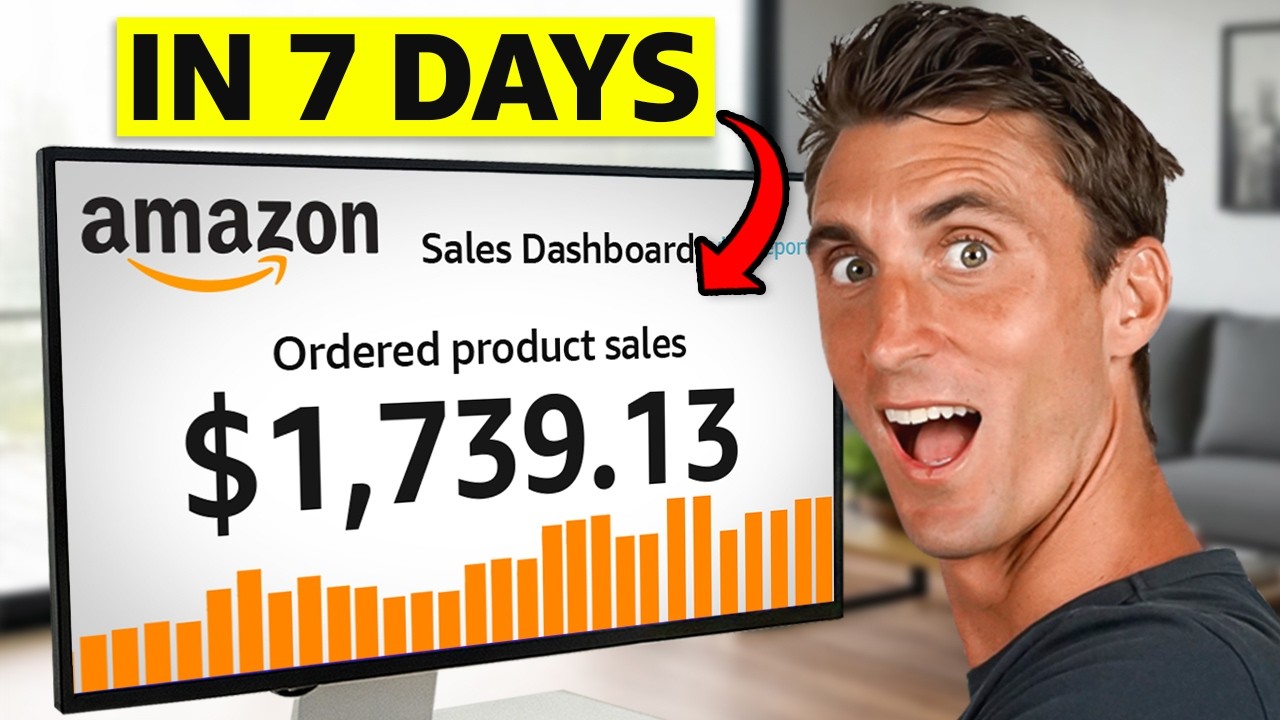
The burning question echoing through entrepreneurial circles in 2025 is whether Amazon FBA is still a viable business model. Skeptics claim the marketplace has become oversaturated, margins have shrunk, and success stories are relics of the past. However, Amazon FBA is not only alive but thriving you can even launch a profitable business in just seven days. This isn’t theoretical speculation, it’s exactly what Travis Marziani and his team accomplished. Consider this: Travis previously launched Carnivore Electrolytes in just seven days back in 2024, and that single product now generates between $60,000 and $100,000 in monthly revenue, translating to $20,000 to $40,000 in pure profit each month.
Furthermore, to prove this wasn’t a fluke, he recently repeated the experiment by launching three completely new products simultaneously. Throughout this comprehensive guide, you’ll discover the exact step-by-step process he used from identifying profitable products to shipping inventory into Amazon’s warehouses. You’ll learn about common pitfalls and success strategies that separate thriving Amazon businesses from those that struggle. By the end, you’ll understand precisely how to replicate this process yourself, whether you’re a complete beginner or someone who’s been on the fence about starting an e-commerce business. Best of all, you’ll see real numbers from real launches that demonstrate how building passive income streams on Amazon FBA remains one of the most accessible opportunities available today.
- Day 1: Product Research – Finding Your Golden Opportunity
- The Seven Research Methods That Uncover Hidden Opportunities
- Understanding the Product Research Checklist
- Leveraging Powerful Research Tools
- Using Google Trends to Ride Market Momentum
- Why Premium Positioning Wins
- Additional Success Criteria
- Real Product Examples: Clove Tea
- Real Product Examples: Clove Water
- Day 2: Finding Your Manufacturer
- Day 3: The Importance of Professional Branding
- Day 4: Setting Up Your Seller Account
- Day 5: Creating Your Amazon Listing
- Day 6: Understanding FBA vs FBM
- Results: The 2-Week Performance Review
- Key Success Principles
- Your Roadmap to Amazon Success
- Taking Your First Step Forward
- Frequently Asked Questions
Day 1: Product Research – Finding Your Golden Opportunity

Product research serves as the foundation upon which your entire Amazon FBA business will either flourish or crumble. Consequently, investing adequate time and resources into this crucial first step cannot be overstated.
The fundamental principle underlying successful Amazon selling is simple. You must understand that Amazon functions as a search engine, not just a marketplace. People visit Amazon already knowing what they want to buy. They type specific keywords into the search bar. Then they select the product that best matches their needs from the results displayed.
The Passion Product Formula methodology emphasizes finding products where you can create something genuinely unique and brandable. This approach differs from competing solely on price. Additionally, this strategy focuses on identifying gaps in the market where customer demand exists but competition remains relatively low.
The Seven Research Methods That Uncover Hidden Opportunities
Travis and his team utilize seven distinct research methods. The first is the Best Sellers Method, which involves diving deep into Amazon’s category structure. Instead of simply copying the top-selling product in broad categories like “Kitchen & Dining,” the strategy involves exploring subcategories. This is where the riches truly hide in the niches.
Tools like Helium 10 dramatically accelerate the research process. They provide data-driven insights that would otherwise require weeks of manual investigation. Specifically, the Magnet tool reveals how many people search for specific keywords each month. It also identifies related search terms that might represent untapped opportunities.
For instance, when Travis typed “carnivore” into the Magnet tool years ago, he discovered something interesting. The term “carnivore electrolytes” had significant search volume but virtually no dedicated products targeting that exact need. Similarly, during this seven-day challenge, the team discovered “clove tea” had over 10,000 monthly searches. Yet there were zero products specifically marketed as pure clove tea.
The product research checklist that guides these decisions includes several critical criteria. First, your product should offer something genuinely unique or better than existing competition. This could be through superior branding, better ingredients, or targeted positioning toward a specific audience.
Understanding the Product Research Checklist
Second, your product should be brandable and have viral potential. This is particularly important now with platforms like TikTok Shop complementing Amazon FBA sales. Third, profitability matters immensely. Aim for products where you can achieve at least a 3x markup, though 4x or 5x proves even better.
Finally, the ideal price point falls between $15 and $85. This range balances healthy profit margins with impulse-purchase psychology. It also helps you avoid products that are too heavy, fragile, or seasonal.
The Best Sellers Method provides immediate visibility into what’s currently working on Amazon’s platform. Nevertheless, simply copying bestsellers guarantees you’ll face established competition. These competitors have thousands of reviews and optimized listings.
Instead, navigate to Amazon’s Best Sellers page and select a category that interests you. Then drill down into subcategories until you discover products ranking well despite having relatively few reviews or obvious branding weaknesses. This signals opportunity, you can create a superior version and capture market share.
Leveraging Powerful Research Tools
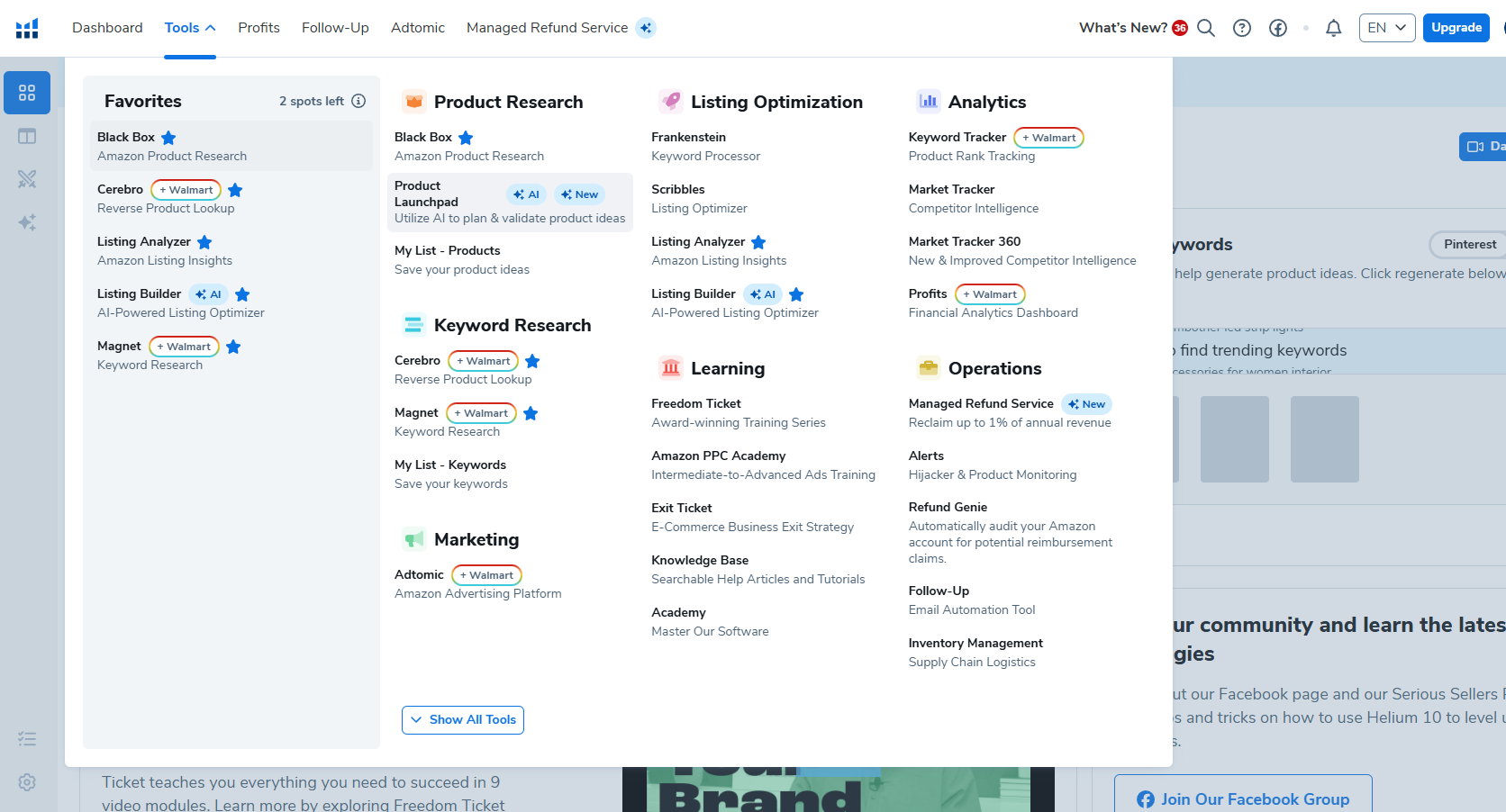
Helium 10‘s suite of tools offers sophisticated product discovery capabilities. The tools include Cerebro, Black Box, and Magnet. The Cerebro tool reverse-engineers successful listings by showing you all the keywords they rank for. This reveals opportunities you might have missed.
Meanwhile, Black Box allows you to set specific parameters. For example, you might search for products generating $5,000 to $50,000 monthly revenue. You could filter for items priced between $15 and $85, with fewer than 400 reviews and less than 4-star ratings. Then the system instantly generates a list of products meeting those criteria.
These represent products with proven demand but clear room for improvement. The Amazon Search Bar Method costs nothing and yields surprisingly powerful insights. Simply begin typing a letter or partial word into Amazon’s search box. The autocomplete suggestions reveal the most popular searches starting with those characters.
Travis discovered his Berberine supplement using this exact technique. He noticed substantial search volume for a product with limited quality options available. Similarly, typing “clove” revealed “clove tea” as a trending search term. This ultimately led to one of the three products launched during this challenge.
Using Google Trends to Ride Market Momentum
Google Trends integration adds another dimension to your research. It helps you identify whether interest in your product category is rising, stable, or declining. For example, comparing “carnivore diet” versus “keto diet” over a five-year period revealed something interesting.
The carnivore diet recently surpassed keto in search volume. This happened despite keto previously dominating the health and wellness conversation. Consequently, products targeting the carnivore audience represent a growth opportunity. Meanwhile, keto products might face more saturation and slower growth.
This trend analysis proves particularly valuable when deciding between similar product ideas. It allows you to ride momentum rather than fight against it. Every product you consider should be evaluated against a comprehensive checklist. This checklist is designed to predict long-term viability and profitability.
First and foremost, ask yourself what makes your product genuinely unique compared to existing options. With Carnivore Electrolytes, the differentiation came entirely from branding. It was positioned as the only electrolyte powder specifically designed for people following a strict carnivore diet. The formula was free from sugars and artificial sweeteners that would break their dietary protocol.
Why Premium Positioning Wins
Premium positioning consistently outperforms competing on price, particularly on Amazon FBA. Customers often associate higher prices with superior quality. Consider that Carnivore Electrolytes costs approximately $7 to manufacture but sells for $37.97. This yields roughly $20 in profit per unit after Amazon’s fees.
If Travis had instead tried competing on price at $25, profit per unit would drop to approximately $5. That means he’d need to sell four times as many units just to achieve the same total profit. This simply doesn’t happen proportionally.
Reorder potential transforms a one-time customer into a recurring revenue stream. This makes consumable products particularly attractive. Electrolyte powders, supplements, beauty products, and pet food all create compounding growth over time. Items that customers deplete and repurchase are ideal.
Currently, Carnivore Electrolytes has over 1,200 active Subscribe & Save customers. This represents guaranteed recurring revenue each month that compounds as new subscribers join. Additionally, evaluate whether influencers would naturally promote your product. This is especially important with TikTok Shop’s affiliate commission structure incentivizing creators to showcase products to their audiences.
Additional Success Criteria
Manufacturing ease, market size, competition level, trend trajectory, evergreen appeal, and search volume round out the essential criteria. Products requiring specialized manufacturing or limited supplier options can create headaches and bottlenecks. Similarly, while niche products reduce competition, markets that are too small limit growth potential.
Ideally, you want products with at least 300-500 monthly searches on Amazon FBA. Preferably, look for growing trends rather than declining ones. Also seek year-round relevance rather than seasonal spikes. Seasonal products leave inventory collecting dust (and storage fees) during off-months.
Clove Tea emerged as the frontrunner among the three products launched during this challenge. When researching through Helium 10‘s Magnet tool, “clove tea” showed over 10,000 monthly searches. Yet scrolling through Amazon’s results revealed no product specifically marketed as pure clove tea.
Instead, results showed black tea with cloves added, whole cloves meant for cooking, clove essential oils, and various supplements. Nothing addressed the specific search intent of someone wanting clove tea.
Real Product Examples: Clove Tea
Scoring Clove Tea against the product checklist revealed exceptional potential. Uniqueness rated a perfect 10 since literally nothing else existed that matched the search term exactly. It rated highly for being better than competition (again, 10, since specific competition didn’t exist).
The product scored reasonably brandable (7), surprisingly viral given trending interest in natural health remedies (8), and extremely easy to ship due to lightweight tea bags (10). It also showed premium positioning potential (8), excellent reorder potential (9), and strong search volume (10).
The only relative weakness was barrier to entry (5). Once the product succeeded, others could easily replicate it. However, first-mover advantage and strong branding could mitigate this concern.
Ground Pork Rind Crumbs represented the second product launched. It targeted the carnivore diet community’s need for a breadcrumb alternative. Research revealed “pork rind crumbs” had 750 monthly searches with a Magnet IQ score nearly 12 times higher than search volume. This indicated minimal competition relative to demand.
Furthermore, “ground pork rind” showed even higher search volume at 3,300 monthly searches. When examining existing listings, only a few products from Pork King Good appeared. None specifically positioned themselves toward carnivore dieters despite that audience representing the core use case.
Real Product Examples: Clove Water
Clove Water rounded out the trio. It was discovered through Exploding Topics, a trend-identification platform showing emerging search interest. Initially, the plan involved creating ready-to-drink clove water in wellness shot bottles. However, lead time concerns led to a creative bootstrap solution.
The team decided to sell clove tea bags marketed as clove water. After all, steeping cloves in water technically creates clove water. This approach allowed for immediate launch while developing the more refined wellness shot version in parallel.
Across all three products, the common thread involved identifying specific customer search intent poorly served by existing listings. Then creating branded solutions that precisely matched what people were already looking for.
Day 2: Finding Your Manufacturer

Choosing Between Overseas and Domestic Production
Once you’ve identified your winning product idea, bringing it to life requires finding the right manufacturing partner. Consequently, you face an important strategic decision. You must choose between manufacturing overseas for lower per-unit costs or domestically for faster turnaround.
Domestic manufacturing also offers easier communication and current tariff advantages. Alibaba.com dominates international sourcing, particularly for products made in China, India, Thailand, the Philippines, and Taiwan. It offers dramatically lower manufacturing costs that can multiply your profit margins.
Navigating Alibaba effectively requires understanding their verification systems and protection mechanisms. Always filter results to show only suppliers with “Trade Assurance.” This protects your payment if products aren’t delivered as promised or meet specified quality standards.
Additionally, prioritize “Verified Suppliers” or “Verified Pro Suppliers.” Either designation works fine. A verified supplier means that Alibaba sent third-party inspectors to physically visit the manufacturing facility. They confirmed it was a legitimate company. These simple filters eliminate the majority of scammers and low-quality manufacturers, dramatically reducing risk.
Why Domestic Manufacturing Makes Sense in 2025
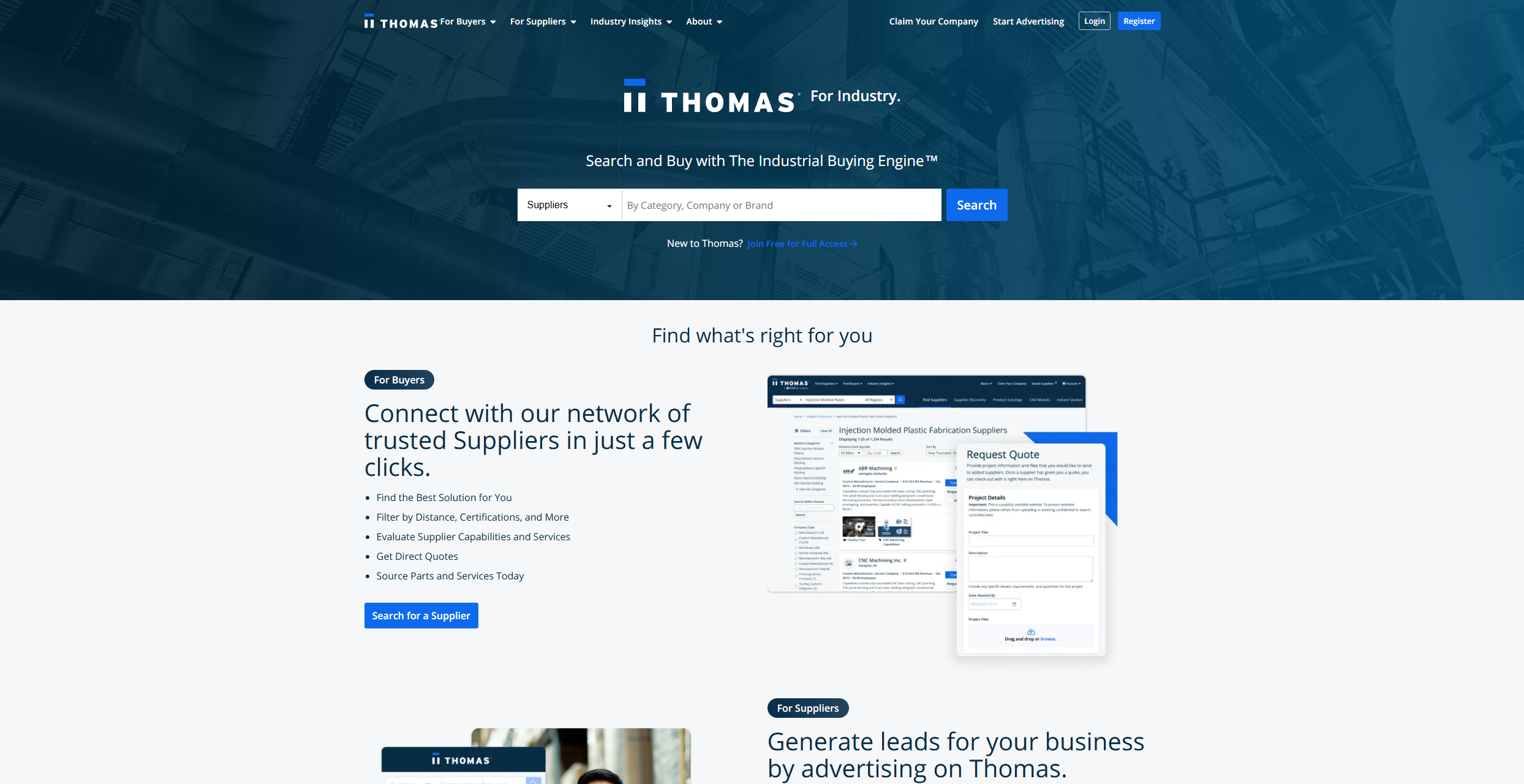
However, current tariff situations make domestic manufacturing increasingly attractive for many products. This particularly applies to food items, supplements, and other categories where “Made in USA” carries significant marketing value. ThomasNet.com serves as the primary directory for American manufacturers.
It allows you to search by product type and receive contact information for companies equipped to produce what you need. Alternatively, simple Google searches work well. Try terms like “tea manufacturer USA” or “tea private labeler.” These yield quality results, including both paid ads and organic listings from established companies.
Communication templates streamline the manufacturer outreach process considerably. Rather than starting from scratch with each inquiry, create a standardized message. Include your estimated order quantity, questions about minimum order quantities (MOQs), lead times, sample availability, and any special requirements.
Tools like ChatGPT can refine your messaging to sound professional and thorough. For the Clove Tea product, Travis contacted multiple US tea manufacturers with a clear message. He explained he wanted approximately 10,000 pouches of pure clove tea. He asked about their capabilities, pricing tiers, sample costs, and production timelines.
Effective Communication Strategies
Simultaneously reaching out to 5-10 potential manufacturers creates healthy competition. It also ensures you have backup options if your first choice falls through. The first thing manufacturers will ask about is your minimum order quantity.
This represents the smallest batch they’re willing to produce. Some manufacturers require 10,000 units minimum, while others accept smaller runs of 500-1,000 units. Obviously, smaller MOQs reduce your upfront investment and risk when testing new products.
Lead time represents how long after you place the order until products are ready to ship. Domestic manufacturers typically offer 2-4 week lead times. Meanwhile, overseas production often requires 4-8 weeks, plus additional shipping time. Always request samples before committing to large orders.
Samples cost anywhere from free to $50-200 depending on the manufacturer and product complexity. They allow you to verify quality, test the product yourself, and make informed decisions before investing thousands in inventory.
Day 3: The Importance of Professional Branding
Creating your actual product encompasses both the physical manufacturing and the branding elements. These elements transform a commodity into a compelling marketplace offering. For simple products like tea, supplements, or food items, the manufacturing process itself can be surprisingly straightforward.
This is particularly true when you’re willing to start small and bootstrap your initial run. Travis rented a commercial kitchen and purchased bulk cloves and tea bags. Then he spent an afternoon filling tea bags, heat-sealing pouches, and applying custom labels created by FBA Creatives.
Design and branding distinguish premium products from generic alternatives. This makes professional packaging essential rather than optional. FBA Creatives specializes exclusively in Amazon product design. They understand the unique requirements that drive conversions on the platform.
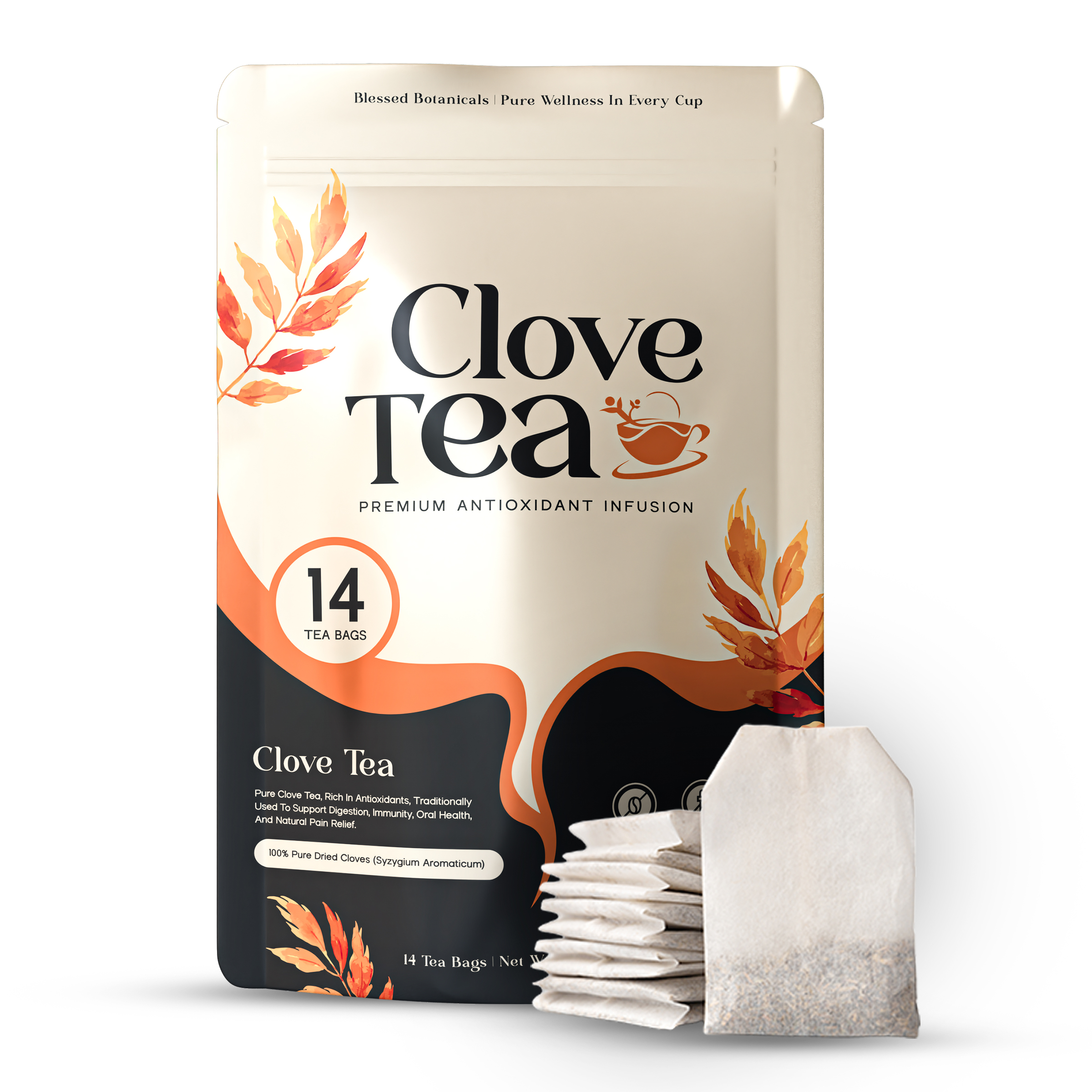
Their designers created the Clove Tea label with oversized, bold “CLOVE TEA” text. This ensures that even in small thumbnail images on mobile devices, customers immediately recognize what the product offers. This clarity matters enormously when customers are scrolling through dozens of search results. They’re deciding which products warrant closer inspection.
Meeting Compliance Requirements
Compliance requirements vary significantly based on product category. Food and supplement products face the strictest regulations. The FDA doesn’t require pre-approval for most food products and dietary supplements. However, they do mandate that products are manufactured in FDA-approved facilities following good manufacturing practices.
Renting a commercial or ghost kitchen satisfies this requirement affordably. Rental fees typically range from $25 to $100 per hour depending on your location. Additionally, food products require nutrition facts labels, ingredient lists, and allergen warnings displayed prominently on packaging.
You can generate nutrition facts labels using online calculators or by sending samples to testing laboratories. Testing costs $100-300 but provides accurate, legally compliant data. For simple products with few ingredients, online calculators often suffice.
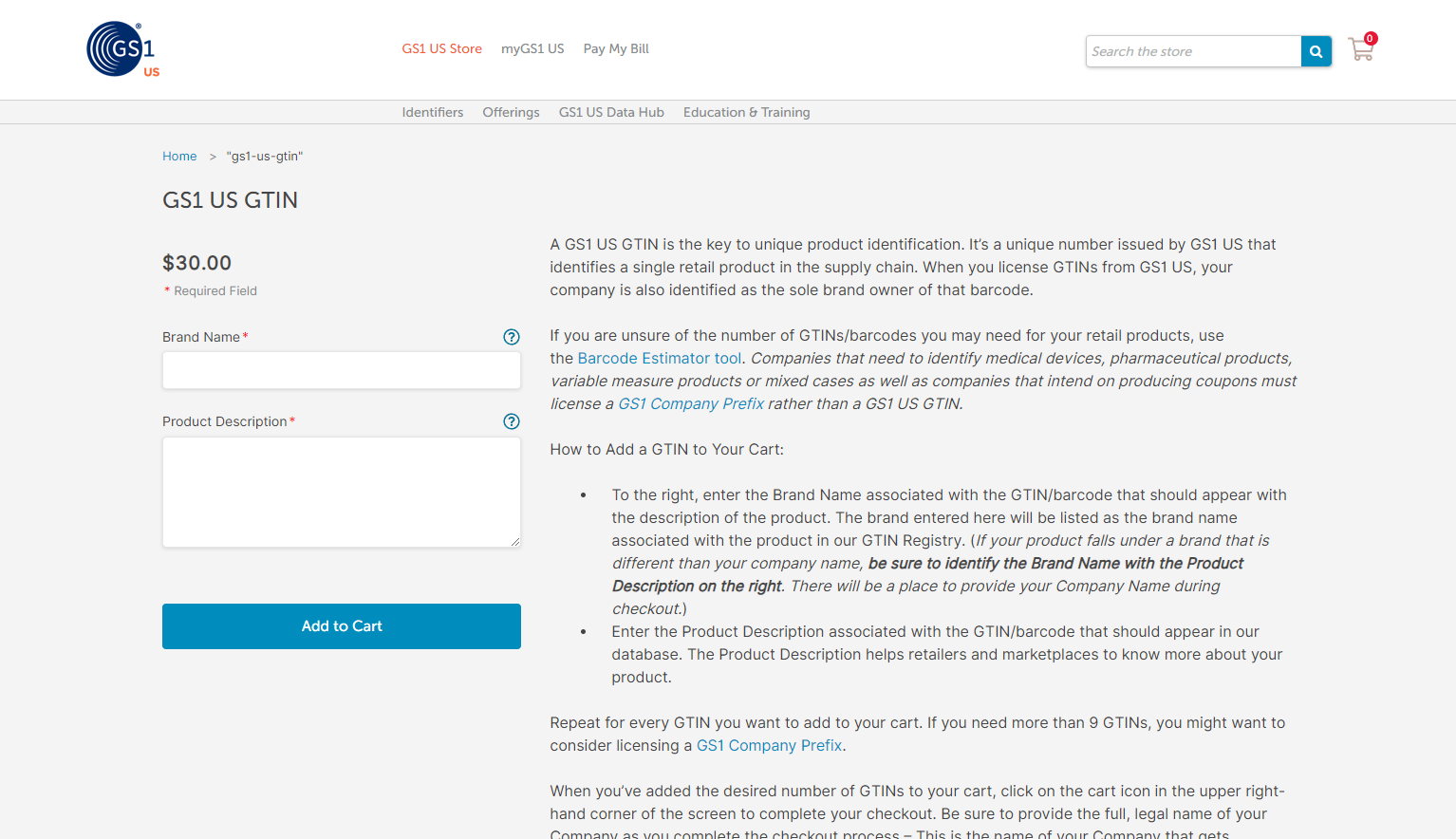
UPC codes from GS1.org represent another essential requirement. These universal product codes cost approximately $30 for a single barcode. GS1 is the only official source for legitimate UPC codes. Avoid third-party resellers claiming to offer cheaper alternatives, as these sometimes create problems with Amazon or other retailers.
Bootstrap Strategies That Work
Bootstrapping on a budget proves entirely feasible when you’re willing to handle initial production yourself. Connor’s Ground Pork Rind Crumbs launch exemplifies this approach perfectly. He purchased bulk pork rinds from an established manufacturer.
Then he rented a commercial kitchen for a few hours. He ground the pork rinds to the desired consistency using commercial equipment. Finally, he packed them into bags with custom labels. Total investment for 100 units came to under $300.
This provided a low-risk method to validate the product concept before investing thousands in a large manufacturing run. Similarly, Clove Water began as tea bags rather than ready-to-drink bottles. This allowed immediate market entry while simultaneously developing the more sophisticated bottled version.
Heat sealers, available on Amazon FBA for $30-60, create professional-looking pouches from stock bags. Label printers, particularly thermal printers around $60, eliminate ongoing ink costs while producing clean, professional stickers. These modest investments in basic equipment enable small-scale production that appears entirely professional to customers.
Day 4: Setting Up Your Seller Account
The Account Creation Process
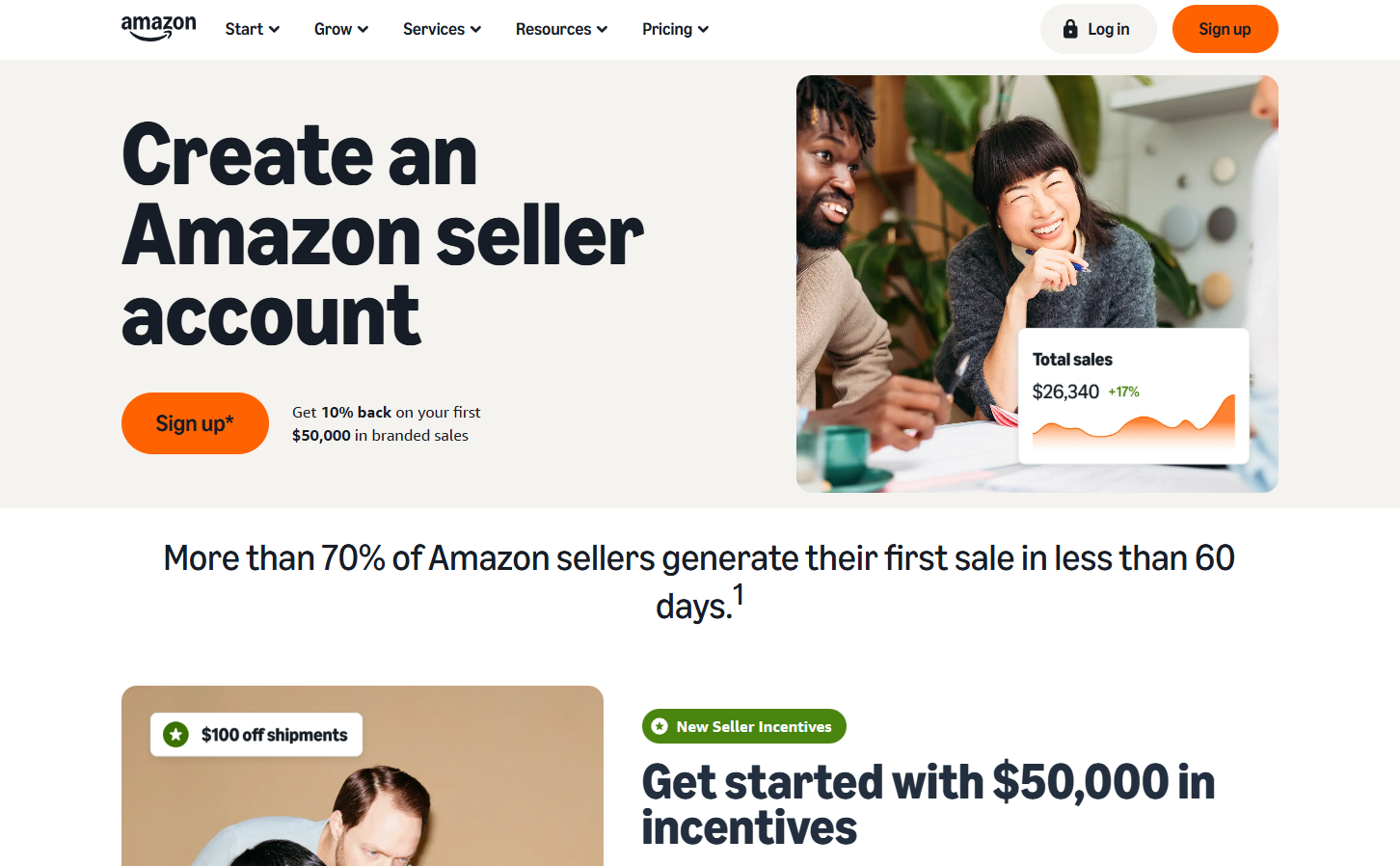
Creating your Amazon Seller Central account represents a relatively straightforward process. However, having proper documentation prepared accelerates approval significantly. Navigate to sell.amazon.com and click the sign-up button. This presents two options: the Individual plan or the Professional plan.
The Individual plan has no monthly fee but charges 99 cents per item sold. The Professional plan costs $39.99 monthly with no per-item fees. Anyone serious about building an actual business should choose the Professional plan. Selling just 40 units monthly makes it more cost-effective than the Individual option.
Amazon FBA requires several pieces of information and documentation during account setup. You’ll need a valid government-issued ID or passport. You’ll also need a recent bank account or credit card statement proving your address matches what you’ve entered.
Additionally, you’ll need a chargeable credit card for the monthly subscription fee and a mobile phone capable of receiving verification codes. You’ll also provide your business name, tax identification number (EIN), registered business address, and personal contact information.
Choosing Your Business Structure
Business structure decisions impact both legal protection and tax treatment. A DBA (Doing Business As) represents the simplest option. It essentially allows you to operate under a business name while remaining a sole proprietor. However, this provides zero liability protection if someone sues your business.
Conversely, forming an LLC (Limited Liability Company) creates a separate legal entity. This means lawsuits against your business generally cannot touch your personal assets. Legal Zoom offers LLC formation starting at $0 plus state filing fees. These fees typically run $50-500 depending on your state.
This makes LLC formation affordable protection for anyone selling consumable products or other items carrying potential liability risk. You can obtain a free EIN (Employer Identification Number) directly from the IRS website. Simply search “apply for EIN” and use only the official IRS.gov site.
Many services try to charge $100-300 for EIN applications, but this is completely unnecessary. The IRS provides EINs free of charge. The process takes about 10 minutes online and you receive your EIN immediately upon completion.
Options for International Sellers
International sellers can absolutely succeed on Amazon’s US marketplace. They accomplish this by forming a US-based LLC despite living abroad. Services like Northwest Registered Agent or Inc Authority can establish your LLC. They also provide a registered agent address, which all LLCs require.
Services like Payoneer or TransferWise facilitate international payments from your Amazon FBA business. Approximately half of Passion Product Formula students live outside the United States. Yet they successfully operate profitable US-based Amazon FBA businesses.
The key lies in proper entity structure and understanding cross-border tax implications. A qualified international accountant can navigate these details with you. Many countries have tax treaties with the United States that prevent double taxation.
Setting up a US business bank account as an international seller requires additional documentation. You’ll need your LLC formation documents, EIN confirmation, and passport. Some banks like Mercury or Relay specialize in serving international entrepreneurs and streamline this process considerably.
Day 5: Creating Your Amazon Listing

Your Amazon listing serves as your primary sales tool. It functions as a product page, advertisement, and search engine result simultaneously. Consequently, optimization across every element directly impacts both your visibility in search results and your conversion rate.
These elements include your title, images, bullet points, description, and backend keywords. Amazon’s A9 algorithm prioritizes relevance and conversion. This means listings that closely match search intent and successfully convert browsers into buyers earn progressively better placement.
Title optimization balances keyword inclusion with readability. Your title must both rank for relevant searches and make sense to human shoppers. The Clove Tea title reads: “Clove Tea Bags – 100% Pure Clove Tea, Carnivore Friendly Herbal Tea, Caffeine Free Wellness Tea, Natural Digestive Support, 14 Tea Bags per Pouch.”
This structure front-loads the primary keyword (“Clove Tea Bags”). It immediately clarifies what the product is (“100% Pure Clove Tea”) and targets the specific audience (“Carnivore Friendly”). It highlights key benefits (“Caffeine Free,” “Natural Digestive Support”). Finally, it includes the quantity.
Creating Images That Convert
Visual assets make or break conversion rates. The main image carries particular importance since it appears in search results. It must immediately communicate your product’s identity. Amazon requires main images to feature the product on a pure white background without additional graphics, text, or props cluttering the frame.
Most successful sellers use 3D renders rather than photographs. Renders allow perfect lighting, angles, and presentation impossible to achieve consistently with physical photography. FBA Creatives specializes in these high-converting renders. They additionally create infographic-style secondary images that showcase nutrition facts, ingredient lists, usage instructions, and competitive advantages.
Secondary images serve different strategic purposes. Each addresses specific customer questions or objections. Your second image might showcase the product in use, demonstrating context and scale. The third might present an infographic displaying nutrition facts or ingredient breakdowns.
The fourth could compare your product against competitors, highlighting your advantages. The fifth might show packaging contents or what’s included. The sixth could feature customer testimonials or before/after scenarios. The seventh might address common concerns or FAQs.
Writing Bullet Points That Sell
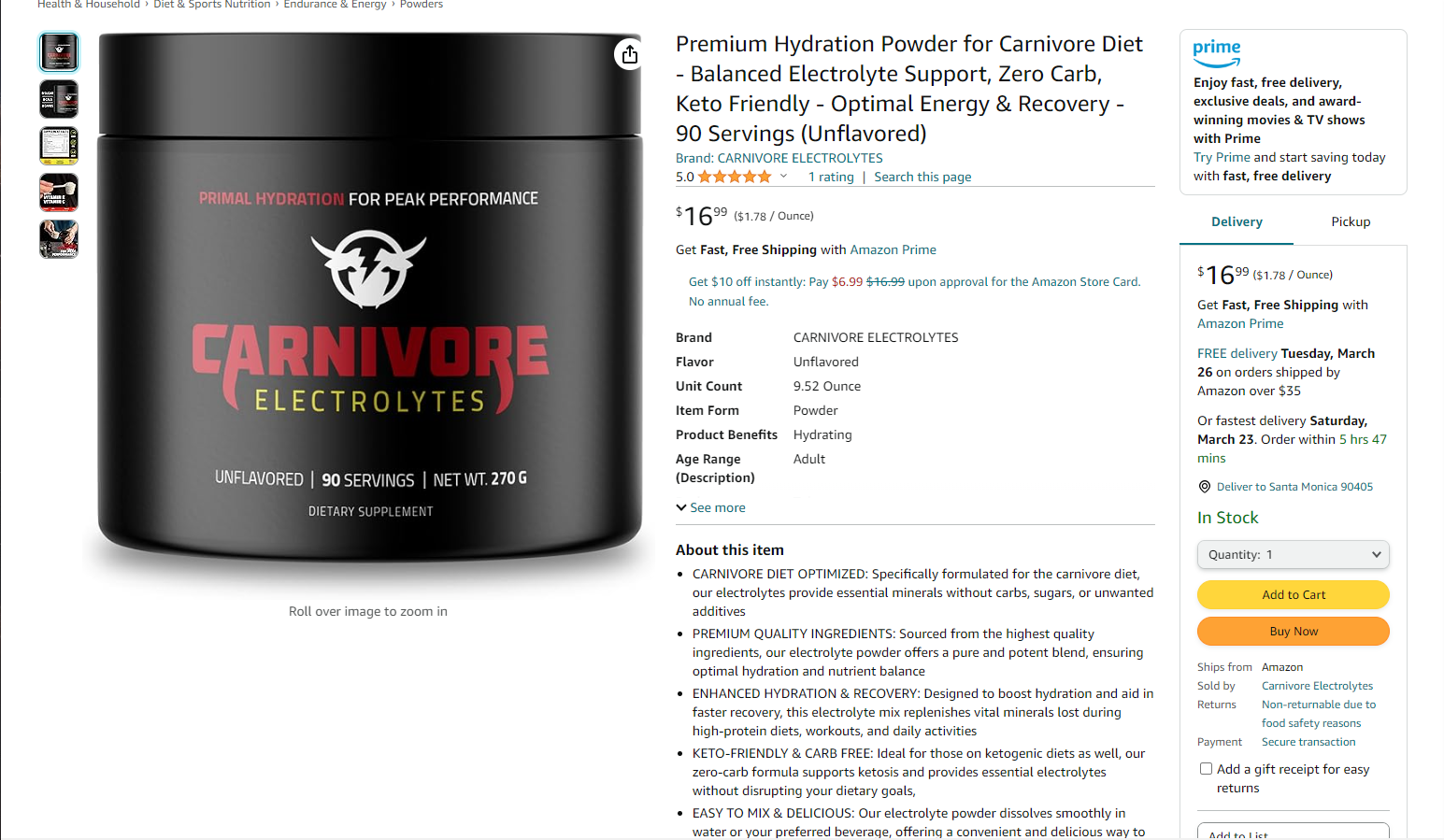
Bullet points provide your primary opportunity to sell benefits while incorporating additional keywords naturally. Rather than writing generic bullets, structure them strategically. Put the key benefit in ALL CAPS followed by explanatory details.
For example: “CARNIVORE DIET APPROVED – Made with 100% pure cloves and nothing else, our tea contains zero sugars, artificial sweeteners, or plant additives that would compromise your carnivore protocol.” This format makes bullets scannable while addressing specific customer concerns and desires.
Similarly, your product description should reinforce key messages while feeling natural and engaging. Avoid obviously keyword-stuffed content. Helium 10‘s Listing Builder tool with AI assistance can generate optimized copy. However, always review and personalize the output to match your brand voice.
Backend search terms represent hidden keyword fields that Amazon indexes but customers never see. Use these for synonyms, common misspellings, or alternative phrasings that didn’t fit naturally in customer-facing copy. Fill every available character in backend search terms to maximize discoverability.
Understanding Amazon’s A9 Algorithm
Amazon’s search algorithm differs fundamentally from Google. Unlike Google, which weighs hundreds of ranking factors including backlinks and domain authority, Amazon’s A9 algorithm primarily cares about two things. It wants relevance and conversion.
When someone searches “clove tea,” Amazon wants to show them products that genuinely are clove tea (relevance). It also wants products that searchers are likely to purchase (conversion). Therefore, your listing must clearly demonstrate relevance through keyword inclusion. It must also maintain high conversion through compelling presentation.
Keyword placement follows a clear hierarchy of importance. Your title carries the most weight, both for algorithm ranking and customer perception. Front-load your primary keyword there. Bullet points come next, offering opportunities to incorporate secondary and tertiary keywords naturally while explaining features and benefits.
The product description provides additional keyword real estate. However, it carries less algorithmic weight than titles and bullets. Finally, backend search terms allow you to include relevant keywords that didn’t fit naturally in customer-facing copy.
Day 6: Understanding FBA vs FBM
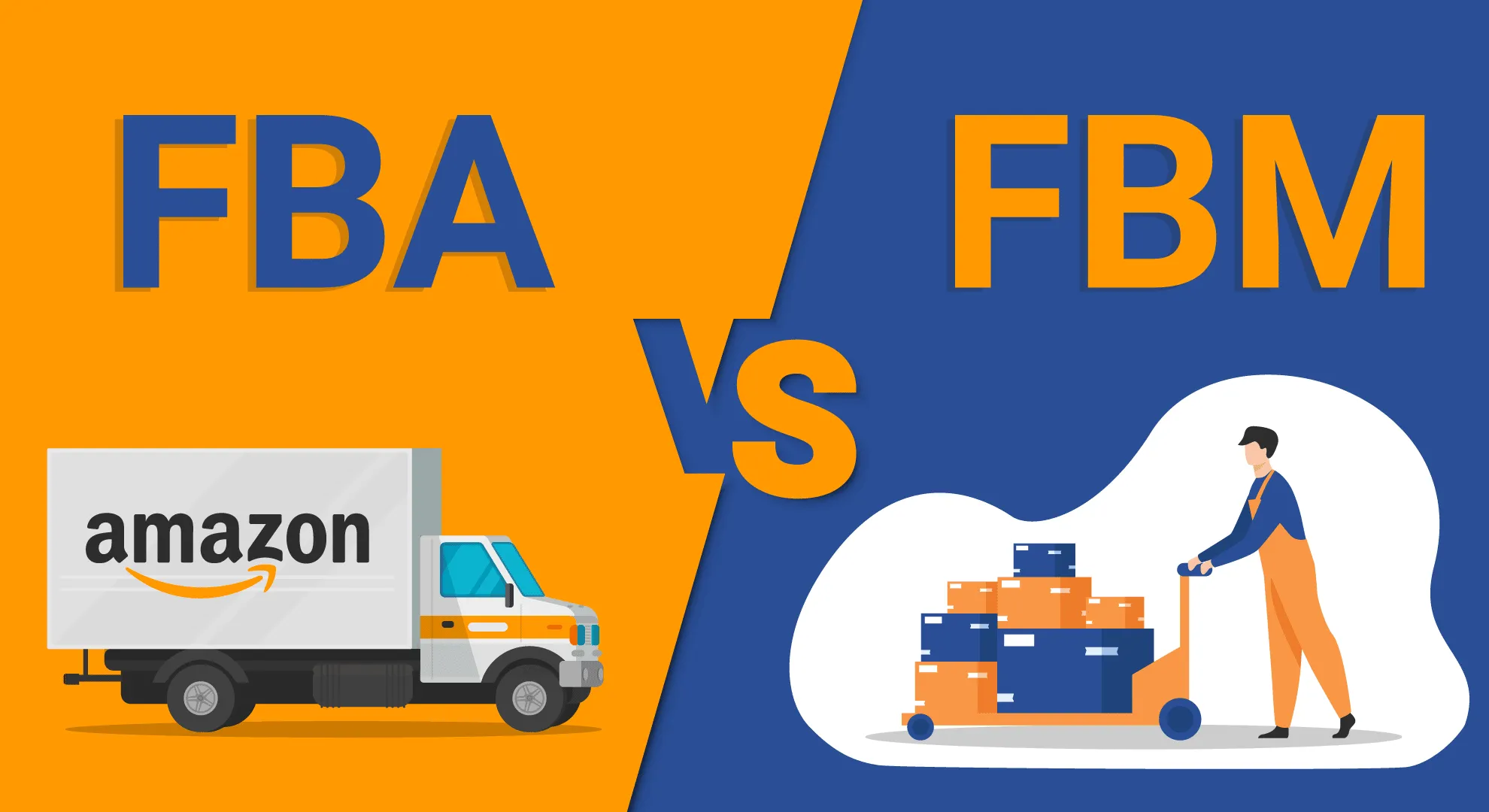
Fulfilled by Amazon (FBA) transforms your business from an active side hustle into genuinely passive income. Instead of personally packaging and shipping each order, you send bulk inventory to Amazon’s warehouses. Their employees handle all picking, packing, shipping, and customer service whenever sales occur.
This automation allows your business to generate revenue whether you’re sleeping, vacationing, or focused on growing product lines. FBA makes your business truly scalable. Fulfilled by Merchant (FBM) means you handle fulfillment yourself. You package and ship each order individually.
FBM works well for initial launches when you want to start selling immediately. It avoids the 2-6 week delay of shipping inventory to Amazon and waiting for receiving. However, FBM products lack Prime eligibility, which significantly reduces conversion rates.
Additionally, FBM requires you to actively manage orders, print shipping labels, and visit the post office or schedule pickups. This becomes unsustainable as order volume grows. Most successful sellers start with FBM for speed, then quickly transition to FBA.
Creating Your First Shipment
Creating your first FBA shipment involves several specific steps within Seller Central. Navigate to Inventory > Manage All Inventory and locate your product. Click the dropdown menu and select “Change to Fulfilled by Amazon.”
Amazon will ask whether you want to use Amazon barcodes (FNSKU) or manufacturer barcodes (UPC). For maximum flexibility, choose manufacturer barcodes. This is particularly important if you might eventually sell through other channels like Shopify or retail stores. It requires having UPC codes from GS1.org printed on your packaging.
Next, you’ll input product dimensions and weight. Amazon uses these to calculate storage fees and shipping costs. Accuracy matters here. Incorrect dimensions could result in Amazon rejecting your shipment or charging unexpected fees.
Then specify quantities and create a packing template. For initial launches with modest quantities, sending individual units works fine. However, once you’re shipping hundreds of units, creating case pack templates streamlines future shipments. For example, you might pack 20 units per box with standard 12x12x12 dimensions.
Understanding Distribution Fees
Amazon’s distribution fee system requires strategic planning to minimize costs. When you ship inventory, Amazon can receive it at one location or you can ship directly to multiple fulfillment centers yourself. Receiving at one location means Amazon charges you a distribution fee to spread it across their network.
Alternatively, you can ship directly to multiple fulfillment centers yourself. Sending to at least five locations eliminates the distribution fee entirely. However, it requires printing multiple labels and preparing multiple shipments.
For most sellers, particularly those shipping smaller quantities, paying the modest distribution fee proves worthwhile. These fees often run $20-40 compared to the hassle of creating five separate shipments. However, larger operations often find the savings justify the additional effort.
The shipment creation interface walks you through each necessary step methodically. After selecting your product and converting to FBA, you’ll choose your shipment date. This is essentially when Amazon should expect to receive your products. Conservative estimates here prevent issues, as Amazon penalizes shipments that arrive significantly earlier or later than declared.
Choosing Your Shipping Method

Next, select whether you’re shipping small parcels, less-than-truckload (LTL pallets), or full truckload shipments. Small parcel delivery through Amazon’s partner carrier (typically UPS) offers exceptional rates and convenience for shipments under 150 pounds total.
Amazon negotiates volume discounts with UPS. They pass savings to you that often undercut rates you’d receive independently. The system generates shipping labels you simply print and affix to your boxes. Then schedule a UPS pickup or drop packages at any UPS location.
Alternatively, larger shipments benefit from LTL freight. You palletize your inventory and freight carriers deliver directly to Amazon warehouses. Box labeling requires precision to avoid shipment rejection or delays.
Each box needs two labels: the carrier label (for UPS or your chosen shipper) and the Amazon identification label. Print these on standard 8.5×11 paper and tape them securely to box exteriors. Alternatively, invest in a thermal printer (around $60 on Amazon) that prints adhesive labels directly.
Avoiding Common Shipping Mistakes
Common mistakes devastate first-time shippers. Learning from others’ errors saves money and headaches. The most frequent mistake involves incorrect ship-from addresses.
If your listed address doesn’t match where UPS picks up the shipment, they’ll refuse it. Amazon may also penalize your account. Additionally, forgetting to set release dates on new products causes problems.
Without release dates, listings go live immediately upon Amazon receiving inventory. This potentially ruins carefully planned launch strategies. Always set release dates several weeks in the future. This gives yourself control over precisely when your product becomes available for purchase.
Insufficient product prep causes Amazon to reject shipments or charge surprise prep fees. Different product categories require different preparation. This includes poly-bagging for clothing, bubble wrap for fragile items, and suffocation warning labels for certain plastics.
Review Amazon’s prep requirements carefully during shipment creation. Select “no prep needed” only when genuinely appropriate. If you select “seller will prep” then fail to do so properly, Amazon charges $0.55 per unit to prep it themselves.
Results: The 2-Week Performance Review

Two weeks after launching three products during this challenge, the results validated the process. They also revealed interesting insights about each product’s trajectory. Ground Pork Rind Crumbs sold 12 units generating $238 in revenue.
This translated to approximately $50-100 in profit after manufacturing costs and Amazon’s fees. While these numbers might seem modest at first glance, remember this represents completely passive income. The product cost under $300 to create and launch, achieving profitability within the first two weeks.
Clove Tea outperformed expectations slightly. It sold 15 units and generated $299 in revenue with estimated profit of $100-150. Considering the minimal manufacturing costs (bulk cloves and tea bags) and the premium $19.99 price point, profit margins exceeded 50%.
Moreover, early customer feedback proved overwhelmingly positive. Buyers specifically commented on finally finding pure clove tea without black tea or other additives. This validation suggests room for significant scaling, particularly as review count increases and organic ranking improves for target keywords.
Clove Water’s Hybrid Approach
Clove Water took a hybrid approach necessitated by manufacturing timelines. Initially listed as fulfilled-by-merchant (FBM) while awaiting wellness shot production, it sold 6 units generating $120 in revenue during the FBM phase.
After switching to FBA and sending in inventory, sales accelerated to 19 units totaling $379. This demonstrated how Prime eligibility and Amazon’s fulfillment advantage dramatically impact conversion rates. Customers clearly preferred the convenience and trust signals of Prime-eligible products.
This justified the effort required to utilize FBA. Combined across all three products, total revenue reached $1,036 with estimated profit exceeding $500 in just two weeks.
Annualizing these results suggests approximately $1,000 monthly passive income. This was generated from three products launched in seven days with less than $1,000 total investment. Furthermore, these early numbers typically represent a low baseline that grows over time.
Why These Numbers Matter
Reviews accumulate, organic ranking improves, and repeat customers emerge. Carnivore Electrolytes followed exactly this pattern. It started modestly before scaling to $100,000+ monthly revenue as the brand established itself and word-of-mouth marketing compounded.
The key insight isn’t that every product immediately generates thousands in profit. Rather, it’s that the barrier to entry remains remarkably low. You can launch profitable products quickly with minimal investment.
Then you can scale the winners while learning from underperformers. This data-driven approach eliminates the need to “get lucky” with your first product. You can test multiple concepts, double down on what works, and continuously improve your results.
Key Success Principles

The Passion Product advantage centers on creating genuinely differentiated offerings. This differs from commodity products where price becomes the only competitive factor. When Travis launched Carnivore Electrolytes, dozens of electrolyte powders already existed on Amazon.
However, none specifically targeted carnivore dieters with formulations excluding sugars, artificial sweeteners, and non-carnivore ingredients. This precise targeting allowed premium pricing, $37.97 versus competitors’ $20-25 range. The product uniquely solved a specific problem for a defined audience willing to pay for that solution.
Premium positioning generates substantially higher profit per unit sold. This creates operational leverage that transforms business economics. Compare two scenarios: selling at $20 with $5 profit per unit versus $40 with $20 profit per unit.
You’d need to sell four times as many units at the lower price to achieve equivalent profit. This requires four times the inventory investment, four times the shipping costs, four times the customer service volume, and four times the operational complexity. Conversely, premium products simplify operations while expanding margins.
Why Niches Dominate on Amazon
Niche targeting beats broad positioning consistently on Amazon due to search behavior patterns. People don’t search for “electrolyte powder”, they search for specific variants. These include “carnivore electrolytes,” “keto electrolytes,” or “electrolytes without sugar.”
When your product precisely matches search intent through both keywords and branding, conversion rates soar. Meanwhile, advertising costs plummet. This explains why Carnivore Electrolytes dominates its niche despite newer, larger competitors entering the electrolyte market.
Someone searching “carnivore electrolytes” sees the product name and immediately recognizes perfect relevance. Then they purchase. Building sustainable businesses requires patience and long-term thinking rather than chasing quick wins.
The first week after launch determines Amazon’s initial assessment of your product. However, success compounds over months and years. Reviews accumulate, rankings improve, repeat customers emerge, and brand awareness spreads.
Planning for Long-Term Growth
Carnivore Electrolytes took months to reach $10,000 monthly revenue. Then it scaled to $50,000, then $100,000+ as momentum built. Similarly, these three new products generating $1,000 monthly profit today might generate $5,000 monthly within six months.
They could reach $10,000+ monthly within a year through consistent optimization and growth. Your launch week represents the most critical period in your product’s entire lifecycle on Amazon. During this window, Amazon’s algorithm actively evaluates your product’s performance.
It essentially asks “Is this a serious product that customers want, or just another listing cluttering our marketplace?” Your sales velocity, conversion rate, and review acquisition during week one disproportionately influence your long-term organic ranking and visibility.
Amazon grants new products a temporary ranking boost. It shows them more prominently in search results than their review count and sales history would normally justify. This “honeymoon period” offers a limited-time window to prove your product’s merit through generating sales and reviews quickly.
Your Roadmap to Amazon Success
Free resources provide substantial value for motivated self-starters willing to piece together information from multiple sources. Travis Marziani’s YouTube channel contains over 500 videos covering every aspect of Amazon selling. Topics range from product research deep-dives to advanced advertising strategies.
Additionally, a comprehensive 12-hour free Amazon FBA course delivers structured education. It covers the entire process from account creation through scaling profitable businesses. These resources alone have enabled hundreds of people to launch successful Amazon FBA businesses without spending a dollar on education.
However, free resources come with inherent limitations. They’re scattered across dozens of videos and lack personalized guidance for your specific situation. They also don’t include direct access to experienced coaches when you encounter obstacles.
Moreover, time spent searching for answers and cross-referencing conflicting information represents hidden costs. These costs delay success and potentially waste thousands in preventable errors. The question becomes whether you value your time and prefer accelerated results with expert guidance.
The Passion Product Formula Advantage
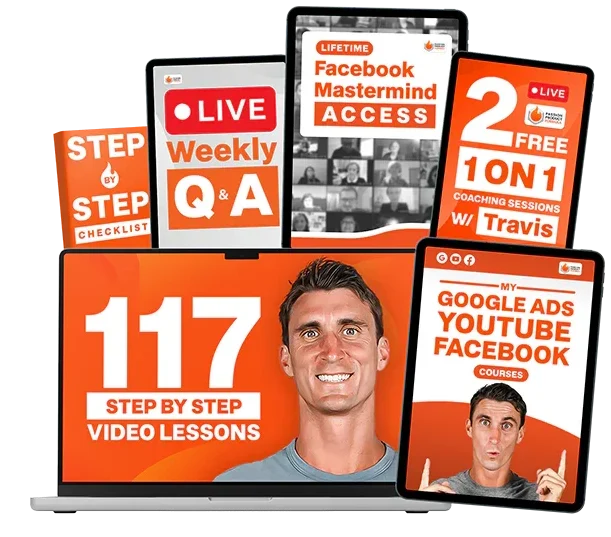
The Passion Product Formula program provides comprehensive step-by-step training. It covers every aspect of building profitable Amazon FBA businesses, from product research through scaling multi-product brands. Unlike generic courses teaching outdated tactics, the curriculum reflects current strategies.
These are strategies actively used by Travis and his team. The program updates regularly as Amazon’s platform evolves. Additionally, students receive direct coaching support, weekly group calls, and access to a community of fellow Amazon sellers at various stages of their journey.
Two powerful guarantees remove risk from this decision. First, a 14-day money-back guarantee allows you to explore the entire program risk-free. This ensures it meets your expectations and learning style before committing fully.
Second, if you implement the training but don’t generate at least $1,000 in your first year selling on Amazon, Travis personally refunds your tuition. He also pays you an additional $1,000 bonus. These guarantees exist because the program consistently produces results when students take action on the training.
Book Your Free Strategy Call
Booking a free strategy call with Travis’s team provides personalized assessment of your specific situation. The call covers your goals and concerns. During these consultations, experienced coaches evaluate whether Amazon FBA aligns with your lifestyle.
They assess your financial resources, time availability, and business objectives. They’ll answer questions about the program structure, success rates, time commitments, and what differentiates successful students from those who struggle.
Not everyone who applies receives a strategy call. The team focuses energy on people demonstrating genuine commitment to building businesses. They avoid spending time with casual browsers seeking free information.
The application process filters for motivation, coachability, available capital for inventory investment, and realistic time commitment. Approximately 40-50% of applicants qualify for calls. Among those, roughly 30-40% ultimately join the program after determining it’s the right fit.
No-Pressure Consultations
Zero pressure characterizes these consultations. The program operates on abundance mentality, the right students succeed spectacularly. This creates testimonials and referrals that organically attract more ideal students.
Consequently, coaches focus on honest assessment of fit rather than high-pressure sales tactics. If the program doesn’t match your current situation, they’ll tell you directly. They often suggest specific steps to prepare yourself for future success.
Everyone who applies receives valuable follow-up regardless of whether they qualify for a call or join the program. Those not selected for calls receive emails explaining what might improve their candidacy in the future. This might include additional capital reserves, freed-up time, or clearer business vision.
This approach ensures everyone gains value from the interaction. It also maintains program quality through selective admission of students most likely to succeed.
Taking Your First Step Forward

Amazon FBA remains not only viable but arguably better than ever in 2025 for those willing to execute strategically. The three products launched during this seven-day challenge generated real profit from day one. This validated the process from product research through FBA shipment creation.
Moreover, these represent just initial results. Successful Amazon products compound over time as reviews accumulate, rankings improve, and brand awareness spreads through customer word-of-mouth.
The fundamental question isn’t whether Amazon FBA works. Rather, it’s whether you’ll take action on this opportunity. Thousands of people watch educational content and consume free resources. They contemplate starting businesses without ever launching their first product.
Meanwhile, action-takers who implement imperfectly today outperform perfect planners who never begin. The first product you launch won’t be perfect. It might generate modest sales like these initial results, or it might explode beyond expectations like Carnivore Electrolytes.
What Would You Do With Extra Income?
Your extra $1,000 monthly passive income could transform your life. It could cover car payments or eliminate credit card debt. It might fund family vacations, accelerate retirement savings, or provide freedom to leave an unfulfilling job.
But these outcomes require moving beyond consumption into implementation. You must transform knowledge into action. The seven-day timeline proves that execution doesn’t require months of preparation. It requires focused effort applied systematically following a proven framework.
The best time to start building your Amazon FBA business was yesterday when competition was lower. Opportunities were more obvious then. The second-best time is today, right now.
Don’t close this article and return to routines that maintain current circumstances rather than creating desired futures. Click below to book your free strategy call. Or at minimum, access the free 12-hour Amazon FBA course and begin your product research today.
Your Support System Awaits
Travis and his team stand ready to support your success. However, only you can make the decision to begin. This isn’t about having perfect circumstances or unlimited resources. It’s about commitment to changing your financial trajectory.
The students who succeed aren’t necessarily the smartest or most experienced. They’re simply the ones who decided to start and refused to quit when challenges arose. They asked questions when confused, implemented feedback when corrected, and persisted when discouraged.
That same support system exists for you. The same proven process that created Carnivore Electrolytes’ success is available to you. The same tools, strategies, and coaching that helped hundreds of students launch profitable businesses can help you too.
The only variable is your decision. Will you be someone who reads about opportunities, or someone who seizes them? Your answer to that question determines everything that follows.
Frequently Asked Questions
How much money do I need to start selling on Amazon FBA?
You can start surprisingly affordably if you bootstrap creatively. The three products launched during this challenge each cost under $300 to create initial inventory. This proved the concept and generated first sales.
However, for more conventional approaches working with manufacturers, budget $2,000-5,000 total. This covers inventory ($1,000-3,000), product photography and design ($300-800), initial advertising ($500-1,000), and miscellaneous expenses.
Additionally, you’ll need Amazon’s $39.99 monthly subscription fee. You might also want Helium 10 (approximately $99/month, though discounts are available). Remember that you can start small and reinvest profits to scale.
Can I sell on Amazon if I live outside the United States?
Absolutely, approximately half of Passion Product Formula students live internationally. Yet they successfully operate US-based Amazon FBA businesses. You’ll need to form a US LLC, which you can do remotely through services like Northwest Registered Agent.
You’ll also need to obtain an EIN from the IRS, which is available online for international applicants. Finally, set up international payment processing through services like Payoneer or TransferWise.
The process adds a few administrative steps but remains entirely feasible. International sellers often have unique product insights based on their home markets. This can actually provide competitive advantages.
How long does it take to start making money on Amazon?
If you follow the seven-day launch timeline demonstrated in this article, you can literally generate your first sale within one week. However, more realistically, expect 4-8 weeks from deciding to start until receiving your first payment.
This accounts for product research time, manufacturer communication and sampling, production lead times, shipping to Amazon, and FBA receiving delays. Your first month might generate a few hundred dollars in profit.
Then scale to $1,000-3,000 monthly within 3-6 months. Reviews accumulate and rankings improve during this period. Remember that Amazon FBA is a real business, not a get-rich-quick scheme.
Do I need previous business experience to succeed on Amazon?
No previous business experience is required, though it can be helpful. Amazon FBA provides an ideal first business because Amazon handles fulfillment complexity. This reduces operational burdens that sink traditional businesses.
Many successful Passion Product Formula students started with zero business background. They were teachers, nurses, engineers, or recent graduates. What matters more than experience is coachability, willingness to learn and implement.
You also need persistence, continuing despite initial challenges. Finally, you need capital, having funds to invest in inventory and education. If you can learn, persist, and invest, you can succeed.
What if my product doesn’t sell or fails?
Not every product succeeds spectacularly. This is why starting with modest inventory quantities and thorough validation reduces risk. If a product underperforms, you have several options.
You can run targeted advertising to increase visibility. You might optimize your listing based on customer search behavior and adjust pricing to improve competitiveness.
Eventually, you can liquidate remaining inventory at cost and apply lessons learned to your next product. The Passion Product Formula includes a $1,000 guarantee. If you implement training but don’t generate $1,000 in your first year, they refund tuition plus pay you $1,000.
How much time does running an Amazon FBA business require?
Initially, expect 10-20 hours weekly during product research, manufacturer coordination, and launch preparation. However, once products are live and selling, FBA’s automation reduces ongoing time dramatically.
You’ll spend just 2-5 hours weekly monitoring inventory levels. You’ll also respond to occasional customer questions, review advertising performance, and reorder inventory when necessary.
Many sellers manage thriving Amazon FBA businesses while maintaining full-time jobs. This makes it ideal for side income that can eventually replace employment income as you scale. The passive nature of FBA means your business generates revenue even when you’re not actively working.