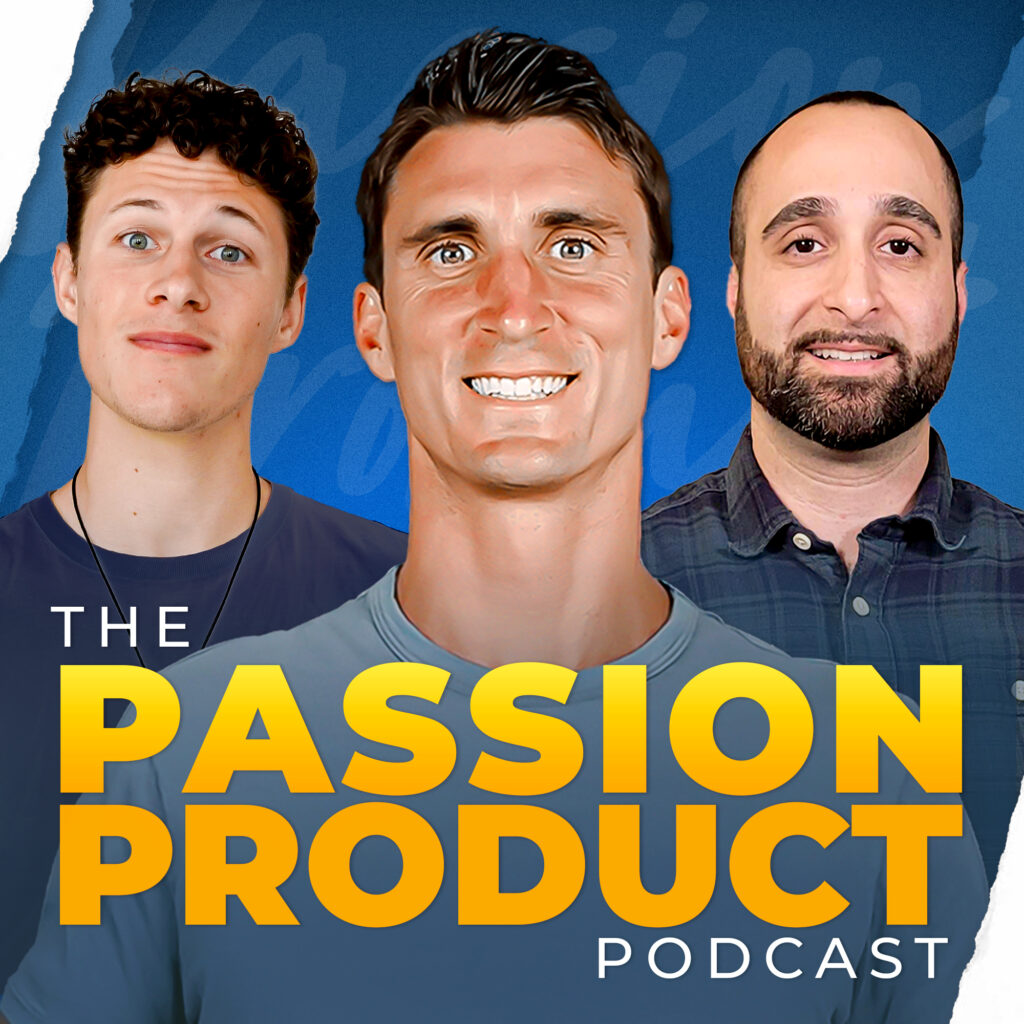

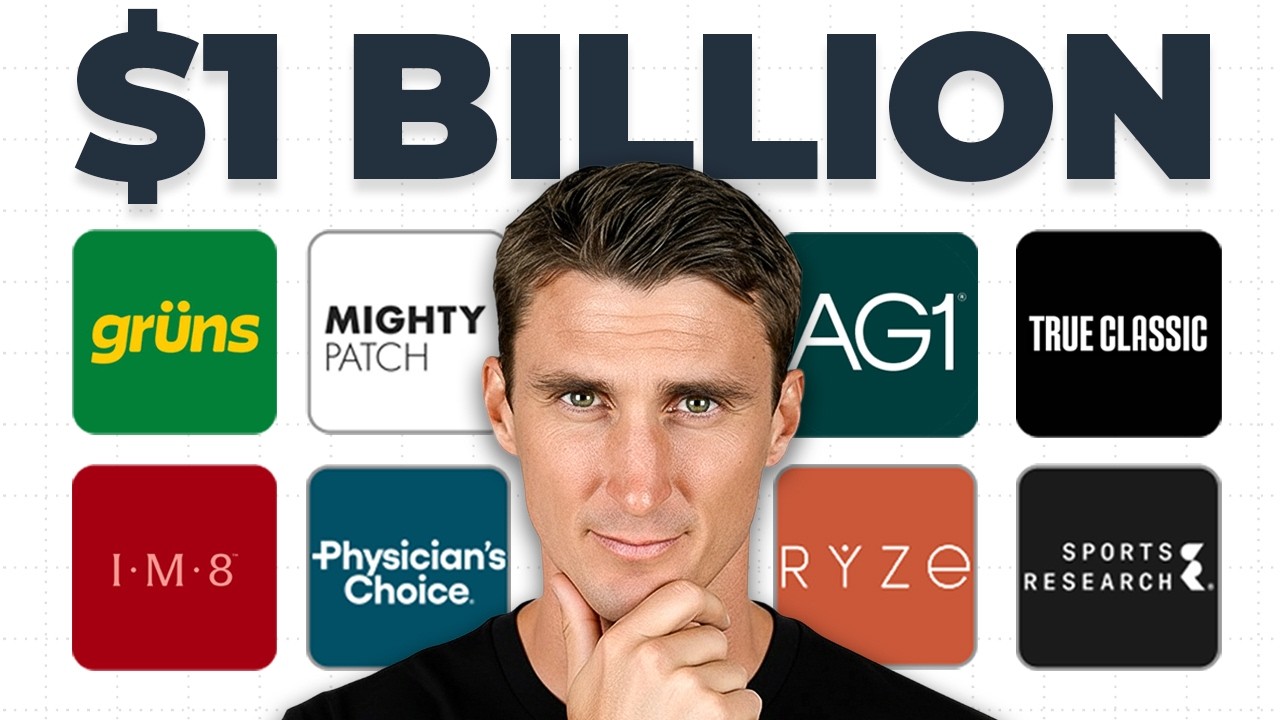
Brands like Gruns, AG1, Bloom Nutrition, and Mighty Patch didn’t reach billion-dollar Amazon FBA valuations by accident. Gruns recently sold for $1.2 billion. AG1 is now worth $1.3 billion. Bloom Nutrition pulled in over $500 million in sales last year. Mighty Patch built one of the most recognizable skincare brands on Amazon. The same playbook drives every one of these success stories. Any Amazon seller can apply it, regardless of size or budget.
So what are these brands doing differently? Four core principles show up again and again across every billion-dollar Amazon FBA business. Once you see them laid out, they become simple to put into action. The Passion Product Accelerator teaches these same four principles.
These aren’t abstract theories from a business textbook. Real numbers, real brands, and real students back every hack in this article. These students used this exact formula to build successful Amazon FBA businesses from scratch. Some started with real resources behind them. Others started with a full-time job, a young family, or zero dollars in the bank.
That range matters. It proves this playbook isn’t just for people with huge marketing budgets or years of experience. Let’s break down each hack, starting with the biggest factor separating winning products from the ones that never take off.
The Riches Are in the Niches
Every billion-dollar brand on Amazon shares one trait: none of them sell a single generic product. Instead, they niche down to serve one specific type of customer extremely well. Physicians Choice proves this. Last month, the brand did $34 million in sales and moved over a million units. It doesn’t rely on one broad supplement. Instead, it offers separate probiotic formulas for women, men, people with eye concerns, and kids.
Mighty Patch follows the same approach. It offers different acne patches for early-stage blemishes, face acne, nose acne, chin acne, forehead acne, and even tired eyes. The brand didn’t create one generic “acne patch” and hope it resonated with everyone. Instead, it built an entire ecosystem of products. Each one speaks directly to a specific problem that a specific customer actively searches for.
This pattern runs counter to how many new sellers approach product research. Many assume a broader product with mass appeal will sell to more people and generate more revenue. On Amazon FBA, the opposite tends to be true. A product built for everyone often resonates with no one. A product built for one specific person becomes the obvious choice for that exact shopper.
How Amazon’s Rufus AI Changed Search Forever
This strategy works especially well today because Amazon search has changed. Many sellers still think ranking comes down to picking the right generic keywords. That thinking is outdated, especially since Amazon rolled out Rufus, its AI shopping assistant. Shoppers no longer type broad terms like “yoga mat.” Instead, they describe exactly what they want, almost like they’re talking to a real person.
Even when a shopper uses a generic term, they still gravitate toward the product that feels tailor-made for their need. A shopper might search “yoga mat,” then follow up with “for hot yoga” or “for bad knees.” Rufus surfaces listings that speak directly to those details. The brands that win in 2026 won’t be the ones with the best generic keyword rankings. They’ll be the ones whose listings speak the exact language of a specific customer’s problem.
As Amazon search keeps shifting toward this conversational, AI-assisted model, niching down will only grow more valuable. Sellers who adapt early position themselves years ahead of competitors still chasing outdated keyword strategies.
Real Example: Carnivore Electrolytes
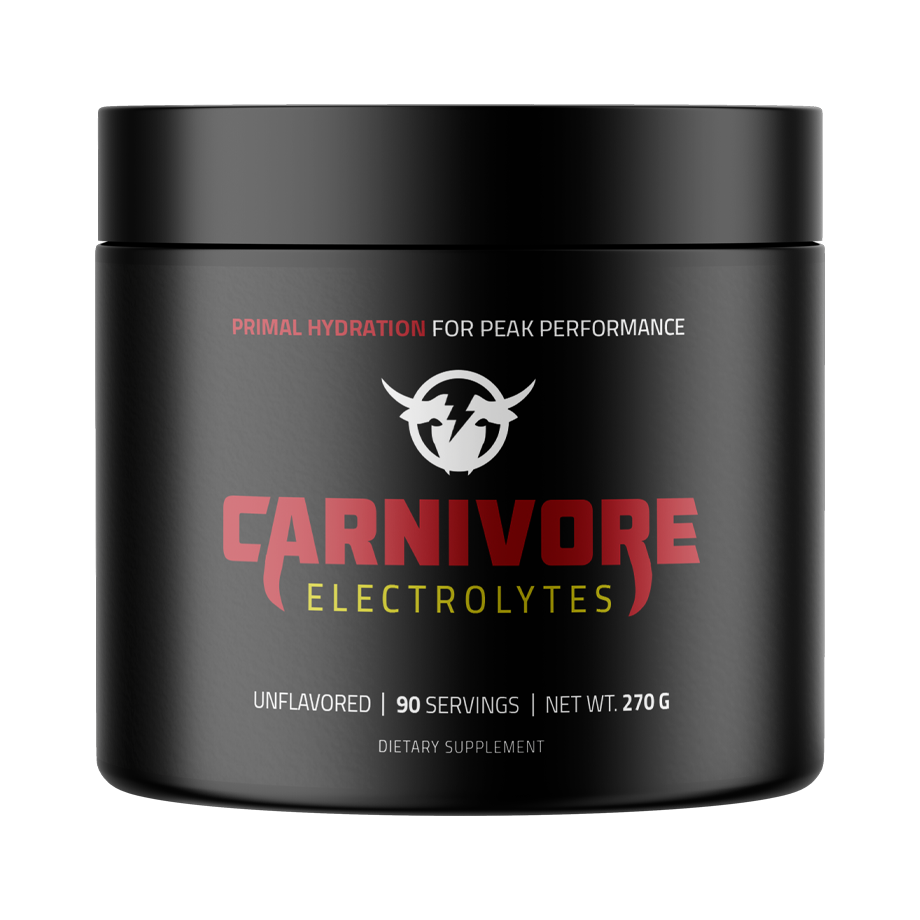
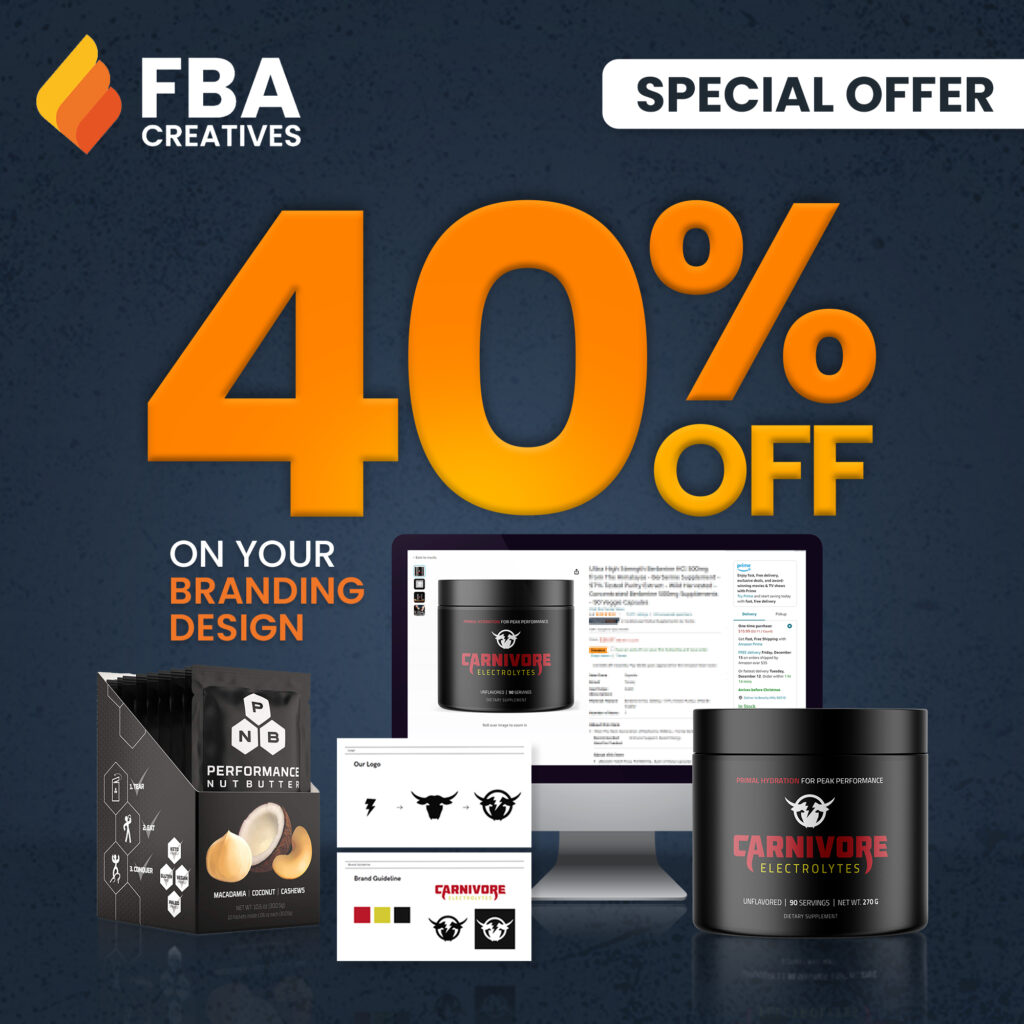
This exact principle built Carnivore Electrolytes into a million-dollar brand in just seven days. Instead of launching a generic electrolyte powder, the brand targeted people on the carnivore diet, a small but highly motivated audience. The product spoke directly to that niche. It became the obvious choice for anyone in that group searching for electrolytes, and sales took off almost immediately.
The carnivore diet community is small compared to the broader health and wellness market. But it’s extremely loyal and vocal about products that fit its lifestyle. That combination, a defined audience plus high purchase intent, makes a niche product outperform a generic one, even when the total market looks smaller on paper.
How to Find Your Own Niche
Finding a profitable niche doesn’t require guesswork. Start with a broad product category. Then ask who within that category is currently underserved. Do existing products ignore certain dietary restrictions, lifestyles, age groups, or use cases? Next, read reviews of similar products. Complaints and unmet needs often hide in plain sight.
Once you identify a niche, make sure the product, the listing copy, the imagery, and even the brand name all reinforce that one audience. Trying to appeal broadly after choosing a niche only dilutes the advantage niching down was supposed to create.
Once a brand locks in a niche audience like this, the next step is turning first-time buyers into long-term customers. That brings us to the second hack.
Build Repeat Customers, Not One-Time Buyers

One of the fastest ways to scale an Amazon FBA business into seven or eight figures is building a base of repeat customers instead of relying on one-time sales. Amazon makes this easy through its Subscribe & Save program. Customers save between 5% and 15% when they set up recurring orders. For sellers, each subscriber isn’t just a single sale. They become a source of predictable revenue every month until they cancel.
As more shoppers opt into Subscribe & Save, sales start to snowball. A small group of repeat subscribers keeps ordering month after month. That base grows steadily as new customers join alongside them. This compounding effect often separates a business that plateaus after launch from one that keeps climbing for years. The revenue base keeps growing even when new customer acquisition slows down.
What Billion-Dollar Brands Charge for Subscriptions
Billion-dollar brands lean heavily on this mechanic. Their pricing makes the incentive clear. AG1 typically costs $94 but drops to $85 for subscribers. Rise goes from $64 down to $58. Gruns offers subscribers a striking 52% discount. That’s a big enough incentive to make subscribing an easy decision for any customer already sold on the product.
These discounts aren’t arbitrary. Each brand has calculated that a subscribed customer’s lifetime value far exceeds a one-time buyer’s value, even after the discount. That’s the mindset shift worth adopting. Instead of asking “how much profit do I make on this sale,” ask “how much is this customer worth over the next twelve months.”
You Don’t Need a Repeat Purchase Product to Win
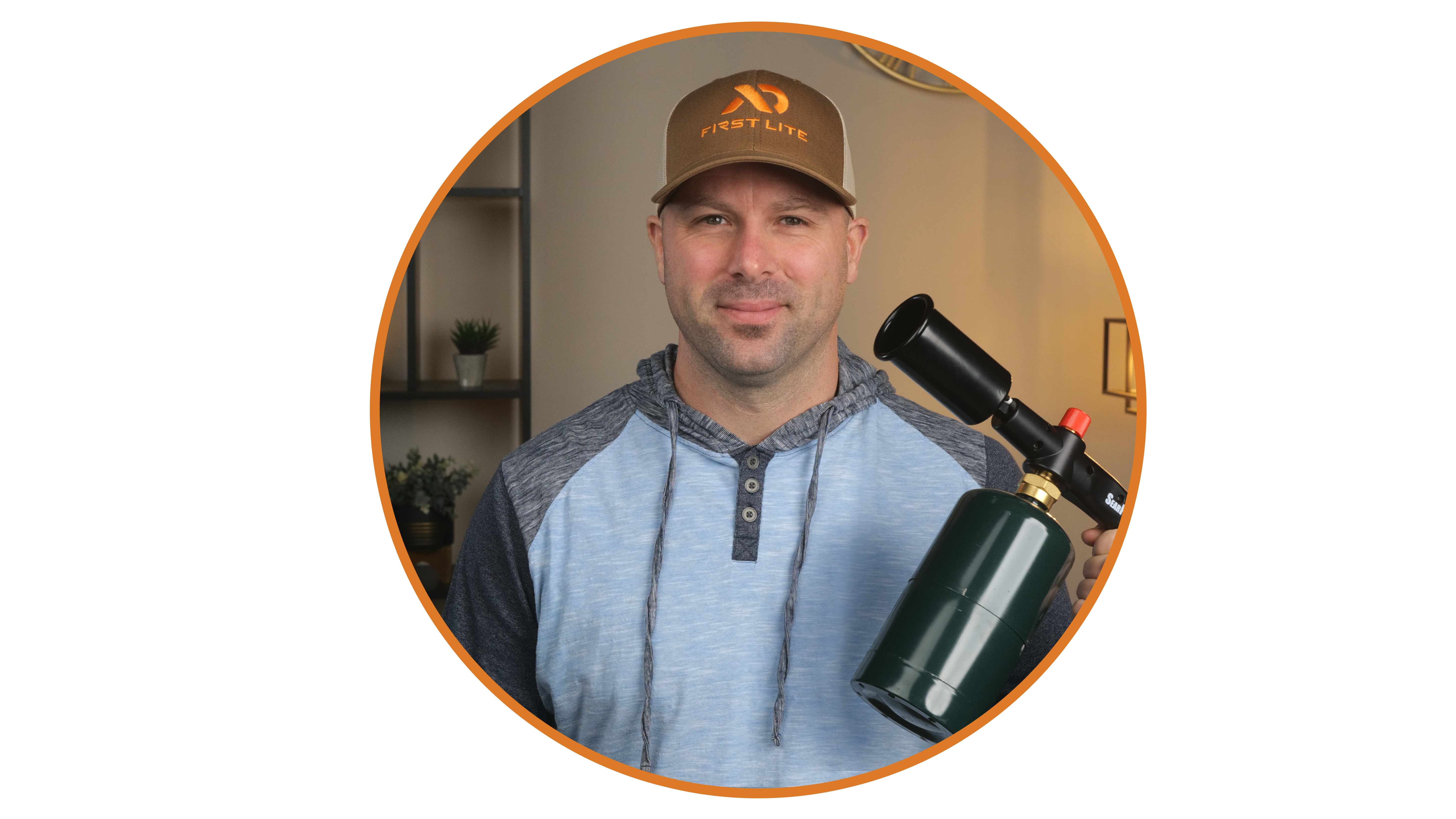
That said, a product doesn’t need to be a repeat purchase to succeed. Brent, a Passion Product Accelerator student, built Sear Pro, essentially a flamethrower, into a million-dollar brand. He did it while working full-time as a helicopter pilot and raising two kids. His success came from strong product-market fit and smart execution, not a subscription model. The repeat-purchase advantage is powerful, but never mandatory.
AJ took a similar path with his cocktail cards, a product people mostly buy once. He started with zero dollars in savings and crowdfunded his launch instead. AJ still generated over $600,000 in sales during his first year. Stories like Brent’s and AJ’s prove that a great niche plus strong execution can outperform a mediocre product with a subscription model attached.
Other Ways to Build Repeat Business Beyond Subscribe & Save
For sellers whose products don’t fit Subscribe & Save, other options exist. Post-purchase email and SMS sequences can introduce complementary products once the customer has tried the first one. Multi-product bundles encourage customers to try a second item at checkout, raising the odds they’ll come back for it later. Building an off-Amazon audience, through social media or an email list, gives a brand a direct line to past customers whenever a new product launches.
These examples prove an important point. Repeat purchases make scaling easier, but they aren’t a strict requirement for a thriving Amazon FBA business. From here, the focus shifts to getting your product seen everywhere your ideal customer spends time. That’s exactly where the flywheel principle comes in.
The Flywheel Principle
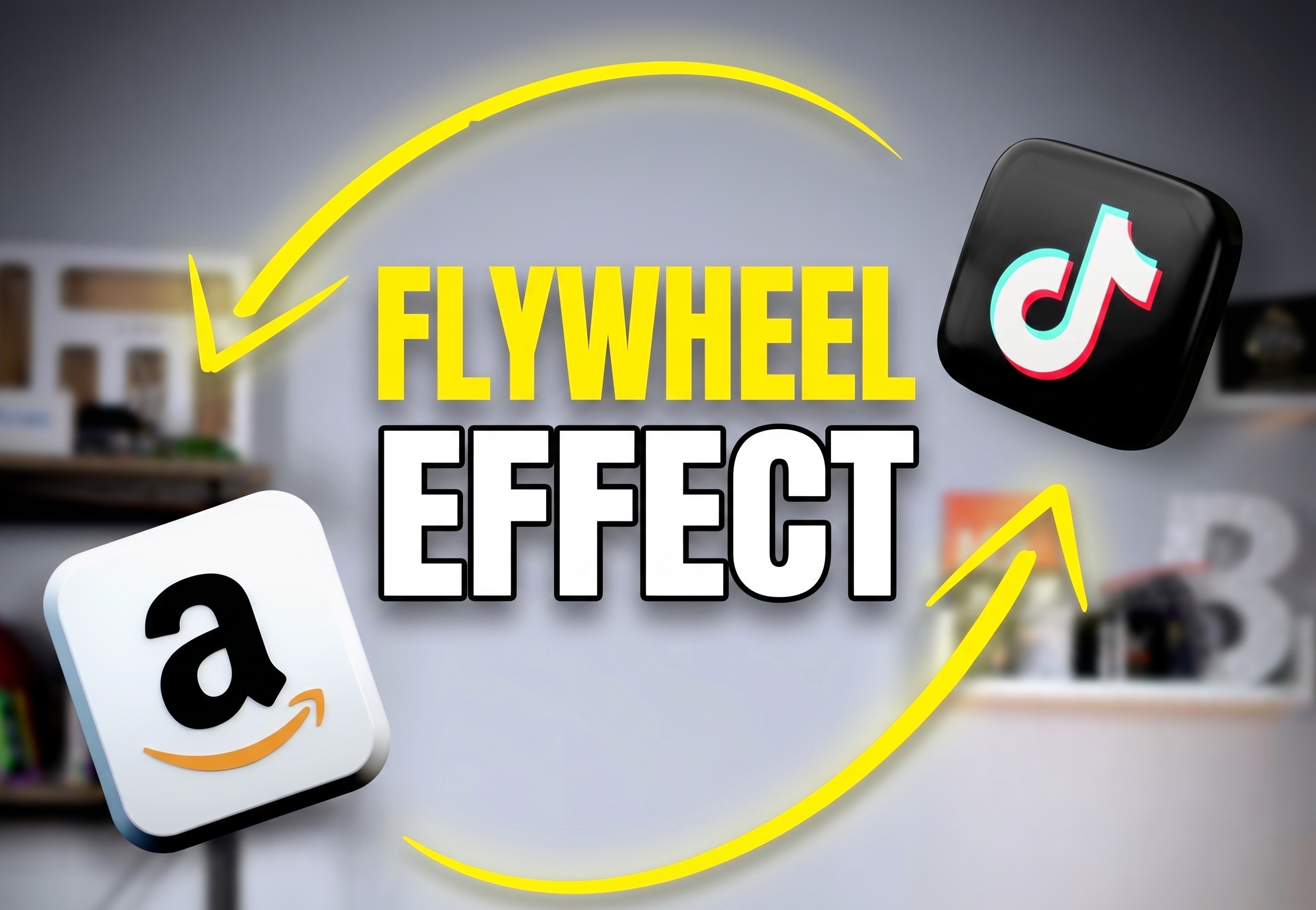
Billion-dollar Amazon brands rarely sell on Amazon alone. Instead, they build presence across TikTok Shop, their own Shopify store, and paid advertising. This creates what’s known as a flywheel effect. Some customers discover a product on Amazon and buy immediately. Others discover it first on TikTok, and that’s where things get especially interesting heading into 2026.
Once a flywheel starts moving, momentum builds on itself. A shopper sees a product on TikTok. Depending on their preference, they either buy it right there on TikTok Shop or head to Amazon to complete the purchase. Some of those Amazon buyers go on to create their own content about the product. That content exposes the brand to a whole new audience. Layer paid advertising on top, and the flywheel accelerates even further. Each channel feeds traffic and credibility into the others.
Why TikTok Shop Is the Hidden Advantage in 2026
37% of U.S. shoppers under 60 have already bought something directly through TikTok Shop, and that number keeps climbing. For sellers who built their entire strategy around Amazon alone, this represents a massive, still-underutilized opportunity. TikTok Shop functions less like a traditional ad channel and more like a discovery engine. A single piece of organic or creator-driven content can introduce a product to millions of potential customers overnight.
TikTok Shop appeals to growing brands because it requires no upfront ad spend. Brands pay creators on commission only when they generate a sale. This lets brands tap into a huge pool of potential promoters without risking any cash up front. It fundamentally changes the risk calculation for smaller brands that can’t afford traditional ad campaigns.
Real Example: $60K in One Month
This exact approach generated $60,000 in TikTok Shop sales in the very first month. It simultaneously boosted Amazon sales for Carnivore Electrolytes as more shoppers discovered the brand. That overlap is exactly what makes the flywheel so powerful. Growth on one channel doesn’t stay contained. It lifts every other channel the brand is active on.
Building Your Own Flywheel Without a Big Budget
Building a flywheel doesn’t require being active everywhere at once. Start with Amazon as the foundation. Once you’ve dialed in the product and listing, layer in TikTok Shop, since TikTok traffic needs somewhere strong to land. From there, add a simple Shopify store to capture direct-to-consumer sales and build an email list. Add paid ads later, once organic traction proves the product resonates.
A strong flywheel keeps new customers flowing in from multiple directions at once. The final piece is making sure the brand keeps growing once that attention arrives. That leads directly into the fourth and final hack.
Build a Full Product Line
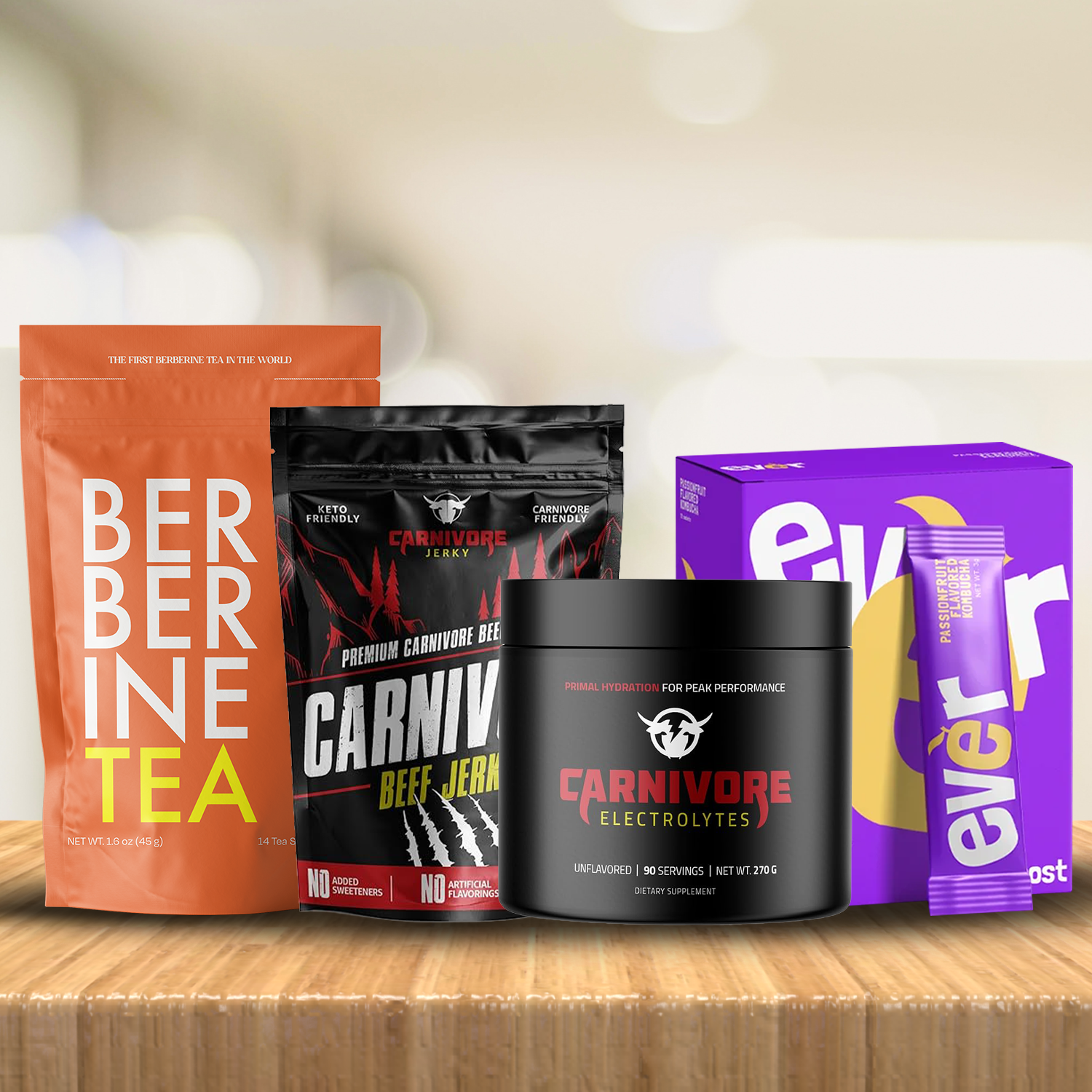
Every billion-dollar Amazon brand started with a single product. None of them stopped there. As demand grew and new opportunities appeared, each brand expanded its catalog to capture more of its audience’s spending and attention. Carnivore Electrolytes followed this same path. It launched first as an unflavored electrolyte powder, then expanded into a lemon flavor, then a beef jerky product.
The opportunities for expansion were nowhere near exhausted. Ready-to-drink sticks, more flavors, even a carnivore-friendly bar were all realistic next steps. Ultimately, the founder chose to sell the company and document the journey on YouTube instead of scaling further. The business sold for close to a million dollars at the height of the carnivore diet trend.
Why Product Expansion Compounds Growth
This pattern holds true across every billion-dollar brand mentioned so far. Physicians Choice didn’t stop at one probiotic. Mighty Patch didn’t stop at one patch. Each new product strengthens the brand as a whole. It reinforces the repeat-customer base and feeds the flywheel with fresh reasons to come back. New products also give existing customers a reason to revisit the brand’s storefront, which raises the odds they’ll discover and buy something else.
There’s also a compounding effect on advertising and content. Every new product creates new opportunities for TikTok content, new keywords to rank for on Amazon, and new reasons for customers to talk about the brand. A single-product brand eventually hits a ceiling. A growing product line keeps unlocking new pockets of demand.
Knowing When You’re Ready to Launch Your Next Product
Timing a second launch well comes down to watching for signals from existing customers. Reviews mentioning a desire for a different flavor, size, or format signal built-in demand for a specific expansion. Customer service messages and social media comments reveal the same thing. The goal isn’t to launch products constantly for the sake of it. Launch strategically, once real signals point to an obvious next step.
Consistently launching new products, instead of resting on one win, is what separates a good Amazon business from a truly great one.
The Passion Product Formula: Turning These Hacks Into a Real Business
Individually, each of these four hacks moves the needle. Niching down attracts the right customers from the very first search. Repeat purchases turn one-time buyers into predictable monthly revenue. The flywheel principle multiplies visibility across TikTok, Shopify, and Amazon at once. Launching new products keeps that momentum building instead of plateauing. Together, these four principles form the exact formula behind every billion-dollar Amazon brand in this article.
The Passion Product Accelerator teaches this exact system, and it isn’t just theory. Students like Brent and AJ prove this formula works no matter where someone starts. That might mean building a business around a full-time job and two kids, or starting with zero dollars and crowdfunding a first product. What makes this formula so effective isn’t any single hack alone. It’s the way all four work together, reinforcing each other as the business grows.
Want to explore these concepts further before diving in? A completely free 12-hour Amazon FBA course on YouTube covers everything needed to get started from scratch. It’s a genuinely useful starting point for sellers who want to test the waters before committing to a more structured program.
Ready to Build Your Own Amazon FBA Brand?
Applying these four hacks on your own is entirely possible. Countless sellers have done exactly that using nothing but free resources. That said, an experienced team in your corner tends to shorten the learning curve considerably. That’s why a limited number of free strategy calls are available now for anyone serious about launching or scaling an Amazon business.
During this free call, you’ll walk away with a personalized six-month launch plan built around your product idea or existing business. From there, the Passion Product Accelerator offers ongoing support through weekly coaching calls, small group sessions, and one-on-one guidance. You’ll also get a full library of screen-recorded training videos showing exactly how past students built their own successful Amazon brands.
Every billion-dollar brand covered in this article started the exact same way: with one niched-down product and a clear plan to scale. Apply for your free call today to find out what that plan could look like for your own business.
Frequently Asked Questions
Do I need a repeat-purchase product to build a successful Amazon FBA brand? No. Repeat purchases make scaling easier by creating predictable monthly revenue. But plenty of sellers have built six and seven-figure brands around one-time purchase products, as long as the niche and marketing strategy are strong.
How does Amazon’s Rufus AI change the way I should approach product listings? Shoppers now describe exactly what they want instead of typing generic keywords. Listings that speak directly to a specific niche or use case tend to outperform broad, one-size-fits-all descriptions.
Do I need a big advertising budget to use the flywheel principle? Not necessarily. Brands typically pay TikTok Shop creators on commission only when they generate a sale. That means you can build real momentum without spending money on ads upfront.
How many products do I need before I can consider expanding my catalog? There’s no fixed number. Launch with one strong, niched-down product first. Validate demand, then expand into related products or flavors once that first product gains traction.
Is it too late to start an Amazon FBA business in 2026? No. The brands and sellers in this article started with limited time or zero capital. The opportunity is still very much alive for anyone willing to niche down and follow a proven strategy.
How long does it typically take to see results after launching a niched-down product? This varies by category and execution. But the examples here show it’s possible to see meaningful traction within the first few months. That’s especially true when you position a product clearly for a specific, motivated audience from day one.
What’s the biggest mistake new sellers make when trying to niche down? The most common mistake is choosing a niche, then diluting it with broad, generic messaging in the listing. The product, title, images, and bullet points all need to consistently reinforce the same audience for the niche strategy to actually work.