
Amazon FBA in 2026 faces staggering competition: 10 million Amazon sellers worldwide, with 4,000 new sellers joining every single day. The market continues to evolve rapidly. Many aspiring entrepreneurs wonder if Amazon FBA in 2026 has already passed its prime opportunity. However, despite these intimidating statistics, Amazon FBA in 2026 remains one of the most lucrative online business models available. Success requires approaching it strategically using niche branding or the flywheel method.
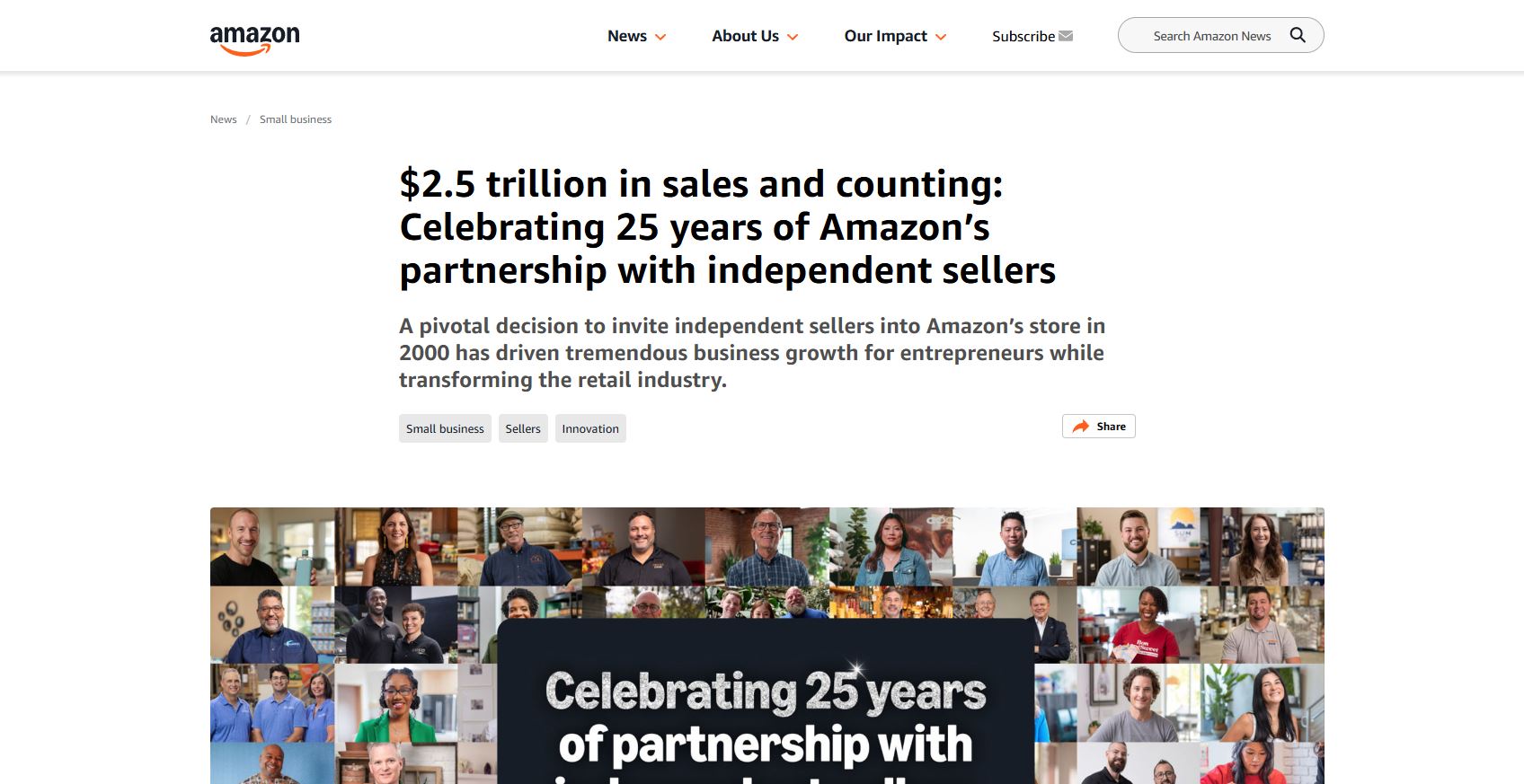
Amazon stands as a $2.5 trillion company. Remarkably, over 50% of all e-commerce sales happen directly on Amazon.com. Even more impressive, 60% of all sales on Amazon’s platform come from third-party sellers. These are people just like you who’ve built successful businesses leveraging Amazon’s massive infrastructure. Additionally, the average Amazon seller generated over $290,000 in sales last year. Over 100,000 sellers crossed the $1 million threshold. These figures demonstrate that significant opportunities still exist for those willing to learn the right strategies.
Throughout this comprehensive guide, you’ll discover the real pros and cons of selling on Amazon in 2026. You’ll learn which methods actually work in today’s competitive landscape. You’ll see transparent profit breakdowns from real businesses. Moreover, you’ll understand why now might actually be the perfect time to start your Amazon journey, despite what the skeptics say. Whether you’re completely new to e-commerce or looking to scale an existing venture, this guide will equip you with the knowledge to make an informed decision about your Amazon FBA future.

- Real Numbers: Breaking Down $1.2M in Amazon Sales
- What Makes Amazon FBA Special
- The Cons of Selling on Amazon in 2026
- The Methods That WORK in 2026
- Debunking the "Too Late" Myth
- Making It Work: The Accountability Factor
- The Complete Pros and Cons Summary
- Why Now Is Actually the Perfect Time
- Frequently Asked Questions
Real Numbers: Breaking Down $1.2M in Amazon Sales
Transparency matters when discussing Amazon FBA success. Showing real numbers from actual businesses provides invaluable insight. Last year alone, one successful Amazon seller generated over $1.2 million in total sales. Of that, $900,000 came directly from Amazon. An additional $200,000+ flowed from the flywheel method that combines multiple sales channels. Consequently, these figures represent real revenue from a working business model, not hypothetical projections or cherry-picked success stories.
Breaking down the costs reveals the true profitability behind Amazon FBA. Product costs totaled $181,000 over the year. Importantly, you don’t need to spend this all at once. You buy inventory, make sales, reinvest profits, and scale gradually. Amazon’s selling fees consumed $130,000, representing the standard 15% fee for selling on their platform. FBA pick and pack fees added another $125,000 for Amazon’s fulfillment services. Additionally, miscellaneous expenses including storage fees and a virtual assistant amounted to roughly $24,000.
After accounting for all expenses, the final profit exceeded $400,000 for the year. Remarkably, this income required less than four hours of work per week on average. This demonstrates the truly passive nature of a well-structured Amazon FBA business. The bulk of this success came from a single product: Carnivore Electrolytes. This product was created in just seven days using the niche branding method. It has since generated over $1 million in revenue.
Even more exciting, this product may soon be sold for a substantial exit. This proves that Amazon businesses aren’t just income generators. They’re valuable assets you can eventually sell. This potential liquidity represents yet another advantage of building a legitimate brand on Amazon. The alternative is just flipping generic products. Therefore, the real earning potential extends beyond monthly cash flow. It includes the ultimate payday when you’re ready to move on.
What Makes Amazon FBA Special
FBA, or Fulfilled by Amazon, transforms e-commerce from a time-intensive operation into a relatively passive income stream. Essentially, you send your products directly from your manufacturer to Amazon’s warehouses, and when customers place orders, Amazon handles everything: picking, packing, and shipping without requiring any effort on your part. This fundamental structure eliminates the traditional bottlenecks that plague most e-commerce businesses.
The advantages compound significantly when you consider Amazon’s existing infrastructure. With over 180 million Prime customers in the United States alone and more than 300 million Prime members worldwide, Amazon provides instant access to a massive, pre-qualified customer base. Furthermore, approximately 2.4 billion people visit Amazon every single month, actively searching for products to buy. Meanwhile, FBA products automatically receive Prime eligibility, which dramatically increases conversion rates and customer trust.
Unlike traditional e-commerce models that require you to handle inventory, manage a warehouse, process orders, and coordinate shipping logistics, Amazon FBA simplifies the entire operation. Your manufacturer ships bulk quantities directly to Amazon’s fulfillment centers, and from there, Amazon manages storage, order processing, customer service, and even returns. Consequently, your primary responsibility becomes creating quality products that solve real problems for specific audiences.
This streamlined approach means that once your product launches and gains momentum, the business essentially runs itself with minimal oversight. You’ll occasionally need to monitor inventory levels and reorder stock from your manufacturer, but otherwise, the system operates autonomously. Therefore, FBA enables entrepreneurs to build genuinely passive income streams while Amazon handles the operational heavy lifting that traditionally consumes most business owners’ time.aximize these advantages. You’ll learn strategic product selection and niche positioning that converts Amazon’s built-in traffic into consistent sales.
The Cons of Selling on Amazon in 2026

Despite the impressive profit potential, Amazon FBA demands real work upfront and shouldn’t be confused with passive income scams or get-rich-quick schemes. Creating quality products requires research, testing, refinement, and strategic thinking about what problems you’re solving for customers. Additionally, you’ll need to invest time learning Amazon’s platform, understanding their policies, and developing marketing strategies that help your products stand out in crowded categories.
Many aspiring sellers watch free training content, consume hours of YouTube videos, and bookmark countless resources, yet never actually launch their first product. In fact, statistics show that people who invest in structured coaching programs are 25 times more likely to actually start and succeed with their Amazon business compared to those who rely solely on free content. This dramatic difference stems from accountability: when you’ve invested money and committed publicly, you’re far more likely to follow through.
The reality is straightforward: if you’re not willing to put in focused effort for several weeks or months initially, Amazon FBA probably isn’t the right path for you. However, if you’re prepared to work diligently during the startup phase, you can build a business that generates substantial passive income for years to come. Moreover, the initial work you invest pays dividends exponentially as your business scales and systems take over.
Consider this analogy: wanting to learn surfing for years means nothing without taking actual lessons and practicing in the water. Similarly, watching Amazon FBA videos accomplishes nothing without implementing what you learn. Therefore, success requires decisive action, not endless preparation. The entrepreneurs who succeed are those who accept imperfect action over perfect planning.
Analysis Paralysis Kills Dreams

One of the biggest obstacles preventing potential sellers from succeeding is overthinking every decision. Countless aspiring entrepreneurs spend months researching the “perfect” product idea, analyzing competition endlessly, and creating elaborate spreadsheets comparing potential profit margins. Meanwhile, simpler products launched by decisive competitors start generating revenue and building momentum.
This analysis paralysis stems from fear disguised as diligence. People convince themselves they’re being thorough when they’re actually avoiding the discomfort of taking risks and committing to a direction. Unfortunately, the perfect product doesn’t exist, and waiting for certainty guarantees you’ll never start. Additionally, many of the questions plaguing beginners can only be answered through real market feedback after launching.
Breaking through analysis paralysis often requires external accountability and structure. Just as hiring a surfing coach with prepaid lessons creates commitment that ensures you actually show up and learn, investing in mentorship for your Amazon business creates psychological leverage that drives action. When you’ve paid upfront and scheduled calls with coaches, you’re significantly more likely to push through doubt and actually launch your product.
The most successful Amazon sellers aren’t necessarily those with the best initial ideas: they’re the ones who launch quickly, gather market feedback, and iterate based on real data. Instead of spending six months searching for the perfect product, they spend two weeks selecting a viable option and four months optimizing based on actual customer responses. Consequently, they learn faster, earn sooner, and build momentum while others remain stuck in planning mode.
Not All Amazon Selling Methods Are Created Equal
Understanding the different approaches to selling on Amazon is crucial because they yield dramatically different results. Retail arbitrage involves finding discounted products, either online or in physical stores, and reselling them on Amazon at full retail price for profit. For instance, you might find a product normally selling for $30 marked down to $10, buy multiple units, and flip them on Amazon. While this method works for generating quick cash and learning Amazon’s platform, it’s neither scalable nor passive since it requires constant hunting for deals and hands-on inventory management.
Wholesale represents another popular method where you purchase products in bulk from manufacturers or distributors at wholesale prices (typically 50% off retail) and resell them on Amazon. However, this approach has become increasingly competitive and problematic in 2026. Not only do you face competition from dozens or hundreds of other sellers offering the identical product, but manufacturers frequently cut out wholesalers once they discover you’re simply reselling on Amazon. Essentially, they realize they can capture your profit margin by selling directly to Amazon themselves, leaving you without a supplier.
Traditional private label: taking generic products from Alibaba, slapping your brand name on them, and listing them on Amazon represented the gold rush method from five to ten years ago. Unfortunately, this approach no longer works effectively because the market has become saturated with low-quality brands following this exact playbook. Customers have grown savvy about generic products with forgettable brand names, and competition drives prices down to unsustainable levels. Therefore, simply rebranding commodity products without adding genuine value or serving a specific niche leads to mediocre results at best.
These outdated methods share a common flaw: they’re easy to replicate, which means anyone can compete with you using the exact same approach. When barriers to entry disappear, profit margins evaporate as competitors multiply. Consequently, sustainable Amazon success in 2026 requires smarter, more strategic approaches that create defensible competitive advantages. This is precisely where the Passion Product Formula and niche branding come into play.
The Methods That WORK in 2026
Amazon attracts 180 million Prime members in the United States. It has 300 million worldwide who actively search for products with credit cards in hand. Unlike building a brand from scratch, you don’t need to drive every visitor through paid advertising. Amazon provides immediate access to customers ready to purchase. Consequently, your primary challenge shifts from generating traffic to simply positioning your product correctly. You place it in front of people already looking for solutions you provide.
Prime eligibility through FBA instantly boosts your credibility. Customers trust the fulfillment guarantee. They know they can return products hassle-free. Moreover, this built-in trust dramatically shortens the buying decision timeline. It’s much faster compared to purchasing from unknown websites. Therefore, leveraging Amazon’s established marketplace infrastructure accelerates your path to profitability. It also reduces customer acquisition costs that would otherwise consume your margins.
Niche Branding (The Smart Private Label Approach)

Niche branding transforms generic private label into a sophisticated strategy by targeting specific, underserved audience segments with tailored products. Rather than creating another generic electrolyte powder competing against hundreds of identical options, niche branding means developing an electrolyte powder specifically formulated and branded for the carnivore diet community. This subtle but crucial distinction changes everything about how customers perceive and purchase your product.
The Carnivore Electrolytes case study perfectly illustrates this principle in action. While plenty of unflavored, unsweetened electrolyte powders existed on Amazon, none specifically addressed the carnivore diet community’s unique needs and preferences. By creating a product explicitly branded for this niche, complete with packaging, messaging, and formulation that spoke directly to carnivore dieters, this product carved out a defensible market position. Consequently, it generated over $1 million in revenue despite entering a seemingly crowded category.
This approach works because it drastically reduces competition while increasing customer loyalty. When someone following the carnivore diet searches for electrolytes, they’re far more likely to choose the product specifically designed for them rather than a generic alternative. Additionally, niche communities tend to share recommendations enthusiastically within their circles, creating organic word-of-mouth marketing that generic brands never achieve. Therefore, niche branding transforms you from just another seller into the go-to solution for a specific group of passionate customers.
Looking ahead to 2026 and beyond, endless niche opportunities await discovery. Consider electrolytes formulated specifically for women’s hormonal health, protein powder tailored for Whole30 dieters, or supplements designed for specific athletic communities like CrossFit athletes or ultramarathon runners. Each niche represents a chance to create genuine value while building a defensible brand that Chinese manufacturers can’t easily replicate. Thus, niche branding remains one of the most powerful strategies for Amazon success in today’s competitive landscape.
The Passion Product Formula

The Passion Product Formula emerged from real-world experience, including both failures and breakthroughs. Twelve years ago, after quitting a soul-crushing corporate job, the journey toward online business success included a failed dance clothing company launched with good intentions but zero passion for the industry. This venture generated modest income but never achieved the life-changing success promised by e-commerce gurus. Everything changed, however, when the first true passion product, Performance Nut Butter, launched on Amazon and generated over $300,000 in sales during its first year with more than $100,000 in profit.
The formula works because passion creates authentic expertise that translates directly into competitive advantages. When you genuinely care about a product category, you understand customer pain points more deeply than competitors who simply identified a profitable niche on a spreadsheet. You know what features matter, what messaging resonates, and what improvements customers actually want. Moreover, this authentic connection sustains your motivation through the inevitable challenges every business faces, while competitors chasing purely profit-driven products quit at the first obstacle.
Real results from students implementing the Passion Product Formula validate its effectiveness. AJ generated over $500,000 in sales during his first year selling a product he was genuinely passionate about. Brent exceeded $1 million in sales last year alone by following this exact approach. Calvin, a young entrepreneur, hit $400,000 in first-year sales by identifying a passion product that aligned with his interests and expertise. These aren’t isolated success stories: they represent a repeatable pattern that emerges when entrepreneurs build businesses around genuine passion combined with strategic execution.
Furthermore, passion products create natural immunity to certain competitive threats that plague other Amazon sellers. Chinese manufacturers excel at replicating physical products cheaply, but they struggle to replicate deep market understanding, authentic brand connection, and cultural nuance. When you’ve built a brand around your genuine passion and expertise, competitors can copy your product but never duplicate the authentic relationship you’ve cultivated with customers. Therefore, the Passion Product Formula doesn’t just increase your chances of success: it builds sustainable competitive moats that protect your business long-term.
The Flywheel Method (The 2026 Game-Changer)

The flywheel method represents the most exciting opportunity for Amazon sellers in 2026, yet surprisingly few entrepreneurs are capitalizing on it. Instead of choosing between selling on Amazon or TikTok Shop, smart sellers are doing both simultaneously and leveraging the synergies between platforms to create exponential growth. This integrated approach transforms two separate sales channels into a self-reinforcing system that generates momentum far beyond what either platform achieves independently.
Here’s how the flywheel method works in practice: You launch your niche or passion product on both Amazon and TikTok Shop simultaneously. Influencers on TikTok discover your product and promote it to their audiences because TikTok Shop offers them commission on every sale they generate. These influencer promotions drive sales directly through TikTok Shop, but additionally, many viewers prefer purchasing on Amazon due to familiarity, Prime benefits, or existing accounts. Consequently, your Amazon sales increase, which boosts your product’s ranking in Amazon’s search algorithm, leading to even more organic sales on Amazon.
The cycle continues as satisfied customers from both platforms start creating their own content about your product on TikTok. Since they can earn commissions by promoting products they genuinely love, your customers become an army of organic promoters sharing authentic testimonials and recommendations. This user-generated content drives more sales on both TikTok Shop and Amazon, further increasing your rankings and visibility. Meanwhile, higher sales volumes improve your profit margins through economies of scale, allowing you to offer competitive pricing that attracts even more customers.
Real results demonstrate the flywheel’s power: the same business generating $900,000 on Amazon added over $200,000 in additional revenue from TikTok Shop using this integrated approach. Most importantly, these revenue streams complemented rather than cannibalized each other, with TikTok traffic actually boosting Amazon performance. Therefore, the flywheel method doesn’t just diversify your income: it creates a virtuous cycle where success on one platform fuels growth on the other, compounding your results in ways that single-platform sellers never experience.
Debunking the “Too Late” Myth
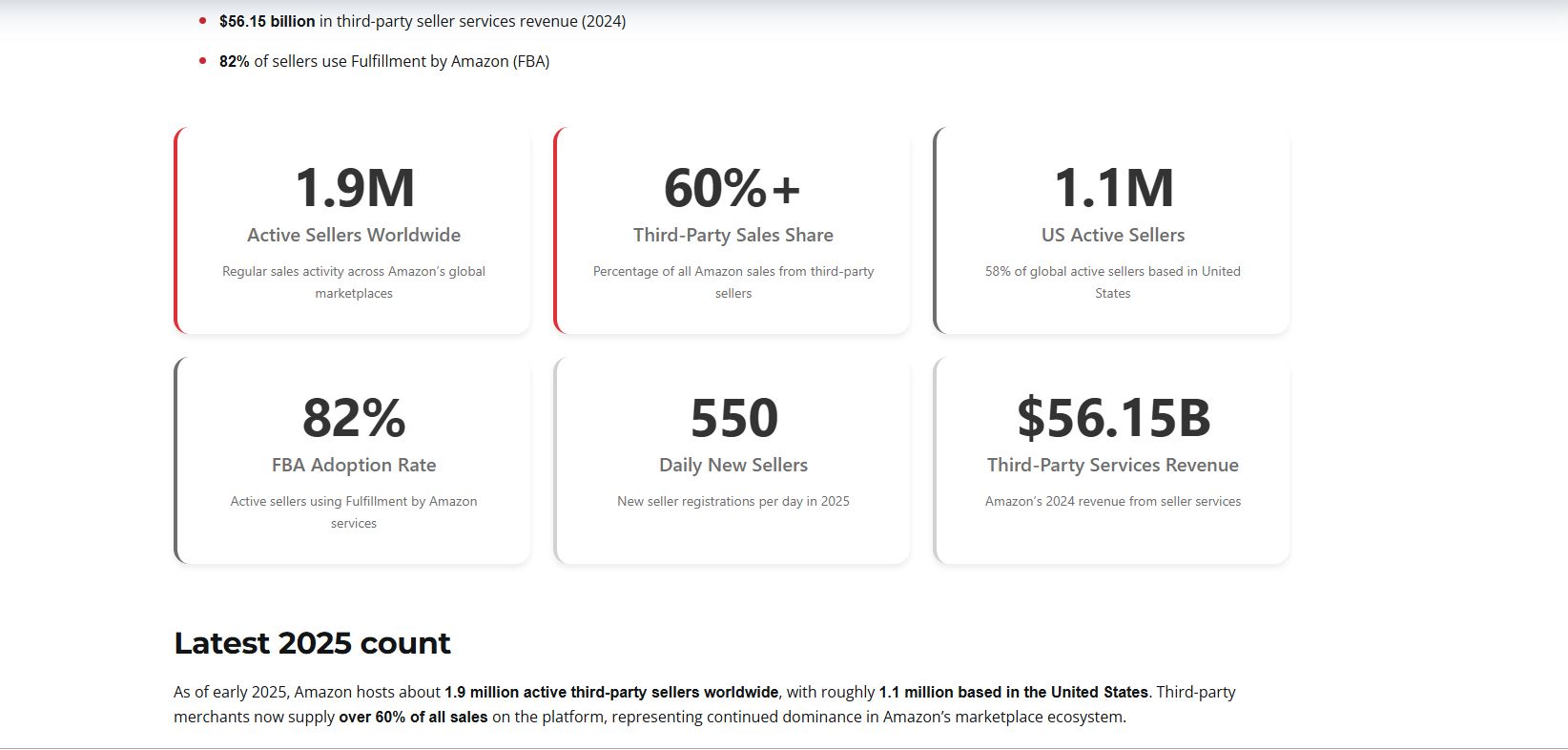
The statistic about 10 million Amazon sellers sounds intimidating until you examine what those numbers actually represent. In reality, only 2 million of those sellers are active, meaning they’ve made at least one sale in recent months. Furthermore, only 1.1 million sellers operate from the United States, and many of these are hobbyists selling a few items rather than running legitimate businesses. Therefore, the actual competitive landscape looks far less crowded than headline numbers suggest.
Even more revealing, over 100,000 Amazon sellers generated more than $1 million in sales last year, while hundreds of thousands more crossed the $100,000 threshold. These figures demonstrate that substantial income opportunities exist for sellers who approach Amazon strategically. Additionally, the gap between struggling sellers and successful ones typically comes down to strategy rather than market saturation. Those implementing smart niche branding, creating passion products, or leveraging the flywheel method continue thriving while those using outdated methods struggle.
The market continues expanding rapidly enough to support new entrants who bring genuine value. Rather than competing in a zero-sum game where your success requires someone else’s failure, Amazon’s growing market creates rising tides that lift all boats. Consequently, focusing on creating better products for specific audiences matters far more than worrying about overall seller counts. When you solve real problems for underserved niches, competition becomes largely irrelevant.
Moreover, many of those 10 million sellers actually help your business rather than hurting it. They teach customers to shop on Amazon, create baseline expectations for product quality, and validate markets you might enter. Meanwhile, the vast majority sell in completely different categories than you’ll target with your niche or passion products. Therefore, viewing all Amazon sellers as direct competitors reflects a fundamental misunderstanding of how the platform actually works.
Market Growth Is Accelerating
E-commerce growth statistics reveal why now represents an ideal time to start selling on Amazon rather than a missed opportunity. In 2022, customers spent over $600 billion on Amazon, which increased to $700 billion in 2023. Projections for 2024 estimate Amazon sales exceeded $800 billion, representing consistent year-over-year growth of roughly $100 billion. Meanwhile, total e-commerce spending in 2024 reached approximately $2 trillion across all platforms, with this figure expected to double over the next decade.
Perhaps most significantly, e-commerce still represents a surprisingly small percentage of total retail sales. Despite the explosive growth everyone acknowledges, the majority of consumer purchases still happen in physical stores. However, this balance shifts steadily each year as more consumers embrace online shopping convenience. Charts tracking this trend show a clear, consistent trajectory toward e-commerce dominance, meaning we’re witnessing the early stages of a massive secular shift rather than a mature market.
This growth trajectory creates exceptional opportunities for entrepreneurs entering the market now. As more shoppers migrate from physical stores to online platforms, and as Amazon captures an increasingly large share of that online spending, selling on Amazon positions you in the fast lane of the fastest-growing segment of retail. Additionally, you’re building brand equity and customer relationships now that will compound in value as the market expands over coming years.
Furthermore, Amazon continuously improves its infrastructure, adds new features, and expands into new categories, creating fresh opportunities constantly. From Amazon Fresh to Amazon Pharmacy to expanding international marketplaces, the platform keeps growing in scope and reach. Therefore, rather than entering a saturated market, you’re joining a dynamic ecosystem that’s still in growth mode with plenty of room for new players who bring genuine value to customers.
Addressing Common Fears
Concerns about Trump tariffs have paralyzed some potential sellers, but the reality is far less alarming than headlines suggest. The actual 10% tariff on Chinese goods adds a manageable cost increase that proper pricing strategies easily absorb. Moreover, many successful Amazon sellers already source from countries beyond China, including Vietnam, India, Mexico, and the United States itself. Consequently, tariffs represent a solvable challenge rather than a business-killing obstacle, especially for products with healthy margins and strong value propositions.
Chinese seller competition frightens many aspiring Amazon entrepreneurs, yet passion products and niche brands naturally immunize you against this threat. Chinese manufacturers excel at producing physical goods cheaply, but they struggle to understand cultural nuances, identify emerging niches, and build authentic brands that resonate with specific communities. When you create Carnivore Electrolytes specifically for the carnivore diet community, Chinese sellers can’t effectively compete because they lack the deep market understanding required to connect with that audience authentically.
Additionally, consumable products create inherent competitive advantages that durable goods don’t offer. Customers who find an electrolyte powder they love will reorder repeatedly, creating recurring revenue streams and customer lifetime value that justifies higher customer acquisition costs. Meanwhile, building genuine brands with loyal communities means customers choose you based on trust and affinity rather than price alone. Therefore, Chinese competitors targeting the lowest price point actually compete in an entirely different market segment.
Market saturation concerns similarly evaporate when you examine actual opportunities available. New niches emerge constantly as consumer preferences evolve, new diets gain popularity, and lifestyle trends create demand for specialized products. Rather than trying to compete in massive, established categories with undifferentiated products, successful sellers in 2026 focus on identifying underserved niches where they can become the dominant player. Consequently, the perceived saturation mainly affects sellers using outdated strategies while smart entrepreneurs continue finding profitable opportunities everywhere they look.
Making It Work: The Accountability Factor

The difference between free content and paid coaching often determines whether aspiring sellers actually launch businesses or remain perpetual students. Statistics show that people who invest in structured coaching programs are 25 times more likely to successfully start and scale Amazon businesses compared to those relying solely on free resources. This dramatic gap doesn’t reflect the quality of free content: extensive free training exists that covers everything you need to know. Instead, the difference comes down to accountability, commitment, and psychological leverage.
Free content creates no commitment or consequence for inaction. You can watch hundreds of hours of training videos, bookmark countless resources, and collect information endlessly without ever implementing anything. Since you haven’t invested financially or committed publicly, nothing compels you to take action when obstacles arise or motivation wanes. Additionally, the paradox of choice means unlimited free content often leads to confusion and overwhelm rather than clarity and action.
Coaching programs work because they create multiple accountability layers that dramatically increase follow-through. Weekly group calls ensure you’re making consistent progress, while one-on-one sessions provide personalized guidance addressing your specific challenges. Community support from fellow entrepreneurs at similar stages provides encouragement and practical advice. Perhaps most importantly, financial investment creates psychological leverage: having paid meaningful money upfront means you’re far more likely to show up and do the work required for success.
A free 12-hour Amazon FBA course exists for those who want to learn independently, offering comprehensive training without any catches or upsells. However, if you’ve watched free content before without launching, or if you’re serious about maximizing your chances of success, a free strategy call with experienced coaches can provide a personalized roadmap. This consultation assesses whether you’re a good fit for the accelerator program, which combines recorded lessons, live coaching, one-on-one calls, and complete mentorship. Not everyone qualifies, but for those who do, this structured support system provides the best chance of building a genuinely successful Amazon business.
The Complete Pros and Cons Summary

Selling on Amazon offers compelling advantages that few other business models can match. The platform provides instant access to a massive customer base: 180 million Prime members in the US alone and 300 million worldwide, eliminating the hardest part of traditional business: finding customers. Additionally, Amazon’s infrastructure handles fulfillment, shipping, and customer service, creating genuinely passive income potential once products launch successfully. The proven profit potential speaks for itself, with average sellers earning $290,000 annually and over 100,000 sellers exceeding $1 million in sales.
The flywheel method creates multiple revenue streams by combining Amazon with TikTok Shop, diversifying income while platforms boost each other’s performance. Scalability represents another major advantage: successfully launching one product provides the knowledge and cash flow to launch additional products, potentially building a portfolio generating significant passive income. Furthermore, Amazon’s year-over-year growth means you’re building in an expanding market, and Prime eligibility gives FBA products inherent advantages over non-Prime competitors.
However, honest assessment requires acknowledging the downsides as well. Amazon FBA requires upfront work to research products, create listings, and launch effectively: it’s not truly passive during the startup phase. Initial product investment can range from a few thousand to tens of thousands of dollars depending on your product and order quantities. Additionally, Amazon charges a 15% selling fee on most categories (though this can reduce to 5% with certain strategies), plus pick and pack fees for FBA services that cut into profit margins.
Not all selling methods work equally well, meaning strategy matters enormously for success versus failure. Many beginners get stuck in analysis paralysis, overthinking decisions and never actually launching products. Some categories face intense competition requiring sophisticated marketing to stand out. Nevertheless, understanding both advantages and challenges allows you to make informed decisions and approach Amazon realistically rather than with unrealistic expectations. Ultimately, the pros significantly outweigh the cons for entrepreneurs willing to learn proven strategies and execute consistently.
Why Now Is Actually the Perfect Time

The convergence of multiple factors makes 2026 an exceptional time to start selling on Amazon despite surface-level concerns about saturation. E-commerce continues growing rapidly while still representing a minority of total retail sales, meaning we’re riding a long-term secular wave that will continue for decades. Amazon captures an increasing share of that e-commerce growth, positioning sellers on the platform to benefit from compounding market expansion. Moreover, the flywheel method combining Amazon and TikTok Shop represents a fresh opportunity that early adopters can capitalize on before it becomes common knowledge.
Strategic advantages available today won’t necessarily exist indefinitely. Currently, you can still find underserved niches where becoming the dominant player requires modest investment and smart execution. TikTok Shop’s integration with Amazon selling remains relatively new, giving pioneers a head start building flywheel momentum. Additionally, the Passion Product Formula creates defensible competitive moats that protect against both Chinese manufacturers and domestic competitors who lack authentic market understanding. These advantages favor action-takers who start now rather than waiting for “perfect” conditions that never arrive.
Real success stories validate that Amazon remains highly lucrative for sellers who approach it correctly. From Carnivore Electrolytes generating over $1 million in revenue to students like AJ hitting $500,000 in year one and Brent exceeding $1 million last year, evidence clearly shows the potential. These results don’t come from gurus cherry-picking outliers: they represent repeatable patterns from implementing proven strategies. Furthermore, the transparency around real numbers, costs, and profits demonstrates that success is achievable rather than hypothetical.
The question isn’t whether opportunities exist on Amazon: they objectively do. Instead, the question is whether you’re willing to learn what works in 2026, commit to implementation despite uncertainty, and persist through inevitable challenges. Market conditions will never be perfect, and waiting for ideal circumstances guarantees you’ll never start. However, taking action now with smart strategies positions you to build substantial passive income over the coming years. Therefore, if Amazon FBA interests you, the time to start is now, not someday.
Frequently Asked Questions
Is Amazon FBA still profitable in 2026?
Yes, Amazon FBA remains highly profitable in 2026 for sellers who implement proven strategies. These include niche branding and the flywheel method. Travis generated over $400,000 in profit while working less than four hours weekly. Over 100,000 sellers achieved more than $1 million in sales last year. Moreover, customer demand continues growing faster than seller competition. This is especially true in properly chosen niches where you can build defensible competitive advantages through the Passion Product Formula approach.
How much money do I need to start Amazon FBA?
You can start Amazon FBA with as little as $2,000-$3,000 for initial inventory. However, $5,000-$10,000 provides more comfortable runway and flexibility. Additionally, you don’t need all expenses upfront. You reinvest profits from initial sales to purchase additional inventory gradually. The costs scale with your growth rather than requiring massive capital before generating any revenue. This makes it accessible for most aspiring entrepreneurs.
Can I really make money with Amazon FBA as a beginner?
Beginners absolutely succeed with Amazon FBA when they follow proven methodologies. You can’t just try to figure everything out independently. Students like Calvin generated $400,000 in their first year. AJ achieved $500,000 as a first-time seller. Nevertheless, success requires proper education, consistent action, and often accountability. Programs like the Passion Product Formula guide you through each step systematically.
What’s the difference between niche branding and traditional private label?
Traditional private label involves taking generic products from Alibaba and adding your logo. This no longer works effectively in 2026’s competitive landscape. Niche branding specifically targets a defined audience. You create products branded explicitly for their unique needs. An example is Carnivore Electrolytes for the carnivore diet community. Consequently, niche branding creates differentiation and customer loyalty. This protects you from competition and price erosion.
How does the flywheel method work with Amazon and TikTok Shop?
The flywheel method integrates Amazon and TikTok Shop. Influencers promote your products for commission. They generate sales on both platforms simultaneously. TikTok traffic drives Amazon rankings higher through increased sales velocity. This creates more organic visibility and customers who become content creators themselves. Moreover, this self-reinforcing cycle compounds over time. It creates exponential growth rather than linear progress.
Do I need to worry about Chinese sellers undercutting my prices?
Chinese sellers cannot effectively compete when you implement niche branding correctly. They lack the cultural understanding and community connections necessary for authentic positioning. Travis never worried about Chinese competition with his products. They served specific communities he understood intimately. Furthermore, consumable products create repeat customer relationships. Brand loyalty develops. This makes price undercutting ineffective at stealing market share.
Is it too late to start selling on Amazon?
It’s absolutely not too late to start Amazon FBA in 2026 despite increased seller counts. Customer demand grows faster than competition in properly chosen niches. E-commerce still represents a small percentage of total retail sales. It shows consistent year-over-year growth with no signs of slowing. Additionally, the right strategies create defensible positions. New entrants cannot easily challenge them. This makes timing less important than methodology.
How passive is Amazon FBA really?
Amazon FBA becomes genuinely passive once you establish proper systems. Travis works less than four hours weekly on his business. It generates $400,000 in annual profit. Nevertheless, building those systems requires upfront work. This includes product development, launch strategy, and team hiring. Moreover, the business runs automatically through FBA’s infrastructure that handles fulfillment. Virtual assistants manage routine communications.
What’s included in the Passion Product Formula accelerator program?
The accelerator program provides comprehensive mentorship. This includes pre-recorded lessons, weekly group coaching calls, and one-on-one support. You get complete accountability systems. Additionally, you receive step-by-step guidance for finding profitable products. You learn sourcing inventory, launching successfully, and implementing the flywheel method. Therefore, this represents the only way to work directly with Travis and his team. They’ve collectively generated millions in Amazon sales.
Should I start with the free course or join the accelerator program?
Starting with Travis’s free 12-hour YouTube course works well for people wanting to learn fundamentals before committing financially. However, students in the paid accelerator program are 25 times more likely to actually start and succeed. Investment creates accountability and provides ongoing support through challenges. Consequently, schedule a free strategy call to determine which path aligns best with your goals. Consider your resources and need for structured guidance.