
Can you really make money with retail arbitrage in 2026? Indeed, this question haunts thousands of aspiring Amazon sellers. They dream of financial freedom but aren’t sure where to start. Instead of just theorizing about the answer, we decided to put retail arbitrage to the ultimate test. Specifically, the goal: making $700 in profit in under one hour of actual work to buy a new home office computer.
Before diving headfirst into clearance aisles and discount bins, however, there’s a smarter approach. Unfortunately, most beginners overlook this critical step. Rather than wasting precious time hunting random products or making costly mistakes, we consulted with Travis Marziani. He’s the co-founder of Passion Product Formula. In fact, his insights transformed what could have been hours of frustration into a focused, efficient challenge.
Throughout this real-world experiment, you’ll discover the step-by-step process for finding profitable products. Subsequently, you’ll learn how to create Amazon listings correctly. We’ll cover navigating seller fees and ultimately deciding whether retail arbitrage deserves your time and energy. Moreover, we’ll reveal the insider hack for unlocking gated brand approvals. Surprisingly, most sellers don’t know this secret exists. Additionally, we’ll explain why the Passion Product team transitioned away from arbitrage to build a million-dollar Amazon business in under two years.
Whether you’re a complete beginner exploring your options or an experienced seller considering arbitrage as a side strategy, this hands-on challenge will show you exactly what works. Equally important, you’ll see what doesn’t work. Ultimately, you’ll learn how to make the smartest decision for your Amazon journey. Additionally, you’ll discover the free resources and mentorship opportunities available to help you avoid mistakes. Unfortunately, these mistakes sink most new sellers before they ever gain traction.
- What is Retail Arbitrage?
- The Challenge Setup: $700 in Under 1 Hour
- Finding the Winning Product
- Creating the Amazon Listing
- Preparing and Shipping to Amazon
- Understanding Amazon Fees
- The Reality Check: Pros and Cons
- The Secret to Selling Gated Brands
- Why Private Label Wins
- Your Next Steps
- The Bottom Line: Is Retail Arbitrage Your Best Move?
- Frequently Asked Questions
What is Retail Arbitrage?
Retail arbitrage operates on a beautifully simple principle. Essentially, you buy products at retail stores for one price. Then you sell them on Amazon for a higher price. Finally, you keep the difference as profit. For example, imagine finding a wooden cabinet at Walmart for $139.99. Subsequently, you list it on Amazon where similar cabinets sell for $321. As a result, that’s a potential $180 profit from a single transaction.
Unsurprisingly, this straightforward business model attracts thousands of new sellers every year. After all, it requires no product development. Furthermore, you need no manufacturing relationships. In addition, it demands relatively little startup capital compared to other business ventures. In fact, you can literally start today with whatever money you have available.
However, retail arbitrage comes in two distinct flavors. Notably, these cater to different lifestyles and preferences. First, in-store arbitrage involves physically visiting retail locations like Walmart, Target, HomeGoods, or local clearance stores. Essentially, you hunt for discounted products that command higher prices on Amazon. Alternatively, online arbitrage allows you to find these same deals from the comfort of your home. Instead, you compare prices across retail websites and Amazon. Then you purchase products digitally without ever stepping foot in a store.
Despite its apparent simplicity, retail arbitrage presents significant restrictions. Unfortunately, these catch new sellers off guard. Specifically, Amazon gates certain brands. Consequently, this means you cannot sell products from companies like Disney, Harry Potter, Nike, or Lego without first obtaining special approval. Indeed, you must go through a verification process. These restrictions exist to protect customers from counterfeit products and maintain brand integrity. Nevertheless, they create frustrating barriers for beginners who discover the perfect deal only to find they’re blocked from listing it.
The Challenge Setup: $700 in Under 1 Hour

Setting ambitious yet achievable goals transforms vague business ideas into concrete action plans. For this challenge, the objective was crystal clear. First, generate enough profit through retail arbitrage to purchase a $700 home office computer. Second, accomplish this feat in under one hour of actual working time. Importantly, this time limit excluded shipping delays and product delivery. Rather, it focused solely on the hours spent researching products, creating listings, labeling inventory, and dropping packages at the post office.
Starting this challenge from a position of zero retail arbitrage experience created the perfect testing ground. Specifically, it allowed us to evaluate whether beginners can realistically succeed with this model. Rather than relying on years of accumulated knowledge, the challenge demanded a fresh perspective. In fact, this approach mirrors the exact situation most aspiring sellers face. Typically, they’re exploring Amazon as an income opportunity for the first time.
Consequently, the first strategic move involved consulting with Travis Marziani. Notably, he’s an expert who’s navigated the Amazon ecosystem for years. Furthermore, he helped build Passion Product Formula into a thriving community. In particular, his guidance provided a critical shortcut that saved countless hours of trial and error. Instead of wandering through stores hoping to stumble upon profitable deals, Travis recommended a counterintuitive starting point. Specifically, look around your own house for products you already purchase regularly.
This mentor-driven approach highlights a fundamental truth about building any successful business. Clearly, learning from people who’ve already achieved what you’re trying to accomplish accelerates your results exponentially. Furthermore, Travis suggested focusing on online deals first. Specifically, he advised against immediately driving to physical stores. As a result, this would maximize efficiency and align perfectly with the one-hour time constraint. Armed with this expert strategy, the clock started ticking. Finally, the hunt for a winning product began.
Finding the Winning Product
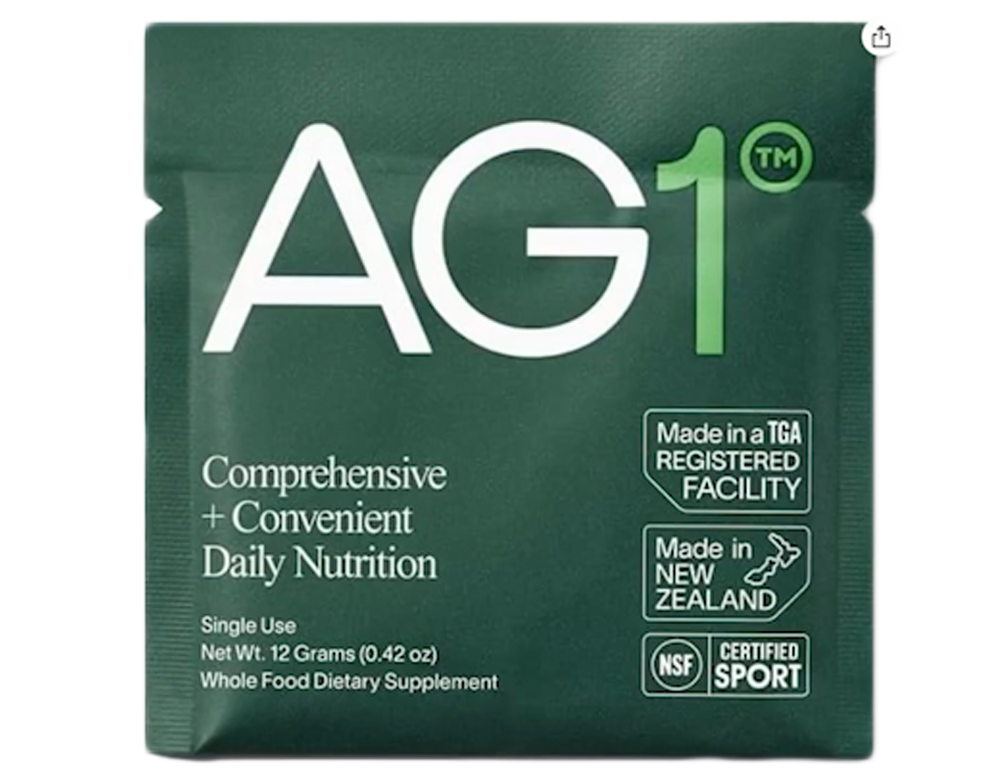
With Travis’s advice echoing in mind, the search began in the most unexpected location: the kitchen cabinet. Rather than researching obscure product categories or studying complex market data, the first step was simple. Essentially, just gather all the supplements purchased regularly. Then evaluate whether any presented arbitrage opportunities. Remarkably, this practical approach took just 35 seconds to execute. In fact, it proves that profitable products often hide in plain sight within your daily routine.
Two products immediately stood out from the lineup. Specifically, Onnit supplements and AG1 (Athletic Greens) single-serving packets caught attention first. Both items offered compelling advantages for a retail arbitrage test. First, they’re small and lightweight, which means lower shipping costs to Amazon’s warehouses. Additionally, they enjoy massive popularity in the health and fitness industry. Consequently, this indicates strong, consistent demand. Moreover, these products already existed on Amazon. As a result, this eliminated any uncertainty about whether customers would actually purchase them.
Diving into the research phase revealed an incredible opportunity with AG1 packets. Initially, it seemed almost too good to be true. On Amazon, individual AG1 packets were selling for approximately $7.50 each. Clearly, this established a clear market price that customers willingly paid. Then, checking the official AG1 website uncovered a subscription option. Surprisingly, they offered 30 packets for $89. That breaks down to roughly $3 per packet. Immediately, this price differential signaled significant profit potential.
After quickly calculating the numbers, the profit margin became undeniable. Specifically, purchasing packets at $3 each and selling them for $6.99 (slightly below the $7.50 competition) would yield approximately $3-4 profit per packet after Amazon fees. Even better, this entire product discovery process consumed only 4 minutes from start to finish. Consequently, that left 56 minutes remaining in the one-hour challenge. Ultimately, this success validated Travis’s strategy perfectly. Indeed, starting with familiar products you already understand beats randomly searching for deals every single time.
Creating the Amazon Listing

Finding a profitable product represents only half the battle in retail arbitrage. Subsequently, creating the listing correctly separates successful sellers from those who struggle. Unfortunately, listing errors lead to low visibility, pricing mistakes, or account suspensions. Fortunately, when you’re selling a product that already exists on Amazon, the listing creation process becomes remarkably straightforward. In comparison, it’s much simpler than launching a private label product from scratch. As a result, this simplicity offers beginners a gentle introduction to Amazon’s seller platform. Importantly, there are no overwhelming technical requirements.
The process starts by copying the ASIN from the existing AG1 product page. Specifically, ASIN stands for Amazon Standard Identification Number. Essentially, it serves as the unique identifier Amazon uses to track every product in its catalog. After logging into Seller Central and navigating to the dashboard, you simply select “Add a Product.” Next, paste the ASIN. Then select the “New” condition. Instantly, Amazon populates all the product details. Specifically, the title, images, bullet points, and description all appear automatically. This happens because this listing already exists in their system.
Next comes filling out the critical listing details. Clearly, these determine your profitability and competitiveness. First, the SKU (Stock Keeping Unit) functions as your internal tracking number. Essentially, you can input anything that helps you identify this product in your inventory system. Second, the quantity field specifies how many units you’re planning to sell. Third, the price represents your most strategic decision in the entire process. Specifically, setting the price at $6.99 instead of matching the $7.50 competition creates a competitive advantage. As a result, this helps win the Amazon buy box, the coveted position where most customers make their purchases. Meanwhile, you’ll still maintain a healthy $4 profit margin per packet.
Finally, selecting the fulfillment method determines whether you’ll handle every order manually or let Amazon manage the entire process. With FBM (Fulfilled by Merchant), you print shipping labels for every single order. Additionally, you package products yourself. Then you drive to the post office repeatedly. Furthermore, you manage all customer service inquiries and returns. Alternatively, FBA (Fulfilled by Amazon) allows you to send your entire inventory to Amazon once. After that, they pick, pack, ship, and handle all customer service automatically. Clearly, this choice fundamentally impacts your lifestyle and business scalability. Therefore, FBA is the overwhelmingly superior option for anyone seeking passive income or planning to grow beyond a handful of sales per week.
Preparing and Shipping to Amazon

After placing the bulk order for four boxes of AG1 packets, the waiting began. Naturally, delivery would take 2-3 business days. Importantly, this waiting period didn’t count toward the one-hour time limit. Instead, the focus remained on the actual labor required to process and ship inventory. Once the packages arrived, each box contained two 30-packs of AG1. Consequently, this provided all the inventory needed to test whether this retail arbitrage opportunity would deliver the promised $700 profit.
The labeling process consumes the majority of hands-on time in retail arbitrage. Moreover, it requires careful attention to detail. Specifically, FNSKU labels serve as Amazon’s method for distinguishing your inventory from other sellers offering the same product. Critically, these labels must cover the manufacturer’s original barcodes completely. Fortunately, you can print these labels directly from Seller Central. Simply navigate to Manage Inventory. Then click the settings button next to your listing. Finally, select “Print Labels.” Overall, this step took approximately 30 minutes to print all the labels and carefully apply them to each individual packet.
Simultaneously, you need to prepare shipping labels. Essentially, these tell Amazon which fulfillment center should receive your inventory. Additionally, they explain how to process it upon arrival. Interestingly, these labels actually consist of two parts. First, the UPS shipping label gets the box to Amazon’s warehouse. Second, the Amazon ID label helps their receiving team stock your products correctly. Furthermore, it links them to your listing. Creating these labels requires inputting the box dimensions, weight, and quantity of units inside. Fortunately, you can do all of this through Seller Central’s Send/Replenish Inventory workflow.
With all 120 packets labeled and packed securely into boxes, the final step arrived. Specifically, drive to the post office to drop off the shipment. Overall, this portion of the challenge took 17 minutes. That included the drive time and waiting in line during an unfortunately busy rush hour period. Adding up all the active work time painted a clear picture. First, ten minutes for product research and listing creation. Second, thirty minutes for labeling. Third, seventeen minutes for the post office trip. Ultimately, the total came to just 57 minutes of actual work. As a result, the challenge was successfully completed within the one-hour constraint.
Understanding Amazon Fees

Before celebrating any profit projections, understanding Amazon’s fee structure proves absolutely critical. Indeed, you must calculate your true earnings accurately. Unfortunately, many beginners make a costly mistake. Specifically, they focus solely on the price difference between their cost and selling price. Meanwhile, they completely overlook the multiple fees Amazon charges for every transaction. Consequently, this oversight transforms what seemed like profitable deals into money-losing ventures. Instead of earning money, they drain your bank account.
Amazon offers two seller account types. Notably, each has different fee structures that suit different business scales. First, the Individual Plan costs nothing upfront. However, it charges $0.99 for every single sale you make. Therefore, this makes it ideal for sellers moving fewer than 40 units per month. Conversely, the Professional Plan requires a $39.99 monthly subscription. Nevertheless, it eliminates per-sale fees. As a result, this makes it the smarter choice once you’re consistently selling more than 40 units monthly. Essentially, you’ll break even on the subscription cost at that volume.
Beyond account fees, every sale incurs referral fees. Specifically, these are a percentage of your selling price that varies by category. Additionally, you’ll also pay FBA fulfillment fees based on the product’s size and weight. Furthermore, Amazon charges monthly storage fees for keeping your inventory in their warehouses. Notably, rates increase significantly during the busy Q4 holiday season when warehouse space becomes scarce. For the AG1 packets, these combined fees totaled approximately $2-3 per unit. Critically, this must be subtracted from the gross profit calculation.
Running the complete profit calculation reveals the true economics of this retail arbitrage deal. First, selling price: $6.99. Second, cost: $3 per packet. Third, Amazon fees: approximately $2.50. Therefore, net profit: roughly $1.50-2.00 per packet. With 120 packets shipped, this translates to $180-240 in total profit. Unfortunately, that falls far short of the $700 goal. In fact, to actually hit $700 in profit would require selling approximately 350-470 packets. Ultimately, the exact number depends on final fee calculations. This demonstrates the volume required to generate meaningful income through retail arbitrage.
The Reality Check: Pros and Cons

Retail arbitrage seduces new sellers with undeniable advantages. Initially, it seems like the perfect entry point into Amazon selling. First, the barrier to entry remains incredibly low. After all, you don’t need to develop products. Furthermore, you don’t negotiate with manufacturers. In addition, you don’t invest thousands in inventory before making your first sale. Instead, you can start with whatever capital you currently have available. Simply buy just a few units of discounted products. Then test the waters before committing more money. Furthermore, you’re selling products with proven demand that already rank on Amazon. As a result, this eliminates the uncertainty of whether anyone will actually buy what you’re offering.
However, these advantages come packaged with significant sustainability challenges. Unfortunately, they become painfully apparent once you’ve completed your first few transactions. First, deals disappear constantly. For example, the AG1 subscription discount might vanish tomorrow. Similarly, clearance items sell out within hours. Additionally, retail stores change their pricing strategies without warning. Consequently, you cannot build a reliable reorder system. In contrast, this differs dramatically from private label products where you control the manufacturing relationship. With private label, you can predictably replenish inventory whenever needed.
Moreover, the time investment required for ongoing success makes retail arbitrage exhausting as a long-term business model. Specifically, you must constantly hunt for new deals. In practice, this means physically driving to stores several times per week. Alternatively, it means spending hours daily comparing prices across dozens of websites. Furthermore, each product you find requires its own research, listing creation, labeling, and shipping process. Typically, you’ll never sell the same item more than once or twice before the deal evaporates. Consequently, this endless treadmill prevents you from ever achieving true passive income. Ultimately, you can’t build a business that generates revenue while you sleep.
Additionally, competition concerns plague retail arbitrage sellers in ways that private label sellers never experience. Essentially, anyone can purchase and resell the same products you’re selling. Therefore, you have zero brand protection or competitive moat. In fact, other sellers can undercut your prices at any moment. As a result, this triggers a race to the bottom that destroys everyone’s margins. The AG1 example demonstrated retail arbitrage can work. However, it also revealed a harsh truth. Specifically, finding deals this profitable is the exception, not the rule. In reality, most products won’t deliver anything close to this margin.
The Secret to Selling Gated Brands

Amazon gates popular brands like Disney, Nike, Lego, and Harry Potter. Specifically, this protects customers from counterfeit products and maintains brand integrity. Unfortunately, these restrictions frustrate new sellers. Typically, they discover incredible deals on branded products but cannot list them for sale. Instead, they need approval first. However, understanding the ungating process opens doors to significantly more profitable retail arbitrage opportunities. Notably, gated products typically face less competition. Simply put, other sellers haven’t taken the time to get approved.
The process begins with legally registering your business. Specifically, Amazon requires this before they’ll consider ungating you for major brands. You have two primary options. First, form an LLC (Limited Liability Company) for approximately $200. Notably, this creates legal separation between your business and personal assets. Furthermore, it offers protection in case of lawsuits. Alternatively, register a DBA (Doing Business As) for around $99. However, this provides a professional business name but offers no legal protection. Services like WireRegisteredAgent.net and LegalZoom handle these registrations for you. Alternatively, you can also complete the paperwork yourself through your state’s business registration office.
Once you’ve established your legal business entity, the next step involves creating an account with EE Distribution. Similarly, other wholesale distributors also work. Essentially, they supply authentic branded products with proper invoices. When contacting these distributors, maintain professional communication. Specifically, explain that you’re seeking wholesale purchasing relationships for resale on Amazon. Then order a minimum quantity (typically 10 units) of a gated product you want approval for. Importantly, ensure you receive a detailed invoice. It should show the distributor’s business information, product details, quantities, and prices. Ultimately, this invoice becomes your key to unlocking Amazon’s gates.
Here’s where the process gets interesting. First, submit the invoice to Amazon through Seller Central’s ungating request system. However, expect to face automatic denials from Amazon’s algorithm during your first few attempts. Instead, keep resubmitting the same legitimate invoice. Eventually, a human reviewer will examine your request and approve you. Furthermore, employ this strategic bonus tip. Instead of requesting approval for just “Lego,” submit for “Harry Potter Lego sets.” Remarkably, this single submission simultaneously ungates you for Lego, Harry Potter, AND Warner Bros. In other words, one restricted item approval unlocks multiple brand families simultaneously. Consequently, this hack multiplies your selling opportunities exponentially while minimizing the bureaucratic hurdles you must clear.
Why Private Label Wins

After completing the retail arbitrage challenge, the contrast with private label selling becomes strikingly clear. Specifically, the experience highlighted both advantages and limitations firsthand. The Passion Product Formula approach centers on owning your products entirely. Consequently, this means you’re not competing on someone else’s listing alongside dozens of other sellers. There’s no desperate race to offer the lowest price. Instead, you control your brand. Additionally, you control your pricing strategy. Furthermore, you control your profit margins. Ultimately, you control your business’s destiny. Clearly, these advantages prove impossible to achieve through retail arbitrage.
Sustainable reordering transforms private label from a side hustle into a genuine business asset. Moreover, it builds long-term value. When your inventory runs low, you simply email your manufacturer with a reorder quantity. Subsequently, they ship fresh stock directly to Amazon’s warehouses. Meanwhile, you never touch the products. Remarkably, this predictable, repeatable process creates almost passive income. In fact, it continues generating revenue month after month, year after year. Essentially, you create the products once and continue selling indefinitely. In contrast, compare this elegant simplicity to retail arbitrage. With arbitrage, every sale requires you to hunt for new deals. Additionally, you must research new products. Essentially, you start over from scratch.
The Passion Product team’s results speak volumes about which model delivers superior long-term outcomes. Specifically, they focused on high-demand, low-competition products that solve real customer problems. As a result, this approach generated over $1 million in sales in less than two years. Furthermore, they built actual equity in their business. Importantly, these aren’t one-time arbitrage flips that disappear when retail stores change their pricing. Instead, they’re sustainable products with loyal customer bases. Additionally, they have consistent reorder rates. Moreover, profit margins improve over time as you optimize your costs and marketing.
Moreover, private label allows you to build something genuinely passive rather than constantly trading time for money. First, you create products once. Then ship them to Amazon. Subsequently, focus your energy on marketing, optimization, and scaling. Meanwhile, you’re not endlessly hunting for clearance deals. Similarly, you’re not driving to post offices. The retail arbitrage challenge proved an important lesson. Initially, quick wins feel satisfying in the moment. However, they don’t build the lasting wealth and freedom that come from owning products customers love. Indeed, they want to buy repeatedly. Ultimately, this fundamental difference separates hobbies from businesses. It explains why experienced sellers eventually transition away from arbitrage toward private label models.
Your Next Steps

If you’re intrigued by retail arbitrage and want to experience it as a learning opportunity, approach it with realistic expectations. Importantly, don’t treat it as your long-term business strategy. Instead, set clear time limits like the one-hour challenge. Consequently, this prevents you from falling into the endless hustle trap. Ultimately, you don’t want to spend 40 hours weekly hunting deals for minimum wage returns. Use retail arbitrage to understand how Amazon’s FBA system works. Additionally, practice creating listings. Furthermore, learn about fees and profit calculations. Finally, build your seller metrics. However, recognize these lessons serve as stepping stones toward more sustainable business models.
For those ready to build something real with genuine growth potential, the free education path offers incredible value. Importantly, it requires no financial commitment upfront. Specifically, the Passion Product Formula team provides a comprehensive 10-hour Amazon FBA tutorial completely free on YouTube. Notably, this covers everything from A to Z about launching private label products. The course walks through product research methodologies. Subsequently, you’ll learn about finding reliable manufacturers. Additionally, it teaches creating listings that convert browsers into buyers. Furthermore, you’ll discover how to optimize for Amazon’s search algorithm. Finally, you’ll learn to build a sustainable business that generates income long-term. No credit card required. No hidden upsells. Simply straightforward education from people who’ve actually built million-dollar Amazon businesses.
However, if you’re serious about accelerating your success, the mentorship path delivers exponentially better results. Specifically, it helps you avoid the costly mistakes that derail most beginner sellers. Booking a strategy call with Passion Product Formula coaches gives you access to hundreds of step-by-step tutorials. Additionally, you’ll join a thriving community of Amazon sellers on the same journey. Furthermore, you’ll participate in weekly Q&A sessions where experts answer every question you have. Consequently, this support system prevents you from wasting months going down wrong paths. Moreover, it helps you identify truly viable product ideas instead of money-losing mistakes. Finally, it provides accountability that keeps you moving forward when challenges arise.
The fundamental question you must answer isn’t whether retail arbitrage can work. Indeed, the challenge proved it can. Rather, you need to decide what kind of business you want to build. Do you want a side hustle that demands constant hunting and delivers inconsistent results? Alternatively, do you want a real business that builds equity, generates predictable income, and grows while you focus on higher-level strategy? Importantly, you won’t be stuck searching clearance-aisle treasure hunts. Both paths lead somewhere. However, only one creates the financial freedom and lifestyle flexibility that most people dream about when they first explore Amazon selling.
The Bottom Line: Is Retail Arbitrage Your Best Move?
Completing the retail arbitrage challenge successfully demonstrated that the model absolutely can work. Specifically, it generates quick profits with minimal time investment. In fact, making profit in under one hour of actual work proves the concept isn’t just theoretical hype. Clearly, real opportunities exist for finding products at retail prices below what customers willingly pay on Amazon. The AG1 packets delivered exactly what retail arbitrage promises. Essentially, a simple buy-low, sell-high transaction. It required no product development. Furthermore, no manufacturing relationships. Additionally, no complex marketing strategies.
Yet this success simultaneously revealed the model’s fundamental limitations. Unfortunately, these make it unsuitable as a long-term wealth-building strategy. The “almost got lucky” factor cannot be overstated. Specifically, finding a deal as profitable as the AG1 subscription discount represents the exception rather than the rule. In reality, most products won’t deliver anything close to this margin. Furthermore, even this exceptional deal required scaling to 350-470 packets to actually hit the $700 profit goal. Consequently, this demonstrates the massive volume needed to generate meaningful income through arbitrage.
The real lesson from this challenge wasn’t about proving retail arbitrage works or doesn’t work. Instead, it highlighted the critical difference between quick wins and sustainable business models. Initially, quick wins feel satisfying in the moment. However, sustainable models build lasting wealth. Retail arbitrage serves as an excellent educational tool. Specifically, you understand Amazon’s platform. Additionally, you practice FBA logistics. Furthermore, you gain confidence as a seller. However, these lessons should guide you toward private label products. With private label, you control your destiny. Moreover, you build brand equity. Ultimately, you create income streams that don’t require constant hunting.
Ultimately, success on Amazon in 2026 isn’t about working harder to find better deals. Similarly, it’s not about spending more hours scanning clearance aisles. Instead, it’s about working smarter by choosing business models that scale. Additionally, it’s about leveraging mentorship to avoid expensive mistakes. Furthermore, it’s about building products that customers love enough to buy repeatedly. Whether you start with arbitrage to learn the ropes or jump straight into private label with proper guidance, your financial freedom journey depends far more on strategy than hustle. Fortunately, the Passion Product Formula community stands ready to help you navigate this path with proven frameworks, expert coaching, and a supportive network of sellers who’ve already achieved what you’re working toward.
Frequently Asked Questions
How much money do I need to start retail arbitrage?
You can technically start retail arbitrage with as little as $100-200. Specifically, focus on small, lightweight products with decent profit margins. However, realistically, you should budget at least $500-1,000. Consequently, this allows you to purchase enough inventory to make the time investment worthwhile. Additionally, it covers your initial Amazon fees.
Remember that you’ll need to pay for the products themselves. Furthermore, you’ll have shipping costs to Amazon. Additionally, you need FNSKU labels. Moreover, you may need an Amazon Professional seller account at $39.99/month if you plan to sell more than 40 units monthly. Additionally, you should maintain a cash reserve. Importantly, Amazon holds your payments for up to two weeks after the customer receives their order. As a result, this means you won’t access your profits immediately even after making sales.
What’s the difference between retail arbitrage and online arbitrage?
Retail arbitrage involves physically visiting brick-and-mortar stores. Specifically, you go to Walmart, Target, HomeGoods, or local retailers to find discounted products. Then you resell these on Amazon for profit. Essentially, you’re literally walking through aisles with a scanner app. Meanwhile, you check prices and profit margins in real-time.
Online arbitrage achieves the same goal but entirely through your computer. Instead, you compare prices between retail websites and Amazon. Importantly, you never leave your home. Generally, online arbitrage typically saves time since you avoid driving to multiple stores. However, retail arbitrage sometimes offers unique clearance deals that never appear online. In practice, many successful arbitrage sellers use both methods. Overall, online arbitrage generally scales better since you can systematically check hundreds of products quickly using software tools.
How long does it take to get ungated for brands like Nike or Disney?
The ungating timeline varies significantly. Specifically, it depends on Amazon’s review queue and how perfectly you’ve prepared your documentation. Generally, most sellers should expect 1-3 weeks from initial submission to approval. Unfortunately, Amazon’s automated systems will likely reject your first few submissions. Consequently, this frustrates many beginners who give up too quickly.
The key is persistence. Specifically, keep resubmitting the same legitimate invoice from authorized distributors like EE Distribution. Continue doing this until a human reviewer examines your request. Interestingly, some sellers report getting approved within 24-48 hours. This happens if they submit flawless documentation during slower periods. Conversely, others face a month-long process involving multiple back-and-forth communications with Amazon. To maximize your chances of quick approval, ensure your business registration matches exactly across all documents. Additionally, your invoice should contain all required information. Finally, request ungating for specific products rather than entire brand categories.
Can I really make passive income with retail arbitrage?
No, retail arbitrage fundamentally cannot deliver truly passive income. Importantly, this stands true despite what some YouTube videos might suggest. Essentially, the model requires constant active work to find new deals. Specifically, prices change continuously. Furthermore, clearance items sell out. Additionally, you cannot reliably reorder the same products repeatedly.
Even after you’ve sent inventory to Amazon and they’re handling fulfillment, you must continuously hunt for replacement products to maintain your income stream. Clearly, the moment you stop sourcing new deals, your revenue stops flowing. In contrast, this stands in stark contrast to private label selling. With private label, you create products once. Then you reorder from manufacturers indefinitely without needing to search for deals. Consequently, private label creates genuinely passive income after the initial setup. Specifically, your products continue selling month after month with minimal ongoing work. Essentially, you just reorder inventory and do basic optimization. Therefore, if passive income is your goal, treat retail arbitrage as a learning tool to understand Amazon’s platform. Subsequently, transition to private label as quickly as possible.
What mistakes do beginners make with retail arbitrage?
The most common mistake involves failing to accurately calculate all fees before purchasing inventory. Unfortunately, this transforms seemingly profitable deals into money-losing nightmares. Typically, beginners often subtract only their product cost from the Amazon selling price. Meanwhile, they don’t account for referral fees, FBA fulfillment fees, storage fees, return costs, and shipping expenses to Amazon.
Another critical error is buying too much inventory of untested products. Simply put, just because something seems like a great deal doesn’t guarantee it will actually sell quickly on Amazon. Consequently, you might end up with inventory sitting in Amazon’s warehouse accumulating storage fees for months. Additionally, many new sellers ignore Amazon’s gating restrictions. Specifically, they purchase large quantities of branded products they cannot legally sell. As a result, this leaves them stuck with inventory they can’t list. In contrast, smart arbitrage sellers always calculate complete profit margins including all fees. Furthermore, they start with small test quantities of new products. Finally, they verify they have selling permissions before purchasing any inventory.
Should I choose FBA or FBM for retail arbitrage?
For retail arbitrage specifically, FBA (Fulfilled by Amazon) delivers dramatically better results than FBM (Fulfilled by Merchant). Notably, there are several critical reasons for this. First, FBA products automatically qualify for Prime shipping. As a result, this significantly increases your sales velocity. In fact, approximately 65% of Amazon customers specifically filter search results to show only Prime-eligible products.
Second, FBA eliminates the time-consuming task of packing and shipping every individual order yourself. Otherwise, this would quickly consume all your profit margins in labor hours. Third, Amazon handles all customer service and returns. Consequently, this prevents you from dealing with angry customers or processing refunds manually. The only scenario where FBM makes sense for arbitrage is if you’re testing a single unit of an expensive item. Specifically, you want to avoid Amazon’s FBA fees until you confirm it sells. However, for anything beyond small-scale testing, always choose FBA. Ultimately, this maximizes your sales and minimizes your ongoing workload.
How does retail arbitrage compare to wholesale selling on Amazon?
Retail arbitrage and wholesale selling share similarities. Specifically, both involve reselling existing branded products rather than creating your own. However, wholesale operates at a different scale with more sustainable economics. Essentially, wholesale sellers establish direct relationships with brands or authorized distributors. Subsequently, they purchase products in bulk quantities, often hundreds or thousands of units. Meanwhile, they get true wholesale prices rather than hunting for retail discounts.
This approach delivers better margins. Additionally, it allows reliable reordering. Furthermore, it builds actual business relationships that create competitive advantages. However, wholesale requires significantly more startup capital. Specifically, think $5,000-10,000 minimum versus the $500-1,000 you can start with for arbitrage. Moreover, wholesale also involves more complex negotiations. Additionally, you face minimum order quantities. Furthermore, you need formal business agreements. For beginners with limited budgets, retail arbitrage serves as an accessible entry point. However, sellers serious about scaling often transition to wholesale or private label once they’ve built capital and experience.
What tools or apps do I need for retail arbitrage?
The essential tool for retail arbitrage is a product scanning app. Specifically, options include Scoutify (part of Inventory Lab), Profit Bandit, or the Amazon Seller app. These allow you to scan product barcodes in stores. Instantly, you see the Amazon selling price, sales rank, and estimated fees. Consequently, these apps help you quickly evaluate whether products are profitable. Moreover, you don’t have to manually search Amazon on your phone.
Additionally, many successful arbitrage sellers use browser extensions. For example, Keepa or CamelCamelCamel track Amazon price history and identify patterns. Specifically, products that frequently spike in price might represent good arbitrage opportunities when you find them discounted at retail. Furthermore, for online arbitrage, tools like Tactical Arbitrage or OAXray automate the process of comparing prices across hundreds of websites. Essentially, they find deals you’d never discover through manual searching. While none of these tools are absolutely required when starting out, they dramatically increase your efficiency. Ultimately, they help you find more profitable deals in less time.
How fast can I actually make money with retail arbitrage?
Retail arbitrage offers one of the fastest paths from purchase to profit in the Amazon ecosystem. However, “fast” requires managing expectations realistically. After you purchase inventory and send it to Amazon, FBA receiving typically takes 3-7 business days. Unfortunately, it can stretch to 2-3 weeks during busy seasons.
Once Amazon receives and processes your inventory, it becomes available for sale. Subsequently, products with good sales rank might sell within hours or days. Conversely, slower-moving items could take weeks or months. After a customer purchases your product, Amazon holds the payment for approximately 14 days before transferring money to your bank account. Consequently, this adds another delay. In the best-case scenario, you could purchase a product today and have cash in your bank account within 3-4 weeks. However, more realistic timelines run 4-8 weeks from purchase to payment. Additionally, you’ll likely need to reinvest those initial profits into more inventory rather than taking money out immediately. Ultimately, this is necessary if you want to grow your business.