
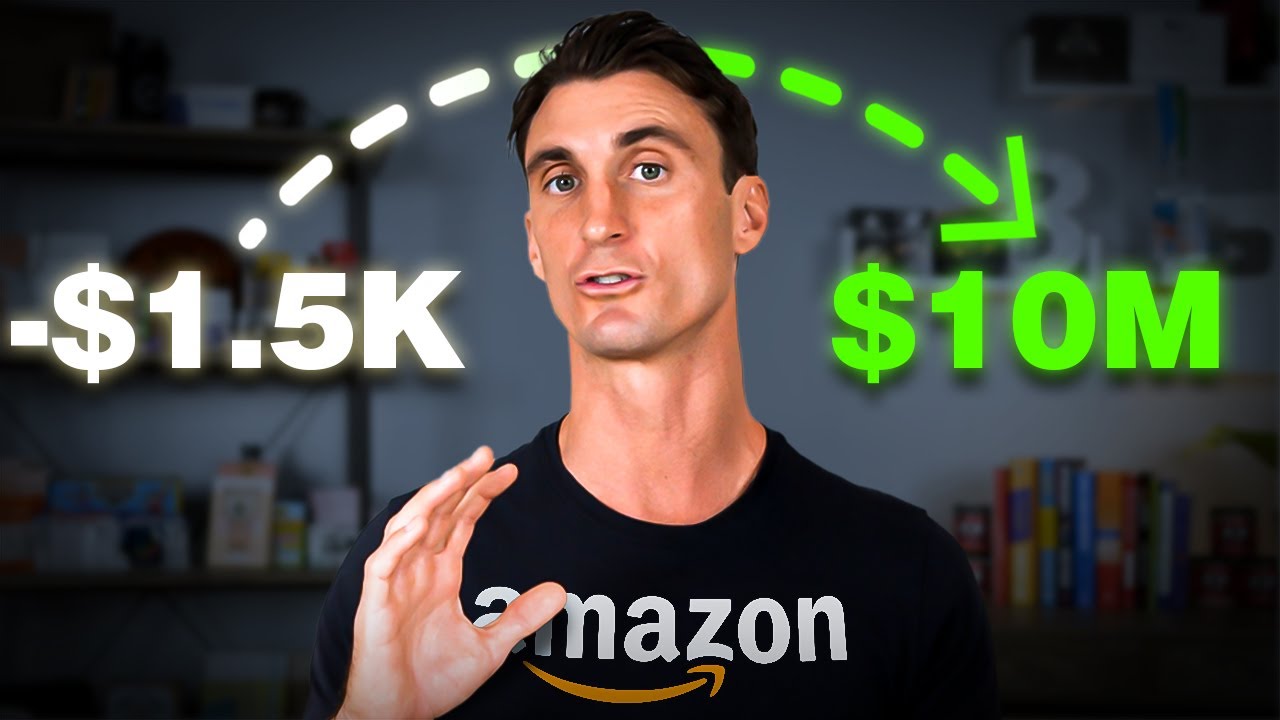
Selling on Amazon has transformed countless lives. Travis Marziani’s journey proves it’s more accessible than you might think. With over 2,000 students trained, 500,000 subscribers across social media platforms, and a staggering $50 million in combined sales through his methods, Travis represents the pinnacle of Amazon FBA success. His approach isn’t built on luck or secret hacks. It’s grounded in a systematic methodology called the Passion Product Formula that anyone can follow.
What sets Travis apart from other Amazon educators is his hands-on experience with real products generating real revenue. From his breakthrough Performance Nut Butter that earned $300,000 in the first year to his recent Carnivore Electrolytes launch that consistently sells out, he’s proven his strategies work across multiple niches and market conditions. Furthermore, his willingness to share exact processes provides aspiring sellers with a genuine roadmap to success. This includes product research techniques, manufacturer relationships, and launch strategies.
This comprehensive guide walks you through every single step of building a profitable Amazon business. You’ll learn everything from finding your first product to scaling past six figures monthly. Whether you’re completely new to e-commerce or looking to optimize your existing Amazon presence, you’ll discover actionable insights from someone who’s generated tens of millions in sales. Additionally, you’ll learn why the Passion Product Formula creates sustainable businesses rather than quick-win opportunities that fade within months.
- Finding Your Winning Product
- Validating Your Product Idea
- Finding and Working with Manufacturers
- Creating Your Amazon Seller Account and Product Listing
- FBA vs. FBM: Choosing Your Fulfillment Method
- Launching Your Product Successfully
- Running Amazon PPC (Pay-Per-Click) Advertising
- Scaling from $10K to $100K+ Monthly Revenue
- The Passion Product Formula Advantage
- Common Mistakes to Avoid
- Your Roadmap to Amazon Success
- Frequently Asked Questions
Finding Your Winning Product

Understanding Amazon as a Search Engine
Most people think of Amazon as just an online store. However, successful sellers recognize it as fundamentally a search engine where customers type exactly what they want to buy. This distinction matters because understanding search behavior unlocks the entire product research process. When you realize that thousands of people search for specific terms every month, you can strategically position products to capture that existing demand.
Travis emphasizes that Amazon’s $2 trillion valuation exists because they’ve built the world’s most efficient product discovery platform. Customers arrive with purchase intent already formed. They’re not browsing casually like on social media. Consequently, if you can identify what people are actively searching for and offer the perfect solution, Amazon’s algorithm naturally rewards you with visibility and sales.
The beauty of this search-driven model is that you don’t need massive marketing budgets. You don’t need celebrity endorsements to start. Instead, you need to match your product to existing search queries that reveal unmet needs or underserved niches. Moreover, once you understand this fundamental principle, every other aspect of selling on Amazon becomes significantly clearer and more strategic.
Using Helium 10 for Product Research

Helium 10 stands out as Travis’s number one tool for uncovering profitable product opportunities through data-driven insights. The platform reveals precisely how many people search for specific terms each month. This eliminates guesswork from product selection. For instance, Travis discovered that approximately 2,000-3,000 people monthly search specifically for “carnivore electrolytes.” This term had surprisingly zero dedicated products despite massive demand in the broader electrolyte market.
The Magnet tool within Helium 10 particularly excels at showing related search terms and variations that customers use. This feature helps you understand the full scope of opportunity beyond just one keyword. Additionally, you can analyze competitor performance, identify seasonal trends, and spot emerging niches before they become oversaturated with sellers.
While Helium 10 requires a subscription, Travis notes that free methods exist for those starting with limited budgets. However, the time saved and accuracy gained through professional tools often justifies the investment. This is especially true when you’re committing thousands of dollars to inventory. Furthermore, the minimum search volume Travis recommends is 1,000 monthly searches for complete beginners. He personally targets 20,000+ for products he launches today as an experienced seller.
The Passion Product Approach
The Passion Product Formula revolutionizes how entrepreneurs select products by starting with personal interests rather than arbitrary market research. Travis’s carnivore electrolytes journey perfectly illustrates this principle. He wanted to try the carnivore diet himself, needed electrolytes for it, and discovered nobody made a product specifically for that audience. This personal connection meant he understood the customer deeply because he was the customer.
Selling products you’re passionate about creates multiple advantages beyond just enjoying your work. First, you naturally understand your target market’s pain points, language, and objections because you’ve experienced them personally. Second, creating marketing content becomes effortless when you genuinely believe in what you’re selling. Third, you’re more likely to stick with the business during challenging periods because the product matters to you beyond just profit margins.
However, Travis acknowledges that not everyone immediately identifies a clear passion. This is why he also recommends focusing on consumable products as an alternative strategy. Consumables like supplements, food items, or skincare create recurring revenue streams since customers must reorder regularly. Similarly, selecting categories you have some familiarity with provides enough knowledge foundation to create superior products compared to generic overseas sellers.
Niche Branding Strategy
Beyond personal passion, Travis has refined a powerful approach he calls “niche branding.” This strategy takes popular product categories and targets specific demographics. The method involves identifying massive markets like electrolytes, protein powder, or fitness equipment. Then you ask who isn’t being served by current offerings. For example, electrolytes marketed specifically for women using feminine branding, colors, and messaging create instant differentiation in a crowded market.
The Primal Queen case study demonstrates the explosive potential of niche branding executed well. While Liver King dominated the beef organ supplement space with aggressive masculine marketing, Primal Queen launched a nearly identical product formulated and branded for women. This simple repositioning generated almost $4 million monthly in revenue by serving an audience that felt excluded from existing options. Importantly, the product itself didn’t require revolutionary innovation. The positioning created the value.
This strategy works because different demographics respond to different messaging, branding, and product features even when the core function remains similar. Men and women have different priorities when evaluating supplements. Parents and singles have different needs for home products. Age groups respond to varied aesthetic choices. Therefore, you can often find incredible opportunities by taking proven products and thoughtfully adapting them for overlooked segments of the market.
Validating Your Product Idea

Research-Based Validation
Before investing thousands in inventory, Travis employs multiple validation techniques to ensure genuine market demand exists. One of his favorite methods involves analyzing one-star reviews on bestselling competitor products. This helps identify widespread complaints and frustrations. When you see dozens of customers complaining about the same issue, you’ve discovered a clear opportunity to differentiate your offering. Common complaints include no flavor options, poor packaging, or missing features.
Amazon’s bestseller categories provide another goldmine of validation data by showing which products currently dominate different niches. Travis systematically reviews these top products and reads their negative reviews. He identifies patterns in customer dissatisfaction. Additionally, he examines whether the bestsellers truly optimize for their target keywords. Sometimes they’ve succeeded despite mediocre listings, which suggests room for a better-positioned competitor.
This research-based approach goes beyond just confirming demand exists. It reveals exactly how to position your product as superior to current options. When customers actively complain about artificial ingredients in existing electrolytes, you know a clean-label version will resonate. Furthermore, this validation method costs nothing beyond your time, making it accessible even for entrepreneurs on extremely tight budgets.
Social Media Validation

Social media platforms offer powerful, free validation tools that provide real-time feedback on product concepts before manufacturing. Travis recommends posting about your product idea on Instagram, TikTok, or relevant Facebook groups. You can gauge authentic interest through engagement metrics. When your post about launching carnivore-specific electrolytes generates hundreds of likes, comments, and shares, you’ve confirmed people care about this solution.
Beyond simple engagement, you can take validation further by building an email list of interested potential customers. Creating a landing page that says “Be the first to know when our carnivore electrolytes launch” and tracking signup numbers provides concrete data about purchase intent. Specifically, if 500 people willingly provide their email address to learn more, you have a built-in launch audience ready to buy on day one.
The most advanced social validation comes from actually collecting money through platforms like Kickstarter or Indiegogo before manufacturing. Travis used this exact approach with his Performance Nut Butter. He raised $15,000 from backers who pre-purchased the product. Consequently, he had both validation that demand existed and partial funding to cover manufacturing costs, significantly reducing his financial risk on an unproven product.
Google Trends Analysis
While Amazon-specific data reveals search volume, Google Trends provides critical context about whether your niche is growing, stable, or declining over time. Travis discovered the carnivore diet trend was trending sharply upward when he launched his electrolytes. This explained the market opportunity and predicted continued growth. Conversely, launching into a declining trend means fighting against market momentum regardless of how good your product is.
The platform allows you to compare multiple related search terms to understand the broader market landscape. For instance, you might discover that “carnivore diet” is growing while “paleo diet” is declining. This suggests where to focus your product development efforts. Moreover, regional data shows which countries or states demonstrate the strongest interest, potentially informing where to concentrate marketing efforts.
Timing matters enormously in e-commerce success. Google Trends helps you catch waves rather than chase fading fads. Travis noted he expected the carnivore trend might peak in January but instead saw continued acceleration. This validated his long-term investment in that niche. Therefore, spending 20 minutes analyzing trends before committing to a product can save you from costly mistakes.
Finding and Working with Manufacturers

Where to Find Manufacturers
Alibaba.com dominates as the go-to platform for overseas manufacturing. It offers access to approximately 200,000 different suppliers across virtually every product category imaginable. The platform’s scale means you’ll find multiple manufacturers for almost any product concept. This creates healthy competition that benefits you through better pricing and terms. However, navigating the quality differences between suppliers requires diligence and systematic vetting.
For entrepreneurs preferring domestic production, ThomasNet.com serves as the American equivalent. It connects buyers with US-based manufacturers. While typically more expensive than overseas options, domestic manufacturing offers several advantages. These include faster turnaround times, easier communication, higher quality control, and “Made in USA” branding benefits. Additionally, smaller minimum order quantities often make domestic production more accessible for first-time sellers testing new products.
Travis also emphasizes that Google remains your friend for manufacturer discovery beyond these platforms. Simply searching “electrolyte powder private label manufacturer” or “supplement contract manufacturer USA” yields numerous specialized companies. Furthermore, many of these manufacturers found through direct search have more flexible terms. They offer more personalized service compared to the volume-focused suppliers on Alibaba.
Evaluating Manufacturers

Getting product samples represents the first non-negotiable step when evaluating potential manufacturing partners. Travis insists on physically examining quality, testing functionality, and comparing multiple suppliers’ samples side-by-side. This happens before making any commitments. This hands-on evaluation often reveals significant differences invisible in specification sheets. These differences range from material quality to finishing details that impact customer perception.
Beyond product quality, assess the relationship dynamics and communication patterns during your initial interactions. Manufacturers who treat small first-time sellers dismissively will likely provide poor service when real problems arise. Those who take days to respond to basic questions show similar red flags. Conversely, suppliers who respond promptly, answer questions thoroughly, and treat you as a valued partner typically maintain that service level long-term.
Response time particularly matters because Amazon selling requires agility. You need to capitalize on opportunities and address inventory shortages quickly. Travis looks for manufacturers who reply within 24 hours and demonstrate genuine interest in understanding his needs. Moreover, he explicitly asks about their current capacity and client priorities to ensure they can handle his orders reliably.
Contracts and Agreements
Travis strongly prefers straightforward pricing contracts where costs are fixed per unit quantity. He avoids complex variable structures based on labor hours or materials. Clear, simple agreements prevent disputes and allow accurate profit margin calculations when planning inventory purchases. Specifically, he wants to know that 1,000 units will cost exactly X amount, period. This applies regardless of any production complications the manufacturer faces.
For overseas manufacturing, non-disclosure and non-compete agreements (commonly called NN agreements) provide essential protection. They prevent manufacturers from copying your product and selling it themselves or to competitors. While enforcement can be challenging across international borders, these agreements at least establish clear expectations. They provide legal recourse if violations occur. Additionally, they demonstrate professionalism and seriousness that often discourages opportunistic behavior.
Liability protection clauses deserve special attention in manufacturing contracts. This is particularly true for consumable products where quality issues could cause health problems. Travis ensures his agreements specify that manufacturers bear liability for defects resulting from their production processes. However, he acknowledges his documentation could improve. He recommends new sellers invest in proper legal contracts, noting that tools like ChatGPT can even help draft initial templates before legal review.
Creating Your Amazon Seller Account and Product Listing
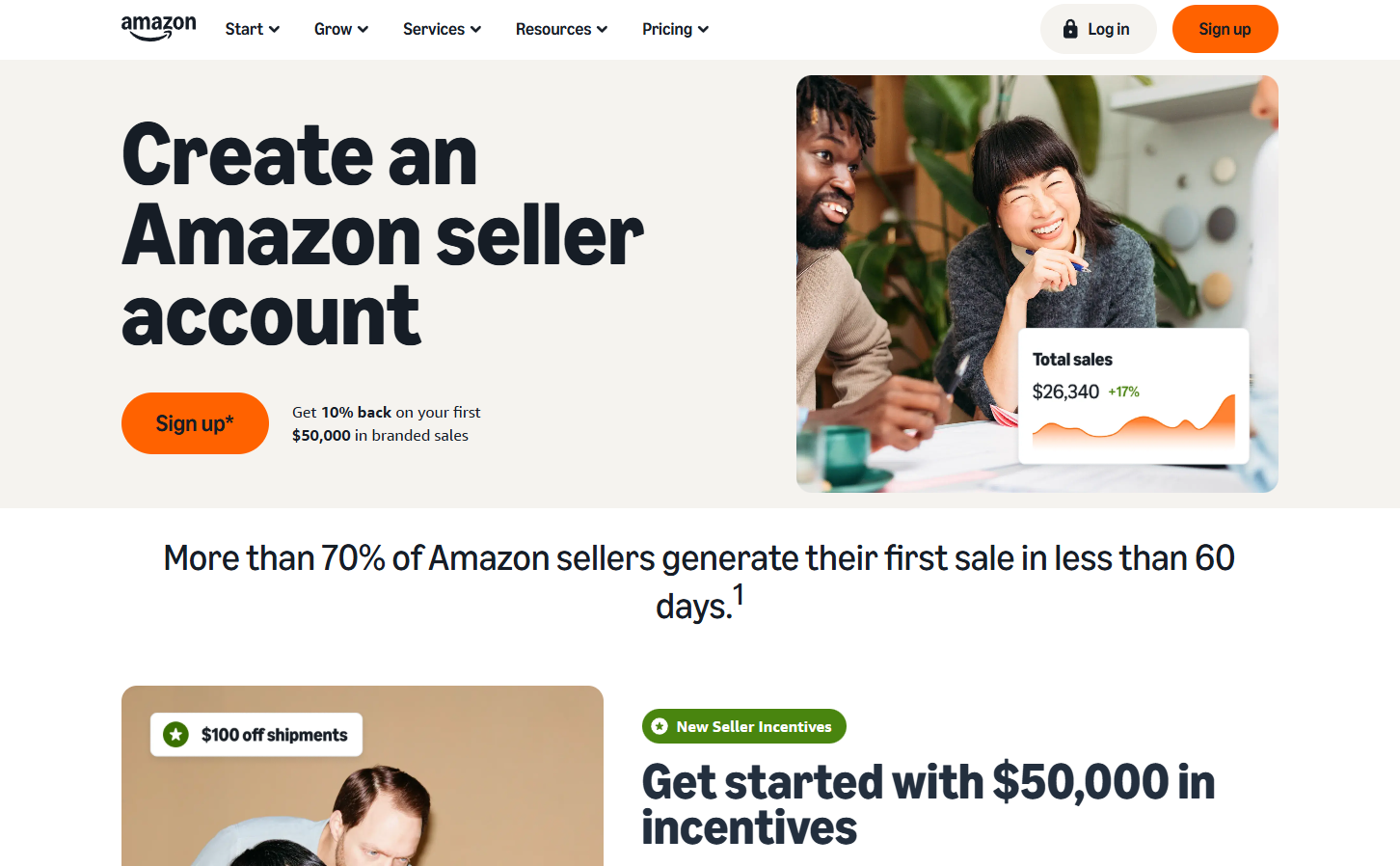
Creating an Amazon Seller Central account requires surprisingly little time. It takes approximately 20 minutes for most sellers who have basic business documentation ready. The platform walks you through providing business information, tax details, and bank account information for payments. Travis points sellers toward detailed tutorials available on his channel and others for step-by-step guidance. The process itself is quite straightforward.
The initial setup represents just the beginning of understanding Seller Central’s capabilities. The platform helps you manage inventory, analyze sales data, and optimize listings. However, Travis emphasizes that overthinking this stage delays progress unnecessarily. You can always update information and adjust settings as you learn. Instead, getting your account established quickly allows you to familiarize yourself with the platform’s interface and tools.
New sellers should note that Amazon may require additional verification steps. These include video calls or document uploads to prevent fraud. Therefore, allowing a few extra days for account approval before your product arrives prevents frustrating delays. Furthermore, starting this process early lets you explore Seller Central’s features. You can understand fee structures and prepare your listing content while your inventory manufactures.
Optimizing Your Main Image
Your main product image functions as the single most critical element for capturing attention in Amazon’s crowded search results. Travis discovered this principle dramatically with his carnivore electrolytes. While competitor products used blue and white packaging, he chose black and red to stand out visually. This deliberate differentiation made his product pop against the sea of similar-looking alternatives. It increased click-through rates significantly.
The strategy requires first searching your target keywords and analyzing the visual patterns among top-ranking products. Look for color schemes, photography styles, and composition choices that competitors converge around. Then intentionally differentiate yourself while maintaining professional quality. Additionally, consider your target demographic’s preferences. Feminine products might use softer colors while fitness products lean toward bold, energetic designs.
Amazon’s technical requirements for main images include white backgrounds and specific dimension ratios. However, within those constraints you have substantial creative freedom. Test different angles, lifestyle contexts, or size variations to emphasize your unique selling proposition visually. Moreover, high-resolution images that allow customers to zoom in and examine details build trust. This directly impacts conversion rates from views to purchases.
Crafting the Perfect Title
Amazon product titles must balance SEO optimization with human readability. They need to incorporate keywords naturally while communicating value propositions clearly. Travis literally named his product “Carnivore Electrolytes” because that exact phrase represented what customers searched for. This ensured immediate relevance. He then expanded the title with related terms like “electrolytes perfect for carnivore diet” and “meat-based diet” to capture variations people use.
Keyword stuffing destroys both customer experience and Amazon’s algorithmic perception of quality. Therefore, prioritize natural language flow over cramming every possible search term. Your title should read like something a human would write when describing the product to a friend. It shouldn’t be a jumbled mess of disconnected keywords. Consequently, spend time crafting titles that flow well while strategically incorporating high-volume search terms revealed through your Helium 10 research.
Character limits vary by category but typically allow 200 characters. This gives you substantial space to work with while encouraging conciseness. Travis recommends using the full allowed space to maximize keyword coverage without sacrificing readability. Furthermore, front-loading your most important keywords helps both customers and algorithms quickly understand your product’s core value proposition.
Pricing Strategy
Amazon customers demonstrate remarkably low price sensitivity compared to other retail channels. This is especially true for unique or superior products. Travis proved this dramatically by raising his electrolyte powder from $24.99 to $29.99, then to $34.99, and even considering $37.99. He did all this without any decrease in sales velocity. This pattern occurs because Amazon shoppers prioritize finding the perfect solution over saving a few dollars. They know they can easily return products that disappoint.
Premium pricing actually benefits sellers beyond just higher profit margins. It positions products as higher quality in customers’ minds. When you’re the cheapest option in your category, customers subconsciously question why. They assume inferior ingredients, poor manufacturing, or corner-cutting. Conversely, pricing at or slightly above competitors while offering demonstrably better features creates perceived value that drives purchases.
Travis consistently recommends avoiding the race to the bottom that traps many Amazon sellers in unsustainable margins. Instead, focus on creating the best product for your specific niche and price it accordingly. Understand that someone will always undercut you if you compete solely on price. Moreover, premium pricing provides financial room to invest in better ingredients, packaging, customer service, and marketing.
Bullet Points and Benefits
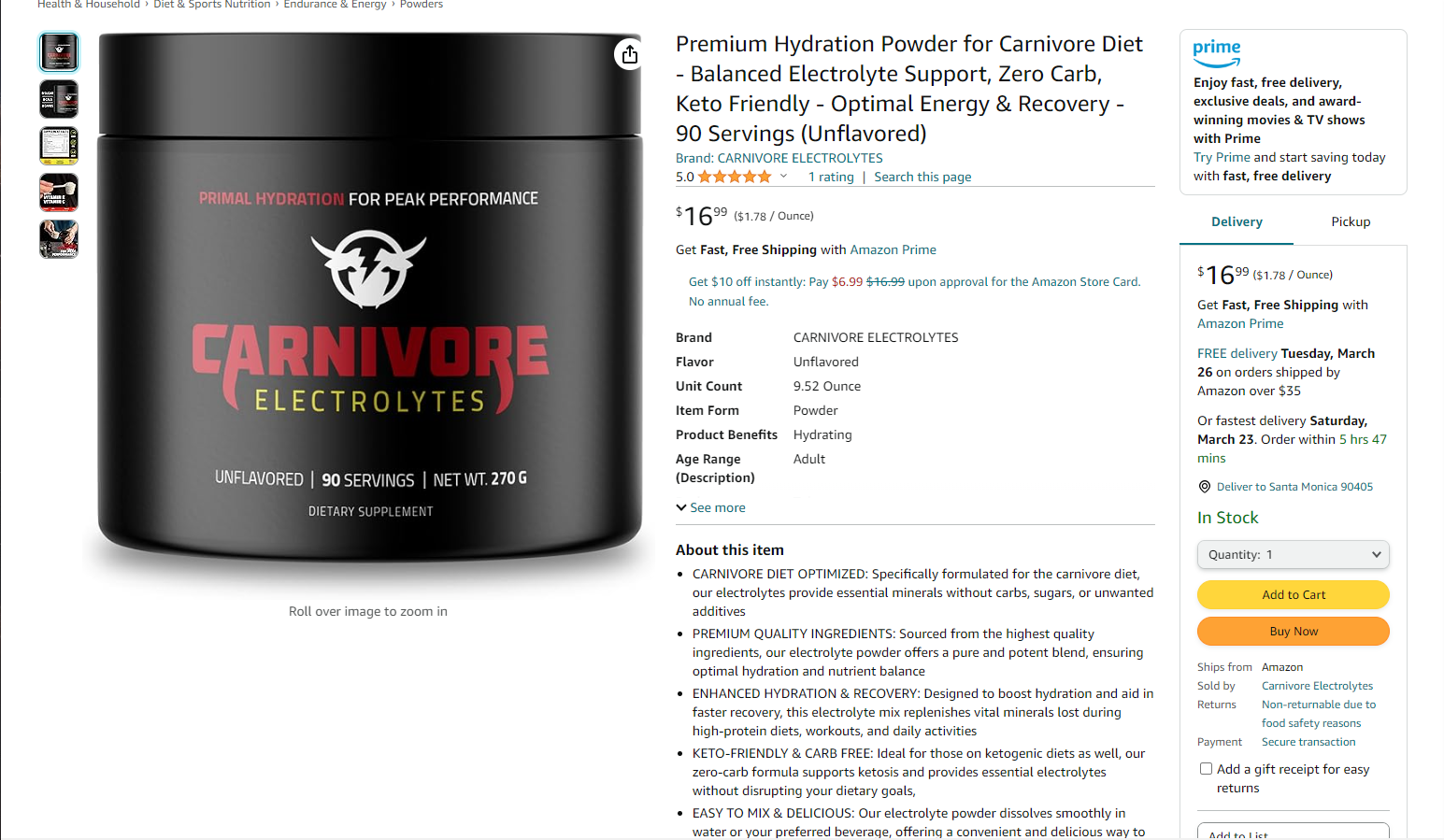
Bullet points represent prime real estate for communicating your product’s value proposition through benefits rather than mere features. Instead of stating “90 servings per container,” Travis recommends translating that feature into a benefit. Say “Enough servings for three full months of daily use.” This subtle shift frames information in terms customers care about. It shows how the product improves their lives rather than technical specifications they must interpret themselves.
Each bullet point should address a specific customer concern, desire, or question while incorporating relevant keywords naturally. Think about the objections or uncertainties someone might have when considering your product category. Then proactively address them. Additionally, use conversational language that mirrors how your target customers actually speak rather than formal corporate jargon that creates distance.
Strong bullet points follow a pattern of leading with the benefit, supporting it with the feature, and sometimes adding social proof or differentiation. For example: “Stay perfectly hydrated on your carnivore journey with our zero-carb, clean-ingredient formula, unlike other electrolytes loaded with sugars and artificial sweeteners.” This structure immediately communicates value, explains how, and differentiates from alternatives.
Additional Listing Elements
A+ content allows brand-registered sellers to enhance product descriptions with formatted text, comparison charts, and lifestyle images. These elements build comprehensive product stories. Travis utilizes this feature extensively to educate customers about carnivore diet benefits. He explains ingredient choices and showcases usage scenarios. These visual-rich sections significantly boost conversion rates by answering questions and building confidence before purchase.
Video content has become increasingly critical for Amazon success. Customer expectations for rich media continue rising. Product demonstration videos, unboxing experiences, or founder stories create emotional connections that static images cannot achieve. Moreover, videos increase dwell time on your listing. This signals to Amazon’s algorithm that customers find your content engaging and valuable.
Premium A+ content offers even more design flexibility for sellers meeting specific brand and sales thresholds. This includes carousel modules and interactive comparison tools. While these features require more production effort, they differentiate professional brands from amateur sellers copying generic templates. Consequently, investing in high-quality listing content pays dividends through higher conversion rates that compound with every visitor Amazon sends to your listing.
FBA vs. FBM: Choosing Your Fulfillment Method
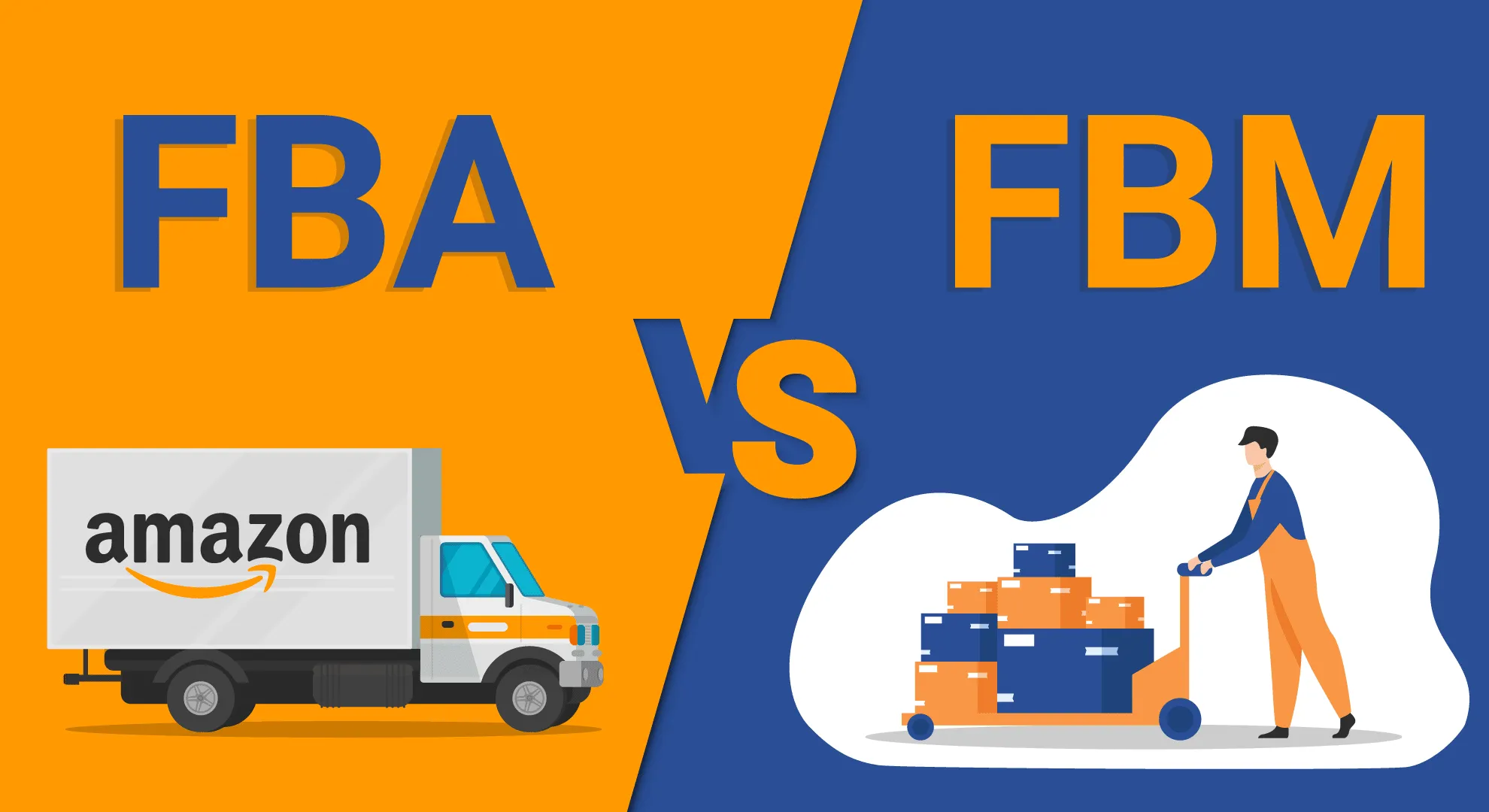
Why FBA (Fulfilled by Amazon) Wins
Travis experienced a dramatic 5x sales increase overnight when switching products from FBM (Fulfilled by Merchant) to FBA (Fulfilled by Amazon). This explosion occurred because FBA makes products Prime-eligible. It instantly expands your potential customer base to Amazon’s 200+ million Prime members who filter specifically for fast, free shipping. Additionally, Prime eligibility signals quality and reliability that customers trust implicitly.
Beyond customer preferences, Amazon’s algorithm demonstrably favors FBA products in search rankings and Buy Box placement. The platform profits more from FBA transactions through fulfillment fees. This creates natural incentive to drive traffic toward those listings. Furthermore, Amazon trusts its own fulfillment network more than individual merchants. This reduces perceived risk of poor customer experiences that could damage their brand.
The operational freedom FBA provides cannot be overstated. You avoid packing boxes, printing shipping labels, and handling customer service for delivery issues. You don’t manage logistics complexities. Instead, you send bulk shipments to Amazon’s warehouses and they handle everything customer-facing. Therefore, FBA lets you focus energy on product development, marketing, and business growth.
Common FBM Misconceptions
Many new sellers resist FBA due to perceived fees. They don’t calculate the true costs of self-fulfillment. While Amazon charges FBA fees typically ranging from $3-8 per unit depending on size and weight, FBM requires you to pay shipping, packaging materials, labor time, storage space, and customer service. When honestly accounting for these costs, including your own time valued appropriately FBA usually costs the same or less while delivering superior customer experience.
The belief that starting with FBM to “test” products before FBA commits you to flawed data. Fulfillment method dramatically impacts sales performance. Travis warns that products might fail with FBM not because of poor product-market fit but simply because customers overwhelmingly prefer Prime shipping. Consequently, you risk abandoning potentially successful products based on artificially suppressed FBM results.
Some sellers fear losing control over their inventory and customer experience by outsourcing to Amazon. However, FBA actually provides more sophisticated inventory management tools, customer communication systems, and quality control than most small sellers can implement independently. Moreover, Amazon’s customer obsession means they handle issues professionally and generously. This often works to your benefit through their lenient return policies that build buyer confidence.
Learning the Process
Travis strongly recommends practicing FBA mechanics with a low-stakes retail arbitrage test before launching your private label product. Purchase a discounted item from a local store. Create an Amazon listing. Send it to their warehouse and complete a sale, even if you break even or lose a small amount. This hands-on learning eliminates fear and confusion about processes like creating shipping plans, printing labels, and understanding FBA fees.
The learning curve for FBA exists but flattens quickly after your first shipment. Most sellers complete their second and third shipments with confidence, having demystified the process through direct experience. Additionally, Amazon provides extensive documentation, video tutorials, and seller support to guide you through each step.
Treating your first FBA experience as an educational investment rather than expecting immediate profit reframes the psychology around potential mistakes. You’re buying knowledge that becomes infinitely valuable as you scale. A $50-100 loss is completely acceptable if it prevents errors when shipping $10,000+ in inventory. Furthermore, this practice approach lets you identify and solve logistical challenges in your specific product category before they impact your brand reputation.
Launching Your Product Successfully

Building Your Launch Group
Creating a “tribe” of excited potential customers before your launch date transforms your product from unknown to validated overnight. Travis emphasizes building email lists through landing pages months before your product ships. He also recommends growing social media followers through content marketing and community members through engagement. This advance work means you have hundreds or thousands of people waiting to buy rather than launching into silence.
Email sequences timed to build anticipation prove particularly effective for converting interest into actual purchases. Start with educational content about your product category or the problem you solve. Transition to behind-the-scenes updates about your product development. Culminate in exclusive launch offers for subscribers. Additionally, creating scarcity through limited-time discounts or exclusive bonuses for early supporters incentivizes immediate action rather than passive interest.
Social media content should follow a similar arc of building awareness, demonstrating expertise, and generating excitement about your upcoming solution. Behind-the-scenes videos of product development work well. Polls asking followers for input on features or designs maintain engagement. Countdown posts all help grow your audience organically. Moreover, this content creation process establishes you as a trusted authority in your niche.
Friends and Family Strategy

Travis’s 50-text-message approach provides a simple, effective launch strategy for sellers without existing audiences or email lists. He messaged friends and family explaining his new product. He asked them to search specifically for his target keywords on Amazon. They needed to find his listing (often on page two initially) and purchase it. He promised Venmo reimbursement afterward. This generated immediate sales velocity and reviews that bootstrapped his Amazon ranking.
Critical Wi-Fi precautions protect you from Amazon’s review manipulation detection systems. Never have anyone who’s logged into Amazon on the same internet connection as your Seller Central account leave reviews. Amazon automatically flags and removes reviews from the same IP address as seller accounts, assuming manipulation. Therefore, only request purchases from people who genuinely use different networks and live separately from you.
The Venmo reimbursement strategy works because it converts skeptical “that’s interesting” responses into concrete commitments. It supports friends’ genuine desire to help you succeed. Most people want to support their friends’ entrepreneurial ventures but hesitate at spending their own money on untested products. Removing the financial barrier while giving them free products transforms passive support into active participation.
Community Support

Travis’s Amazon FBA program demonstrates the leverage of building communities around your educational content or expertise. With over 2,000 students, he can launch new products knowing hundreds will purchase and review them organically. This creates instant social proof and ranking momentum. This network effect compounds as members reciprocate, helping each other’s launches and sharing authentic experiences.
Review exchange programs within communities must operate carefully within Amazon’s terms of service. Reviews should come from genuine purchases and honest opinions, not coordinated manipulation. The distinction lies in organically supporting community members whose products interest you versus fake reviews for products you’ve never used. Furthermore, transparent disclosure about community connections maintains ethical integrity while staying compliant.
Building your own micro-community provides similar benefits. Even just 20-50 engaged people helps. Share your journey transparently through Facebook groups, email lists, or Discord channels. Offer value through education or entertainment. Cultivate genuine relationships rather than transactional connections. Subsequently, when you launch products, these people will support you because they’re invested in your success.
External Traffic Sources
Driving traffic from TikTok, Instagram, YouTube, or other platforms to your Amazon listing sends powerful signals to Amazon’s algorithm. It shows your product’s popularity and relevance. Travis particularly highlights TikTok Shop’s current effectiveness for products with visual appeal or strong demonstration potential. When customers discover your carnivore electrolytes through TikTok content, click through to Amazon, and purchase, the algorithm interprets this as high-quality traffic worth rewarding.
This external traffic strategy requires understanding that Amazon tracks the full customer journey from initial click source through purchase. High-quality external traffic that converts well tells Amazon your product deserves prominence. People actively seek it beyond Amazon’s ecosystem. Conversely, external traffic with low conversion rates might actually harm your ranking. It signals your product doesn’t deliver on its promises.
Creating content or partnering with creators who authentically align with your product category ensures traffic quality and conversion rates. Travis doesn’t force his carnivore electrolytes onto beauty influencers. He works with health and fitness creators whose audiences actually care about carnivore diets. Therefore, strategic alignment between your product, the content creator, and their audience determines whether external traffic scales your business.
Running Amazon PPC (Pay-Per-Click) Advertising

Travis’s Honest Assessment
Amazon PPC advertising delivers break-even or marginally profitable results for most products when run without extensive optimization and testing. Travis candidly shares that his carnivore electrolytes succeed primarily through organic rankings rather than paid advertising. They often perform just as well with PPC completely turned off. This honest assessment helps new sellers avoid the misconception that PPC alone drives Amazon success.
The break-even nature of well-run PPC campaigns actually serves valuable purposes beyond immediate profit. It accelerates ranking improvements and increases total sales volume. It maintains visibility during inventory restocks. Essentially, you’re trading margin for momentum and market position. Additionally, PPC data reveals which keywords convert best, informing organic SEO optimization efforts that compound long-term.
Time investment represents the hidden cost of PPC mastery that many sellers underestimate. Travis acknowledges he hasn’t personally spent the hours necessary to maximize PPC effectiveness. He delegates to an assistant with mixed results. Advanced PPC optimization requires continuously analyzing search term reports, adjusting bids, testing different match types, and refining targeting. This is all technical work that delivers incremental improvements rather than dramatic breakthroughs.
When PPC Makes Sense
Highly competitive niches where organic ranking feels impossible often necessitate aggressive PPC strategies to gain initial visibility and sales history. When dozens of established sellers dominate search results with thousands of reviews, PPC provides the only reliable path to attracting early customers. Moreover, once you achieve critical mass through paid advertising, organic rankings often follow as your sales history and conversion rates improve.
Scaling established products represents another scenario where PPC investment makes strategic sense despite modest direct ROI. If you’ve validated product-market fit organically and want to accelerate growth, systematically tested PPC campaigns expand your market reach. Furthermore, products with healthy margins can absorb advertising costs better than low-margin alternatives.
Product categories with high customer lifetime value justify more aggressive PPC spending. Initial customer acquisition costs get amortized across multiple purchases. Travis’s consumable electrolytes exemplify this. Acquiring a customer at break-even or slight loss makes sense when they’ll reorder monthly for years. Therefore, understanding your business model’s economics determines whether PPC represents smart investment or profit-destroying waste.
Scaling from $10K to $100K+ Monthly Revenue

TikTok Shop Opportunities
TikTok Shop emerged as one of the hottest sales channels for physical products. This is particularly true for those with visual appeal, demonstration potential, or strong niche communities. Travis leverages TikTok effectively for carnivore electrolytes by working with creators already discussing carnivore diets. They can naturally integrate his product into their content. The platform’s algorithm aggressively promotes product content, creating viral potential that traditional advertising channels can’t match.
Affiliate commission structures make TikTok Shop accessible even for sellers without personal followings or content creation skills. By offering attractive commission rates (typically 15-30%), you incentivize creators to promote your product authentically to their audiences. Additionally, TikTok’s built-in affiliate marketplace helps creators discover products matching their niche. This potentially connects you with perfect partners you’d never find through manual outreach.
The key to TikTok Shop success lies in product-platform fit rather than universal applicability. Some products naturally lend themselves to viral short-form video while others don’t. Supplements, skincare, fitness equipment, and unique gadgets perform exceptionally well. Industrial supplies or boring commodities struggle. Therefore, evaluate whether your specific product can create engaging 15-60 second videos before investing heavily in TikTok Shop development.
Mastering PPC for Scale
Advanced PPC optimization requires moving beyond Amazon’s automatic campaigns into sophisticated manual targeting. This includes negative keyword refinement and dayparting strategies. Sellers who invest hundreds of hours learning PPC nuances often achieve profitability ratios that make advertising a growth engine. Specifically, understanding match types, bid optimization algorithms, and attribution windows unlocks efficiency impossible with basic campaign setups.
The learning curve discourages many sellers from ever mastering PPC. This creates opportunity for those willing to invest the time. Travis acknowledges his own PPC skills remain intermediate. He delegates to others with mixed results, a common experience. However, sellers who personally develop expertise gain competitive advantages that software and agencies cannot fully replicate.
Data analysis separates amateur PPC management from professional optimization. It requires regular review of search term reports to identify converting keywords worth higher bids and wasteful terms requiring negative matching. This iterative process compounds over months, progressively improving campaign efficiency. Moreover, seasonal patterns, competitive dynamics, and customer behavior shifts mean PPC optimization never truly “completes.”
Becoming the Face of Your Brand

Social media influence represents the ultimate moat for consumer product brands. This is demonstrated by celebrities like Kylie Jenner building billion-dollar beauty empires. Travis highlights that traditional product sellers should become influencers just as influencers increasingly launch products. The convergence creates powerful brand-customer relationships. When customers feel personally connected to you through content, they choose your product over cheaper alternatives purely based on relationship strength.
The intimidation many entrepreneurs feel about appearing on camera or building public personas often prevents them from capturing this leverage. However, Travis emphasizes that authenticity matters far more than production quality or pre-existing fame. Documenting your entrepreneurial journey, sharing product development insights, and providing genuine value to your target audience builds followings organically over time.
Hiring others to become your brand’s face offers an alternative for camera-shy entrepreneurs. However, finding the right personality who embodies your brand values presents challenges. The person must genuinely connect with your target audience while maintaining consistency with your brand positioning. Furthermore, this approach requires careful legal structures, including contracts that protect your brand if the relationship ends.
Influencer Partnerships
Strategic influencer partnerships generate massive ROI for brands willing to invest in authentic endorsements from trusted voices. Travis references Kim Kardashian charging $1 million per post because that exposure genuinely drives eight-figure sales for well-matched products. While most sellers cannot afford celebrity partnerships initially, micro-influencers with 10,000-100,000 highly engaged followers often deliver better ROI. They have more targeted audiences and affordable rates.
The key distinction lies between paid promotion and genuine endorsement. Audiences increasingly detect inauthentic sponsorships and dismiss them accordingly. Travis emphasizes working with influencers who already align with your product category. They might naturally recommend your product anyway. Consequently, your payment compensates them fairly for creating content they’d create anyway and choosing your brand over competitors.
Finding influencers requires research into who your target customers already follow and trust for recommendations. Travis mentions Tim Ferriss and Andrew Huberman as examples of voices he personally trusts. This illustrates the power of authority figures in specific niches. Therefore, identify the Tim Ferriss equivalent in your product category. Find the person whose recommendation would make you personally purchase. Then develop relationships systematically through product samples, genuine engagement, and eventually formal partnership proposals.
Product Quality and Repeat Purchases
Consumable products create annuity-style businesses where initial customer acquisition costs get amortized across dozens of future purchases. Travis’s electrolyte powder exemplifies this perfectly. Each customer acquired generates revenue monthly for years through repeat purchases. This business model allows break-even or even slightly negative initial customer acquisition economics. Lifetime value dramatically exceeds first purchase margins.
Maintaining exceptional product quality becomes non-negotiable in consumable businesses. A single bad experience destroys lifetime value potential. Customers won’t reorder products that underdeliver on promises. Short-term thinking that cuts corners to maximize immediate profit ultimately destroys your business. Additionally, negative reviews from disappointed customers actively prevent new customer acquisition, creating downward spirals difficult to escape.
Continuous improvement based on customer feedback strengthens competitive moats over time. You systematically address pain points competitors ignore. Travis regularly reviews customer feedback, analyzes return reasons, and tests formulation adjustments to perfect his products. Moreover, this improvement process creates switching costs. Customers who’ve found a product that perfectly serves their needs resist trying alternatives even at lower prices.
The Passion Product Formula Advantage
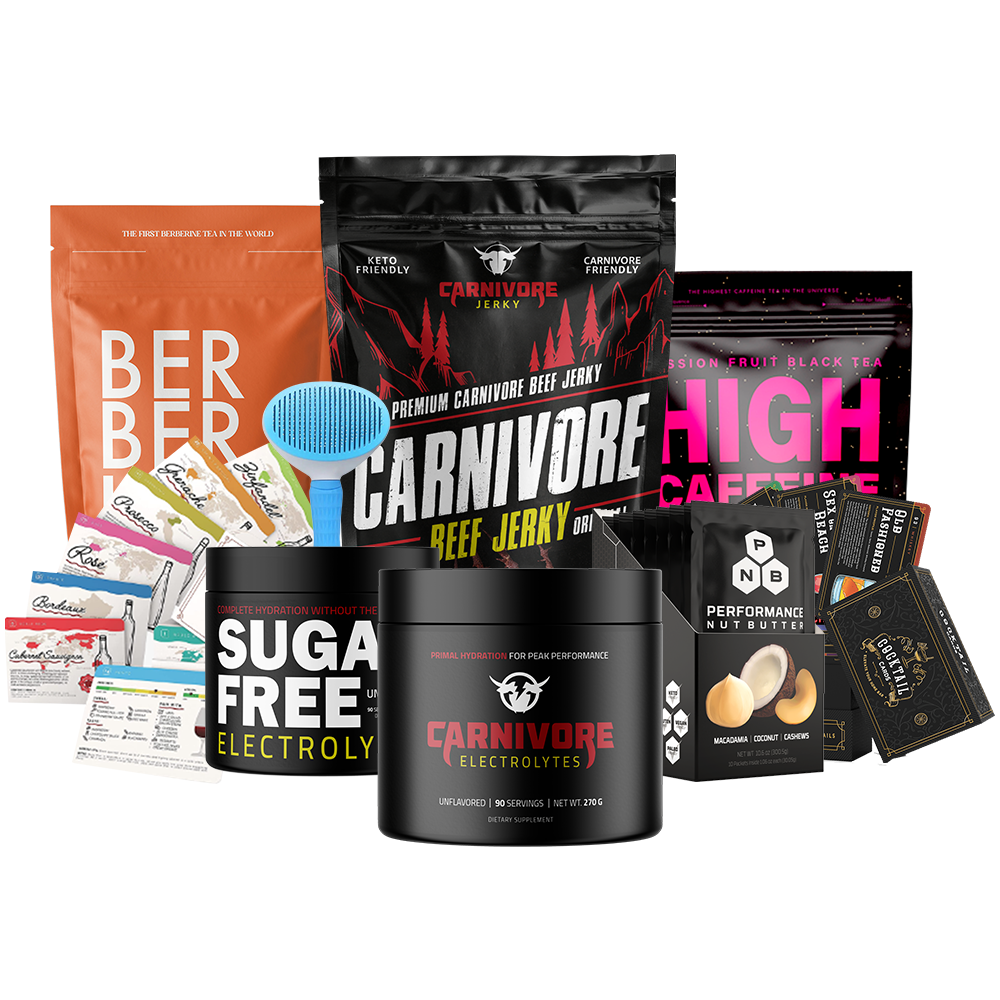
Selling products you genuinely care about transforms business from transactional pursuit of profit into meaningful work. This sustains motivation through inevitable challenges. Travis’s carnivore electrolytes succeeded partly because he authentically understood and cared about the carnivore community’s needs. He was solving his own problem. This personal investment shows in every aspect of product development, marketing, and customer service. It creates authenticity that customers sense and value.
Personal passion also makes creating content, answering customer questions, and iterating on product improvements feel energizing rather than draining. When you love your product category, talking about it for hours comes naturally. It doesn’t feel like work. Furthermore, this enthusiasm proves contagious. Customers, partners, and even competitors respond positively to genuine passion, opening doors that remain closed to purely mercenary sellers.
The Passion Product Formula doesn’t require you to revolutionize industries or invent groundbreaking innovations. It simply means choosing products you’d personally use and recommend to friends. Travis wasn’t passionate about every aspect of electrolyte formulation chemistry. However, he cared deeply about optimizing his carnivore diet journey. Therefore, passion operates on a spectrum from mild interest to obsession.
Community Support Benefits

Travis’s network of 2,000+ students creates unprecedented launch advantages through coordinated support during product releases. When launching carnivore electrolytes, hundreds of community members purchased and reviewed his product. This generated immediate social proof and ranking momentum. This network effect would cost tens of thousands of dollars to replicate through advertising or influencer partnerships.
Beyond launch support, community members share insights, troubleshoot challenges, and celebrate successes together. This creates knowledge compounding that benefits everyone. New sellers learn from experienced members’ mistakes. Veterans gain fresh perspectives from newcomers asking fundamental questions. Additionally, partnership opportunities emerge organically as members identify complementary products or services that create win-win collaborations.
The reciprocal nature of community support systems ensures sustainability. Members help others knowing they’ll receive similar support for their own launches. This creates positive-sum dynamics rather than zero-sum competition that characterizes most marketplaces. Moreover, the friendships and accountability partnerships that emerge from quality communities often prove as valuable as the tactical business benefits.
Long-term Business Building
The Passion Product Formula prioritizes building sustainable brands over quick-win arbitrage opportunities that disappear once discovered. Travis’s approach focuses on creating genuine customer relationships, developing superior products, and building brand equity that compounds value over years. This contrasts sharply with short-term tactics like exploiting temporary loopholes, copying trending products, or racing to the bottom on price.
Brand development requires patience and consistent investment in quality, customer experience, and community building. These activities don’t maximize next quarter’s profits. However, they create defensible competitive positions. Customers who love your brand actively resist trying cheaper alternatives. They recommend you to friends and provide feedback that guides improvement. Furthermore, strong brands command premium pricing that makes your business more profitable and resilient during market downturns.
Creating products that genuinely matter to you prevents the burnout that claims most Amazon sellers within their first year. When difficulties arise, inventory issues, negative reviews, cash flow crunches and passion for your product category sustains motivation to persevere. Therefore, the Passion Product Formula optimizes for long-term entrepreneurial satisfaction and business value.
Common Mistakes to Avoid

Starting with FBM instead of FBA ranks among the most common and costly mistakes new Amazon sellers make. Travis learned this through painful experience. The perceived fee savings evaporate when accounting for actual shipping costs, labor time, and dramatically reduced sales velocity. Moreover, FBM testing creates false negatives where good products fail simply due to fulfillment method. This causes sellers to abandon viable opportunities prematurely based on flawed data.
Asking friends and family for opinions without requiring purchase commitments generates misleading validation. People naturally offer encouraging responses to avoid hurting your feelings. Travis emphasizes that only money represents true validation. If someone won’t pre-purchase your product at full price, their positive opinion means nothing. Additionally, this mistake wastes time and creates false confidence that delays confronting actual market realities.
Choosing manufacturers based solely on lowest price rather than relationship quality sets up future disasters. When your manufacturer treats you dismissively, takes weeks to respond, or delivers inconsistent quality, the money saved on per-unit costs gets destroyed. Lost sales, damaged brand reputation, and operational headaches follow. Furthermore, manufacturers who don’t respect you during courtship will abandon you completely when capacity issues arise or more lucrative clients appear.
Your Roadmap to Amazon Success

Travis Marziani’s proven track record of generating $50 million in sales through his methods demonstrates that selling on Amazon remains accessible. Motivated entrepreneurs willing to follow systematic approaches can succeed. The complete process from product research through scaling, requires work and learning. However, it doesn’t demand special talents or insider connections. Moreover, the Passion Product Formula provides a specific methodology that increases success probability.
The democratization of tools like Helium 10, platforms like TikTok Shop, and fulfillment through FBA means individual entrepreneurs can compete effectively against established brands. You don’t need massive capital and you also don’t need celebrity connections or revolutionary inventions. You just need commitment to finding genuine market needs and creating superior solutions. Additionally, the community support available through programs like Travis’s accelerates learning and provides advantages that would take years to develop independently.
Taking action separates dreamers from successful Amazon sellers. Travis emphasizes this throughout his teaching. Start with product research today. Practice FBA mechanics with a test product. Begin building your email list, any forward progress creates momentum. The comprehensive blueprint Travis provides eliminates excuses about not knowing where to start or what to do next. Therefore, your next move determines whether this information remains interesting theory or becomes the foundation of your financial freedom.
Frequently Asked Questions
How much money do I need to start selling on Amazon?
Most sellers can launch their first product with $3,000-5,000 covering inventory, photography, and initial advertising. Travis started with similar amounts and scaled systematically through reinvesting profits. However, some product categories require more investment while others work with less. Your specific product choice determines minimum capital requirements.
Do I need to register a business entity before selling on Amazon?
You can start as an individual seller using your Social Security Number. However, forming an LLC provides liability protection and tax benefits as you scale. Most successful sellers eventually establish formal business structures. Travis recommends starting quickly rather than delaying for perfect legal setup. Additionally, Amazon’s seller registration process accommodates both individual and business entity sellers.
How long does it take to become profitable on Amazon?
Most sellers achieve first sales within 2-3 months of starting product research. Profitability often follows 3-6 months after launch once initial inventory costs are recovered. Travis’s Performance Nut Butter generated $100,000 profit in year one. However, results vary dramatically based on product selection, launch execution, and ongoing optimization. Furthermore, treating your first product as learning experience prevents discouragement during the natural learning curve.
Can I sell on Amazon while working a full-time job?
Absolutely. Most successful Amazon sellers started while employed elsewhere. They used evenings and weekends for business development. FBA particularly enables this since Amazon handles fulfillment operations that would otherwise require your constant attention. Travis built his initial products while managing other commitments. This proves that consistent part-time effort compounds into full-time businesses over time.
What if my product idea already has competitors on Amazon?
Competition validates demand rather than indicating oversaturation. Existing competitors selling similar products confirms market opportunity. The key lies in differentiation through superior positioning, better quality, specific niche targeting, or improved customer experience. Travis’s carnivore electrolytes succeeded despite hundreds of existing electrolyte products by specifically serving an underserved audience.
How important are product reviews for Amazon success?
Reviews dramatically impact conversion rates and search rankings. Early review generation is critical for launch momentum. Travis prioritizes getting initial reviews through friends, family, and community members who genuinely purchase and use his products. However, review quality matters more than quantity. Ten detailed five-star reviews from real customers outperform 100 generic reviews that Amazon’s algorithms flag as potentially manipulated.
Should I sell in multiple Amazon marketplaces or just the US?
Starting with the US marketplace allows focus and learning before expanding internationally. However, established products can generate additional revenue through Canadian, UK, European, or other Amazon marketplaces. Travis recommends mastering one marketplace before spreading resources across multiple countries. Moreover, international expansion requires understanding local regulations, language differences, and logistics complexity.
What profit margins should I target for my Amazon products?
Successful products typically maintain 30-40% net profit margins after accounting for Amazon fees, manufacturing costs, shipping, and advertising. Travis emphasizes that premium positioning enables healthy margins compared to commodity products where price competition destroys profitability. Additionally, consumable products justify lower initial margins since customer lifetime value accumulates across multiple purchases over months or years.