
Everyone seems to be pushing Shopify as the ultimate solution for starting an online store. Here’s what they’re not telling you: you don’t actually need Shopify. In fact, several compelling alternatives might serve your business better. Some of them won’t cost you a single penny.
Those enthusiastic recommendations you see across YouTube, TikTok, and Instagram aren’t always as genuine as they appear. After spending two years building multiple online businesses and generating over $100,000 in revenue, I’ve discovered some uncomfortable truths. Most gurus flash their Lamborghinis and mansions while making it seem effortless. The reality looks drastically different.
Before you hand over your credit card information to Shopify, you deserve the full story. You need to know about the free alternatives available. You should understand why so many people aggressively promote certain platforms. And you must grasp the real effort required to succeed online. Additionally, I’ll share how the Passion Product Formula approaches e-commerce differently. This methodology focuses on creating genuinely unique products rather than simply chasing trends.

- Secret #1: Free Alternatives to Shopify Exist (And They're Powerful)
- Secret #2: The Affiliate Commission Truth
- Secret #3: E-Commerce Success Requires Real Work
- The Passion Product Formula Advantage
- Recommended Path to E-Commerce Success
- Platform Comparison Summary
- Finding Your E-Commerce Path Forward
- Frequently Asked Questions
Secret #1: Free Alternatives to Shopify Exist (And They’re Powerful)

WooCommerce: The Customizable Powerhouse
WooCommerce represents one of the most powerful alternatives to Shopify. Surprisingly, few beginners know it exists. This free WordPress plugin transforms any basic website into a fully functional online store. It gives you complete ownership and control over every aspect of your business.
Unlike Shopify, which keeps all controls in-house, WooCommerce allows unlimited customization. Shopify limits your customization options significantly. Conversely, WooCommerce lets you modify literally anything about your store’s appearance and functionality. You can create exactly the experience you envision.
The ownership factor becomes increasingly important as your business grows. With Shopify, you’re essentially renting space on someone else’s platform. You’re subject to their rules, pricing changes, and limitations. WooCommerce gives you true digital real estate that you own outright. This distinction matters tremendously when building trust with customers and establishing a unique brand identity.
Customization capabilities extend far beyond simple aesthetic choices. WooCommerce lets you integrate specialized payment processors and create custom checkout experiences. You can implement advanced features that Shopify either restricts or charges premium prices to access. Moreover, the extensive library of WordPress plugins means you can add virtually any functionality imaginable. You don’t have to wait for Shopify to approve or develop features.
Understanding the WooCommerce Learning Curve
The learning curve for WooCommerce typically runs steeper than Shopify‘s streamlined interface. You’ll need some technical comfort level to navigate WordPress. Installing plugins and troubleshooting occasional issues requires patience. Nevertheless, the investment in learning pays dividends through lower long-term costs and unlimited customization potential.
WooCommerce proves particularly attractive for businesses with specific needs or those planning significant growth. The platform rewards your learning investment with capabilities that Shopify simply can’t match. Furthermore, countless online tutorials and support communities can help you overcome technical challenges. You’re never truly alone in the learning process.
The Hosting Solution

Running WooCommerce requires reliable web hosting. This represents the only real cost associated with this otherwise free platform. Quality hosting providers deliver fast loading speeds, robust security features, and reliable uptime. They also provide responsive customer support, all critical factors for maintaining a professional online store.
Fortunately, hosting costs typically run significantly lower than Shopify’s monthly subscription fees. This becomes especially true when you factor in the additional apps and features Shopify charges extra for. The cost difference can save you hundreds or even thousands of dollars annually.
Modern hosting companies have evolved to serve e-commerce businesses specifically. They now offer AI-powered tools that simplify website creation dramatically. These intelligent systems can build entire websites based on your industry and preferences. They generate product descriptions automatically and even suggest optimal layouts for conversion.
Contemporary hosting providers supply extensive libraries of professionally designed templates. These templates stay current with design trends. They eliminate the need for expensive web designers. Hostinger exemplifies this new generation of hosting services. It combines affordability with beginner-friendly features that rival Shopify‘s ease of use.
Comparing Total Costs
When comparing total costs, remember that Shopify charges monthly fees regardless of whether you make sales. Hosting costs remain fixed and predictable. This distinction matters enormously during the early stages when you’re still validating your product and building traffic.
Consequently, WooCommerce with quality hosting provides a more budget-friendly path. This option suits entrepreneurs who want professional results without hemorrhaging cash before generating revenue. The savings become even more significant over time as your business scales.
Amazon FBA: The Marketplace Advantage

Here’s a perspective that might surprise you: you don’t necessarily need your own website at all. Amazon has already invested billions of dollars building a marketplace. They attract over 300 million active customers worldwide. They welcome third-party sellers like us to leverage that massive audience.
Remarkably, approximately 50% of all e-commerce sales happen on Amazon’s platform. This makes it the single largest opportunity for online sellers today. You’re immediately tapping into massive organic traffic. You don’t need to spend thousands on advertising to drive visitors to an unknown website.
Amazon FBA (Fulfillment by Amazon) handles virtually all the backend logistics. These tasks typically bog down new sellers. They receive your inventory and store it in their warehouses and pick and pack orders when sales occur. They ship products to customers and even manage returns and customer service inquiries. This comprehensive service liberates you from time-consuming tasks. You don’t have to pack products yourself and won’t drive to the post office constantly. You don’t need to maintain inventory storage space in your home or garage. Instead, you can focus on product research, marketing, and growing your business strategically.
Why Amazon FBA Works for Busy People
The FBA model proves especially valuable for people working full-time jobs. You can start a business without sacrificing your entire personal life. Instead of rushing home after work to pack orders, you focus on strategic growth. You won’t scramble to meet shipping deadlines.
Additionally, Amazon’s fulfillment network enables Prime eligibility. This significantly increases conversion rates. Customers trust the fast, free shipping that Prime offers. They’re more likely to buy from Prime-eligible sellers.
Financial considerations also favor Amazon for beginners, despite the FBA fees. Calculate the actual costs of purchasing packaging materials and paying for shipping. Factor in the time invested in fulfillment and maintaining inventory storage. Amazon’s fees often prove cheaper than doing everything yourself. Moreover, you’re immediately tapping into massive organic traffic. This dramatically reduces your customer acquisition costs compared to building an unknown website from scratch.
Other Free Alternatives
Crowdfunding platforms like Kickstarter and Indiegogo offer a completely different approach. They validate your product idea before you invest in inventory. These platforms let you present your product concept to potential customers. Customers can pre-order and fund your first production run. This essentially eliminates the financial risk that normally accompanies launching a new product.
Furthermore, successful crowdfunding campaigns generate buzz and media attention. Traditional launches struggle to achieve this level of visibility. You’re building an audience and raising capital simultaneously.
The Validation Advantage

The validation aspect of crowdfunding provides invaluable market feedback. You receive this feedback before you commit significant resources. Instead of guessing whether people will buy your product, you receive concrete proof of demand. You also get actual revenue to fund production.
Additionally, crowdfunding backers often become your most passionate advocates. They spread word-of-mouth recommendations naturally. They provide testimonials that fuel future marketing efforts. This early community becomes invaluable as you scale.
Established marketplaces like Etsy and eBay present another viable path. They work particularly well for handmade goods, vintage items, or unique products. These platforms provide built-in trust and traffic from customers specifically searching for products to buy. They eliminate the cold-start problem that plagues new standalone websites. Moreover, listing products on these marketplaces costs nothing upfront. You only pay fees when items actually sell. This removes financial risk during the testing phase.
Choosing the Right Alternative
Each alternative serves different business models and product types. However, they all share one crucial advantage. They eliminate or minimize upfront costs while providing access to existing customer bases.
Rather than viewing these options as inferior to owning your website, consider them strategic stepping stones. They generate revenue and validate demand before you invest in more expensive platforms. Subsequently, once you’ve achieved profitability and proven your concept, expanding to your own Shopify or WooCommerce site becomes a calculated investment. It’s no longer a risky gamble.
Secret #2: The Affiliate Commission Truth

Behind the aggressive promotion of Shopify lies a simple financial incentive. This incentive colors almost every recommendation you encounter online. Content creators, course instructors, and self-proclaimed gurus earn substantial affiliate commissions. They get paid when you sign up for Shopify using their special links.
These commissions create an inherent bias that affects the advice you receive. Influencers often oversimplify Shopify‘s advantages. They downplay legitimate alternatives that might serve your needs better. The financial incentive is hard to ignore.
The affiliate marketing ecosystem isn’t inherently dishonest. However, it does create conflicts of interest that consumers deserve to understand. When someone stands to earn money from your decision, their recommendation naturally becomes less objective. This happens even if they genuinely believe in the product. Consequently, you see countless videos, blog posts, and social media content painting Shopify as the only viable option. Meanwhile, free or competing alternatives receive minimal coverage. The financial motivation explains this imbalance.
The Broader Affiliate Landscape
This dynamic extends beyond Shopify to virtually every tool and service promoted in the online business space. Hosting companies offer affiliate programs. Email marketing platforms do too. Graphic design tools and countless other services all reward creators for driving signups.
Therefore, the enthusiastic recommendations you encounter often reflect financial arrangements. They don’t always represent purely merit-based evaluations of what works best for beginners. This doesn’t make the products bad. It simply means you need to evaluate recommendations more critically.
Understanding these incentives empowers you to make better decisions. You can base choices on your specific situation rather than someone else’s commission structure. This doesn’t mean you should automatically distrust all recommendations. It doesn’t mean you should avoid platforms that offer affiliate programs.
Shopify genuinely works well for many businesses. However, recognizing the financial motivations behind advice helps you seek out more balanced perspectives. You can consider alternatives that might save you money or better suit your unique circumstances.
Making Your Own Decision
Choosing the right platform requires honest assessment. You need to evaluate your specific needs, resources, and goals. Don’t blindly follow trending advice. Start by evaluating your budget realistically. Can you afford monthly subscription fees before generating revenue? Do you need to minimize fixed costs? Your financial runway often determines which platform makes sense initially. You might plan to expand to others later.
Technical comfort level plays an equally important role in platform selection. Shopify offers unmatched simplicity for complete beginners. It helps those who want to avoid technical challenges. Conversely, WooCommerce rewards those willing to invest time learning WordPress. You get greater control and lower costs in exchange. Similarly, Amazon FBA removes technical barriers entirely. However, it requires understanding marketplace-specific strategies. You must accept Amazon’s rules and fee structures.
Matching Platform to Product
Consider your product type and business model carefully. Certain platforms naturally align with specific approaches. Handmade or artisan products often thrive on Etsy. Commodity items or innovative products find success on Amazon. Custom-branded products with unique value propositions benefit from standalone websites. These sites fully control the customer experience. Additionally, think about whether you plan to sell on multiple channels simultaneously. Maybe you’ll focus exclusively on one platform initially.
Long-term vision matters as much as immediate needs when selecting platforms. Perhaps starting on Amazon makes sense now to validate demand and generate cash flow. You could plan to launch a Shopify store later. By then, you’ll have built a customer base and brand recognition.
Alternatively, maybe investing in WooCommerce from the beginning aligns with your goal. You might want to build a premium brand with extensive customization from day one. Ultimately, your decision should reflect your unique circumstances. It shouldn’t reflect someone else’s affiliate commission preferences.
Secret #3: E-Commerce Success Requires Real Work

Social media feeds overflow with entrepreneurs flaunting luxury cars, designer clothes, and exotic vacations. They claim these were all supposedly funded by their “simple” Shopify stores. These theatrical displays create dangerously unrealistic expectations. They make people believe success comes quickly and easily.
In reality, overnight success stories typically represent years of failed attempts. They include significant financial investments and countless hours of work. This work never makes it into the highlight reel. The behind-the-scenes struggles remain hidden. The truth about e-commerce success looks far less glamorous than the Instagram lifestyle. Most successful online businesses take 6-12 months minimum before generating consistent profit. Many require 2-3 years to reach truly life-changing income levels.
Furthermore, the early stages involve substantial trial and error. You’ll test products that flop, adjust marketing strategies that don’t convert and refine operations to eliminate inefficiencies. This process takes time and persistence.
Financial Realities
Financial realities often shock beginners who believed they could start with $100 and immediately scale to six figures. Product development, inventory purchases, advertising costs, and platform fees add up quickly. Most businesses require several thousand dollars of investment before reaching profitability. Additionally, maintaining positive cash flow while reinvesting in inventory and growth requires careful financial management. The “make money while you sleep” crowd conveniently ignores this reality. They focus only on the end results.
Understanding these realities upfront actually increases your chances of success. It sets appropriate expectations and prepares you mentally for the journey ahead. When you recognize that building a sustainable business requires time, effort, and persistence, you approach challenges differently. You see them as normal parts of the process rather than signs of failure.
Moreover, realistic expectations help you celebrate small wins along the way. You stop constantly measuring yourself against fabricated success stories designed to sell courses and generate clicks. This healthier mindset supports long-term success.
Skills and Education Required
Running a successful online store demands a diverse skill set. This extends far beyond simply listing products on a platform. Product research abilities determine whether you launch winners or waste money on duds. You must analyze market data, identify gaps, and predict consumer demand accurately.
Marketing expertise separates profitable stores from failures. You must attract customers cost-effectively through advertising, content creation, or strategic partnerships. This requires continuous learning and adaptation.
Customer service capabilities directly impact your reputation, reviews, and repeat business rates. Handling complaints gracefully matters enormously. Processing returns efficiently builds trust. Communicating professionally creates positive experiences. All of these require practice and emotional intelligence that many entrepreneurs underestimate.
Additionally, financial management skills help you track profitability accurately. You need to manage cash flow effectively. You must make data-driven decisions about where to invest resources for maximum return. These skills separate successful businesses from those that fail despite generating revenue.
Supply Chain and Compliance

Supply chain understanding becomes increasingly important as your business scales. You’ll need to negotiate with manufacturers and manage inventory levels. Avoiding stockouts or excess inventory requires planning. Coordinating shipping logistics demands attention. Ensuring quality control throughout the process takes vigilance.
Furthermore, staying compliant with regulations, taxes, and platform policies requires ongoing education. This attention to detail can overwhelm unprepared entrepreneurs. Many underestimate this aspect of running an online business.
Fortunately, these skills can be learned through experience, education, and mentorship. You don’t need innate talent or expensive degrees. However, acknowledging the learning curve exists helps you seek out proper training and support. You won’t expect instant expertise. The Passion Product Formula specifically addresses these skill requirements. It provides frameworks and processes that guide entrepreneurs through each crucial aspect. This significantly shortens the learning timeline while avoiding costly mistakes.
The Saturation Reality
E-commerce competition has intensified dramatically over recent years. Barriers to entry have dropped and more people pursue online businesses. Nearly every product category contains dozens or hundreds of similar offerings. This makes differentiation increasingly challenging for sellers who simply copy existing successful products. Consequently, standing out requires genuine innovation, superior quality, or compelling branding. You need to give customers reasons to choose your product over established alternatives. Simply matching competitors isn’t enough anymore.
Customer acquisition costs have skyrocketed across all platforms as advertising competition has increased. Facebook and Instagram ads that once cost pennies per click now demand dollars. This erodes profit margins for businesses that depend entirely on paid traffic. Similarly, influencer marketing has matured into a sophisticated industry. Popular creators command thousands or tens of thousands of dollars for promotional posts. This puts celebrity endorsements out of reach for most small businesses.
Algorithm Complexity
The reality of marketplace algorithms adds another layer of complexity. This surprises many beginners. Whether selling on Amazon, Etsy, or running Google Shopping ads for your Shopify store, you’re competing against constantly evolving algorithms. These algorithms determine visibility.
Understanding and optimizing for these algorithms requires continuous learning and adaptation. What worked last month might stop working tomorrow when platforms update their systems. Staying current demands ongoing effort.
Despite these challenges, opportunity absolutely still exists for entrepreneurs who approach e-commerce strategically. The key lies in creating genuinely differentiated products. You need to solve real problems or fulfill unmet desires. Don’t launch me-too versions of existing products.
This philosophy drives the Passion Product Formula methodology. It emphasizes finding unique product opportunities instead of competing head-to-head in saturated markets. In those markets, only price-cutting and massive advertising budgets determine winners.
The Passion Product Formula Advantage
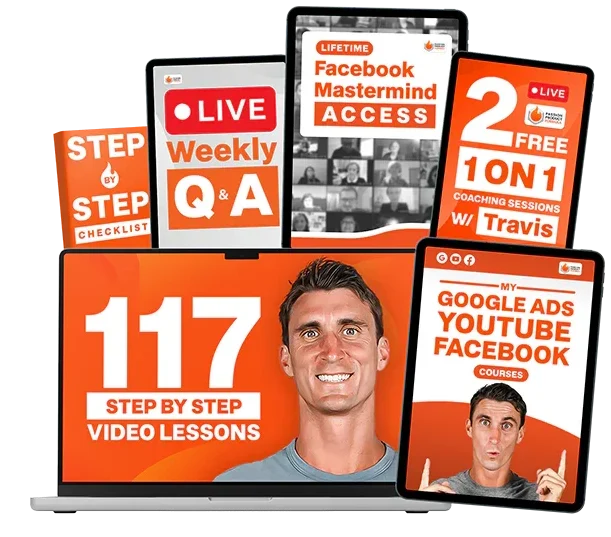
The Passion Product Formula flips conventional e-commerce wisdom on its head. It starts with the question: “What product do I wish existed?” Most people ask: “What’s selling well that I can copy?” This fundamental shift in perspective leads to creating genuinely innovative products.
These products stand out in crowded marketplaces. You’re not competing in saturated niches where success depends primarily on advertising spending. Moreover, building a business around products you’re passionate about provides intrinsic motivation. This sustains you through inevitable challenges. Creating products based on personal passion and vision naturally leads to more authentic marketing. This marketing resonates with customers. When you genuinely believe in what you’re selling, that authenticity shines through. It appears in product descriptions, customer interactions, and content marketing.
Conversely, dropshippers promoting random products struggle to generate enthusiasm and credibility. They discovered these products through competitor research. They don’t truly believe in what they’re selling. Customers can sense this lack of authenticity.
Finding Market Gaps
The methodology specifically focuses on identifying market gaps. These are products that people actively search for but can’t currently find. Maybe they only find inferior versions. This approach combines the passion-driven innovation of inventors with the data-driven validation of experienced marketers.
It creates a powerful framework that significantly improves your odds of success. Additionally, launching unique products allows you to command premium pricing. You’re not competing solely on price. This protects your profit margins and builds sustainable businesses. Sustainable motivation separates entrepreneurs who build lasting businesses from those who burn out after initial failures. When you’re passionate about your products and the problems they solve, setbacks feel different. They become challenges to overcome rather than reasons to quit.
Furthermore, passion-driven product development naturally leads to continuous improvement and innovation. You genuinely care about making your offerings better. You’re not simply extracting maximum profit before moving to the next trending product.
The Three Pillars of Success

Passion-driven development forms the foundation of the entire methodology. It ensures you create products you genuinely believe in. You’re not chasing trends or copying competitors. This pillar recognizes that sustainable businesses require intrinsic motivation beyond simply making money. This motivation becomes especially important during difficult periods when results don’t materialize immediately. By building businesses around products that genuinely excite you, you maintain the energy and commitment necessary. This helps you push through obstacles that defeat less motivated entrepreneurs.
Data-backed validation balances passion with practicality. It requires proof that other people share your enthusiasm before investing significant resources. The formula teaches you to identify products people actively search for. You use Amazon’s search data and keyword tools to validate that demand exists before committing to inventory purchases. This approach dramatically reduces the risk of launching products nobody wants. It still maintains the innovation and differentiation that passion-driven development creates. You get the best of both worlds.
Strategic Market Positioning
Strategic market positioning completes the framework. It involves launching products where customers already congregate. Don’t hope to attract visitors to unknown websites. Starting on Amazon leverages their massive existing traffic. Their algorithm actively promotes new products that perform well.
This gives you a much faster path to sales than building traffic to a standalone site. Once you’ve achieved success on Amazon and built a customer base, you can then expand. Moving to your own Shopify or WooCommerce store makes sense at this point. You know demand exists. You’re using your marketplace success to fund the expansion. These three pillars work synergistically to create a complete system. This system addresses the main reasons most e-commerce businesses fail. Passion without data leads to creating products nobody wants. Data without passion creates unsustainable businesses that collapse when quick wins don’t materialize.
Similarly, great products launched on inappropriate platforms struggle to gain traction. Mediocre products on ideal platforms eventually fail as competition intensifies. The Passion Product Formula integrates all three elements. This maximizes your probability of building a genuinely successful, sustainable online business.
Real Success Stories
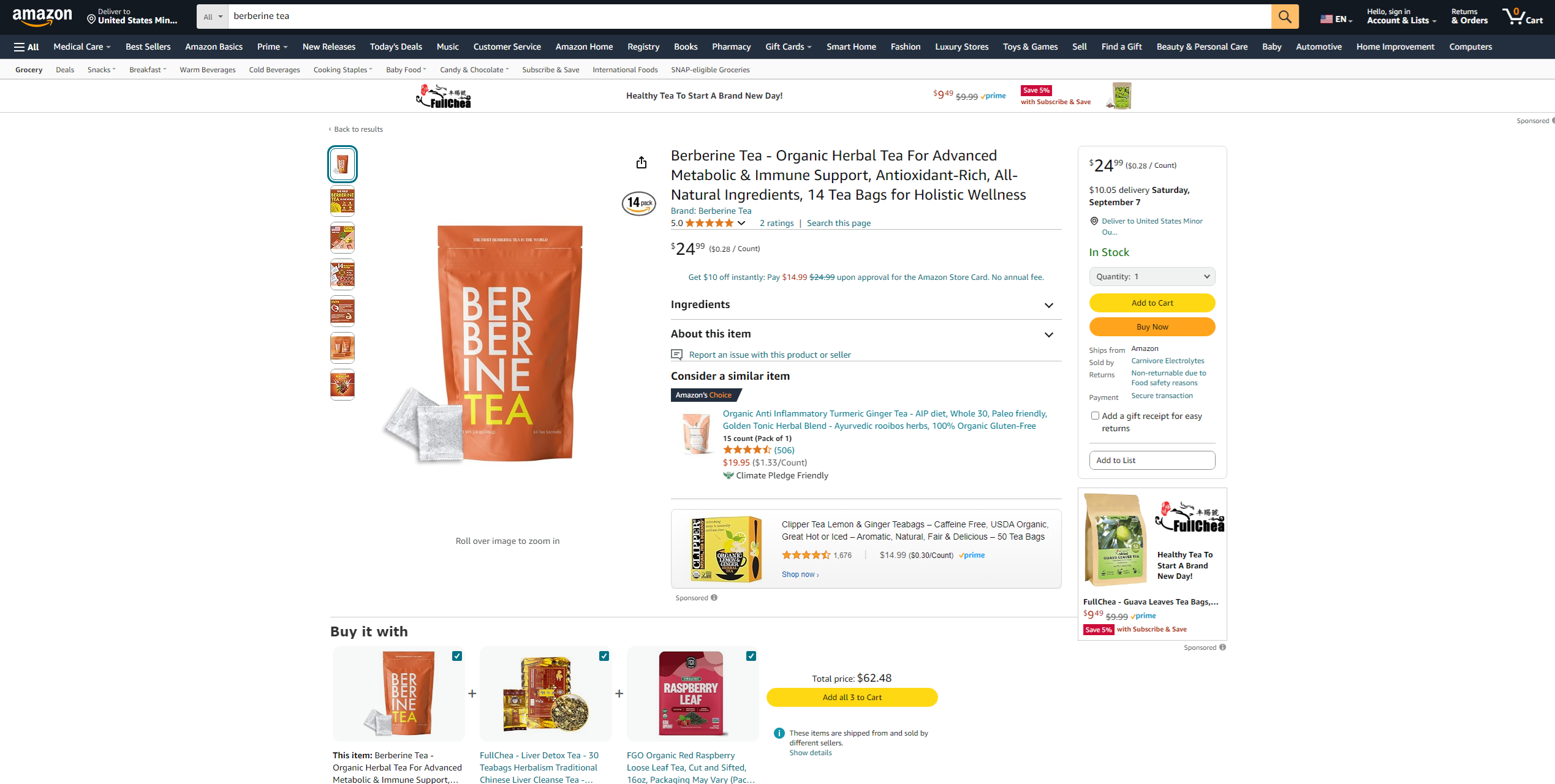
Berberine Tea exemplifies the Passion Product Formula in action. It identified a health supplement that people wanted in convenient tea form rather than as pills or powder. Research showed significant search volume for berberine products. However, tea format options barely existed despite obvious convenience advantages. By creating a unique product that filled a genuine market gap, the product achieved strong sales immediately. This happened upon launch without requiring massive advertising spending. The product wasn’t competing with established berberine supplements. It carved out its own unique position.
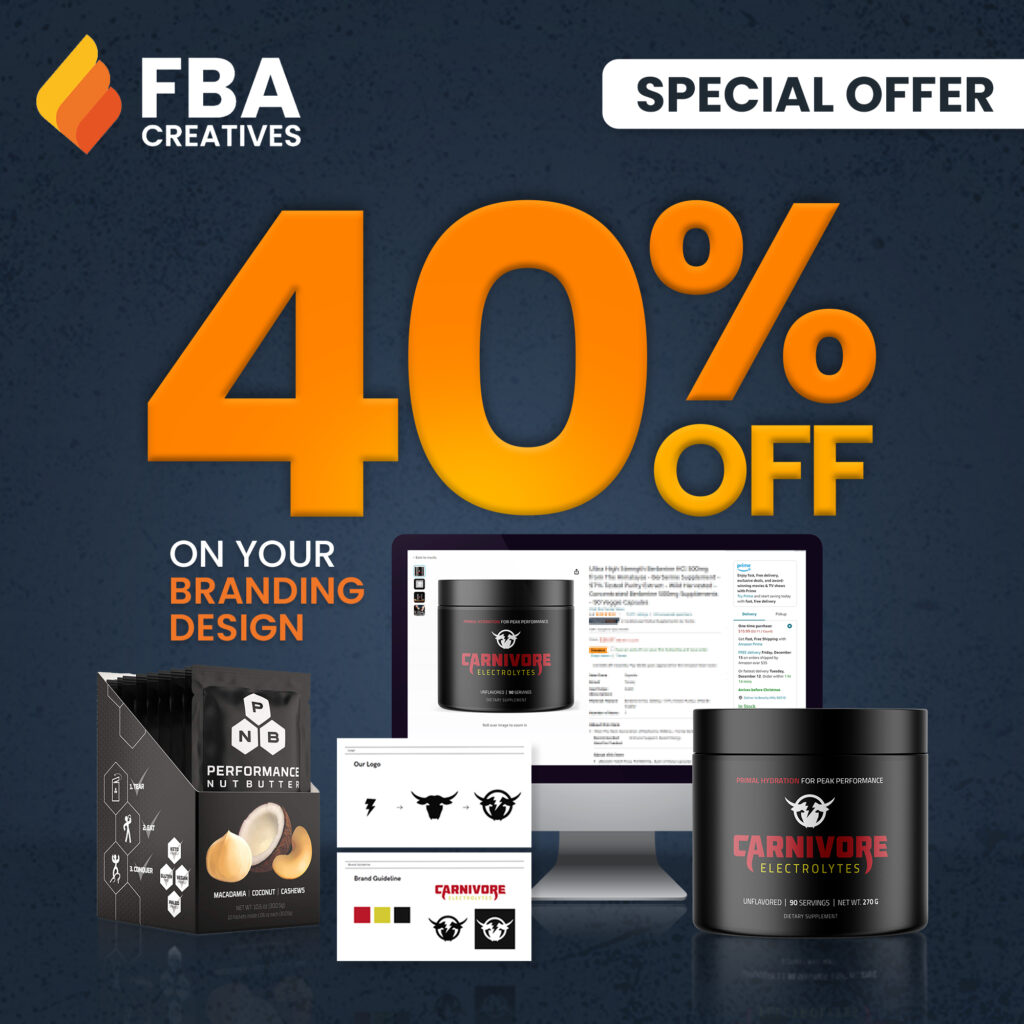
Carnivore Electrolytes represents another successful application of the methodology. It addresses the specific needs of people following carnivore or low-carb diets. These people struggled to find electrolyte supplements without unwanted ingredients. Standard electrolyte products contain sugars, artificial sweeteners, or other additives that conflict with strict dietary approaches. This created frustration for a growing community of health-conscious consumers. Recognizing this gap led to developing a specialized product. It commanded premium pricing and attracted passionate customers. These customers finally found what they’d been searching for.
Learning from Real Data
Both products demonstrate the power of combining passion with data validation and strategic platform selection. Neither attempted to compete directly with major supplement brands on saturated keywords or categories. Instead, they carved out specific niches where demand existed but supply remained inadequate. This allowed relatively small businesses to achieve profitability quickly despite limited budgets. The results speak for themselves.
The transparency around revenue and profit data from these launches provides realistic benchmarks. Rather than making vague claims about six-figure incomes, sharing actual numbers helps you understand what success realistically looks like. You can evaluate whether the Passion Product Formula aligns with your goals and expectations. These case studies prove that creating genuinely unique products based on identified market gaps works. It works far better than copying existing products and hoping to compete through superior marketing or lower prices.
Recommended Path to E-Commerce Success

Starting with crowdfunding offers an intelligent first step. It validates your product concept while raising capital for inventory. This eliminates the two biggest risks entrepreneurs face. Platforms like Kickstarter and Indiegogo let you present your idea to potential customers. These customers can pre-order if they’re interested. This provides concrete proof of demand before you invest in manufacturing. Additionally, successful campaigns generate media attention and social proof. This accelerates growth once you launch on regular sales channels.
Launching on Amazon after validating demand through crowdfunding leverages the marketplace’s massive traffic. You’ve already proven people want your product. You’ve raised money to fund inventory and built initial buzz. Now you’re placing it in front of hundreds of millions of active shoppers. Amazon’s FBA service handles all logistics. Meanwhile, their algorithm actively promotes new products that generate sales. This gives you enormous advantages over trying to drive traffic to an unknown website.
Expanding to Your Own Website
Expanding to your own website becomes a strategic investment rather than a risky gamble. This happens once you’ve achieved profitability on Amazon. At this stage, you’re generating consistent revenue. You understand your customers deeply. You’ve refined your product based on real feedback. Building a Shopify or WooCommerce store now makes perfect financial sense. You’re investing profits rather than personal savings. You’re capturing email addresses and customer relationships that Amazon otherwise owns. This gives you more control over your business long-term.
This sequential approach minimizes risk at each stage while building momentum. It generates revenue that funds the next step. Too many entrepreneurs make the mistake of starting with the most expensive, complex approach. They build standalone websites and spend heavily on advertising before validating that anyone wants their product. Reversing this sequence dramatically improves success rates. You ensure you have proven products and real customers before investing in owned digital real estate. This digital real estate requires ongoing maintenance and traffic generation.
Why This Order Matters
Financial risk drops dramatically when you validate ideas before manufacturing inventory. You test sales channels before building expensive infrastructure. Crowdfunding costs nothing unless your campaign succeeds. Marketplace sales provide immediate revenue that funds business growth rather than draining personal savings. Conversely, launching with a standalone website requires monthly platform fees. You need advertising spending. You potentially face months of effort before generating your first sale. The financial pressure can become overwhelming.
Customer feedback loops accelerate dramatically on established marketplaces. Sales happen quickly there. This allows you to refine products and optimize listings based on real data. Waiting months to gather sufficient data from a new website delays improvements. It extends the learning process unnecessarily. Furthermore, early sales provide psychological momentum that sustains motivation. Crickets on a new website can discourage entrepreneurs. This happens before they’ve given their business a fair chance.
Building Skills Progressively
Skill development follows a natural progression when you start on simpler platforms. You gradually expand to more complex ones. Amazon teaches you product research, listing optimization, and customer service fundamentals. You learn these before needing to master website design, conversion optimization, and traffic generation. Similarly, crowdfunding forces you to articulate your unique value proposition clearly and persuasively. These skills directly translate to all future marketing efforts. You’re building a foundation that supports everything that comes later.
Building confidence through early wins proves invaluable for long-term persistence and success. Entrepreneurs who see sales in their first month on Amazon feel validated and excited to continue. Those who spend months building websites without sales often quit. They give up before giving their business adequate time to succeed. The strategic sequence ensures you experience positive reinforcement early. This builds the confidence and momentum necessary to scale successfully over time.
Platform Comparison Summary

WooCommerce suits entrepreneurs who prioritize customization, ownership, and long-term cost efficiency. They value these over ease of use and speed of implementation. This platform rewards technical comfort or willingness to learn. You get dramatically lower ongoing costs and unlimited control over every aspect of your store. Additionally, owning your platform protects you from sudden policy changes or fee increases. These can devastate businesses built on rented platforms like Shopify. You’re in complete control of your destiny.
Shopify excels for beginners who want to launch quickly without technical headaches. They don’t mind paying premium prices for convenience and simplicity. The platform handles all technical infrastructure, updates, and security. It provides intuitive interfaces that anyone can learn within hours. Moreover, their app ecosystem offers solutions for virtually any feature you might need. However, many apps carry monthly fees that can add up quickly. The convenience comes at a cost.
Understanding Amazon and Crowdfunding
Amazon FBA represents the ideal starting point for most entrepreneurs. You get guaranteed traffic, handled fulfillment, and access to millions of active shoppers. This platform removes the cold-start problem entirely. It teaches fundamental e-commerce skills in an environment that provides rapid feedback and revenue generation. Furthermore, Amazon’s built-in trust and Prime shipping significantly increase conversion rates. This advantage is huge compared to unknown websites asking customers to trust unproven brands. You’re borrowing Amazon’s credibility while you build your own.
Crowdfunding platforms serve as excellent validation tools before committing to inventory. They generate both proof of concept and initial capital simultaneously. These platforms also provide marketing benefits through media coverage and backer enthusiasm. Organic launches struggle to replicate this level of visibility. However, crowdfunding works best for truly innovative products. Incremental improvements or “me-too” offerings struggle on these platforms. You need strong storytelling and compelling differentiation to succeed.
Making Your Choice

Your current financial situation should heavily influence platform selection. Monthly fees and advertising costs vary dramatically between options. If money is tight, starting with Amazon or crowdfunding makes far more sense. Don’t pay for Shopify subscriptions and advertising before generating revenue. Conversely, if you have adequate capital and value simplicity over cost savings, Shopify might justify its premium pricing. The time savings and reduced frustration can be worth the extra cost for some entrepreneurs.
Timeline expectations also matter significantly when choosing platforms. Need to launch quickly and start generating revenue within weeks? Amazon provides the fastest path to sales for most products. Have several months to build something custom and branded? WooCommerce allows creating exactly the experience you envision without compromising for platform limitations. Additionally, consider how much time you can dedicate to learning. Platforms with steeper learning curves require greater time investment upfront. However, they may reward you with better long-term results.
Product and Audience Considerations
Your product type and target audience often naturally suggest ideal platforms. Handmade or artisan products find ready audiences on Etsy. Commodity items or innovative products typically perform best on Amazon. Premium brands with strong differentiation benefit from standalone websites. These fully control the customer experience and brand presentation. Moreover, some products face restrictions on certain platforms. Supplements have strict requirements on Amazon. Dropshipped products violate their terms entirely. Understanding these limitations helps you choose wisely.
Remember that platform selection isn’t permanent or mutually exclusive. Successful businesses often sell across multiple channels simultaneously. Starting with one platform doesn’t prevent expanding to others as you grow. Diversification actually reduces business risk. It protects you from over-dependence on any single sales channel. Therefore, view your initial platform choice as a starting point rather than a life sentence. Allow yourself flexibility to adapt as you learn what works best for your specific products and business model.
Finding Your E-Commerce Path Forward

The three secrets revealed throughout this article fundamentally challenge the mainstream narrative about Shopify and e-commerce. Free alternatives to Shopify not only exist but often provide better starting points. This is especially true for entrepreneurs with limited budgets or specific customization needs. Understanding the affiliate commission structures helps immensely. These structures bias recommendations toward certain platforms.
This knowledge empowers you to evaluate advice more critically. You can make decisions based on your unique circumstances rather than someone else’s financial incentives. You’re making truly informed choices.
Most importantly, recognizing that e-commerce success requires real work sets appropriate expectations. It increases your probability of success. The get-rich-quick promises flooding social media serve primarily to sell courses and generate clicks. They don’t prepare entrepreneurs for the actual journey ahead.
By approaching e-commerce with realistic expectations, you position yourself to persist through inevitable obstacles. These obstacles defeat less prepared competitors. Realistic expectations about timelines, effort, and challenges make all the difference.
The Passion Product Formula Solution
The Passion Product Formula offers a strategic framework that addresses the main reasons most e-commerce businesses fail. It combines passion-driven innovation with data-backed validation and strategic platform selection. Rather than copying competitors or chasing trends, this methodology guides you differently. It helps you create genuinely unique products that fill identified market gaps. These are products you’re passionate about and that customers actively want. Moreover, the recommended launch sequence minimizes financial risk while building skills and confidence progressively. You’re not gambling with your life savings. You’re building strategically.
Your path forward depends entirely on your specific situation, goals, and resources. However, it should begin with honest self-assessment. Don’t blindly adhere to trending advice. Whether you start with crowdfunding to validate ideas, launch on Amazon to leverage existing traffic, or build a WooCommerce site for maximum control, choose the approach that aligns with your circumstances. Commit fully to learning and improving. Success in e-commerce remains absolutely achievable for dedicated entrepreneurs. You must create genuinely valuable products and approach the business strategically. Don’t hope to stumble into overnight wealth. Build something real instead.
Frequently Asked Questions
Do I really need my own website to sell online?
No, you absolutely don’t need your own website to build a successful online business. Amazon FBA lets you tap into 300+ million active customers without maintaining any website. Platforms like Etsy and eBay provide built-in audiences for specific product types. Many entrepreneurs generate six-figure incomes selling exclusively on marketplaces. They use the profits to eventually fund standalone websites once their brands are established. Starting with marketplaces actually reduces risk significantly. You validate demand before investing in website infrastructure and advertising.
Can I start an e-commerce business with zero money?
Starting with literally zero dollars proves challenging but not impossible if you approach it strategically. Crowdfunding platforms let you present product ideas without upfront inventory costs. You use pre-orders to fund manufacturing. Alternatively, you could sell products you already own on eBay or Facebook Marketplace. This generates initial capital. You then reinvest those profits into inventory for products you want to launch. However, most successful businesses require at least a few thousand dollars. You need money for inventory, professional product photography, and initial marketing efforts.
How long until I make my first sale?
Timeline to first sale varies dramatically based on which platform you choose and how well you execute. It also depends on your product research and listing optimization. Amazon sellers often make their first sale within days or weeks of launching. This happens thanks to Amazon’s massive existing traffic. Conversely, standalone Shopify or WooCommerce stores might take months to generate their first sale. You need to build traffic through advertising, content marketing, or social media. Crowdfunding campaigns either fund within their 30-60 day campaign period or fail to reach their goal. They provide very clear feedback quickly.
Should I use multiple platforms simultaneously?
Starting on multiple platforms simultaneously typically overwhelms beginners. It dilutes focus, reducing your effectiveness everywhere. Instead, master one platform first until you’re generating consistent sales. Make sure you understand the fundamentals. Then expand to additional channels strategically. However, once you’ve achieved success on your initial platform, diversifying makes sense. It reduces business risk and maximizes revenue potential. Many successful brands sell on Amazon, their own website, and occasionally retail stores or other marketplaces. They built that multi-channel presence gradually over time.
What’s the Passion Product Formula and how do I learn more?
The Passion Product Formula represents a comprehensive methodology for creating and launching unique products. It focuses on products that fill identified market gaps rather than competing in saturated niches. The approach combines passion-driven innovation with data-backed validation and strategic platform selection. It teaches you to identify products people search for but can’t find. Then it shows you how to bring those products to market successfully. This framework addresses the main reasons most e-commerce businesses fail. It ensures you create products you’re passionate about, that customers genuinely want, and that launch on platforms where customers already shop.