
Online shoppers spent more than $6 trillion last year. That number keeps climbing every year. Even so, e-commerce still makes up only about 16.9% of total retail sales in the United States. That gap means the market has enormous room left to grow. More than 86% of Americans already shop online, roughly 290 million people, and they’re all waiting.
Because of that gap, right now is one of the best times to start selling. But before jumping in, every seller faces the same question: which platform deserves the investment of time and money?
To answer that, we ranked every major e-commerce platform from S-tier down to F-tier. We based the ranking on real pros, real cons, and what it actually takes to build a profitable store on each one. Along the way, we’ll reveal one strategy that didn’t make it onto any single platform’s scorecard. It isn’t a platform at all. It’s a system, and it’s the closest thing to an S-tier answer that exists.
The Two Paths to Selling Online

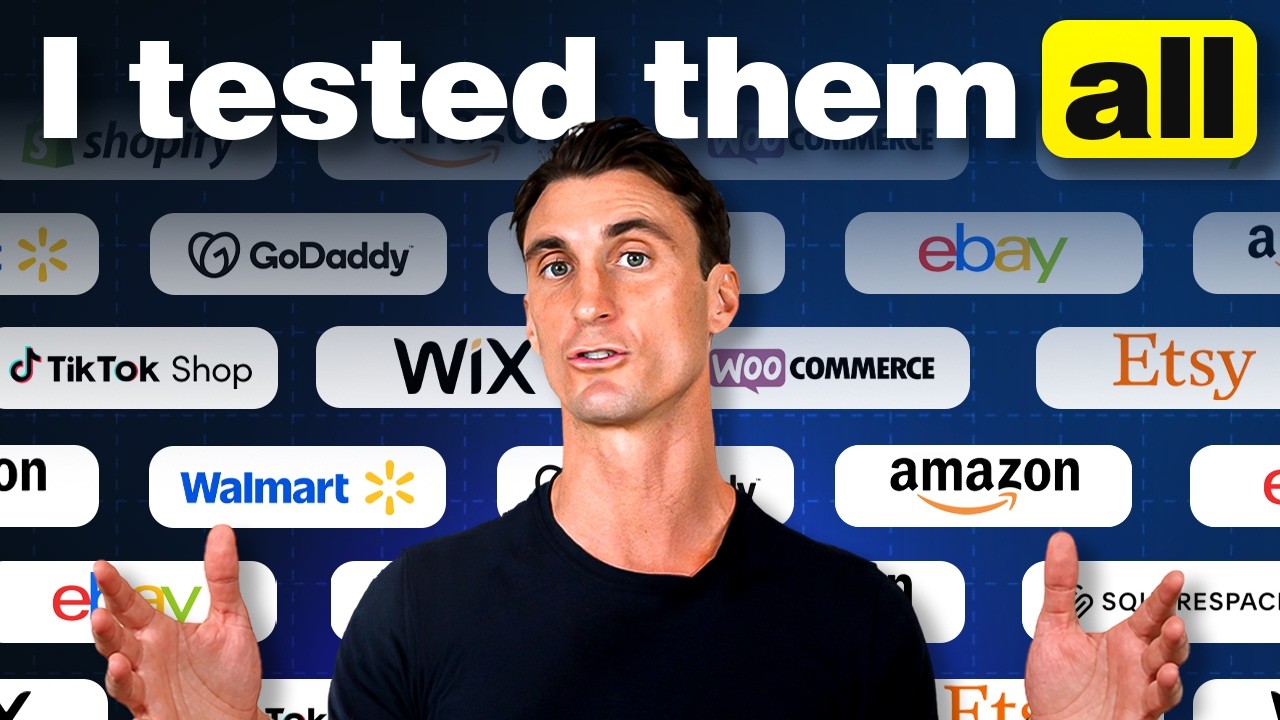
Every ecommerce platform falls into one of two categories, and understanding the difference makes the rest of this ranking easier to follow. The first path means building an independent website and business from scratch. WooCommerce, Shopify, Squarespace, Wix, and GoDaddy all fall into this bucket. Each one hands over full ownership of the brand and the customer relationship.
The second path means selling on a marketplace that already exists. Amazon, TikTok Shop, Walmart, eBay, and Etsy fall into this bucket instead. Sellers plug directly into traffic that’s already flowing, instead of building an audience from zero. That traffic comes at a price, usually a percentage of every sale, but it removes the single hardest problem in ecommerce platform: getting strangers to find the product in the first place.
Neither path beats the other outright, and each comes with different tradeoffs. Independent stores win on margin and control. Marketplaces win on speed and reach. Keep both scorecards in mind as we work through the rankings, because the strongest strategy in this entire article refuses to pick just one. Let’s break down both, starting with building an independent store.
No changes needed. Worth grabbing the latest file before your next round of edits, since the version you’ve been pasting from is a few revisions behind.
Build-Your-Own-Store Platforms

Building an independent store means starting from scratch, but it also means owning everything. Sellers control the brand, the design, and the entire customer relationship from day one. That control comes at a cost, though, since none of these platforms hand over any built-in traffic. Every visitor has to be earned through ads, content, or word of mouth.
Five platforms compete in this space, and each one solves that tradeoff differently. Some prioritize flexibility, others prioritize simplicity, and one barely deserves a spot on the list at all. Here’s how they stack up against each other.
WooCommerce
WooCommerce holds the title of the most widely used ecommerce platform in the world, and its biggest advantage is cost. The plugin itself is free, and pairing it with affordable hosting (around $3 a month through a provider like Hostinger) keeps the barrier to entry low. WooCommerce also boasts the largest plugin library of any platform on this list, so almost any feature a store needs already exists as an add-on. Setup only takes about five minutes.
That flexibility comes with a real tradeoff. Because WooCommerce is so customizable, complex changes down the road often require hiring a developer. Several basic features that come standard elsewhere need extra plugins to work. Support also lags behind more polished platforms like Shopify, especially since two different companies handle hosting and the store instead of one.
Verdict: B-Tier. WooCommerce earns its popularity through affordability and flexibility. That flexibility, though, demands more technical patience than most beginners want to spend.
Shopify
Shopify has overtaken WooCommerce as the top ecommerce platform in the United States. Giants like Pepsi, Red Bull, Gym Shark, and even Tesla all choose it for their online stores. Its creators built Shopify specifically for ecommerce platform from day one, so everything from setup to checkout feels purpose-built rather than bolted on. A store can go live in as little as four minutes, and around-the-clock support backs up every plan.
The main drawback is price. Plans start around $39 a month and climb quickly as you add apps, plugins, and integrations. Customization on the product and checkout pages also stays more limited than WooCommerce allows. Even so, Shopify‘s massive app ecosystem means a developer is rarely needed to add new functionality, which saves both time and money.
Verdict: A-Tier. Shopify remains the gold standard for building an independent store. Like every self-built website, though, it still needs paid advertising to drive traffic, since no built-in audience waits on the other end.
The Website Builders: Squarespace, Wix, and GoDaddy

Squarespace, Wix, and GoDaddy all started as general website builders before adding ecommerce platform features later, and that origin story still shows. Squarespace offers the most beautiful templates on this list, along with solid support, which makes it a strong pick for artists and visually driven brands. It still lacks core ecommerce platform functionality most serious sellers expect, though. Wix stands out for its AI-powered store builder, which can generate a working shop from a simple description.
GoDaddy works fine for grabbing a cheap domain name. Avoid it entirely for hosting or building an actual store.
Verdict: Squarespace lands at D-Tier, Wix at C-Tier, and GoDaddy at F-Tier. None of the three come close to matching the plugin depth of WooCommerce or the polish of Shopify.
Marketplace Platforms: Sell Where the Buyers Already Are
Amazon

Amazon sits at the center of modern ecommerce platform, and the numbers explain why. The company is worth $2.6 trillion. Third-party sellers, people building businesses just like this one, generated 60% of the more than $800 billion spent on Amazon last year. Setting up a seller account takes only a few minutes at sell.amazon.com, and from there, listing a product is as simple as adding a title, images, and bullet points.
Selling on Amazon does mean giving up some control, since the store lives on Amazon’s platform rather than an owned website. Amazon also takes roughly 15% of every sale in referral fees. Compare those numbers against the cost of driving traffic from scratch elsewhere, though, and they stop looking steep. Amazon already brings over 170 million Prime members in the U.S. alone and more than two billion monthly visitors worldwide, so that 15% effectively buys access to marketing infrastructure that would otherwise cost far more to build independently.
Verdict: A-Tier. Amazon offers the fastest path to real sales, because the traffic already exists. The seller just needs a product worth buying.
TikTok Shop

TikTok Shop generated more than $15 billion in U.S. sales last year. That figure could reach $23 billion this year, making TikTok Shop the fastest-growing ecommerce platform in the world. TikTok’s checkout happens directly inside the video, so buyers can complete a purchase without ever leaving the app. That removes nearly every point of friction that normally slows down a sale.
The tradeoff is the platform’s unpredictable algorithm. A product can sell out in a single viral day, then go quiet the following week, which makes inventory planning genuinely tricky. Still, that same unpredictability cuts both ways. Products can sell out completely without spending a single dollar on ads, especially when paired with small creators through the TikTok Shop affiliate program, who only get paid when they generate a sale.
Verdict: A-Tier. TikTok Shop delivers explosive potential at essentially zero upfront cost. Later in this article, we’ll show exactly how to solve its biggest weakness.
Walmart
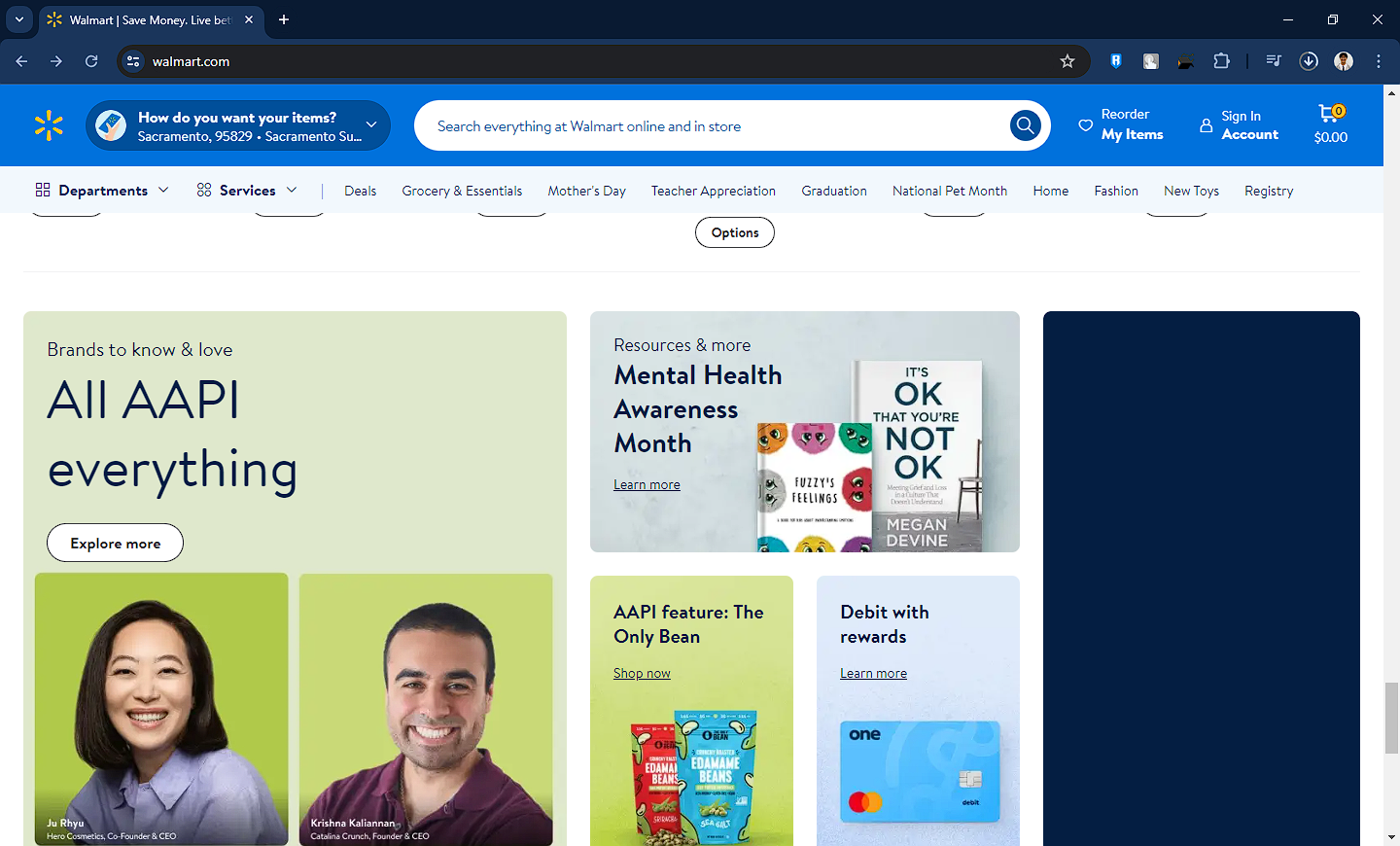
Walmart.com is growing fast and already generates more than $150 billion in annual sales. Strong performance on the site also opens the door to placement in Walmart’s nearly 5,000 physical retail stores across the country. There’s no monthly subscription fee either, since Walmart only charges a percentage of completed sales.
Walmart’s traffic still trails far behind Amazon’s. It makes up only around 6% of total e-commerce sales.
Verdict: B-Tier. Walmart works well as a complementary channel alongside Amazon, rather than a primary starting point.
Etsy and eBay
Etsy and eBay both bring built-in audiences that visit their sites every day, which makes them tempting starting points. Fees run anywhere from 7% to 15% per sale, similar to Amazon and Walmart, but without nearly the same scale of traffic in return. Both platforms also require sellers to handle their own shipping and fulfillment. Sellers pack and mail every order individually, instead of relying on a warehouse network the way FBA and Walmart fulfillment allow.
Verdict: Etsy lands at C-Tier and eBay at D-Tier. Etsy suits handcrafted, artisan goods well, and eBay still works for collectibles. Neither one, though, offers the scalability needed to build a large, sustainable brand.
The Real S-Tier Strategy: The Passion Product Flywheel
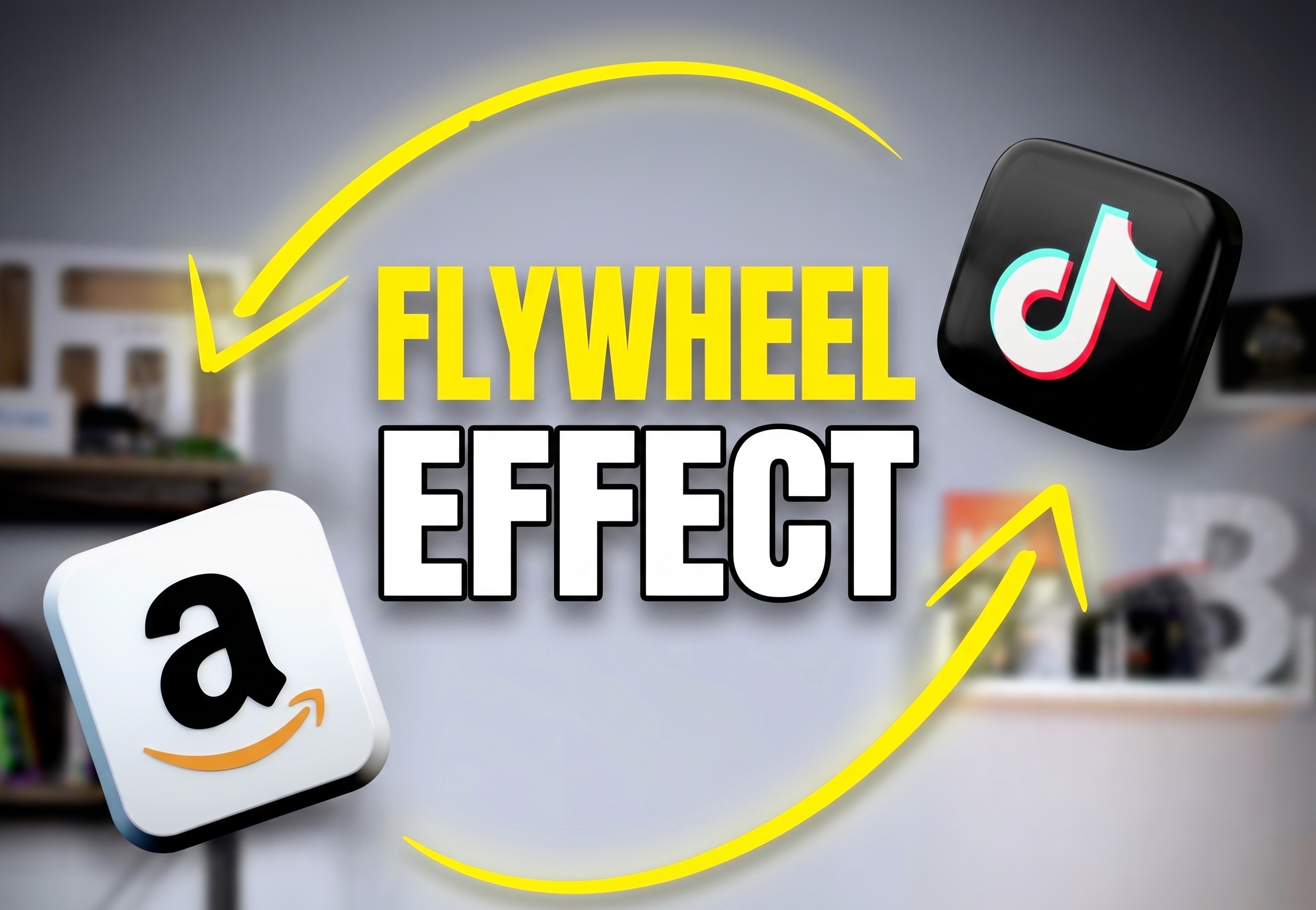
Ranking ten platforms individually misses the biggest opportunity entirely. The real S-tier strategy isn’t a single platform at all. It’s combining the three A-tier winners, Amazon, Shopify, and TikTok Shop, into one connected system. Each platform compensates for the others’ weaknesses. Together, they create a flywheel: momentum that builds on itself.
Here’s how it works in practice. TikTok Shop drives free, viral discovery and sends curious buyers straight to Amazon. Amazon’s massive built-in traffic and FBA fulfillment then convert that interest into fast, trustworthy sales. Meanwhile, an independent Shopify store captures repeat customers directly, letting the brand build a real, owned relationship without paying Amazon’s referral fee on every future order. Some of those Amazon buyers then create their own TikTok content about the product, which restarts the entire cycle again.
This isn’t a theoretical framework. It’s the exact system that grew the Carnivore Electrolytes brand from the ground up. Amazon and TikTok Shop worked together so that customers discovering the product on TikTok would head straight to Amazon to buy, creating a genuine feedback loop between the two platforms.
Building this kind of flywheel is exactly what the Passion Product Accelerator teaches. It’s not just advice on which platform to pick. It’s a repeatable formula for turning a single product idea into a connected, multi-channel business that keeps generating momentum on its own.
Why This Matters Right Now

The growth numbers from the start of this article deserve a second look, because they point directly at timing. 86% of Americans already shop online, and ecommerce platform still captures under 17% of total retail sales. That means the market has years of expansion left ahead of it. Waiting for a “safer” moment to start usually just means competing against more sellers later.
Costs favor new sellers right now too. TikTok Shop’s affiliate model lets brands market for free until a sale happens. Amazon’s FBA network removes the need for warehouse space or staff. Shopify launches a professional storefront for less than a monthly phone bill. A business that would have required serious capital a decade ago now starts for a few hundred dollars.
Tools have caught up as well. AI now handles product research, listing copy, and store design in minutes, work that once ate up weeks. Suppliers connect with new brands directly through online marketplaces, so minimum order quantities keep dropping. A single person with a laptop can now run operations that once demanded an entire team.
Every con listed throughout this ranking comes with a workable solution, not a dead end. That includes Amazon’s referral fee and TikTok’s algorithm swings. That’s the whole point of combining platforms instead of betting everything on one: the strengths of the other channels absorb each platform’s weaknesses.
Your Next Move: Turn This Ranking Into a Real Business

Knowing which platforms to use solves only half the equation. The harder, more valuable half is knowing exactly what product to sell and how to launch it the right way across Amazon, Shopify, and TikTok Shop together. Product selection, supplier sourcing, listing optimization, and launch sequencing all determine whether the flywheel actually spins. That’s exactly the gap the Passion Product Accelerator fills.
A free strategy call walks through product ideas and evaluates fit for the flywheel model. It also includes access to a free 12-hour Amazon FBA course, regardless of whether the Accelerator ends up being the right next step. Spots for these calls are limited, so anyone serious about building a real e-commerce business should claim one sooner rather than later.
Thousands of students have already used this exact approach to create their own products and build brands across all three platforms. The framework works because it doesn’t depend on any single algorithm, marketplace, or traffic source staying favorable forever. Each channel supports the others, which keeps momentum going even when one of them has a slow month.
The platforms are ranked, and the flywheel is proven. The market still has plenty of room to grow. The only thing left is to take the next step.
Frequently Asked Questions
Which e-commerce platform is best for complete beginners? Amazon and Shopify both offer the fastest, most beginner-friendly setup. Amazon provides instant access to built-in traffic. Shopify offers the easiest independent store to launch, often in just a few minutes.
Do I need to choose only one platform? No. Choosing only one platform actually limits growth in most cases. The flywheel strategy, combining Amazon, Shopify, and TikTok Shop, consistently outperforms relying on a single channel.
Is Amazon’s 15% fee worth it? For most sellers, yes. That fee buys access to Amazon’s massive built-in customer base and FBA fulfillment network. Replicating that independently through paid advertising would cost significantly more.
Why did TikTok Shop rank A-tier instead of S-tier on its own? TikTok Shop delivers incredible viral potential and zero-cost organic reach. Its algorithm, though, makes sales unpredictable when sellers use it alone. Pairing it with Amazon and Shopify solves that volatility by giving viral traffic a stable, high-converting place to land.
What’s the fastest way to get started? Booking a free strategy call is the simplest starting point. It includes access to a free 12-hour Amazon FBA course. It also includes personalized guidance on building a product and launch plan around the Amazon, Shopify, and TikTok Shop flywheel.