
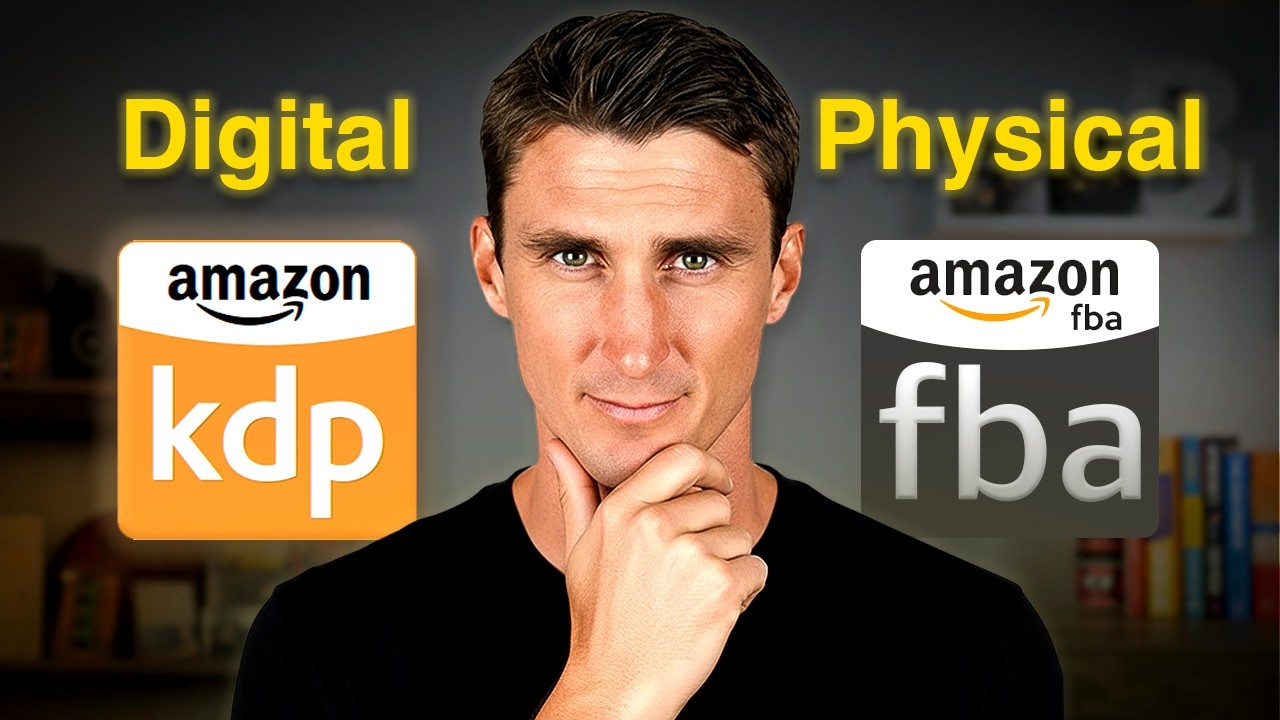
If you want to make your first $10,000 a month online, two Amazon business models probably sit at the top of your list. On one side, you have Amazon FBA. On the other, you have Amazon KDP. Both promise a hands-off business, and both put you in front of millions of buyers. So, which one should you actually choose in 2026 and 2027?
Travis Marziani has tried both, and he has done over $12.3 million in sales selling online. In this guide, we compare the two models on four key factors. First, we look at how much work each one takes. Next, we cover how much money you need to start. Then, we break down how much you can realistically earn once everything runs smoothly.
Interestingly, those first three factors are much closer than most people expect. However, there’s a fourth factor that almost nobody talks about. Ultimately, that fourth factor turned this from a close call into a clear decision. Before we compare the two models, though, it helps to see why selling on Amazon business is such a powerful opportunity in the first place.
- Why Selling on Amazon Is Such a Big Opportunity
- How Amazon FBA and Amazon KDP Work
- Startup Costs: Where KDP Has the Edge
- Earning Potential and Profit Margins
- Speed and the Learning Curve
- How Easy Your Business Is to Copy
- How the Passion Product Formula Builds a Moat
- The Verdict: Choosing the Path That Builds Real Wealth
- Your Next Step Toward a Profitable Amazon Brand
- Frequently Asked Questions
Why Selling on Amazon Is Such a Big Opportunity
If you’re reading this and thinking about starting either business, you’re already ahead of most people. Amazon did over $716 billion in sales last year. Even better, the company is on pace to pass $800 billion in sales on its website this year. Best of all, about 6 out of every 10 items sold on Amazon come from third-party sellers. In other words, regular people like you capture a huge share of that money.
Access to Hundreds of Millions of Buyers
When you sell through FBA or KDP, you get in front of over 300 million Prime customers worldwide. On top of that, millions of shoppers without a Prime membership visit Amazon every day. As a result, you skip one of the hardest parts of building a business from scratch: finding customers.
Amazon already has the traffic, the trust, and the checkout process. Your job is simply to put the right offer in front of people who are ready to buy.
Conversion Rates That Beat Typical E-commerce
Most e-commerce websites convert at around 2%. That means only 2 out of every 100 visitors end up buying. On Amazon, by contrast, conversion rates reach as high as 13 to 15%. That’s 6 to 7 times higher than a typical online store.
Higher conversion means every visitor to your listing is worth far more to you. With that in mind, let’s look at how each model actually works.
How Amazon FBA and Amazon KDP Work

Before you pick a path, it helps to understand how each model runs behind the scenes. Amazon FBA and Amazon KDP both let you build a business on top of Amazon’s massive platform. Yet each one handles products, orders, and customers in its own way. Once you see the mechanics, comparing them becomes much easier.
Next, we break down each model one at a time. First, we look at what Amazon FBA is and what your day-to-day role looks like. Then, we do the same for Amazon KDP. By the end, you will see why these two models feel so similar on the surface.
Amazon FBA: Fulfilled by Amazon
FBA stands for Fulfilled by Amazon. With this model, your manufacturer ships your products directly into Amazon’s warehouse. Then, whenever a customer places an order, Amazon picks, packs, and ships it for you. In fact, you never even have to see your products.
That leads to the first big advantage of FBA. It comes about as close to passive income as a real business gets. Admittedly, it takes work to set up. Once it’s running, though, your job mostly involves logging in a couple of hours a week. You check your numbers, and you make sure you don’t run out of inventory.
Amazon KDP: Kindle Direct Publishing
KDP stands for Kindle Direct Publishing, Amazon’s platform for publishing books. Surprisingly, it works almost exactly the same way as FBA. You upload your book, and when someone orders it, Amazon business prints, packs, and ships it. You never touch a single copy.
So, on the workload factor, both models come out nearly even. Each one stays hands-off and requires very little work once it’s up and running. Therefore, the real differences show up in the next three factors.
Startup Costs: Where KDP Has the Edge

Money is often the first question new sellers ask, and for good reason. Your starting budget shapes how much risk you take on and how quickly you can begin. In this area, the two models look very different. One asks for almost nothing, while the other asks for a real investment.
With that in mind, let’s look at what it costs to start with each model. First, we cover why KDP is so cheap to launch. Then, we look at what FBA requires and how that investment can pay off. Finally, we show that even a tiny budget can still lead to big results with FBA.
Why KDP Costs Almost Nothing to Launch
When it comes to startup costs, KDP has a clear advantage. You don’t need to order 500 units of inventory upfront like you do with FBA. Instead, you only pay for printing once you make a sale. Even better, you can use AI to help write and design your book. As a result, you can get a book ready to publish for $0.
That is a real advantage, and it’s worth acknowledging. For someone with no budget at all, KDP removes the biggest barrier to entry.
What It Takes to Start With FBA
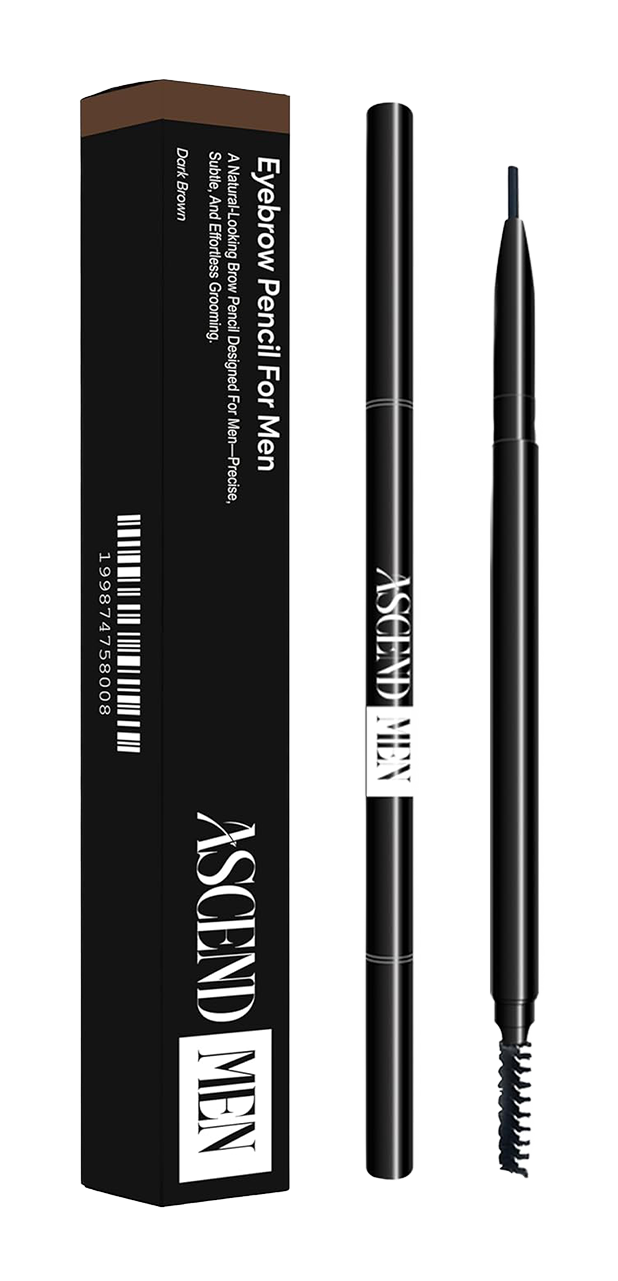
FBA, on the other hand, does require some startup money. Fortunately, that investment can pay for itself quickly. For example, Travis launched Ascend Men for about $1,000. In its very first month, the product did over $3,000 in sales.
In addition, Travis has sold online for over 10 years. He has launched multiple seven-figure FBA brands and even more six-figure brands, and he has helped over 4,000 people do the same.
Launching FBA With $0

Better yet, you can launch an FBA business with no money at all. Travis’s student AJ proves it. AJ launched his brand, Cocktail Cards, with zero dollars. Since then, the brand has done over $1.8 million in sales.
Starting this way does require some extra work and creativity. Still, it shows that a small budget doesn’t have to hold you back. Of course, startup costs only tell one side of the story. Earning potential is where the gap between these two models really starts to widen.
Earning Potential and Profit Margins

Startup costs only tell part of the story, because what really matters is how much money you can keep. Earning potential is where these two models start to pull apart. One tends to cap out early, while the other can grow into a serious, life-changing business.
To see why, we look at three things in this section. First, we compare the income ceiling on each model. Next, we break down the profit margins on a typical sale. Finally, we explore what KDP does well and where its real advantage lies.
The Ceiling on Each Model
Even though FBA costs more to start, it offers much bigger earning potential on average. Seven-figure KDP publishers do exist, but they’re rare. Meanwhile, plenty of FBA sellers make millions of dollars every single year. In short, big money is far more common with FBA.
KDP, by contrast, tends to attract beginners who want to test the waters. Many of them are looking for a little extra income, especially in countries where a few hundred dollars a month goes a long way.
Comparing the Margins
Profit margins also favor FBA. A $12.99 KDP paperback might net you around $4 at most after fees and printing costs. And that’s before you spend a single dollar on ads. FBA comes with its own fees too, such as referral, fulfillment, and storage fees. Even so, the right products can earn far healthier margins.
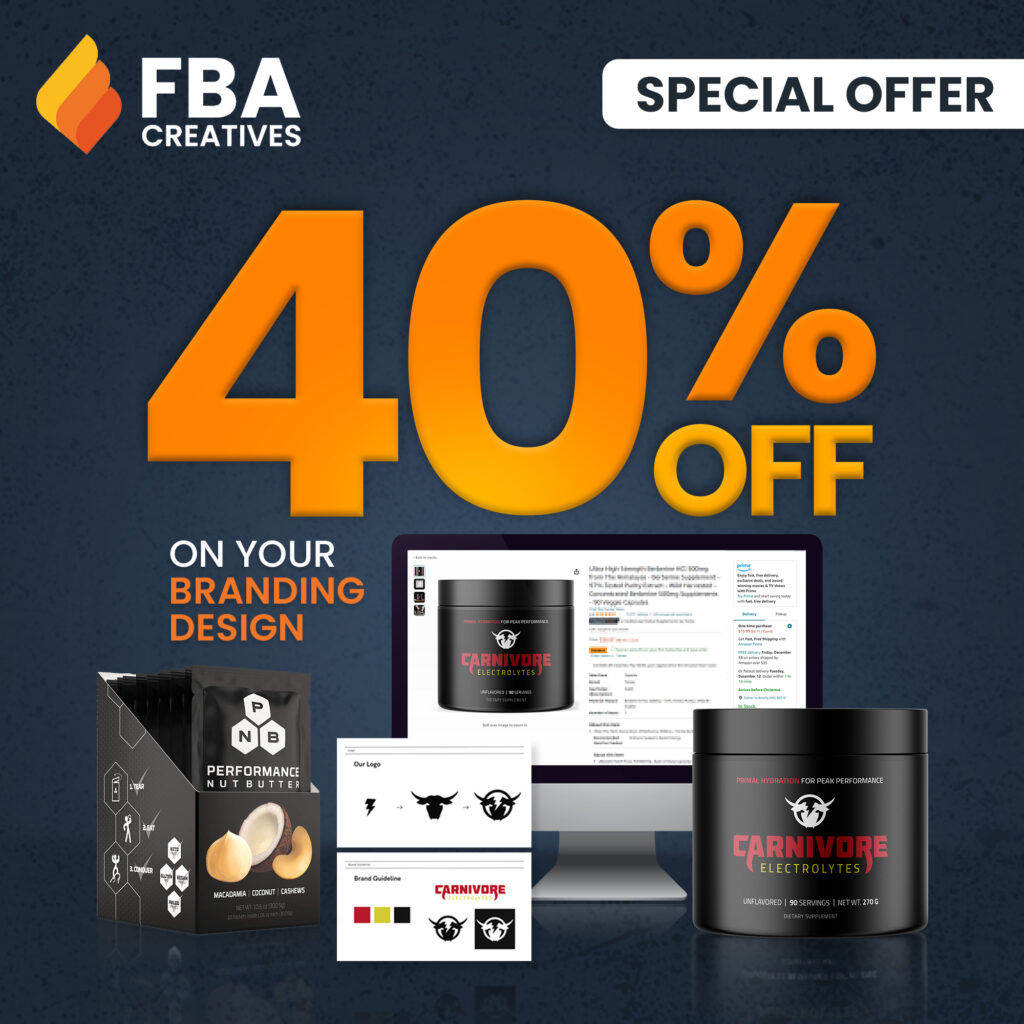
For instance, Travis’s brand Carnivore Electrolytes ran at around 50% profit margins and produced over $1.3 million in total profit. You simply won’t find numbers like that with a typical KDP book.
KDP’s Real Advantage: Cheap Testing
To be fair, KDP offers something FBA can’t easily match. Because each book costs almost nothing to launch, you can test many different ideas until one works. With FBA, you need to be more strategic about the products you choose. After all, launching lots of products at once gets expensive.
That said, KDP now has stricter rules. You can no longer flood the platform with low-effort AI books. Each book you release must be genuinely different from the others. Otherwise, Amazon will likely flag your listing and take it down.
Speed and the Learning Curve

Speed matters when you are eager to start earning from your Amazon business. Just as important, so does how steep the learning curve feels along the way. On both counts, these two Amazon business models offer very different experiences, and each one comes with its own trade-offs.
Let’s walk through both sides in this section. First, we compare how quickly you can go from an idea to your first sale. After that, we look at why having a mentor can shorten the path, especially when you are new to selling on Amazon.
From Idea to First Sale
Speed is another area where KDP shines. You can go from a book idea to a live listing in just a couple of days. With AI, you can find the idea, write the book, and potentially make your first sale by the end of the week. FBA can’t move quite that fast. You need to find a manufacturer, get your product made, and ship it to Amazon’s warehouse.
Nevertheless, an Amazon FBA business can still move faster than most people think. Travis launched Carnivore Electrolytes in just 7 days. Remarkably, the Amazon business turned a profit in its very first month. He documented the entire journey on his YouTube channel, and that brand went on to earn over $1.3 million.
Why a Mentor Shortens the Curve
Admittedly, FBA comes with a steeper learning curve, and figuring it out alone can feel tough. That’s why Travis always recommends working with a coach, a mentor, or a coaching program, even if it isn’t his. With KDP, you might test your first book on your own and see what happens. With FBA, however, the higher costs make expert guidance close to essential.
Ultimately, the right guidance turns a confusing process into a clear, repeatable system. And with FBA done right, the sky really is the limit.
How Easy Your Business Is to Copy

So far, the two Amazon business models have looked surprisingly close. Workload, startup costs, and earning potential each gave one side a small edge. Now we reach the factor that most Amazon sellers never think about, and it is the one that changes the whole picture. The real question is not only how fast you can launch your Amazon business, but how long it can last once you do.
In this section, we explore why some Amazon businesses fade almost overnight while others stay protected. First, we look at why winning KDP books attract copycats so quickly. Next, we see why generic FBA products run into the same problem. Finally, we show how the Passion Product Formula helps you build a brand that competitors cannot easily follow.
Why KDP Winners Fade Fast
Now we reach the factor that nobody talks about. Notice that most of KDP’s advantages come down to one thing: it’s quick and easy. Unfortunately, that’s exactly the problem. When a book takes off, competitors can copy it, improve it, and sell their own version almost overnight. As a result, a book that thrives this month might be dead by next month.
Consider a quick search for “100,000 Whys for kids” on Amazon. You won’t find two or three competitors. Instead, you’ll see dozens of books with nearly identical titles and covers. Furthermore, as long as those books keep selling, another 20 copycats will likely show up next month at lower prices.
Why Generic FBA Products Struggle Too
Similarly, FBA isn’t automatically safe from copycats. If you buy cheap, generic products from Alibaba and slap your logo on them, competitors will crush you. That approach simply doesn’t hold up anymore.
Without something unique, you end up competing on price alone. In that race, there’s rarely a winner.
How the Passion Product Formula Builds a Moat
This is where the Passion Product Formula changes everything. Instead of selling generic products, you create a branded, unique product for a very specific customer, one that doesn’t exist on Amazon yet. Travis calls this creating a passion product, or niche branding.
Because you get there first, you build loyal customers, secure a trademark, and register your brand with Amazon. As a result, your Amazon business gains protection that generic sellers never have. Each of these steps adds another layer between you and the copycats.
Meanwhile, any competitor would need months of sourcing, branding, and launching just to try to catch up. During that time, your brand keeps collecting sales, reviews, and customer trust. In other words, the head start you earn only grows over time.
Even then, they’d be launching something that can’t compete with the brand you’ve already established. That’s exactly why this stopped being a close call.
The Verdict: Choosing the Path That Builds Real Wealth

So, which model wins? If you’ve never sold anything on Amazon and want to dip your toes in, KDP can work as a starting point. For example, it can make sense if you simply want an extra couple hundred dollars a month. Just keep in mind that big, lasting income from KDP remains unlikely for most people.
On the other hand, if you want life-changing money, FBA is the clear winner. It gives you the kind of income that lets you quit your job and build real wealth. This holds especially true when you follow the Passion Product Formula and focus on niche branding.
Travis has sold online for over 10 years, and FBA is how he built his success. He launched many of his products himself and documented every step on his channel. Likewise, his students have launched successful products of their own. After working with over 4,000 people, he has seen one clear pattern: the people who follow the system and the process succeed.
Your Next Step Toward a Profitable Amazon Brand

The good news is that you don’t have to figure this out alone. Travis offers a free 10-hour Amazon FBA course on his YouTube channel. It covers everything you need to know to launch with FBA. So, if you like learning on your own, that course gives you a fantastic place to start.
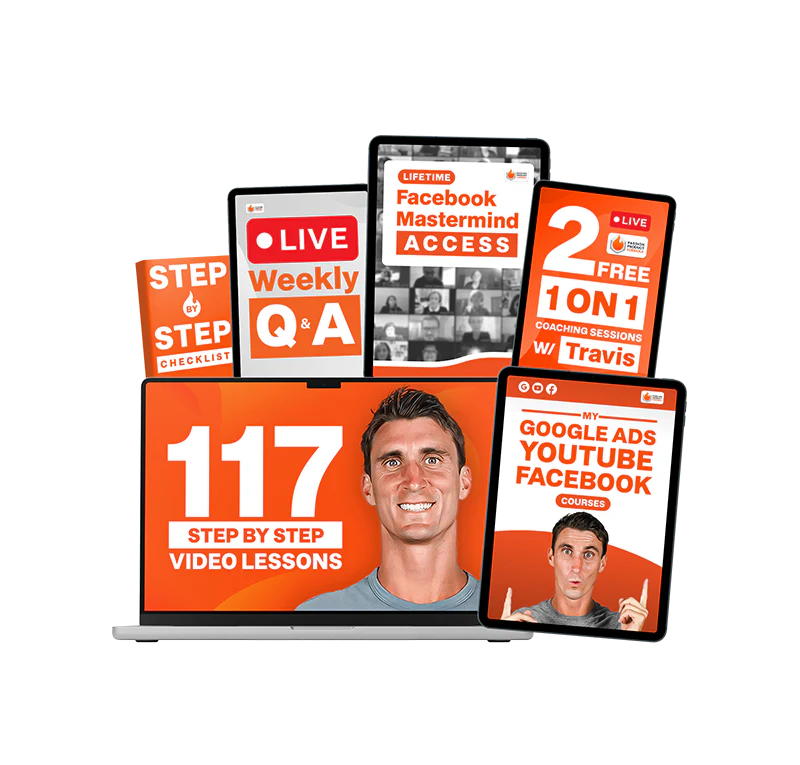
If you want faster results, you can also apply for a free call with Travis’s team. On that call, you’ll get a complete roadmap for succeeding with Amazon FBA. In addition, you’ll learn how to join the Passion Product Accelerator. The program includes over 100 screen-recorded, step-by-step video lessons that show you how to find a profitable idea, source a manufacturer, and launch on Amazon.
Beyond the lessons, the Accelerator includes one-on-one calls and small group coaching, so you never get stuck. You’ll also join a community of over 1,000 Amazon sellers who have been through the program. Some are still figuring it out, while others have already cracked the code.
In the end, KDP offers a quick way to test the waters, but FBA gives you a business you can truly build on. Combined with the Passion Product Formula, it gives you a brand that competitors can’t easily copy. So, take the first step today and start building your passion product.
Frequently Asked Questions
Is Amazon KDP still worth it in 2026?
Yes, KDP can still work for beginners who want to test an idea or earn a little extra money each month. However, low startup costs make it easy for competitors to copy winning books. As a result, most publishers struggle to build big, lasting income.
How much money do I need to start Amazon FBA?
It depends on your product, but many launches cost far less than people expect. For example, Travis launched Ascend Men for about $1,000, and it did over $3,000 in its first month.
Can I start Amazon FBA with no money?
Yes, although it takes extra work and creativity. Travis’s student AJ launched Cocktail Cards with zero dollars, and the brand has since done over $1.8 million in sales.
Why is it so easy to copy a KDP book?
Books cost almost nothing to create and publish, so competitors can release similar versions within days. Consequently, a successful book often attracts dozens of near-identical copies.
What is the Passion Product Formula?
The Passion Product Formula is Travis Marziani’s approach to selling on Amazon through niche branding. You create a branded, unique product for a very specific customer that doesn’t exist on Amazon yet. That way, you gain a first-mover advantage that competitors find very hard to copy.
c