
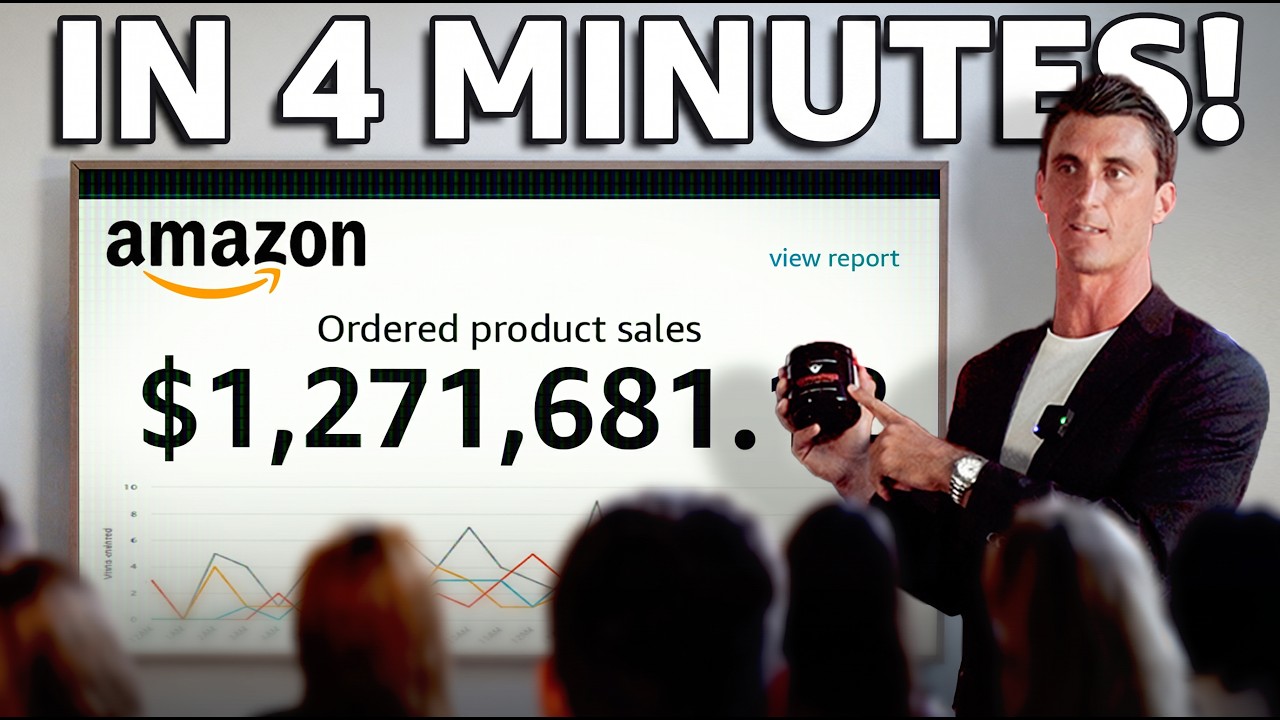
A few years ago, I started an Amazon FBA business almost as a joke. I wanted content for my YouTube channel, so I decided to film myself launching an Amazon FBA product from scratch. What happened next surprised even me. That product went on to generate over a million dollars in sales in a single year, and earlier this year I sold the business for $840,000.
Here is the part most people miss: none of this happened because I got lucky. It happened because Amazon is the biggest e-commerce platform in the world, and last year alone shoppers spent more than $700 billion on that website. When that much money moves through one channel, you do not need to invent demand. You simply need to find where it already exists and position yourself in front of it.
Better still, the process is repeatable. I followed the same five phases that my coaching students follow, and I am going to walk you through every one of them in this article. You will learn how I found the idea, how I sourced a manufacturer, how I built a premium brand, and how I launched in a way that let Amazon’s algorithm do the heavy lifting.
Throughout, you will notice a single thread tying everything together: the Passion Product Formula. That framework is what turns a random product idea into a business worth selling, and by the end of this article you will understand exactly how it works.
- Why Amazon Is Still the Best Place to Start an Online Business
- Find an Idea Using Real Search Data
- Master Niche Branding, the Concept That Changes Everything
- Find a Manufacturer Who Can Bring It to Life
- Build a Premium Brand and Listing
- Launch Hard and Let the Algorithm Compound
- What the Results Actually Looked Like
- How the Passion Product Formula Fits Together
- Start Building Your First Product This Week
- Frequently Asked Questions
Why Amazon Is Still the Best Place to Start an Online Business

When someone opens Amazon, they are not scrolling for entertainment. They are shopping. That single distinction changes everything about how hard you have to work to make a sale. On social platforms, you first have to interrupt someone, then build interest, then create desire, and only then can you ask for the sale. On Amazon, the customer arrives already holding their wallet.
Because of that buying intent, your job shrinks dramatically. Instead of manufacturing demand, you only need to convince a ready buyer that your product is the best option on the page. That is a far easier problem to solve, and it is why Amazon FBA sellers can reach profitability faster than almost any other online business model.
Amazon handles the hard parts
Beyond traffic, Amazon FBA quietly removes most of the operational headaches that sink new e-commerce businesses. Fulfillment, warehousing, shipping, returns, customer service infrastructure, payment processing, and platform trust all come standard. You send inventory to a warehouse, and Amazon handles the rest.
As a result, you get to spend your energy on the two things that actually differentiate a brand: product selection and presentation. Everything else, the logistics that would normally require a team and a warehouse lease, is already built for you.
The barrier to entry is lower than most people assume
I have a coaching student who started with $900. Not $90,000. Nine hundred dollars. He built a supplement company from that starting point, and today that business has done over $4 million in sales. In fact, he is the same person who eventually connected me with the manufacturer I used for my own product.
Stories like his matter because they dismantle the biggest mental block new sellers face. Most people assume they need significant capital, industry connections, or a technical background. In reality, you need a validated idea, a supplier, and the willingness to move quickly.
Find an Idea Using Real Search Data
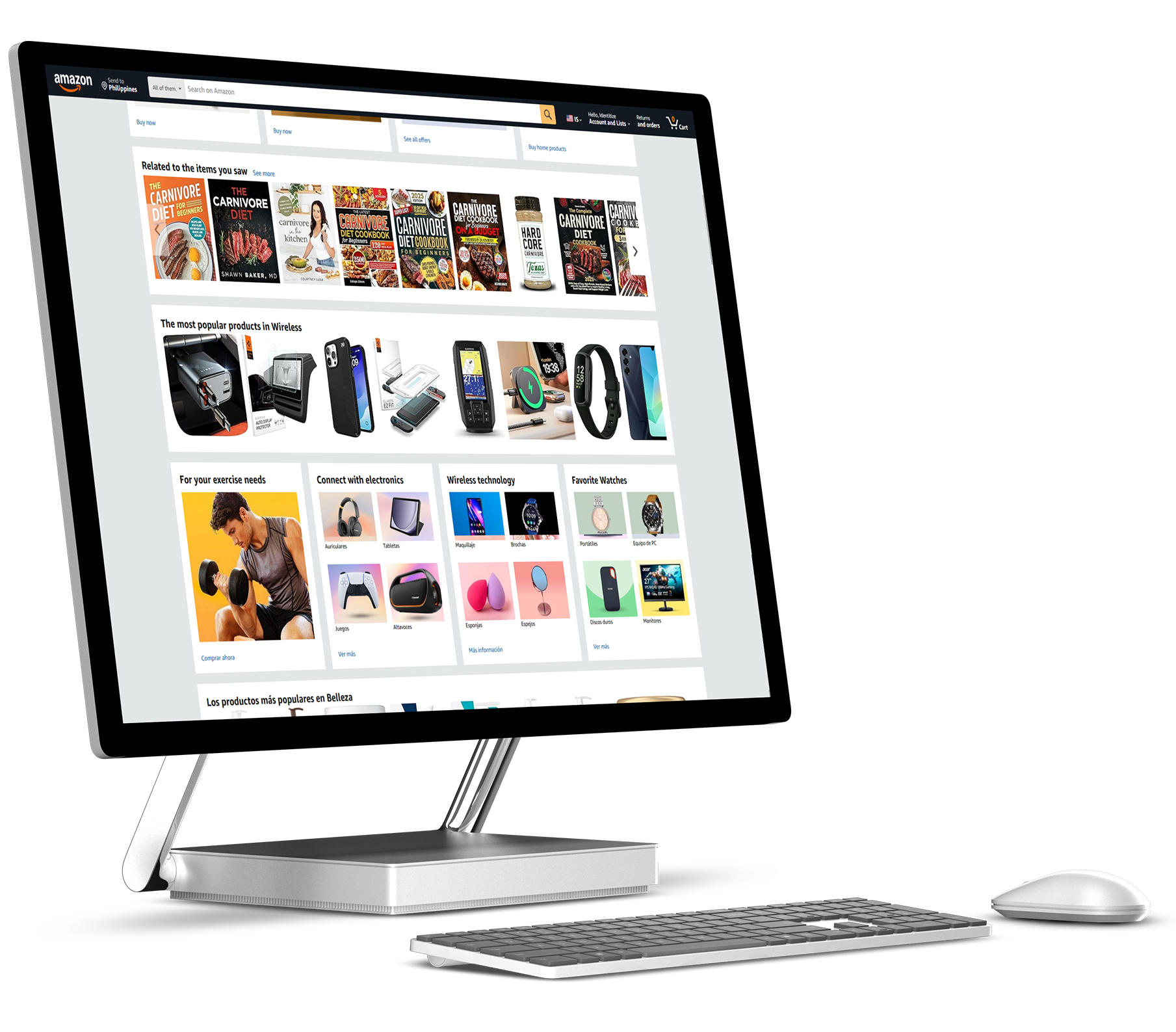
Here is the mental shift that changed my entire approach: Amazon is a search engine. Think about what you actually do when you shop there. You type in what you want, then you look at a list of results and pick one. That is search behavior, not browsing behavior.
Therefore, if you can figure out what people are typing into Amazon, you can sell them the exact thing they are already looking for. You are not guessing at what the market wants. You are reading a live record of what millions of people asked for last month, and then answering that request.
How the carnivore electrolytes idea was discovered

There is a tool called Helium 10 that shows you exactly that data. I was messing around with it one afternoon, and because I happened to be testing the carnivore diet at the time, I typed in “carnivore diet” just to see what came back.
One of the first results stopped me: carnivore electrolytes. The tool showed roughly 2,000 people per month searching for that exact phrase. Curious, I went over to Amazon to see what was already available, and I found that nobody was selling it. Two thousand people were asking for something every single month, and no one had answered.
That was my aha moment. I made the product, I sold it, and the demand was waiting exactly where the data said it would be.
What to look for in a keyword
When you run your own research, three signals matter most. First, look for consistent monthly search volume rather than a single spike, because consistency indicates real ongoing demand instead of a passing trend. Second, examine the listings that already rank. If the top results look generic, poorly photographed, or aimed at nobody in particular, that is an opening.
Third, and most importantly, look for a clearly defined audience behind the keyword. “Electrolytes” describes a product category. “Carnivore electrolytes” describes a person with a specific diet, specific problems, and a specific community.
Why passion matters here

I want to be direct about something. I never would have typed “carnivore diet” into Helium 10 if I had not been personally interested in the carnivore diet. The idea surfaced because I was researching a world I already lived in.
This is the foundation of the Passion Product Formula. Your existing interests give you search terms that other sellers never think to check, along with an instinct for what that audience actually cares about. Passion is not a nice sentiment to include in your brand story. It is a genuine research advantage.
Master Niche Branding, the Concept That Changes Everything

Niche branding is simple to explain and powerful to execute, and it is the single most reliable Amazon FBA strategy I have used. You take a big, proven concept, then you build a premium brand around it for a small, specific group of people. You are not inventing a new category and you are taking a category that already generates enormous revenue and claiming one clearly defined corner of it.
Electrolytes represent a massive, established market with well-funded competitors. Carnivore electrolytes represent a corner of that market where I could be the obvious first choice rather than one of forty options.
Real-world proof it works
I was on Amazon recently and came across a product called Creatine for Women. From what I could tell, that product is doing around a million dollars a month. Creatine itself is one of the most studied, most commoditized supplements on the planet. Yet by narrowing the audience and building a brand specifically for that audience, someone turned a commodity into a seven-figure business.
Similarly, my carnivore electrolytes followed the exact same structure. Big concept, narrow audience, premium positioning. This is a proven model, not a one-off fluke, and you can apply it to almost any category you understand well.
Why specificity beats scale
New sellers often resist niching down because a smaller audience feels like a smaller opportunity. In practice, the opposite is true. Specific products convert at higher rates because the customer feels the product was designed for them personally. Advertising costs drop because your targeting is precise. Loyalty increases because you serve a community rather than a crowd.
Even better, your messaging writes itself. When you know exactly who you are talking to, every image, bullet point, and headline becomes obvious.
How to apply it to your own idea
Try this exercise. On one side of a page, list broad product categories that already move serious volume: supplements, kitchen tools, fitness gear, pet products, home organization. On the other side, list every community you genuinely belong to, whether that is a diet, a sport, a hobby, a profession, or a life stage.
Then look for the overlap. That intersection, where a proven category meets a group you actually understand, is precisely where the Passion Product Formula tells you to build. It combines what you care about with what people are already buying.
Find a Manufacturer Who Can Bring It to Life

Once you have your idea, you need someone to make it. Fortunately, this step is far more straightforward than most people expect. Sites like Alibaba.com connect you with overseas manufacturers, while Thomasnet.com specializes in US-based suppliers.
The process is remarkably simple. You type in what you want to make, and the platform returns a list of companies in the US, in China, and all over the world that can produce it for you. Thousands of manufacturers are actively looking for new clients right now.
The underrated shortcut: your network
For my own product, I did not find my manufacturer on a directory. I found him through a student in my coaching program, the same person who started with $900 and has since done over $4 million. He had already vetted a supplement manufacturer, negotiated terms, and confirmed the quality. He simply connected me.
That referral saved me weeks of sampling and back-and-forth. Communities compress timelines in a way that solo research cannot match, which is one of the most practical arguments for joining a program with an active network behind it.
What to ask suppliers
When you begin conversations, cover a few essentials early. Ask about minimum order quantities so you know what your first purchase will actually cost. Request the sampling process and timeline, because you should always hold the product before committing. Confirm lead times from order to delivery, and verify any certifications your category requires.
Additionally, pay attention to communication quality. A supplier who responds clearly and quickly during the courtship phase will usually behave the same way once money is involved.
Build a Premium Brand and Listing
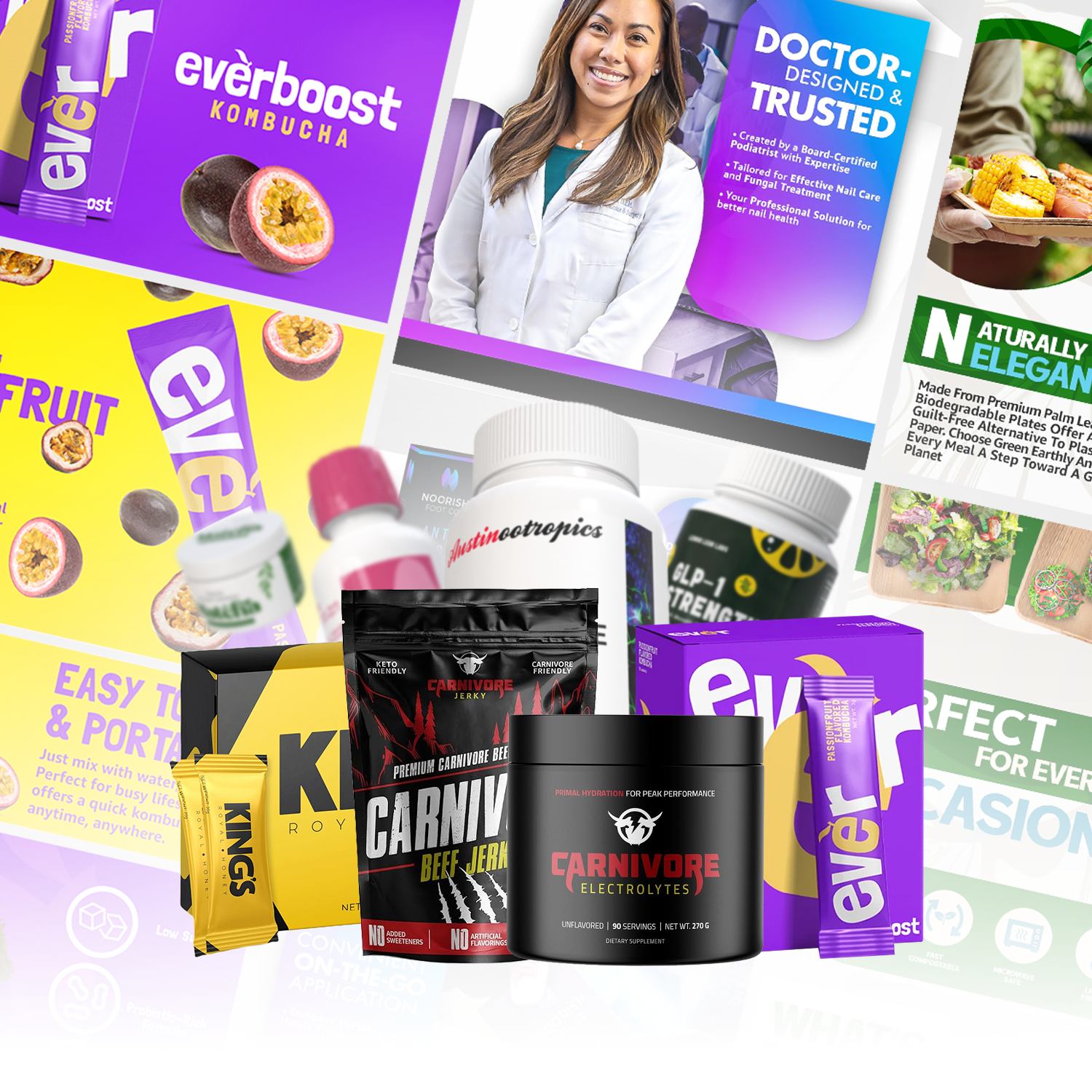
Here is the fundamental challenge with selling on Amazon, and every Amazon FBA seller runs into it. When someone shops in a store, they can pick up your product, feel its weight, read the label, and judge the quality directly. Online, they can do none of that. They are looking at a screen, trying to decide whether to trust you.
Therefore, your listing carries the entire burden of persuasion. Everything the customer believes about your product quality comes from the images, the title, and the bullet points on that page.
The three elements that convey quality
Your images do the heaviest lifting. They should show the product clearly, demonstrate it in use, and communicate benefits visually so that a shopper scrolling quickly still understands what they are looking at. Your title needs to match how people actually search, which means using the keyword research you already completed rather than a clever brand phrase.
Your bullet points should answer objections before the customer consciously forms them. Address the questions that would make someone hesitate, and address them in the order those questions naturally arise.
You do not need to be a designer
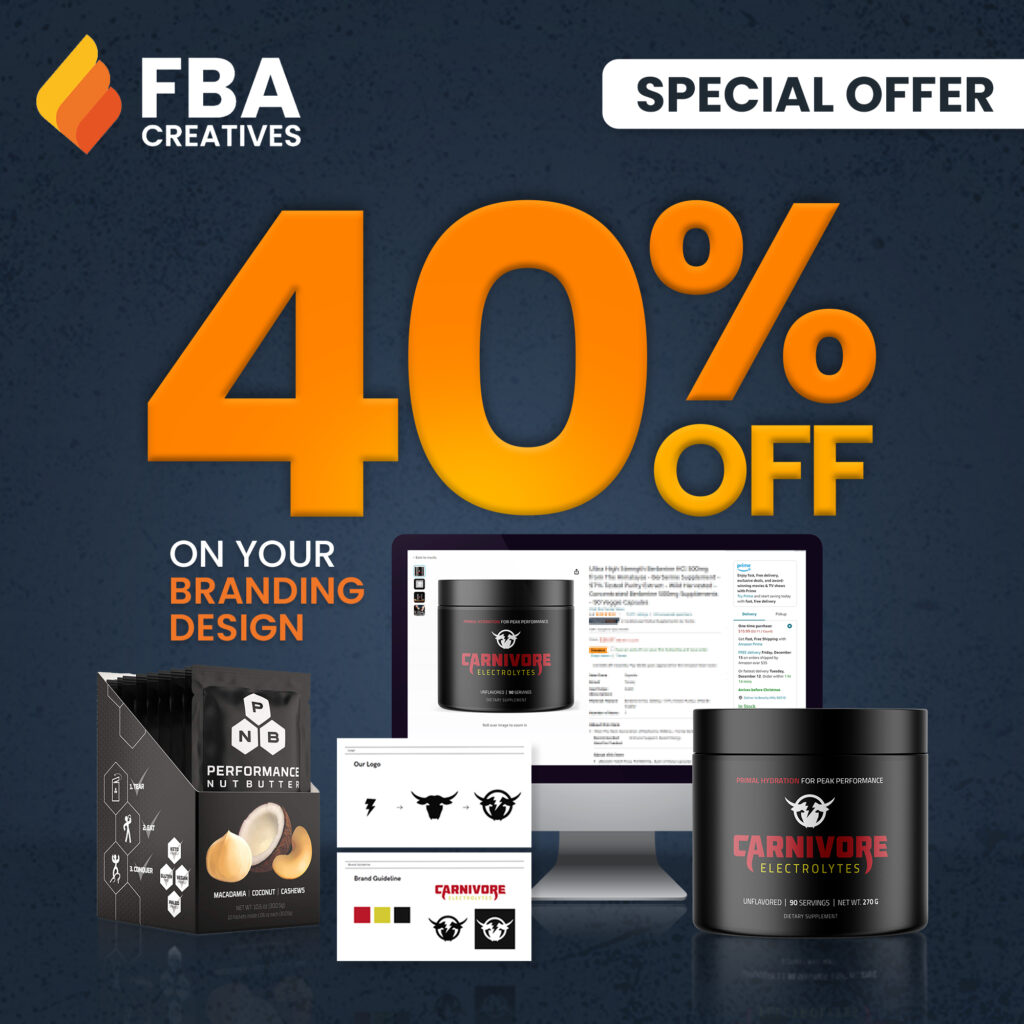
I am not a graphic designer, and I did not become one for this project. I used a service called FBA Creatives to handle the visual assets, and the process was straightforward. That is exactly why I recommend it to students who feel intimidated by the creative side.
On top of that, outsourcing this step keeps you moving. Design is the stage where most first-time sellers stall for months, and momentum matters more than a perfect first draft.
Premium positioning supports premium pricing
There is a direct financial payoff here. Better presentation raises perceived value, and higher perceived value supports a higher price point. A premium listing lets you charge more than a generic competitor selling a nearly identical product.
Ultimately, those margins are what make the business worth building, and later, worth selling.
Launch Hard and Let the Algorithm Compound

The secret to Amazon is getting as many sales as possible from day one. Amazon’s algorithm watches how your product performs immediately after launch, and it uses that early data to decide where you belong in the search results.
As soon as Amazon sees that your Amazon FBA business is generating a bunch of sales, it pushes you toward the top of the search results. That placement is not a reward you earn slowly over years. It is a response to velocity, and velocity is something you can plan for.
The snowball effect explained
From there, the process compounds. Sales drive higher ranking, higher ranking drives more visibility, and more visibility drives more sales. Each cycle strengthens the next one, which is why a strong launch produces results that look disproportionate to the effort involved.
Over time, that snowball is what separates products doing a few thousand a month from products doing six figures. My brand crossed a million dollars in sales within a year precisely because the launch set that cycle in motion.
Launch preparation checklist

Before you go live, get four things in place. Build a warm audience, whether that is an email list, a social following, or a community you already participate in. Complete your listing fully, because sending traffic to a half-finished page wastes your best opportunity.
Confirm your inventory can handle a spike, since running out during a strong launch kills your momentum. Finally, plan your review strategy in advance, because early social proof accelerates everything that follows.
What the Results Actually Looked Like
I built this business in about seven days. That timeline is not exaggerated for effect. From idea to launch, roughly one week passed, and I did it while filming the process for my YouTube channel.
In its strongest year, the brand generated over a million dollars in sales. Earlier this year, I sold the business for $840,000. What started as a content experiment, something I genuinely treated as a joke at first, ended up making far more money than I ever anticipated.
The takeaway
Two lessons stand out. First, speed of execution mattered more than perfect planning. I moved before I felt ready, and the market rewarded that. Every week spent refining an idea in private is a week the idea generates nothing.
Second, an exit is a legitimate goal from day one. Amazon FBA businesses with strong listings, consistent sales, and clean operations sell to buyers regularly. Building with that outcome in mind changes the decisions you make along the way.
How the Passion Product Formula Fits Together
The Passion Product Formula works like this: combine something you are genuinely passionate about with validated Amazon FBA demand, then build a premium brand around that intersection. Every step in this article lives inside that sentence.
My product came from my own interest in the carnivore diet, validated by real search data, and packaged with premium branding. Passion supplied the idea, data confirmed the demand, and branding captured the margin.
Why passion is a business asset, not a distraction
Passion gets dismissed as sentimental advice, but it produces concrete advantages. You already understand the customer because you are one. You know their language, their frustrations, and the specific problems nobody has solved yet. That knowledge would take a competitor months of research to approximate.
Moreover, passion carries you through the unglamorous middle stretch. Every business has a period of supplier delays, listing revisions, and slow days. People building products they care about push through that stretch. People chasing a spreadsheet opportunity usually quit.
What structured guidance adds

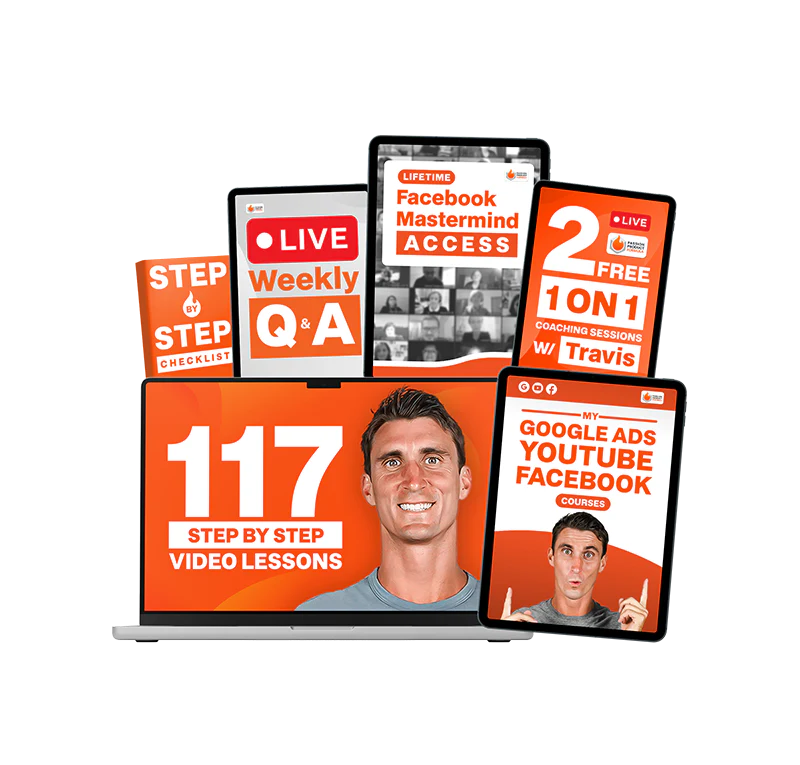
You can absolutely do this alone, though a framework speeds everything up. In my mentorship program, expert coaches help students build a 90-day or even 180-day plan for launching their business. That structure turns a vague ambition into scheduled, specific actions.
The community itself delivers real value too. My manufacturer came from a student referral, and that kind of vetted connection is difficult to replicate through cold outreach.
Common objections answered
If budget concerns you, remember the student who started with $900 and has since crossed $4 million and you have no idea yet, understand that the formula is designed to generate one, since finding the intersection of your interests and real search data is the first exercise, not a prerequisite.
If you worry Amazon FBA is saturated, consider that niche branding exists precisely because broad categories are crowded. Saturation at the category level creates opportunity at the niche level, which is exactly what carnivore electrolytes and creatine for women both prove.
Start Building Your First Product This Week
Let me recap the path. Find an idea using real search data. Apply niche branding to claim a specific audience. Source a manufacturer through directories or your network. Build a premium brand and listing that conveys quality. Then launch hard and let Amazon’s algorithm compound your momentum.
The core insight underneath all five phases is straightforward. Find what people already search for, brand it for a specific group, present it at a premium level, and launch fast enough to trigger the ranking snowball.
If you want help mapping this out for your own idea, I am offering free coaching calls. On that call, we will look at your interests, identify potential niches, and build a personalized 90-day launch plan using the Passion Product Formula.
Honestly, this is a lot easier than you think. I built a million-dollar business in seven days as a YouTube experiment. With a proven framework and coaches who have done it before, you are starting from a much stronger position than I was.
Frequently Asked Questions
How much money do I need to start an Amazon FBA business?
Less than most people assume. One of my students began with $900 and has since generated over $4 million in sales. Your actual starting cost depends on your product category and your supplier’s minimum order quantity, which is why sourcing conversations should happen early in your planning.
Do I need a unique product invention to succeed on Amazon FBA?
No. Niche branding works precisely because you are taking an existing, proven category and building a premium brand for a specific audience within it. Carnivore electrolytes and creatine for women are both established products repositioned for defined groups.
How do I know if there is demand for my product idea?
Use a research tool like Helium 10 to check monthly search volume for your keyword. My product started with roughly 2,000 monthly searches and no existing sellers, which signaled clear demand with an obvious gap. Consistent volume matters more than a single high month.
How long does it take to launch an Amazon product?
I built and launched mine in about seven days, though timelines vary based on manufacturing lead times and sampling. The planning and research phases move as fast as you do, so speed of execution is largely within your control.
Do I need design skills to create a good Amazon listing?
Not at all. I used FBA Creatives to handle my images and listing assets because I am not a designer. Outsourcing this step keeps your launch on schedule and produces a more professional result than most first attempts.
Is Amazon too saturated to start now?
Saturation exists at the broad category level, not the niche level. That is exactly why niche branding works. Shoppers spent over $700 billion on Amazon last year, and new specific audiences emerge constantly as diets, hobbies, and communities grow.
Can I really sell an Amazon business later?
Yes. I sold mine for $840,000. Buyers actively look for Amazon brands with consistent sales, strong listings, and clean operations, so building toward an exit from the beginning is a realistic strategy.