
Let’s address the elephant in the room: everyone’s talking about how TikTok Shop is oversaturated, how AI has ruined everything, and how Chinese manufacturers have made competition impossible. If you’ve been sitting on the sidelines watching other sellers rake in profits while convincing yourself you’ve missed the boat, you’re not alone. However, what if everything you’ve heard is wrong? What if 2026 is actually the best time to start selling on TikTok Shop?
The numbers tell a compelling story that contradicts the doom-and-gloom narrative. Right now, over 150 million active users scroll through TikTok in the US alone, spending an average of 95 minutes daily on the platform. TikTok Shop generated $15.1 billion in US sales last year, representing a staggering 68% increase from the previous year. Perhaps most importantly, 97% of TikTok Shop buyers also use Amazon, which means every sale you make on TikTok can snowball into even more sales on Amazon through what’s known as the flywheel method.
Travis Marziani, who has generated over $10 million in e-commerce sales across more than a decade, recently pulled in over $170,000 in revenue and $80,000 in profit from a single brand on TikTok Shop in just one month. These aren’t hypothetical numbers or best-case scenarios, they’re real results happening right now in 2026. Nevertheless, five major concerns keep aspiring sellers from taking action: oversaturation, Chinese competition, AI disruption, startup costs, and the belief that they’ve simply missed their window of opportunity.
Before diving into these concerns and ranking exactly how worried you should be about each one, understanding how TikTok Shop fundamentally differs from other e-commerce platforms becomes crucial. Moreover, grasping this difference will illuminate why the Passion Product Formula works so effectively on TikTok Shop and why combining it with Amazon creates an unstoppable growth engine for your business.
How TikTok Shop Actually Works
Before diving into concerns and solutions, understanding the fundamental mechanics of TikTok Shop proves essential. It operates completely differently from Amazon. When you shop on Amazon, you already know what you want to buy. You type your search query, browse through options, and compare features and prices. Then you make your purchase. This represents intent-based shopping at its core, purposeful, deliberate, and calculated.
TikTok flips this entire model on its head. People don’t open TikTok because they need to buy something. Instead, they’re scrolling through their feed at 11 PM, seeking entertainment, distraction, or connection. Suddenly, they encounter a product demonstration that captures their attention. It showcases a problem they didn’t know they had. It presents an irresistible solution. Before they even process what’s happening, they’ve made a purchase. This discovery-based shopping model taps into impulse buying behavior in ways traditional e-commerce platforms simply cannot match.
This distinction creates unprecedented opportunities. No other platform in history allows one video to blow up organically and generate hundreds of thousands of dollars in sales overnight. You don’t spend a single dollar on advertising. The viral nature of TikTok’s algorithm, combined with the Shop feature, creates magic. Exceptional products with compelling demonstrations can reach millions of potential customers through organic discovery. You avoid expensive paid traffic campaigns entirely.
Consequently, all those impressive TikTok Shop sales numbers come from third-party sellers. These are people just like you who are leveraging the platform’s unique dynamics to build profitable brands. The barrier to entry remains remarkably low compared to traditional retail. Yet the potential upside rivals what was possible during the early days of Amazon FBA. Understanding this framework changes everything about how you approach the opportunity.
Oversaturation
Let’s address the elephant in the room without sugarcoating reality. Yes, some categories on TikTok Shop have become incredibly crowded and competitive. If you’re planning to sell cheap, generic products with no branding, no story, and no differentiation, your worry level should legitimately sit at 10 out of 10. Frankly, it’s too late for anyone attempting to build a business around boring, commoditized products. Anyone can source these from AliExpress or Alibaba.
This particularly applies to the drop shipping method that many beginners gravitate toward. You find a random product on AliExpress, mark up the price, and hope for the best. With this approach, you maintain zero control over product quality, shipping times, or customer experience. Furthermore, nothing prevents a thousand other sellers from discovering the same product. They’ll undercut your price until profit margins evaporate completely. That business model has reached its expiration date on TikTok Shop.
However, the picture transforms dramatically when you shift your strategy toward creating passion products with niche branding. Suddenly, your worry level drops from a 10 to approximately a 3 out of 10. The secret lies in finding products that serve specific audiences with specific needs. These are products that no one else is selling yet. Why? Because they haven’t identified the opportunity or taken action to fill the gap.
Consider this real-world example: thousands of dog brushes saturate TikTok Shop. This creates what appears to be an impossible market to enter. Yet when Travis noticed people specifically searching for golden retriever dog brushes, he discovered that no products specifically targeted this niche. He looked on Amazon and TikTok. Nothing existed. He created a golden retriever-specific brush for less than $750. It generated $2,500 in revenue during just the second month of selling online. The product itself wasn’t revolutionary. He simply took an existing category and niched it down to serve a specific audience with specific needs. This made it different from all the generic alternatives flooding the market.
The Strategic Advantage
This strategy unlocks a crucial advantage. When you find a TikTok creator who specializes in golden retriever content, they can authentically promote your specific product. They reach an engaged audience that actually cares about golden retriever solutions. Meanwhile, your competitors remain stuck trying to convince generic dog owners that their brush works for all breeds. This results in watered-down messaging that resonates with no one strongly enough to drive sales.
Therefore, the bottom line becomes clear. If you’re selling generic products, yes, the market is oversaturated. You should be concerned. However, if you develop something specific for a specific audience, the door remains wide open. The opportunity is substantial. The Passion Product Formula teaches you exactly how to identify these untapped niches. You’ll learn how to create products that stand out in crowded markets.
China Competition
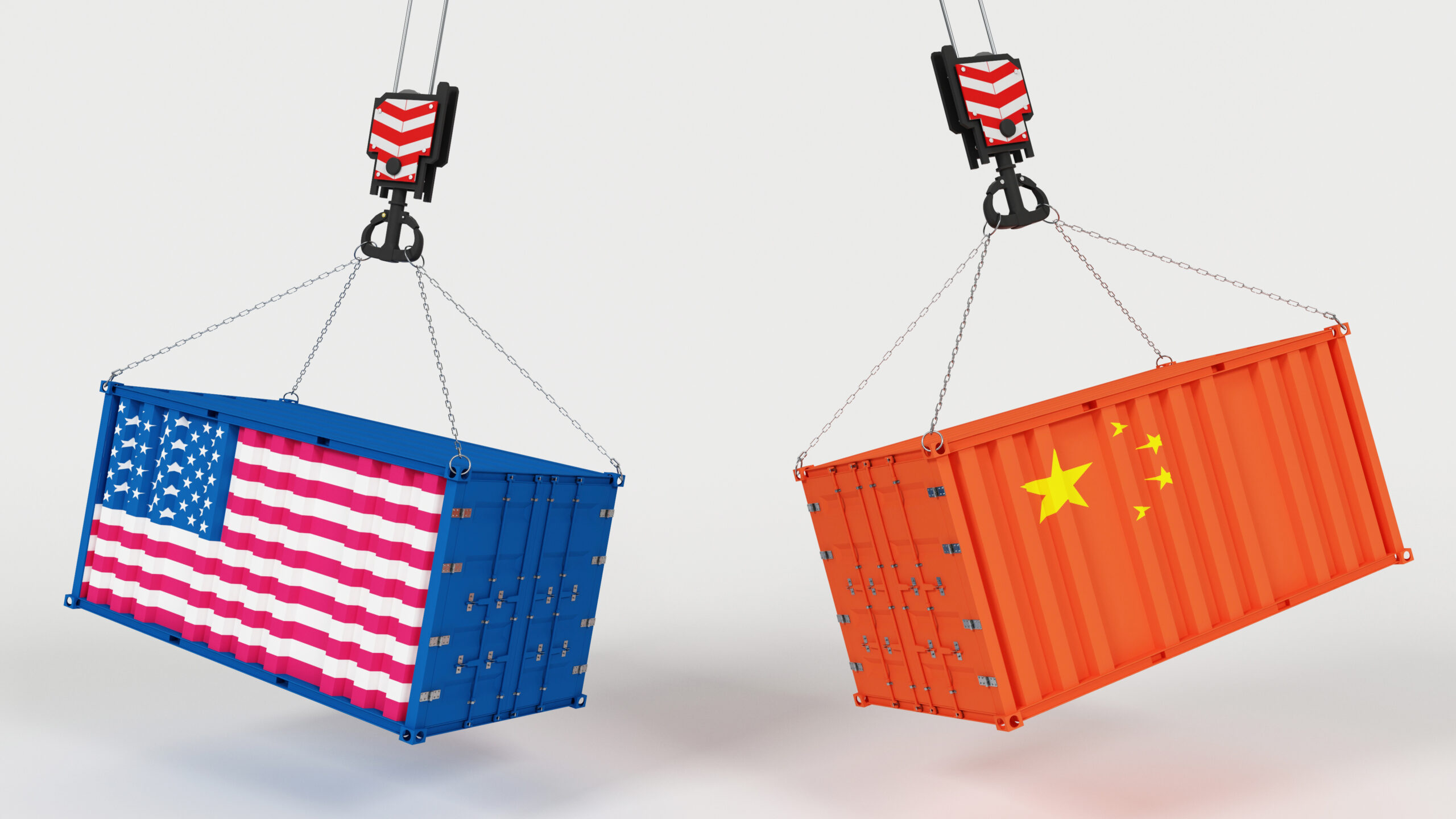
For years, one concern loomed larger than any other for American e-commerce sellers: direct competition from Chinese factories. Until recently, these manufacturers could ship products directly to US customers for almost nothing. They exploited a loophole called the de minimis rule. Under this regulation, any product shipped from China valued under $800 remained exempt from tariffs and import duties. This created a massively unfair competitive advantage.
This meant that a factory in China could sell a product directly to a customer in the United States. They could completely skip all the fees, taxes, and duties that American sellers were required to pay. Unsurprisingly, they could undercut American sellers on price while maintaining healthy profit margins. This exact strategy fueled the explosive growth of companies like Temu and Shein. They leveraged the loophole to offer impossibly low prices that traditional retailers couldn’t match.
Many aspiring sellers witnessed this dynamic and concluded they couldn’t possibly compete. These were massive, well-funded Chinese operations. The perception that Chinese competition made TikTok Shop and e-commerce generally impossible for small American sellers became widespread. Consequently, countless entrepreneurs abandoned their dreams before even attempting to launch. They believed the game was rigged against them from the start.
Nevertheless, the landscape has fundamentally shifted in ways that most people haven’t realized yet. The de minimis exemption has been eliminated. This means those Chinese factories now must pay the same tariffs and import duties that everyone else pays when shipping to American customers. Combined with China tariffs currently sitting at 20 to 30%, the cost of shipping directly from China has increased dramatically. This effectively neutralizes the price advantage Chinese manufacturers previously enjoyed.
Updated Worry Levels
If you’re still planning to sell cheap, generic products, your worry level should remain around 8 out of 10. These are the exact same items that Chinese manufacturers can produce at scale. You’ll still be competing primarily on price. Even with the eliminated loophole, Chinese factories maintain cost advantages through sheer production volume. They have efficiency that individual sellers cannot match.
However, this worry level drops to essentially zero if you have your own unique passion product or niche-branded product. These serve a specific audience with specific needs. Chinese factories excel at mass-producing generic items. But they struggle to create authentic, story-driven brands that resonate with particular communities. Your competitive advantage comes from branding, storytelling, and customer relationships. You’re serving niche markets that large manufacturers consider too small to bother with.
Moreover, American consumers increasingly value products created by American entrepreneurs. These sellers understand their needs, speak their language, and build genuine communities around their brands. This cultural connection represents something that no factory in China can replicate. It doesn’t matter how efficient their manufacturing or how low their pricing. The playing field has leveled considerably. Strategic sellers now possess advantages that transcend pure manufacturing cost comparisons.
Content Creation & AI
Perhaps the biggest misconception preventing people from starting on TikTok Shop centers on content creation. Many aspiring sellers believe that launching a TikTok Shop requires them to personally create content. They think they need to become an influencer. They think they need to learn trending dances. Essentially, they believe they must transform into a social media personality. This fundamental misunderstanding stops thousands of potential sellers before they even begin. It creates an unnecessary barrier based on completely inaccurate assumptions about how the platform actually works.
Fortunately, the reality operates completely differently. The TikTok Shop model doesn’t require you to make content yourself at all. Instead, you find influencers who already excel at creating engaging content for their audiences. Then you provide them with a percentage of every sale they generate. This commission-based partnership model costs you virtually nothing upfront. Sometimes you’ll send a free product sample. That’s typically the extent of your initial investment.
Furthermore, you should specifically target micro-niche influencers with approximately 5,000 to 10,000 followers. These creators are often willing to promote products for free upfront. They earn money only when they actually generate sales. They’re actively seeking products to feature because product demonstrations and reviews form the core of their content strategy. By partnering with them, you tap into their established audiences. You leverage their content creation skills. You benefit from their credibility with their followers. All of this happens without spending thousands on advertising or learning video editing yourself.
Additionally, if you do want to create some content yourself to supplement influencer partnerships, AI tools have made this process remarkably accessible. You can use AI to generate viral content ideas and create video scripts. You can design thumbnails and even reach out to influencers at scale. The technology continues advancing rapidly. This makes content creation easier than ever before for those who want to be involved without becoming full-time content creators themselves.
The Triple Win Explained
This creator partnership model creates what business strategists call a “win-win-win” scenario. All three parties benefit substantially from the arrangement. You win because you’re generating sales without needing to become a content creator or influencer yourself. The content creator wins because they’re making money from their content beyond just ad revenue or sponsorships. The customers win because they discover great products that genuinely solve their problems or enhance their lives. These are products they might never have found through traditional shopping channels.
Consequently, if you believe you must create all your own content and become an influencer, your worry level should legitimately be 8 to 10 out of 10. That would be extremely challenging and time-consuming. However, the actual worry level sits at approximately 2 out of 10. This accounts only for the effort required to find and reach out to influencers or potentially create some AI-assisted content. The Passion Product Formula provides done-for-you templates for influencer outreach and AI content strategies. These eliminate most of the guesswork, making this process even more straightforward for beginners.
Startup Costs

When most people consider launching an e-commerce business, their minds immediately jump to substantial financial requirements. They think about thousands of dollars for initial inventory orders and worry about professional product photography. They consider comprehensive branding packages. Perhaps they even think they need a full team of virtual assistants or employees to manage operations. These perceived barriers prevent many aspiring entrepreneurs from ever taking the first step toward building their business. They create a false ceiling based on outdated assumptions about what launching a product actually requires.
Interestingly, TikTok actively incentivizes new sellers to join their platform by reducing the financial barriers that traditionally exist in e-commerce. The platform covers half of all shipping costs for new sellers. This dramatically reduces one of the largest operational expenses. They co-sponsor discounts, meaning TikTok pays out of their own budget to make your products more attractive to buyers. This doesn’t cut into your margins. If you launch a product through their Product Opportunities tab, they’ll give you a boost in traffic completely for free. This essentially provides the kind of visibility that would cost thousands in advertising on other platforms.
Beyond TikTok’s built-in incentives, strategic entrepreneurs can launch products with zero dollars upfront. They leverage crowdfunding platforms like Kickstarter or Indiegogo. Travis shares a powerful example from his Amazon FBA program. One student worked as a bartender and didn’t have significant capital to invest in inventory. He developed an idea for a product called Cocktail Cards. It was a genius concept. But he lacked the funds to manufacture it and bring it to market.
Rather than abandoning his dream or taking on risky debt, he launched a Kickstarter campaign. He raised over $100,000 in pre-sales before spending any money on production. This approach not only validated that real customer demand existed for his product. It also generated more than enough capital to fund manufacturing, shipping, and every other aspect of starting his business. You can implement the exact same strategy. Use customer pre-orders to fund your initial inventory. Eliminate financial risk almost entirely.
Worry Level Assessment
Given these realities, the worry level for startup costs should sit at approximately 3 out of 10. This is significantly lower than most people realize. The combination of TikTok’s seller incentives, crowdfunding options, and strategic launch methods means you don’t need thousands of dollars saved up before starting. Moreover, free resources exist to guide you through the process. These include one-on-one strategy calls with Travis or someone from his team at absolutely no cost. They’ll provide you with a step-by-step plan for creating your product. You’ll learn how to launch your business without breaking the bank.
“Is It Too Late?”

This question cuts to the heart of every aspiring seller’s concerns. The answer depends entirely on your approach. Without a proper plan or proven strategy, yes, it’s too late to sell on TikTok Shop. You’ll be competing blindly against sellers who understand the platform dynamics. They have established influencer relationships. They know how to leverage the algorithms in their favor. However, with the flywheel method that Travis has developed and refined, 2026 might actually represent the best time you could possibly start building your e-commerce business.
The flywheel method operates on a simple but powerful principle. You create a product and sell it simultaneously on both Amazon and TikTok Shop. This allows each platform to feed growth on the other in an ever-accelerating cycle. When you generate sales through TikTok Shop, some percentage of those buyers will search for your product on Amazon. They do this to read reviews, compare prices, or simply because they prefer Amazon’s checkout process and shipping experience. These additional sales improve your Amazon ranking.
As your Amazon ranking climbs higher in search results, you naturally attract more organic sales. Amazon customers discover your product through their regular browsing and searching behavior. This increased visibility and sales volume means more people overall become aware of your product and brand. Consequently, more TikTok creators discover your product. They see its success signals. They want to promote it to their audiences. More creators making content about your product drives additional TikTok Shop sales. This sends more buyers to Amazon. Rankings improve further. This attracts more creators. The cycle continues accelerating.
This self-reinforcing growth engine represents the fundamental difference between sellers who struggle and those who thrive in today’s e-commerce landscape. Instead of relying on a single platform or traffic source, you’re building momentum across multiple channels that compound each other’s effectiveness. The beauty of this method lies in its sustainability. You’re not dependent on paid advertising that stops working the moment you stop spending. You’re not vulnerable to algorithm changes on a single platform that could devastate your business overnight.
Critical Success Factors

However, the flywheel method only works if you pick the right product and execute the strategy correctly. This isn’t a “spray and pray” approach where you can launch random products and hope something sticks. You need to identify products that serve specific niches. They must solve real problems. They must stand out from generic competition. You need to understand how to optimize your listings for both platforms. and know how to approach influencer partnerships strategically. You need to time your launches for maximum impact. Travis’s completely free course available on YouTube covers everything you need to know about implementing this method successfully. It requires nothing more than your time and attention. No email signup, no credit card and no hidden costs whatsoever.
The Complete Passion Product Formula
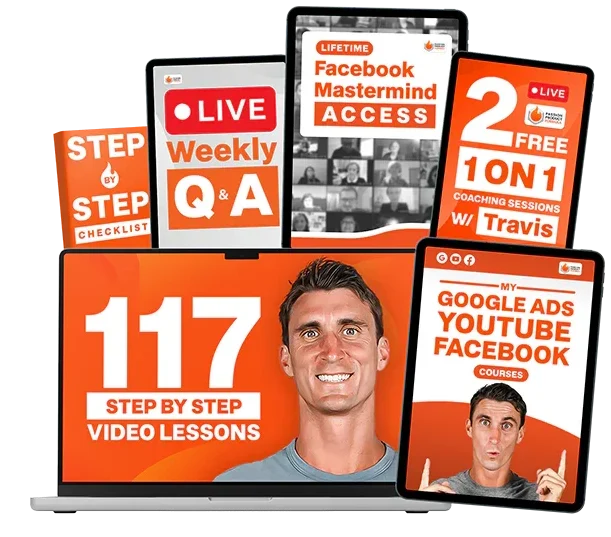
The Passion Product Formula provides aspiring entrepreneurs with a comprehensive roadmap for building profitable e-commerce brands. It uses the exact strategies that have generated millions in sales across thousands of student success stories. The free YouTube course covers product research methodologies that help you identify untapped opportunities before they become saturated. It includes launch strategies specifically designed for the TikTok Shop and Amazon flywheel approach. You’ll learn influencer partnership frameworks that enable you to scale content creation without becoming a creator yourself.
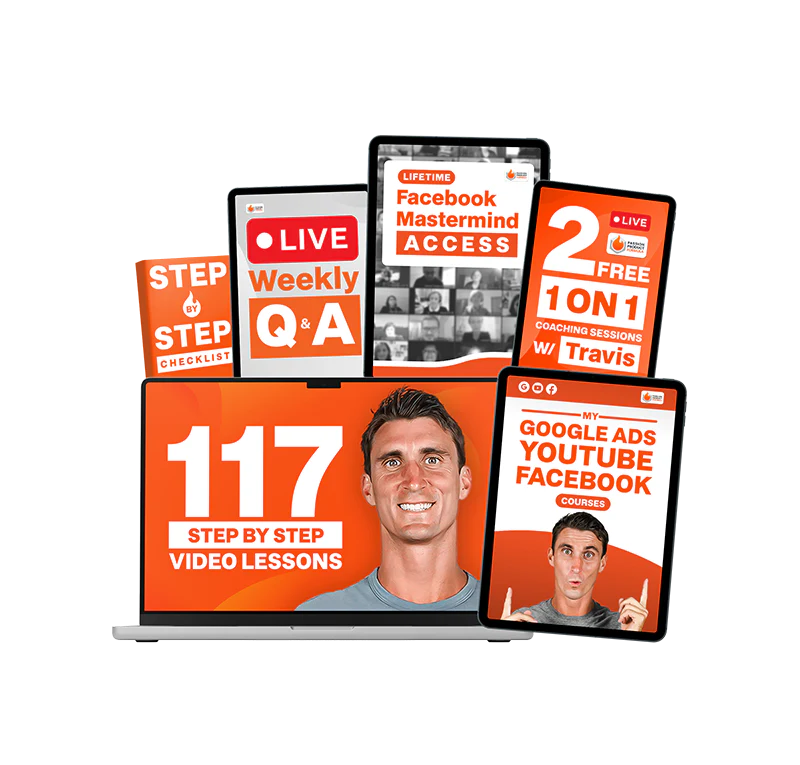
For those ready to accelerate their success beyond what’s possible through self-study alone, the Accelerator Program takes you from zero knowledge all the way to launching a successful brand. You’ll build on both Amazon and TikTok Shop. This comprehensive program includes step-by-step implementation guidance. You get ongoing support and coaching and gain access to a community of fellow entrepreneurs building their brands. You receive direct accountability to ensure you take action rather than just consuming information. The program eliminates the trial-and-error phase that causes most entrepreneurs to give up before seeing results. It compresses years of learning into months of focused execution.
Several converging factors make 2026 the optimal time to implement this strategy. They create a unique window of opportunity that won’t last forever. The closure of the de minimis loophole has leveled the playing field against Chinese competition in ways that didn’t exist even a year ago. TikTok continues offering unprecedented seller incentives as they aggressively grow their Shop platform. They’re essentially subsidizing new sellers’ success. The flywheel effect between TikTok and Amazon has become more pronounced. Consumers increasingly research products across multiple platforms before purchasing. This creates natural synergies you can exploit.
Most importantly, while awareness of TikTok Shop as an opportunity has grown, the vast majority of potential sellers remain paralyzed. They’re stuck on the exact concerns we’ve addressed in this article and wait for the “perfect time” that will never come. They’re convinced they’ve missed the boat and intimidated by misconceptions about what success actually requires. This hesitation creates space for decisive entrepreneurs who understand the reality of the opportunity. They take action while others remain frozen by fear. The question isn’t whether the opportunity exists, the data proves it unequivocally. The question is whether you’ll seize it before the window closes.
Your Path Forward on TikTok Shop in 2026
The difference between aspiring entrepreneurs and successful business owners comes down to decisive action. It’s not about endless research and planning. Start by watching Travis’s completely free course on YouTube. It requires no email signup or payment information. Just your time and attention. This course walks you through the entire flywheel method. You’ll learn product research. You’ll understand launch execution. It gives you the foundational knowledge you need to move forward confidently.
Next, apply for a free strategy call with Travis or someone from his team if you believe you might benefit from personalized guidance. Not everyone who applies will qualify for these calls. They’re reserved for serious individuals who are committed to taking action. They’re not for tire-kickers seeking free advice they won’t implement. During this call, you’ll receive a customized step-by-step plan for creating your own product and launching your business. It’s completely free of charge. If you seem like a strong fit and you’re ready to accelerate your success, they’ll explain how the Accelerator Program can help you. You’ll avoid costly mistakes. You’ll compress your timeline to profitability.
Looking back at the five major concerns that prevent sellers from starting, the actual worry levels tell a very different story than the perceived fears. For oversaturation: generic products warrant a 10 out of 10 concern. Niche-specific products drop that to just 3 out of 10. Regarding China competition: generic products still face an 8 out of 10 threat. Unique passion products face essentially zero meaningful competition. For content creation: if you believe you must do everything yourself, the worry is 8 out of 10. The reality of the partnership model brings that down to just 2 out of 10. Startup costs legitimately merit only a 3 out of 10 concern given all the incentives and funding options available. Finally, the fear of being “too late” sits at 10 out of 10 without a plan. It drops to nearly zero when you implement the proven flywheel method.
The opportunity remains real, quantifiable, and accessible to anyone willing to learn the strategy and take consistent action. The barriers have actually lowered compared to previous years, not increased. The proven systems and frameworks exist. This eliminates the need to reinvent the wheel or figure everything out through expensive trial and error. The only variable that remains is your commitment to following through and building the business you’ve been dreaming about. Travis’s success with over $10 million in e-commerce sales proves the model works. His students’ success stories validate that the teaching methods effectively transfer knowledge into results. 2026 can be your year to build a profitable e-commerce brand. You just need to decide today to stop waiting and start building.
Frequently Asked Questions
Do I need to show my face on TikTok to sell products?
No, you don’t need to show your face or create any content yourself. The TikTok Shop model works through partnerships with content creators. They promote your products in exchange for commissions. You find micro-influencers in your niche who already create content for engaged audiences. You send them your product. They handle all the filming and posting. Your role focuses on product development, influencer outreach, and business management. You don’t need to become a TikTok personality yourself.
How much money do I realistically need to start selling on TikTok Shop?
You can start with as little as zero dollars using crowdfunding platforms like Kickstarter or Indiegogo. These validate your product idea and fund initial inventory through pre-sales. If you’re funding it yourself, most passion products can be created for under $1,000. This is especially true when you leverage TikTok’s seller incentives like subsidized shipping and free traffic boosts. The key is starting with one focused product rather than attempting to build an entire catalog immediately.
Won’t AI and automation make TikTok Shop too competitive?
AI actually gives you an advantage rather than creating competition. While others worry about AI-generated content flooding the platform, you can use AI tools to scale your influencer outreach. You can generate content ideas, optimize your listings and automate repetitive tasks. The real differentiation comes from your unique product positioning and branding. AI cannot replicate this. Generic sellers will struggle regardless of their tools. Strategic sellers will use AI to move faster and more efficiently.
What if TikTok gets banned in the United States?
This concern has persisted for years. Yet TikTok continues growing its user base and Shop platform. More importantly, the flywheel method protects you specifically because you’re building simultaneously on Amazon. You’re not relying solely on TikTok. Even if TikTok disappeared tomorrow, your Amazon presence would remain. All the sales momentum and rankings you’ve built would stay intact. The dual-platform strategy provides resilience that single-channel sellers don’t have.
How long does it take to see results using the flywheel method?
Results vary based on product selection, execution quality, and market conditions. Travis’s students typically see their first sales within 30-60 days of launching. The flywheel effect compounds over time. This means your second month should outperform your first. Your third should outperform your second. And so on. Travis himself generated $2,500 in the second month with his golden retriever brush example. Then he scaled from there. The key is getting started and allowing the compounding effect to work. Don’t expect overnight success.
Can I do this while working a full-time job?
Absolutely. Many successful sellers start while maintaining their day jobs. They work evenings and weekends to build their businesses. The influencer partnership model is particularly suited to part-time entrepreneurs. Why? Because creators handle content production while you focus on business operations. These can be done on your own schedule. As your business grows and becomes profitable, you can decide whether to transition to full-time entrepreneurship. Or you can continue running it as a side income stream.