
I have tested nearly every ecommerce business model over the past ten years. In that time, I have generated more than $10 million across a long list of experiments. Some of them printed money. Others quietly drained my bank account. Either way, I now know which models hold up and which ones only look good in a thumbnail.
So today I am ranking every major e-commerce model from F tier to S tier. I will give you the real pros and cons of each one. To be clear, this ranking is updated specifically for 2026. The landscape has shifted fast over the past two years, and what worked in 2021 does not automatically work now.
Here is the part that will surprise you. This channel is known for Amazon FBA, and FBA is what I teach. Even so, I am not putting it in S tier. I am putting it in A tier. Exactly one model earns S tier in 2026, and I am saving it for the end.
Above all, I want you to leave with a framework rather than a hot take. Once you understand why each model ranks where it does, you can evaluate any new opportunity yourself. Let’s get into it.
- The 2026 E-Commerce Tier List at a Glance
- D Tier: Shopify Dropshipping
- D Tier: Wholesale
- The Middleman Problem
- C Tier: Print on Demand
- B Tier: Retail Arbitrage
- B Tier: Amazon KDP
- A Tier: Amazon FBA
- A Tier: TikTok Shop
- S Tier: The Flywheel Method
- Where the Passion Product Formula Fits
- Your Next Move in 2026
- Frequently Asked Questions
- What is the best e-commerce business model in 2026?
- Is Amazon FBA still worth it in 2026?
- How much money do I need to start Amazon FBA?
- Is dropshipping dead in 2026?
- Can I sell on Amazon and TikTok Shop at the same time?
- Is print on demand profitable?
- What is the difference between niche branding and a passion product?
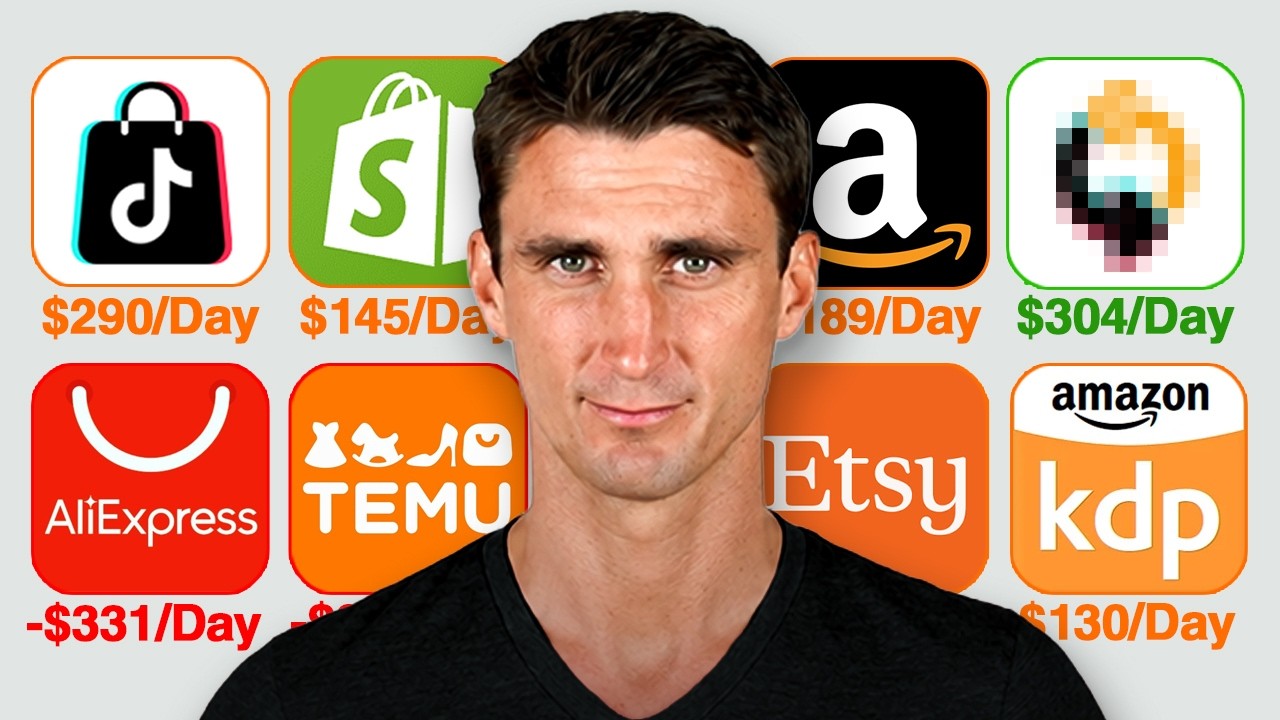
The 2026 E-Commerce Tier List at a Glance

First, here is the entire ranking in one place. Screenshot this section, then come back for the reasoning behind each placement.
S tier: The Flywheel Method, which means Amazon plus TikTok Shop with your own brand.
A tier: Amazon FBA and TikTok Shop.
B tier: Retail arbitrage and Amazon KDP.
C tier: Print on demand.
D tier: Shopify dropshipping and wholesale.
I ranked these on three factors: profit ceiling, defensibility, and startup cost. In other words, I asked three questions. How much money can you realistically make and how easily can a competitor copy you? How much cash do you need to start?
Notice that hype is not on that list. A model can dominate social media and still land in D tier. With that in mind, let’s start at the bottom and work our way up.
D Tier: Shopify Dropshipping
Dropshipping lands in D tier, and I know that will frustrate people. Every YouTuber loves talking about it. The pitch sounds perfect: no inventory, no upfront cost, and a store you can launch this weekend. Unfortunately, that heavy promotion is exactly the problem. Thousands of new stores launch every single week, so the model is oversaturated.
Three structural problems deserve a mention. First, you do not own the product. Someone else manufactures it, and someone else can sell it to your competitor tomorrow. Second, nobody knows your website exists. Every visitor has to be purchased through advertising. Third, most people who buy online in 2026 simply buy from Amazon. Convincing a stranger to trust an unfamiliar Shopify store is hard when Amazon sits one tab away.
That said, I will give this ecommerce business model its credit. Dropshipping remains roughly a $500 billion market, so money clearly moves through it. More usefully, it works as a low-risk sandbox. You learn how ad accounts run, how customers behave, and how a funnel converts. Best of all, you learn it without buying inventory.
Consequently, treat dropshipping as a training ground rather than a destination. Learn the mechanics and keep your losses small. Then graduate to a model where you own something.
D Tier: Wholesale

Wholesale also lands in D tier. To be fair, people absolutely do make money with it. The model is straightforward. You open a wholesale account with a brand and buy their products in bulk at a discount. Then you resell them on Amazon at retail price. The spread is your profit.
The math looks incredible on paper. I recently found a camping table available at $17.17 with a wholesale discount. That same camping table sells on Amazon for $89.99. Buy in bulk, flip it, and pocket the difference. Naturally, your first instinct is to order a thousand of them.
However, that spread attracts everyone else too. Wholesale research tools are widely available now. As a result, other sellers find the same opportunity, list the same item, and grind the margin down. You can try to protect yourself with an exclusivity agreement, and occasionally that works. Most companies will not sign one, though.
Even when they do, a longer-term risk remains. The brand eventually sees how much revenue you pull on Amazon. Then they realize they can capture that margin themselves. They list the product directly, and your business evaporates through no fault of your own.
The Middleman Problem
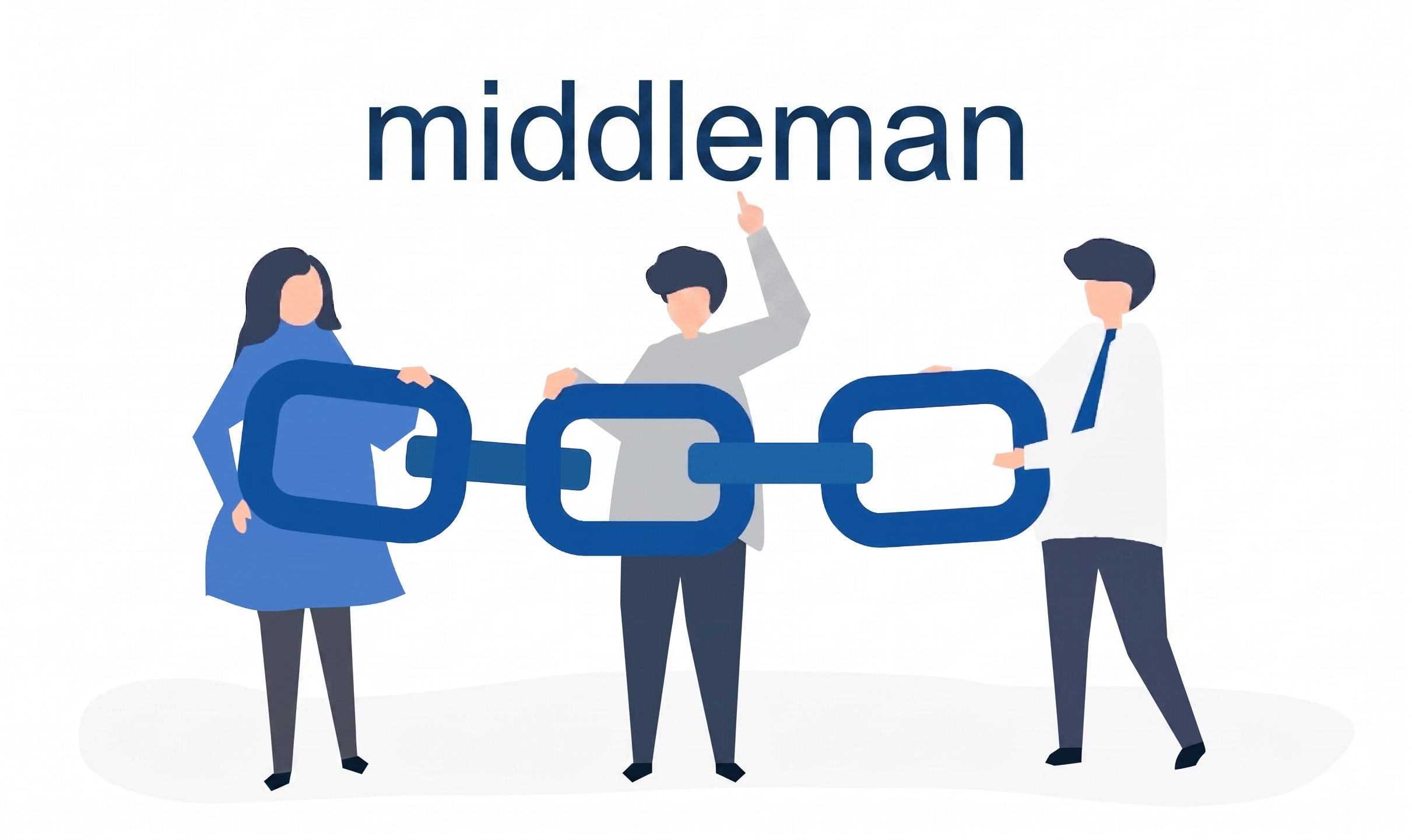
By now you may have spotted a pattern. Dropshipping, wholesale, and retail arbitrage all place you in the same fragile position. The chain looks like this: manufacturer, then you, then customer. You are the link in the middle.
Being the middle link works fine until one end decides you are unnecessary. The manufacturer has every incentive to remove you, because your margin is their margin. Meanwhile, the customer feels no loyalty to you. They were never buying from you. They were buying a product that passed through your hands.
Brand ownership solves this problem cleanly. You still do not manufacture anything yourself. You can still use suppliers and third-party logistics partners. The difference is control. You own the listing, the packaging, the customer relationship, and the intellectual property. Nobody else can legally sell your product, because it is yours.
This is precisely why I teach niche branding and the passion product approach. Therefore, ask one question about every remaining model on this list. At the end of five years, what do you actually own?
C Tier: Print on Demand
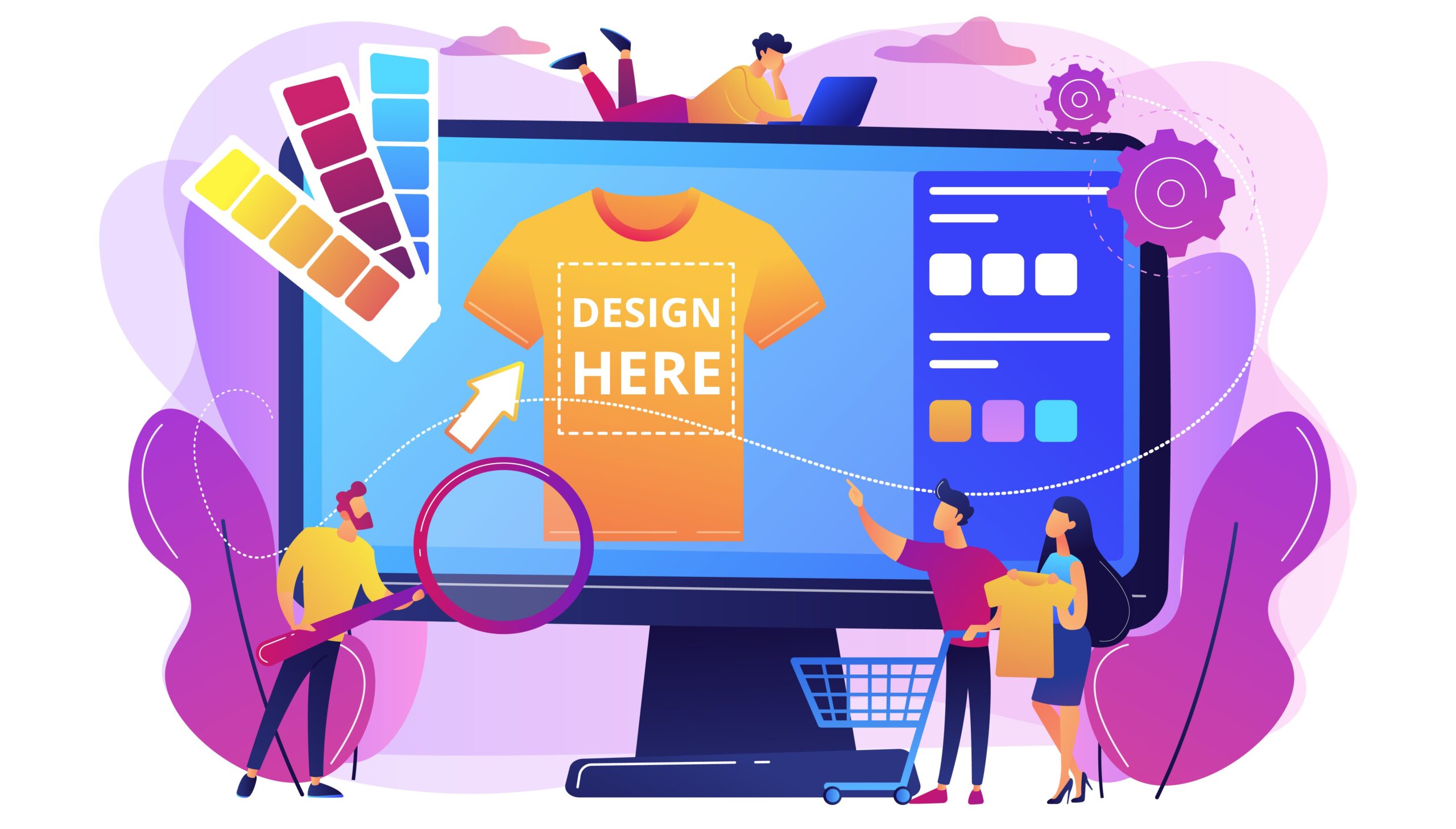
Print on demand earns C tier. That puts it above the pure middleman models but below where most people expect. The industry generated over $10 billion last year. It should clear $13 billion this year, and forecasts put it near $57 billion by 2033. Clearly, real demand exists for custom apparel and merchandise.
The model itself is elegant. You create a design, upload it, and a partner company prints it onto a shirt or a hat. Printing only happens after a customer orders. As a result, you hold zero inventory and risk almost nothing upfront. For creative people who hate logistics, that combination sounds ideal.
Here is the catch, though. Print on demand is not really a design business. It is a marketing business wearing a design costume. Uploading a great graphic does nothing on its own. Instead, you run heavy social campaigns or pay for ads to sell thin-margin products. I have watched a lot of people try this, and most of them quit.
Admittedly, the picture changes when you already have an audience. Merchandise then becomes a profitable add-on rather than a cold-start problem. Still, I run in a lot of entrepreneur circles. I have never met someone who became a millionaire through print on demand alone. Treat it as a revenue stream, not a foundation.
B Tier: Retail Arbitrage
Retail arbitrage jumps up to B tier. It is one of the fastest ways to make actual cash as a beginner. The concept is simple. You buy discounted products in the physical world, then resell them on Amazon at full price. I recently found a patio heater marked down to $139.99. That same heater sells on Amazon for close to $700.
What I appreciate most is the tiny barrier to entry. You can start with one product. Take the profit and buy two. Take that profit and buy five. Keep compounding, and within a year you can move a hundred units at a time. Along the way, you learn Seller Central, FBA prep, and fee structures without risking a large order.
However, that same simplicity creates the ceiling. If a deal is easy for you to find, hundreds of other sellers will find it too. You also stay permanently on a treadmill. Every dollar of profit requires you to hunt down a new deal. Meanwhile, you build no brand equity and no repeat customer base.
Ultimately, retail arbitrage works well for quick cash and poorly for lasting wealth. Use it to fund your first real product, then move on.
B Tier: Amazon KDP
Amazon KDP used to sit in C tier. I am officially moving it up to B tier for 2026, and the reason is AI. Producing a useful, well-structured book once took months of writing. Now the research, outlining, and drafting move dramatically faster when you use AI as a collaborator.
The money here is real. Thousands of KDP authors earn $50,000, $100,000, or more per year from their catalogs. Amazon will pay out over a billion dollars to KDP authors this year alone. That is not a rounding error. Most e-commerce people ignore this category entirely because it involves no physical inventory.
Granted, the honest caveat matters. A large share of that billion goes to established authors with famous titles. Do not expect one first book to change your life. On top of that, there are clear right and wrong ways to approach this. Flooding the store with low-quality AI output gets you nowhere, and Amazon spots it easily now.
Nevertheless, KDP gives you a genuine asset. That is especially true if you enjoy writing or hold real expertise in a niche. Books sell for years, they build authority, and they cost nothing to keep in stock.
A Tier: Amazon FBA
Now we reach A tier, starting with Amazon FBA. The market case here is almost absurd. Shoppers will spend over $900 billion on Amazon in 2026. The company itself is valued at roughly $2 trillion. More than 300 million customers visit the platform every single day. Amazon built the largest retail machine in history, then let people like you and me sell on it. So sell where people already buy.
The FBA part is what makes this scale. FBA stands for Fulfilled by Amazon, and the process is simple. You buy products in bulk and ship them into an Amazon fulfillment center. Amazon then picks, packs, and ships every order. As a result, the business becomes relatively passive once it runs. You chase no customers, because Amazon already has hundreds of millions of Prime members. You pack no boxes either.
Of course, that convenience is not free. Let me show you real numbers instead of vague warnings. I started an Amazon business in seven days and documented the whole thing on YouTube. It did over $1.3 million in sales, but revenue is not profit. Amazon’s 15% selling fee cost me hundreds of thousands of dollars. Pick and pack fees and other charges cost hundreds of thousands more. Even so, the business cleared over $500,000 in profit, and I later sold it for $840,000.
So why only A tier? Because success depends entirely on how you sell. There are right and wrong ways to approach Amazon. The sellers who win consistently build niche brands or passion products instead of chasing commodities. Done correctly, FBA is one of the easiest real businesses to start. Done carelessly, it becomes an expensive education.
Want the full strategy walked through with you? I opened a few free spots to speak with someone on my team. They will explain our entire Amazon approach at no cost. Then they will tell you whether our mentorship accelerator fits your situation. It is a conversation, not a hard pitch. Click the link below to apply.
A Tier: TikTok Shop
TikTok Shop takes the second A tier slot. Right now, it is the fastest-growing opportunity in e-commerce. The platform has over 170 million users in the United States and more than a billion globally. TikTok Shop should generate over $23 billion in sales this year. That represents a 68% jump from the $15 billion it did last year. Growth curves like that do not stay open forever.
Most people approach it the wrong way, though. They sign up as affiliates and promote other sellers’ products for a commission. Once again, that puts you in the middle of the chain. You do the creative work and build the audience trust. Someone else keeps the brand equity and most of the margin.
The better approach is one almost nobody talks about. Create your own product and list it on TikTok Shop yourself. Then recruit a small army of affiliates to create content promoting it. Suddenly the dynamic flips. Dozens of creators produce videos on your behalf, and you pay them only when they generate sales. Best of all, you keep the brand and the bulk of the profit.
So far, two models sit at A tier. Each has a serious strength and a real limitation. But what happens when you stop treating them as competing options?
S Tier: The Flywheel Method

That combination is the S tier model, and I call it the Flywheel Method. It works because of one statistic. Fully 97% of TikTok users also have an Amazon account. In other words, your TikTok audience and your Amazon customers are the same people. The two platforms therefore stop competing and start feeding each other.
Here is how the loop runs. First, you create your own branded product. Next, influencers and affiliates create content about it on TikTok. Some viewers buy immediately through TikTok Shop. Others search for the product on Amazon instead. Those Amazon purchases push your keyword ranking higher. Higher rankings mean more organic sales from people who never saw the video. Then new customers post their own content, which feeds fresh creative back into the loop.
This is why the flywheel beats either platform alone. You pull demand from two sources instead of one. Crucially, each channel improves the other rather than splitting your budget. Best of all, you own the brand at the center. The system compounds into a sellable asset instead of a side hustle.
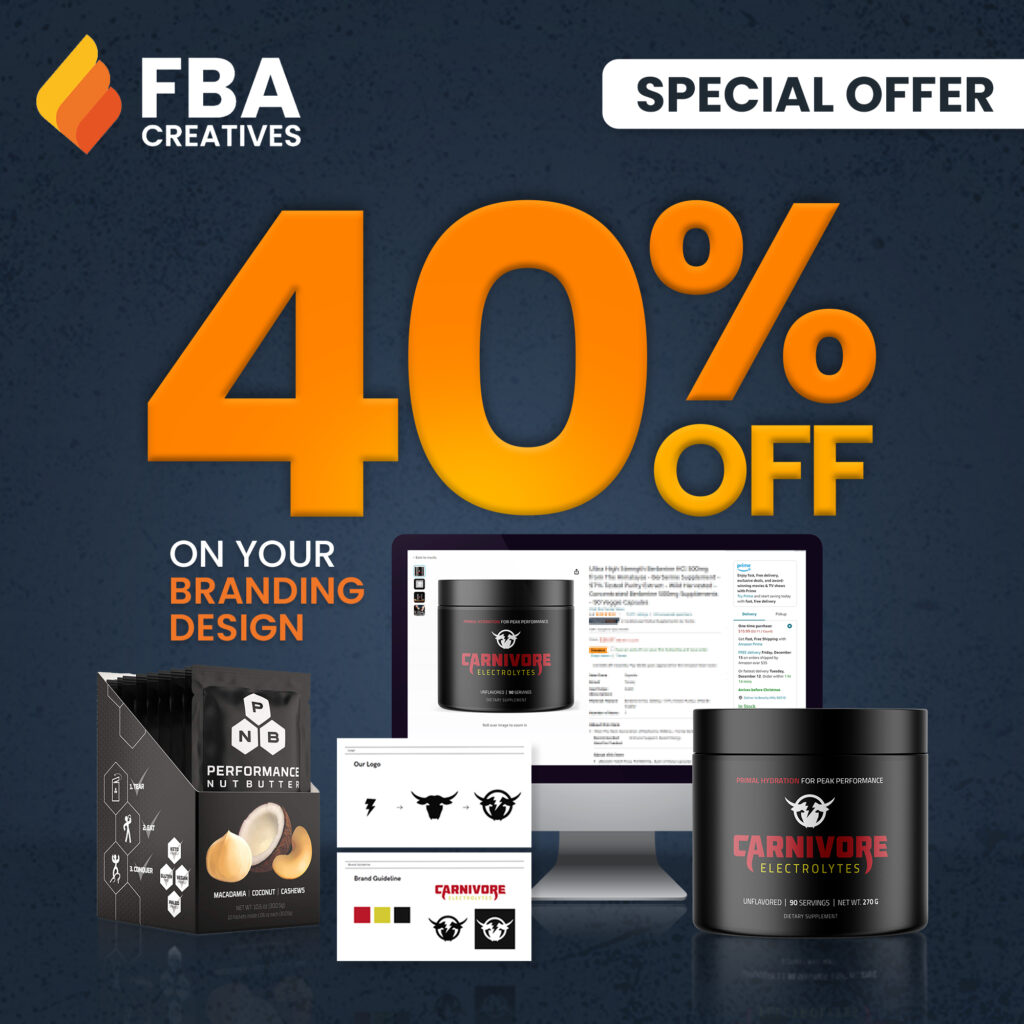
I know this works because I lived it. Carnivore Electrolytes generated over a million dollars for me. I launched it in seven days and documented the whole build publicly. People deserve to see the process, not just the result.
Where the Passion Product Formula Fits
Look back across the tier list. One variable explains almost every placement. The D and C tier models fail for the same reason: you own nothing, so anyone can replace you. The A and S tier models win for the same reason: you own the brand and the customer. Your effort compounds instead of resetting.
The Passion Product Formula gets you to that ownership position directly. You stop hunting for whatever product a software tool likes this week. Instead, you build in a category you genuinely understand. You identify a customer whose problem you already know. Then you create a product that solves it better than what sits on the shelf today.
That matters commercially, not just emotionally. Remember, the flywheel runs on content. Content requires you to speak about your customer’s problem convincingly, over and over, for years. Producing that gets exhausting when you picked a random product for its margin. It gets easy when you actually live in the niche. Passion is not a feel-good detail here. It is the fuel.
Whether you choose niche branding or a true passion product, the endpoint is identical. You become the brand owner and you do not need a factory, a warehouse, or a huge budget. You need one product, one clear customer, and a system for reaching them on both Amazon and TikTok.
Your Next Move in 2026

Let’s recap quickly. Dropshipping and wholesale sit at D tier, because you remain a replaceable middleman. Print on demand takes C tier, since the marketing burden outweighs the creative upside. Retail arbitrage and KDP earn B tier as legitimate ways to generate early cash. Amazon FBA and TikTok Shop both deserve A tier. The Flywheel Method takes S tier, because it combines both channels around a brand you own.
If you remember one idea from this article, make it this one. Ownership beats arbitrage, and combining channels beats picking one. Every model that struggles here struggles because of missing ownership. Every model that wins wins because you kept it.
Now here is my honest encouragement. I built a $1.3 million product in seven days. I built Carnivore Electrolytes in seven days as well. Neither launch was perfect, and that is exactly the point. Speed and iteration beat analysis every time. Pick your direction and move.
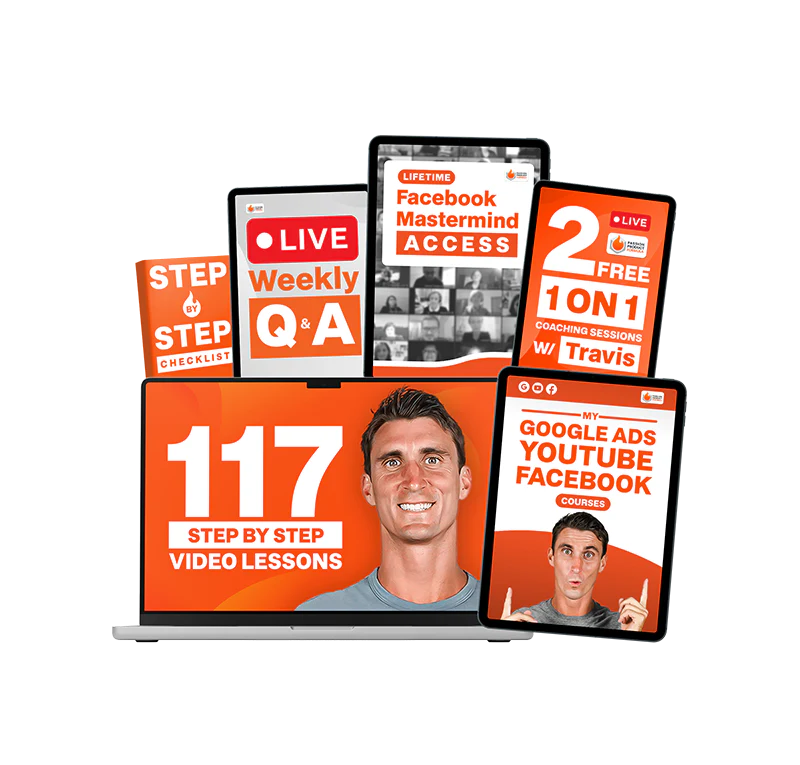
Want the complete step-by-step process for creating your own branded product? I built a program that walks you through it. Inside, you get weekly small-group coaching calls. You also get one-on-one time with my top coaches, including AJ, who went through the program himself. On top of that, you get a full library of screen-recorded lessons at your own pace. Click the link below to apply for a free call. Alternatively, watch the video where I break down that $1.3 million, seven-day product build.
Frequently Asked Questions
What is the best e-commerce business model in 2026?
The Flywheel Method takes the top spot. You create your own branded product, then sell it on both Amazon and TikTok Shop. Each channel amplifies the other. Because 97% of TikTok users also have Amazon accounts, content on one platform drives sales on the other. Those Amazon sales then improve your keyword ranking.
Is Amazon FBA still worth it in 2026?
Yes, provided you go in with realistic expectations about fees. Amazon charges a 15% referral fee plus pick and pack charges, and those costs add up quickly. Even so, shoppers will spend over $900 billion on the platform this year. My own seven-day FBA build still cleared over $500,000 in profit after every fee.
How much money do I need to start Amazon FBA?
Less than most people assume, especially if you start with retail arbitrage. Begin by flipping a single discounted product. Then reinvest that profit into two, then five, then a hundred. Once you have cash flow and a working knowledge of Seller Central, transition into launching your own branded product.
Is dropshipping dead in 2026?
Dropshipping is not dead, but it is a D tier model. The market still moves roughly $500 billion annually, so money clearly flows through it. The difficulty is saturation. Advertising costs consume most of the margin, and shoppers overwhelmingly prefer buying from Amazon over an unfamiliar store.
Can I sell on Amazon and TikTok Shop at the same time?
Absolutely, and that is the entire point of the Flywheel Method. Do not treat the platforms as an either-or decision. Affiliates create content on TikTok, and customers buy wherever they prefer. Your Amazon sales then lift your organic ranking, which produces extra sales you never paid to acquire.
Is print on demand profitable?
It can be profitable at a small scale, particularly when you already have an audience. The challenge is thin margins combined with paid traffic costs. I have never met anyone who became a millionaire through print on demand alone. Treat it as a supplementary income stream instead.
What is the difference between niche branding and a passion product?
Both approaches make you the brand owner, which separates the top tiers from everything below. Niche branding focuses on entering a specific underserved category with a differentiated product. A passion product starts from something you personally care about and understand deeply. That knowledge makes the ongoing content work far easier to sustain.