
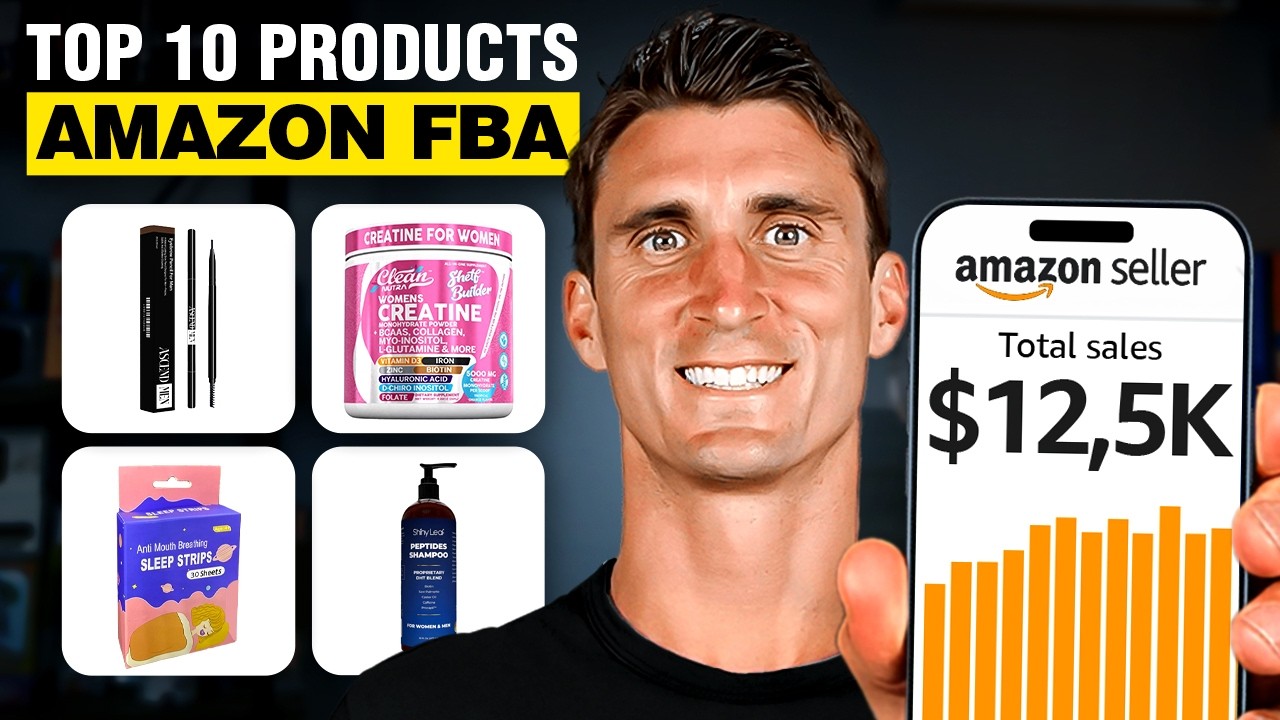
Everywhere you look, someone insists that Amazon FBA product is finished. They claim the platform is too saturated, the margins are too thin, and the window closed years ago. Yet the search data tells a completely different story, and once you see the numbers behind these ten Amazon FBA product ideas, that argument falls apart entirely.
These aren’t recycled ideas pulled from a generic list. Instead, these are the exact opportunities shared inside the Passion Product coaching program every single week, and they’re being released publicly for the first time. Each one comes with real search volume and a realistic revenue ceiling, ranging from a $30,000 per month opening all the way up to multiple million-dollar-per-month categories.
Better yet, you don’t need permission to use any of them. You can take an idea straight off this list, brand it, and launch it yourself. Several of these opportunities are so wide open that Travis has publicly said he’ll launch them himself if nobody else claims them in the next few months.
Before we count down, however, you need to understand the one principle that connects all ten. Without it, these are just products. With it, they become brands.
- Why Niche Branding Beats Competing on Price
- The 10 Product Ideas
- Portable Hotel Door Lock ($50K/month)
- Rodent Repellent ($335K/month)
- Creatine for Teenage Boys ($30K/month)
- Creatine for Women Over 40 and 50 ($50K/month)
- Mouth Tape for Women ($100K/month)
- A Supplement Brand for Menopausal Women ($1M+/month)
- Niched-Down Electrolyte Powder ($100K/month)
- Ashwagandha for Women ($100K/month)
- Makeup for Men ($1M+/month)
- Peptides and Peptide-Adjacent Products ($1M+/month)
- The Pattern Behind All 10 Ideas
- A Quick Note for International Sellers
- How to Turn One of These Ideas Into a Real Product
- Book Your Free Strategy Call
- It's Not Too Late – The Window Is Wider Than You Think
- Frequently Asked Questions
Why Niche Branding Beats Competing on Price

Most new sellers approach Amazon backwards. They find an Amazon FBA product that’s already selling well, then try to win by being cheaper, faster, or slightly more feature-packed. Consequently, they end up in a race to the bottom against sellers with deeper pockets and better supply chains. That’s not a business. That’s a treadmill.
The winning approach flips this entirely. Rather than competing inside a crowded category, you take a proven, high-demand category and niche it down to a specific person. People don’t want the generic version of anything. They want the product that feels like it was made for them, and they will consistently pay more for that feeling.
Travis proved this with carnivore electrolytes. Electrolytes represent a massive, established category with enormous competition. Instead of fighting for scraps, he branded a product specifically for people following the carnivore diet. He created and launched the entire thing in just seven days. The result: over $1 million in revenue, more than $500,000 in profit, and an eventual sale of the business for $840,000 in under two years.
That’s the framework behind every single idea below. Take something proven, then make it undeniably perfect for one specific group. With that in mind, let’s count down.
The 10 Product Ideas
With that framework locked in, here’s the countdown. Each idea below follows the same structure so you can evaluate them consistently: the product itself, the real search data behind it, why the opportunity exists, how you’d differentiate, and the realistic revenue ceiling. Read them in order if you can, because the list deliberately climbs from solid five-figure opportunities up to genuine million-dollar-per-month categories, and the reasoning compounds as you go.
Before you dive in, though, set your expectations correctly. None of these are secret products nobody has heard of, and that’s entirely the point. Every one of them sits inside a category with proven, existing demand which means you’re not gambling on whether people want the thing. You’re simply claiming a specific audience that current sellers have ignored. Consequently, the “hard part” of product research is already handled for you. What remains is execution, and that’s a far better problem to have.
Portable Hotel Door Lock ($50K/month)
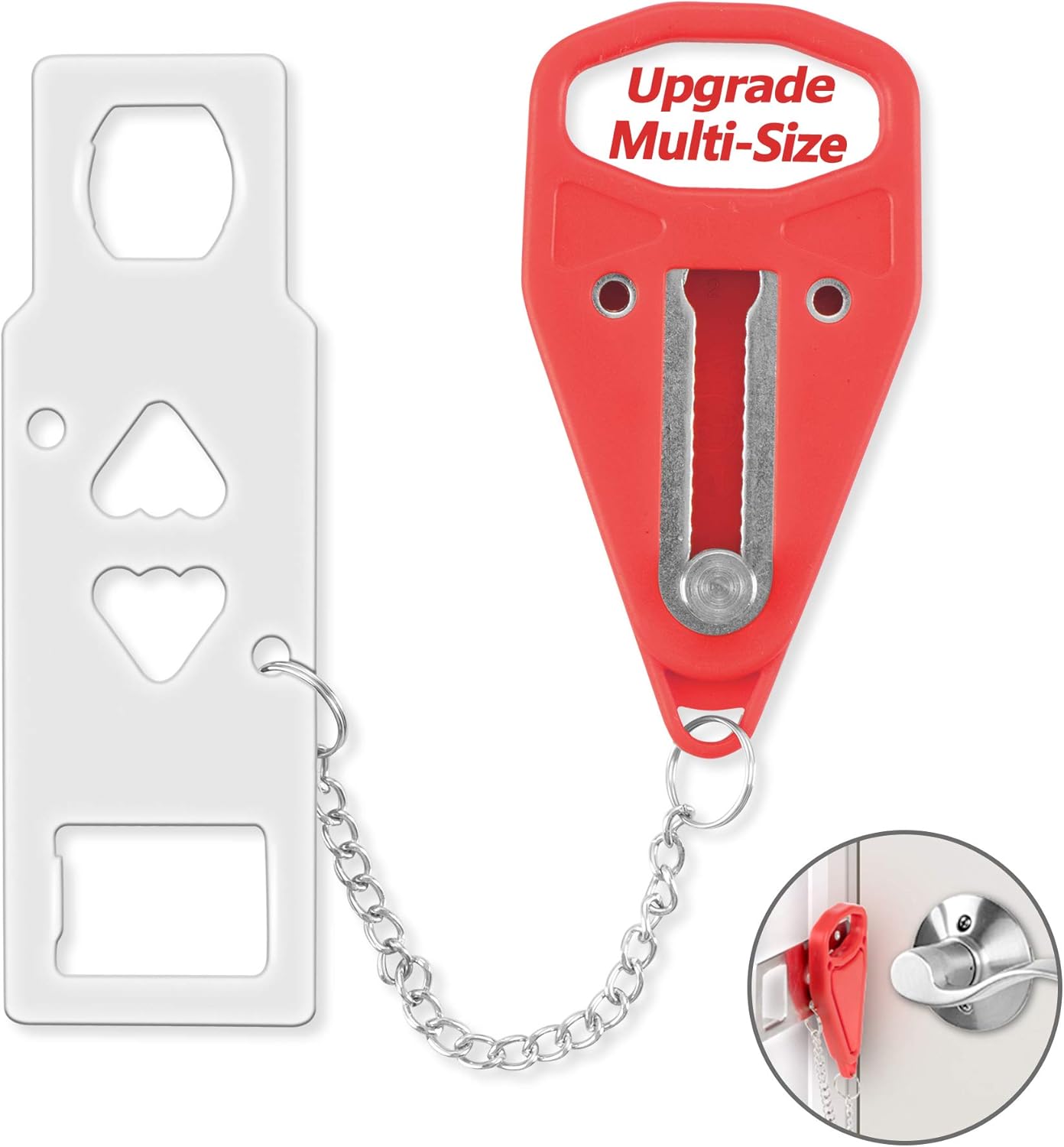
Travel security devices lock a hotel door from the inside, giving travelers peace of mind in unfamiliar places. Right now, plenty of these products already sell on Amazon, so a surface-level glance might suggest the category is handled.
Look closer, though, and the gap becomes obvious. Over 11,000 people per month search for travel security door locks, yet nobody has actually branded a product as a travel door lock. The listings are generic hardware, marketed as generic hardware.
Therefore, the opportunity is positioning. Niche this product down to solo travelers, and especially to women traveling alone, and you have a brand rather than a commodity. Add packaging, messaging, and imagery that speak directly to that community.
Do that well, and this simple Amazon FBA product can realistically produce $50,000 per month.
Rodent Repellent ($335K/month)
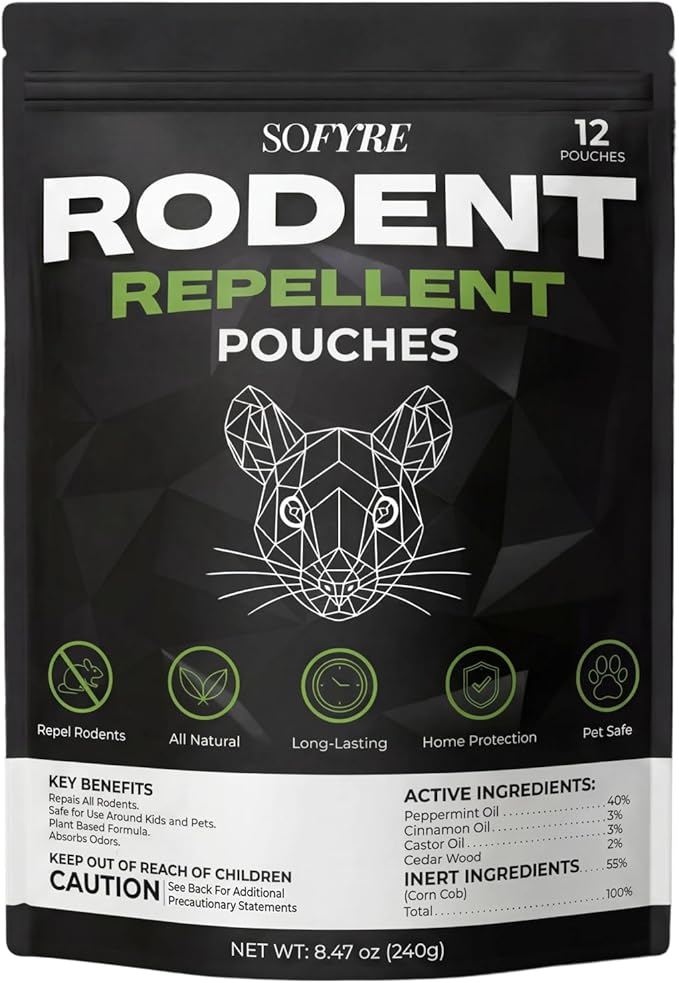
This one requires almost no imagination, because the market has already validated itself. There’s a rodent repellent product on Amazon currently generating roughly $335,000 per month in sales.
Here’s the remarkable part: it only holds a three-star rating. Customers are buying it in enormous volume while simultaneously telling the world it isn’t very good.
Consequently, your entire Amazon FBA product research process is already done for you. Read the negative reviews, identify exactly what customers hate, and build a version that fixes those specific complaints.
That’s the whole play. Solve the stated problems, launch a genuinely better product, and take a meaningful share of a $335,000 per month market.
Creatine for Teenage Boys ($30K/month)
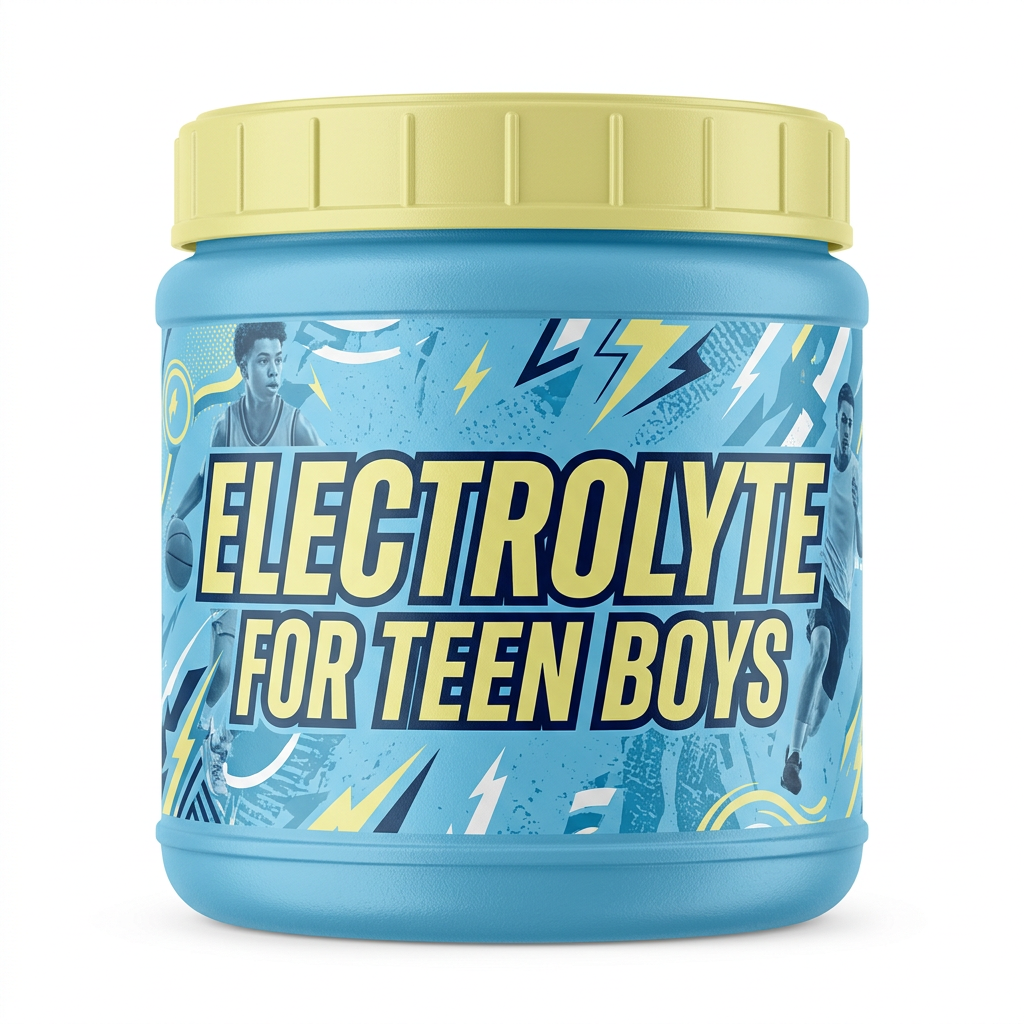
Creatine ranks among the most scientifically proven supplements in existence. The research is solid, the category is enormous, and demand keeps climbing year after year.
Naturally, that also means the general creatine market is brutally competitive. Competing head-on against established supplement brands would be a mistake.
Instead, niche it. Over 600 people per month search specifically for creatine for teenage boys, and no brand has stepped up to own that search. Parents and young athletes are actively looking for a product formulated and marketed for that age group, and they’re finding nothing purpose-built.
Formulate it for that audience, brand it for that audience, and you’re looking at a $30,000 per month for this Amazon FBA product built on top of an already-proven ingredient.
Creatine for Women Over 40 and 50 ($50K/month)
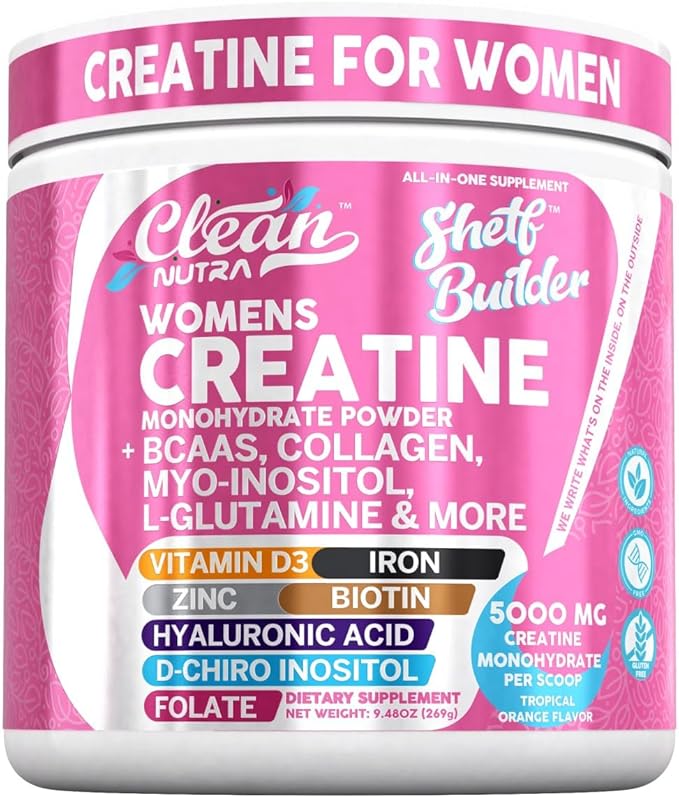
The same principle applies here, only the demand is significantly stronger. More than 1,000 people per month search for each variation, including creatine for women over 40 and creatine for women over 50.
Moreover, this audience has genuinely different needs. Women in that life stage care about muscle retention, bone density, and energy, which means you can add complementary ingredients that support those specific goals rather than shipping plain creatine in a new label.
That formulation choice is what turns a copycat product into a brand. The customer immediately recognizes it was designed with her in mind.
This idea is so open that Travis has said plainly that if nobody launches it in the next couple of months, he will. Take that as a signal about how confident he is in the opportunity, which he estimates at $50,000 per month or more.
Mouth Tape for Women ($100K/month)
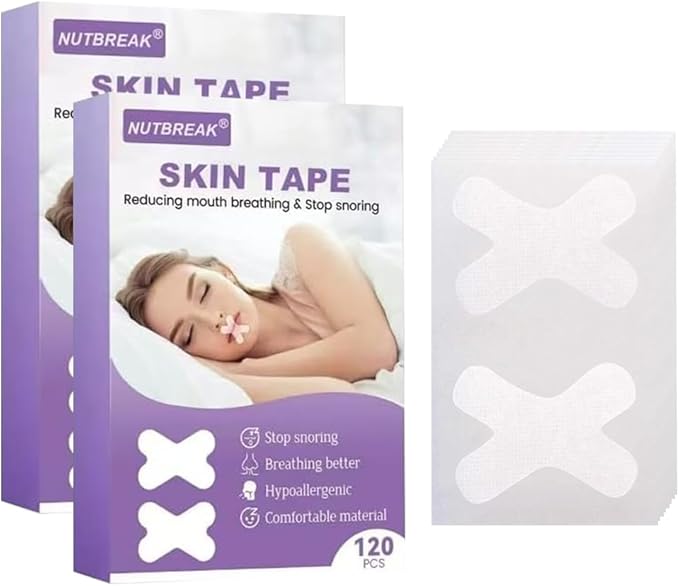
Mouth tape has exploded in popularity as a sleep and breathing aid, and over 9,000 women per month are searching for it specifically. That’s substantial, focused demand.
However, the existing products carry a major unsolved objection. Women consistently worry that adhesive tape worn overnight will cause breakouts and acne along the mouth and jawline. That single concern stops a huge number of potential buyers.
Solve that, and you own the segment. Develop a version with skin-safe, non-comedogenic adhesive, then build the entire brand message around it: effective sleep support that won’t wreck your skin.
Pair that with thoughtful branding, and this becomes a realistic $100,000 per month product. It’s straightforward to manufacture, and the objection you’re solving is one every customer already feels.
A Supplement Brand for Menopausal Women ($1M+/month)
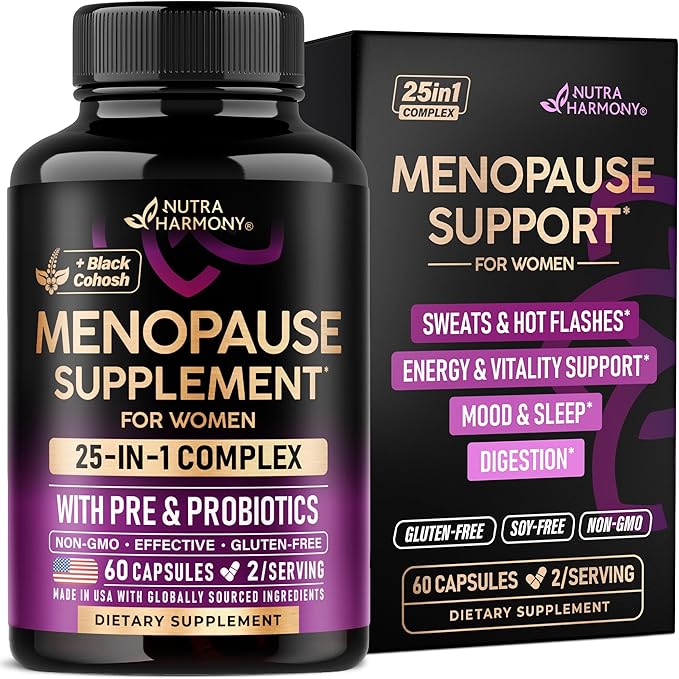
This one isn’t a single Amazon FBA product. It’s an entire underserved market, and that’s precisely why the ceiling is so much higher.
Search demand exists across the board here: creatine for menopausal women, electrolytes for menopausal women, and a long list of other supplements aimed at this life stage. Meanwhile, millions of women are actively navigating menopause and looking for products that acknowledge what they’re going through.
Yet almost nobody has niched down and genuinely targeted them. The supplement aisle largely pretends this customer doesn’t exist, which leaves an enormous category sitting completely unclaimed.
Consequently, the play here is to build a brand rather than a SKU. Launch one Amazon FBA product, earn trust, then expand across the entire supplement range for that audience. Handled properly, this is a million-dollar-per-month brand idea available to whoever moves first.
Niched-Down Electrolyte Powder ($100K/month)
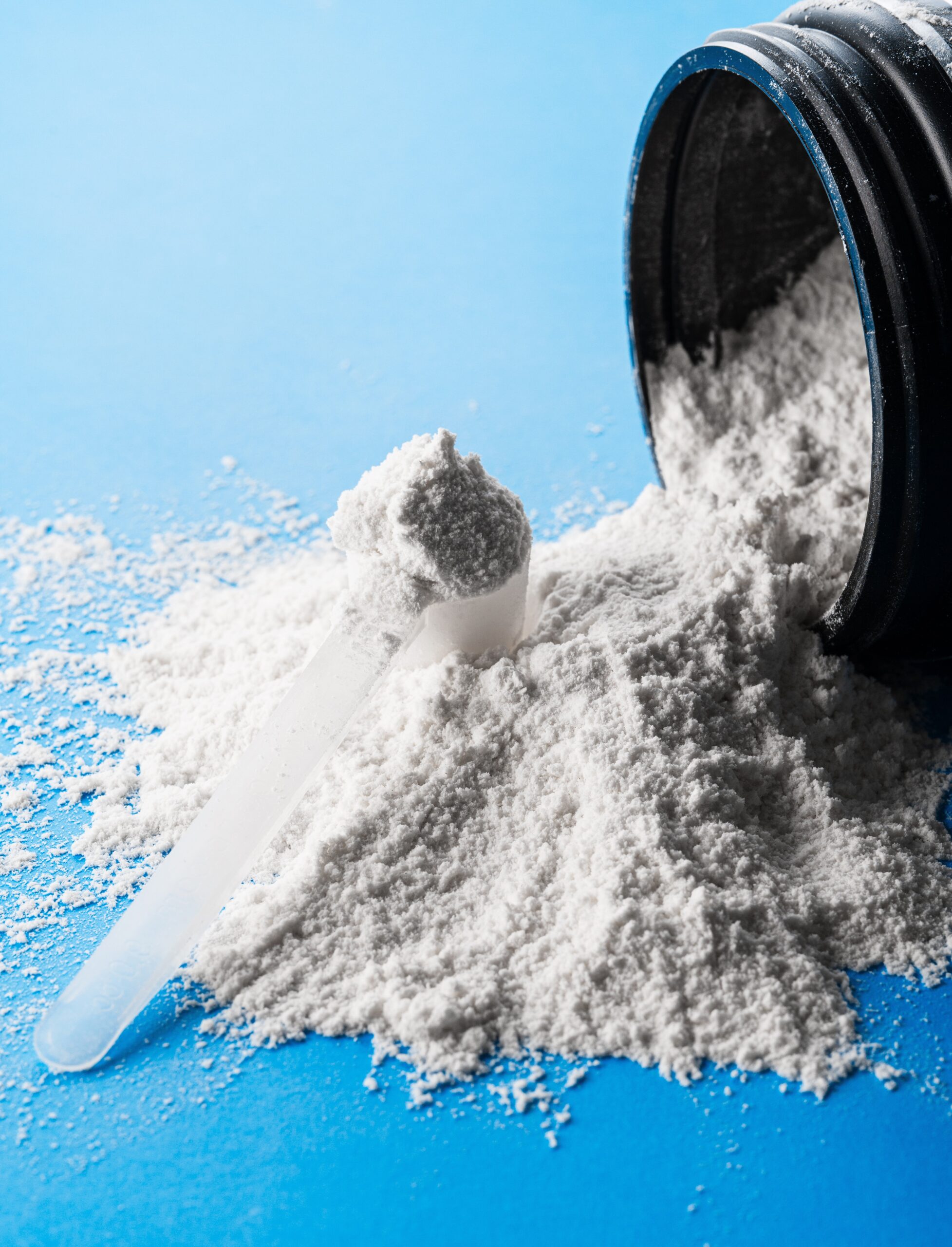
Travis already proved this model works, so there’s no theory involved. He took electrolytes, niched them to the carnivore diet, and turned that into an $840,000 exit.
Importantly, that same well hasn’t run dry. Electrolytes for seniors attracts over 2,000 monthly searches, and that’s just one angle. Consider electrolytes for bodybuilders, for marathoners, for ultra-marathoners, and for any other group with distinct hydration needs.
Every one of those subgroups represents a separate branding opportunity. The base product barely changes, but the formulation tweaks, packaging, and messaging change completely, and that’s what customers actually respond to.
As a result, you’re not launching one electrolyte product. You’re identifying which specific person you want to serve, then building the perfect version for them. That’s a $100,000 per month framework you can run again and again.
Ashwagandha for Women ($100K/month)
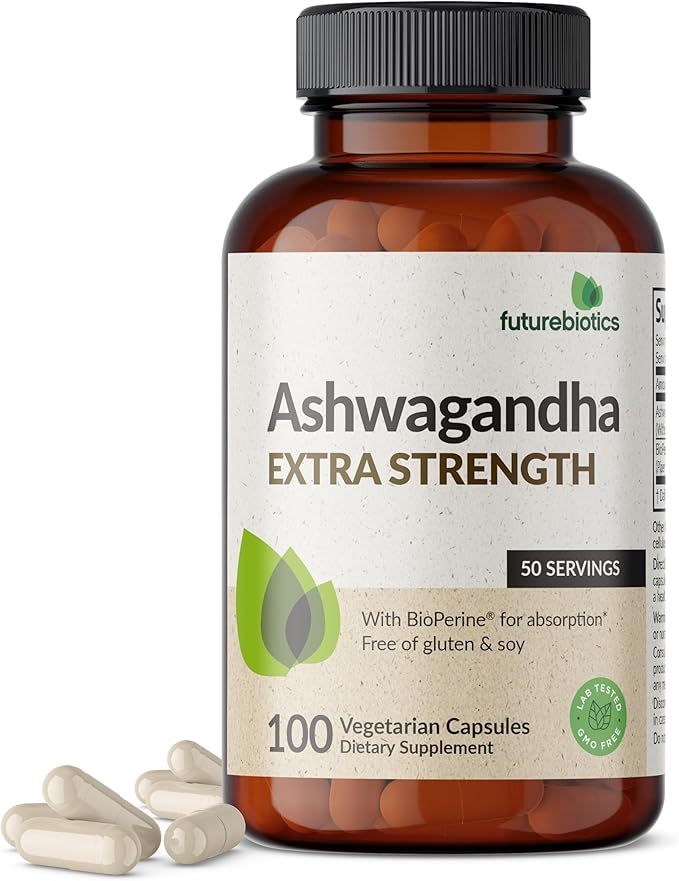
Ashwagandha has become a mainstream adaptogen, and the search data reflects that. More than 14,000 people per month search for ashwagandha for women specifically.
Right now, most of those women simply buy generic ashwagandha because no better option presents itself. They’re settling, not choosing.
Someone typing that exact search, however, is telling you precisely what they want: a product made for them. So give it to them. Add complementary ingredients that support women’s specific hormonal and stress-response needs, then design the packaging with a color palette and visual language that feels intentional rather than clinical.
That’s a shockingly small amount of work for a $100,000 per month product idea sitting in plain sight.
Makeup for Men ($1M+/month)
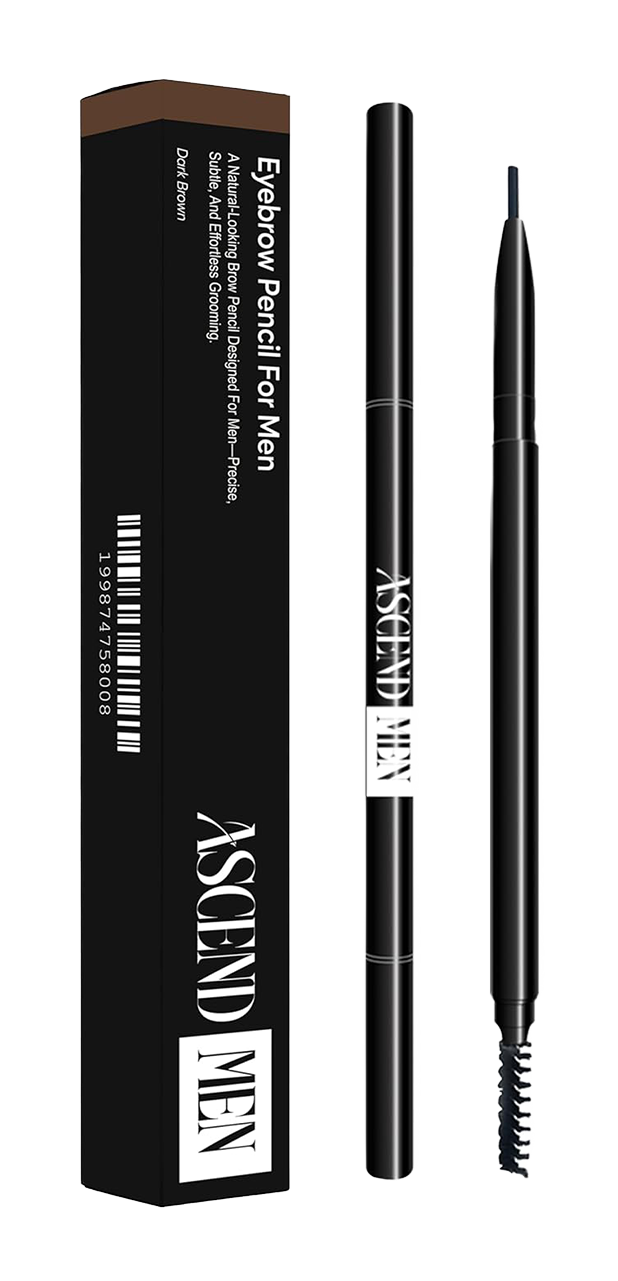
This one sounds strange until you look at the cultural shift driving it. Gen Z has embraced the “looksmaxxing” movement, which centers on actively enhancing your appearance, and makeup is one of the most obvious tools for doing exactly that.
Here’s the friction, though. Virtually all makeup on the market is designed, packaged, and marketed toward women. If you’re a man trying to enhance your appearance while also presenting as more masculine, buying an Amazon FBA product that visibly announces it was made for women creates a real psychological barrier.
Therefore, a makeup line built specifically for men removes that barrier entirely. Same functional product category, completely different positioning, and an audience that currently has almost nowhere to go.
Travis has already started building in this space, and even so, he’ll tell you there’s still enormous room. This is a legitimate million-dollar-per-month category.
Peptides and Peptide-Adjacent Products ($1M+/month)
Peptides are, without question, the hottest category in health and wellness right now. Interest is surging, and it shows no signs of slowing.
There’s an important caveat, though. You cannot sell injectable peptides directly on Amazon, so any strategy built around that idea is dead on arrival.
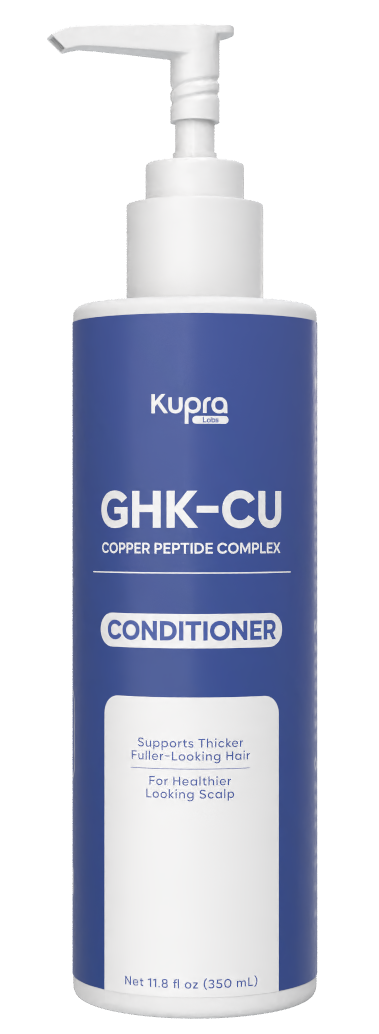
Instead, the winning move is peptide-adjacent products. Travis is launching a peptide shampoo and documenting the entire build on his YouTube channel, which tells you exactly how viable this angle is.
Beyond that, think laterally. If someone is taking peptides, what complementary supplements do they need? What side effects might they want to manage? Each of those questions points toward another Amazon FBA product, and each of those products rides the same wave of demand. That’s how a category becomes a million-dollar-per-month business.
The Pattern Behind All 10 Ideas

Step back from the specifics and the system becomes clear. Every single idea on this list follows the same five steps, and once you internalize them, you can generate opportunities like these on demand.
First, start with a proven, high-demand category rather than inventing something new. Second, identify an underserved sub-audience inside that category. Third, validate that audience with real search volume, because opinions don’t pay for inventory. Fourth, solve that group’s specific objection or unmet need. Fifth, brand the product so clearly that the customer thinks, “this was made for me.”
Notice what’s missing from that list: price. Not one of these ideas wins by being cheaper. That’s deliberate, because competing on price is the fastest way to build a business you’ll eventually hate.
Instead, every idea wins by being more relevant. Relevance is what allows you to charge more, convert better, and build genuine brand loyalty on a platform most people treat as a commodity marketplace.
A Quick Note for International Sellers

Before we talk about execution, let’s address something that stops a lot of people before they ever pick a product. If you’re reading this from outside the US, you might assume Amazon FBA simply isn’t available to you. Fortunately, that’s not true at all. You can absolutely build a six-figure Amazon business from anywhere in the world, and thousands of sellers already have.
The paperwork, however, is where most beginners get lost. Amazon can’t pay you without a US bank account, and you can’t open a US bank account without an LLC and an EIN. For someone brand new, it’s genuinely difficult to even know which step comes first, let alone how to complete each one correctly from another country.
That’s exactly the problem Doola solves. Doola sets up your US business for you regardless of where you live, handling the LLC, the EIN, and the bank account all in one place. Instead of piecing the process together across a dozen forums and government websites, you hop on a call and they tell you precisely what to set up.
You can get started with a free demo. Head to doola.com to book it, and use code TRAVIS10 for 10% off when you sign up. Handle the foundation once, and you never have to think about it again.
How to Turn One of These Ideas Into a Real Product
Now for the honest part. Ideas are the easy piece of this puzzle. You just got ten of them for free, and you could probably generate ten more using the framework above.
Execution is where people stall. Sourcing a manufacturer, validating demand before you spend real money, differentiating your product so it doesn’t get copied, building a brand that actually converts, and then launching and ranking on Amazon, those are the steps where most beginners freeze or make expensive mistakes.
That’s precisely what the Passion Product Formula was built to solve. It’s the same system Travis used to create carnivore electrolytes in seven days, generate over $1 million in revenue and $500,000 in profit, and ultimately sell the business for $840,000. The formula walks you through finding a product you’re genuinely passionate about that also has real, measurable demand, validating it with data before you commit capital, sourcing and creating something meaningfully differentiated, branding it for one specific customer, and finally launching and ranking it on Amazon.
Ultimately, the Passion Product Formula is the difference between having an idea and actually executing one. Plenty of people will read this article, feel motivated, and do nothing. The formula exists so you don’t become one of them.
Book Your Free Strategy Call

If you want direct help turning one of these ideas into a real, launched product, a limited number of free one-on-one strategy calls are open right now. You’ll speak with Travis or a coach on his team.
On that call, you’ll walk away with a custom 90-day plan built around your situation. Additionally, the team will help you select or refine an idea including any of the ten from this list, so you’re not starting from a blank page.
You’ll also learn more about the Accelerator mentorship program and whether it’s the right fit for where you are. There’s zero obligation, and even if it isn’t a fit, you’ll leave with a clear plan.
Spots are limited by design, since these are genuine one-on-one conversations rather than a mass webinar. Use the link below to apply.
It’s Not Too Late – The Window Is Wider Than You Think

Let’s return to where we started. The saturation argument sounds convincing right up until you look at actual search data, and then it collapses.
Here’s the crucial distinction: saturation exists at the generic level, not the niche level. Yes, generic electrolytes are saturated. Generic creatine is saturated. Generic mouth tape is saturated. Meanwhile, creatine for teenage boys, electrolytes for seniors, ashwagandha for women, and supplements for menopausal women all have thousands of monthly searches and virtually no purpose-built competition.
Those gaps exist because most sellers are still playing the old game, copying whatever’s ranking and hoping to undercut it. You now have a better game to play, and you have ten validated starting points to play it with.
So pick one. Validate it this week, book your free strategy call, and start building. The window isn’t closing. It’s just moving, and now you know exactly where it went.
Frequently Asked Questions
Is Amazon FBA still profitable in 2026?
Absolutely. The generic segments of most categories are crowded, but niche segments consistently show strong search volume with little to no purpose-built competition. Profitability now depends far less on being first and far more on being specific.
How much money do I need to start an Amazon FBA business?
It varies widely based on your product, your supplier, and your minimum order quantity. That’s exactly why validating demand before spending money matters so much, the goal is to confirm the opportunity first, then invest with confidence rather than hope.
Can I sell on Amazon from outside the US?
Yes, and thousands of sellers already do. You’ll typically need a US LLC, an EIN, and a US bank account so Amazon can pay you. Several services handle that entire setup for you, and it’s a well-worn path rather than an obstacle.
Do I have to invent a brand-new product?
No, and honestly, you shouldn’t. Every idea in this article takes an existing, proven category and niches it toward a specific audience. Inventing something entirely new means creating demand from scratch, which is far riskier than serving demand that already exists.
Can I really use these exact product ideas?
Yes. They’re being shared publicly specifically so you can take them, brand them, and launch them. Just move quickly a few of these are so open that Travis has said he’ll launch them himself if nobody claims them soon.