
If you have looked into selling on Amazon FBA before, you have probably come across the same 3 strategies. Private label, wholesale, and retail arbitrage show up in almost every YouTube video and course on the subject. On the surface, they look like 3 different paths. In reality, they share one fatal flaw that quietly kills most new sellers.
The good news is that a better approach exists. It is called the niche branding method, and it is the foundation of the Passion Product Formula. Instead of fighting hundreds of thousands of sellers over the same generic product, you create something new for a specific group of people who are already searching for it.
In this article, we will break down why the 3 traditional models struggle, how the niche branding method works, and why 2026 might be the best window to launch in over a decade. Along the way, you will see real examples, including a carnivore electrolyte brand that sold for close to $1 million, a men’s makeup product launched for about $1,000, and a laid-off bartender who raised over $100,000 before manufacturing a single unit.
- The Problem With Traditional Private Label
- Wholesale: Thin Margins and Zero Ownership
- Retail Arbitrage: A Job With Extra Steps
- The Fundamental Flaw All 3 Share
- The Niche Branding Method: A Completely Different Idea
- Real Example 1: Carnivore Electrolytes
- Real Example 2: Makeup for Men
- Why You Can't Be Undercut
- Validate Demand Before Spending a Dollar: The Kickstarter Advantage
- Student Success Stories
- Why 2026 Is the Best Window to Launch in Over a Decade
- How the Passion Product Formula Puts It All Together
- Build Something You Actually Own
- Frequently Asked Questions
The Problem With Traditional Private Label
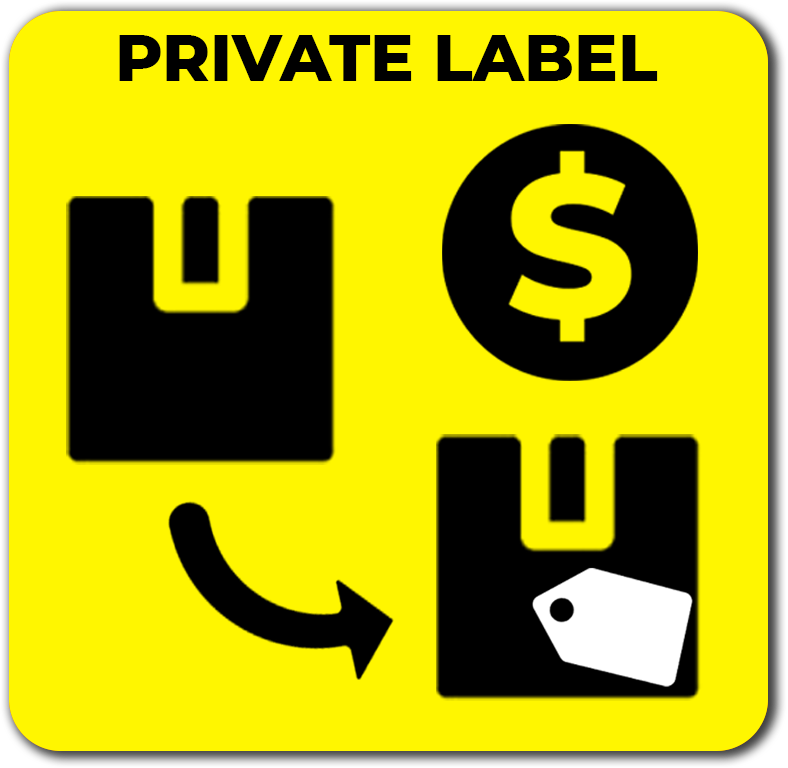
Traditional private label is the model everyone teaches. You find a product on Alibaba, put your logo on it, list it on Amazon FBA, and compete on price. About 5 years ago, this actually worked. Today, however, it has become a race to the bottom.
The reason is simple. Hundreds of thousands of Chinese sellers now do the exact same thing, and they hold a permanent advantage. They manufacture the product, so they can always undercut you. You cannot win a price war against the factory.
Because of this, anyone still teaching you to find a generic product and slap a logo on it is teaching a method that stopped working years ago. Fortunately, the skills you would use for private label still transfer. You simply need to point them at a better strategy.
Wholesale: Thin Margins and Zero Ownership
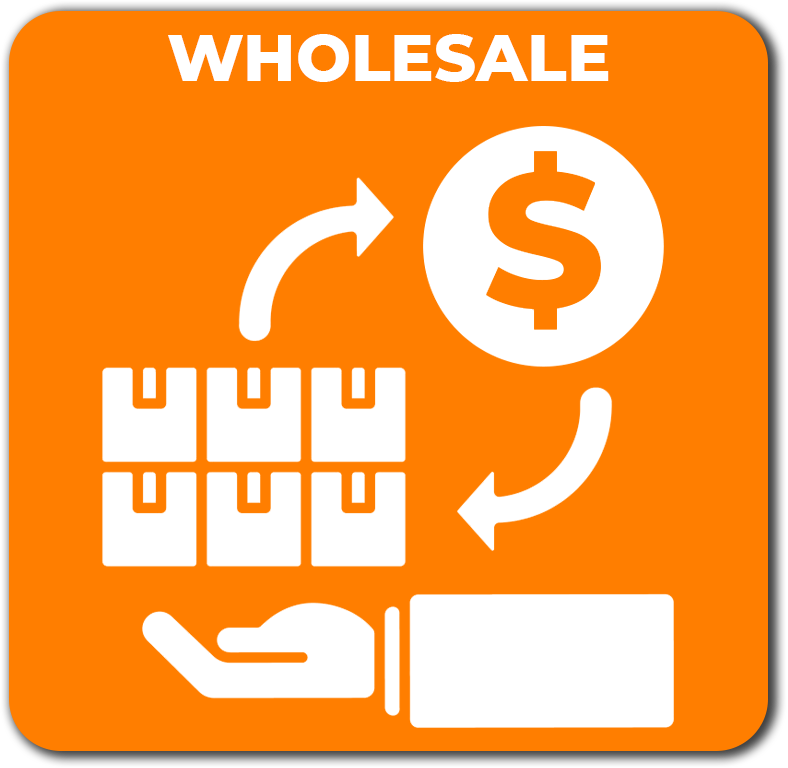
The second approach is wholesale. Here, you buy someone else’s branded product in bulk, such as a Lego set, and resell it on Amazon FBA. It sounds safe because the brand already has demand. Unfortunately, the numbers tell a different story.
Wholesale margins usually sit around 5 to 10 percent. Meanwhile, you need a large upfront investment to buy in bulk, and you compete with every other reseller offering the same brand. As a result, you do a lot of work for very little profit.
The bigger issue is ownership. As a wholesaler, you are a middleman. If the brand decides to sell direct or cuts you off, your business disappears overnight. There is no asset, and there is nothing to sell down the road.
Retail Arbitrage: A Job With Extra Steps
The third approach is retail arbitrage. You visit stores like Walmart, find items on sale, and flip them on Amazon for a profit. Many people start here because the barrier to entry feels low.
However, arbitrage is really just a job with extra steps. You trade your time for money, and the moment you stop hunting for discounted products, the income stops too. Nothing gets built along the way.
In other words, arbitrage can put some cash in your pocket, but it cannot create long-term freedom. That requires something you actually own.
The Fundamental Flaw All 3 Share

At first glance, these 3 strategies look very different. Nevertheless, they share the same core problem. With private label, wholesale, and arbitrage, you do not own anything.
You are not building a brand. You are not creating a product that people care about. Instead, you are moving products around and hoping the margin holds. In 2026, that approach no longer works.
Thankfully, there is a different way to think about Amazon FBA entirely. Rather than competing for scraps, you can create demand that belongs to you.
The Niche Branding Method: A Completely Different Idea
The niche branding method starts from a completely different premise. Instead of finding an existing product and trying to compete on price, you create a product that does not exist yet for a specific group of people who are already searching for it on Amazon FBA.
This works because Amazon is a search engine. In fact, 63 percent of all product searches in the US start on Amazon rather than Google. When someone types something specific into that search bar, they are not browsing. They are buying.
Therefore, if you can create the exact product they are searching for and nobody else has made it, you win. The search volume already exists. You simply become the only answer to it.
Real Example 1: Carnivore Electrolytes
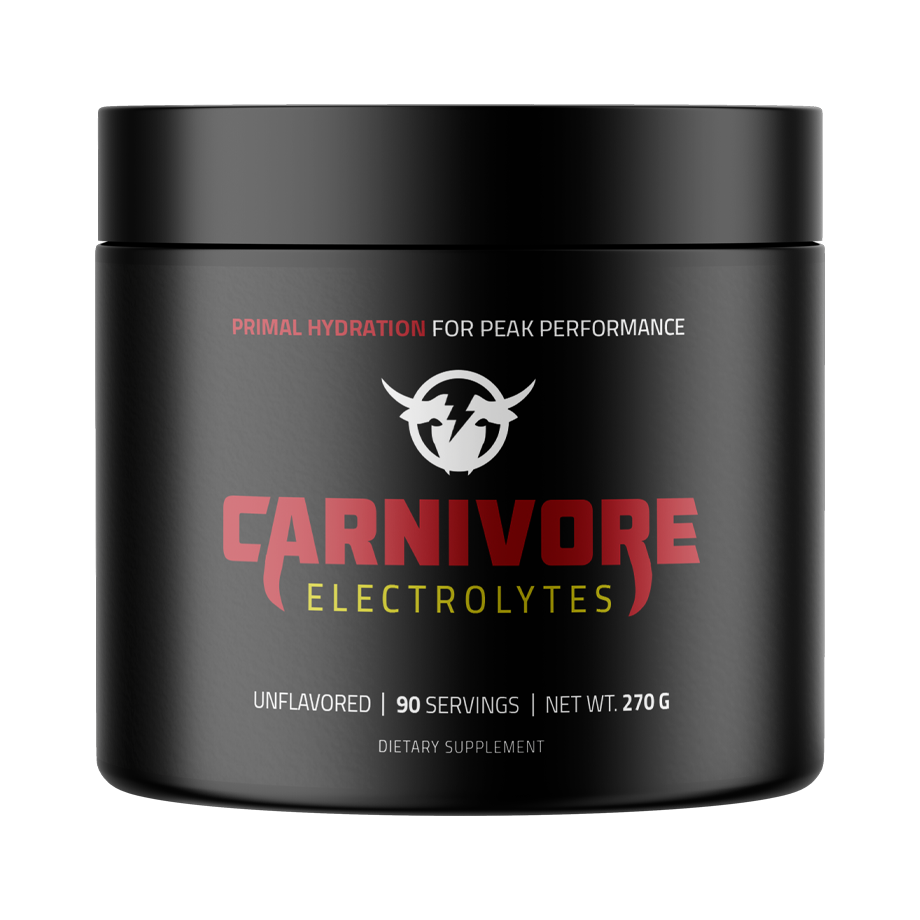
Consider electrolytes on Amazon FBA. It is a massive category dominated by Gatorade, Liquid IV, and dozens of established brands doing millions of dollars each. Launching a generic electrolyte product into that space would land you on page 47, never to be seen again.
However, something interesting was happening underneath the surface. People on the carnivore diet, a growing community, were typing “carnivore electrolytes” into Amazon. Nothing showed up for them. The searches were there, but the product was not.
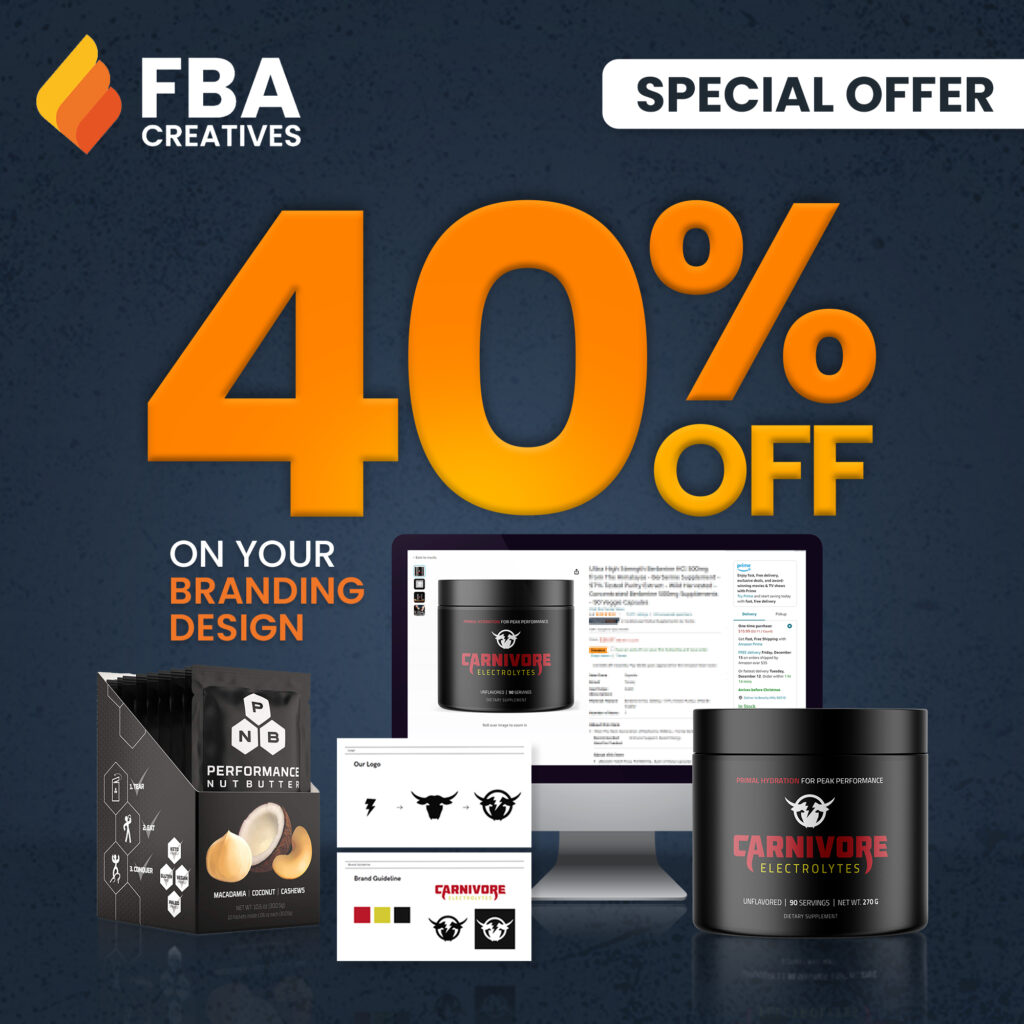
So Travis made it. He created electrolytes specifically formulated, branded, and positioned for the carnivore niche. In the first year, the brand did over $1 million in sales, and he later sold it for close to $1 million. That is the niche branding method in action.
Real Example 2: Makeup for Men
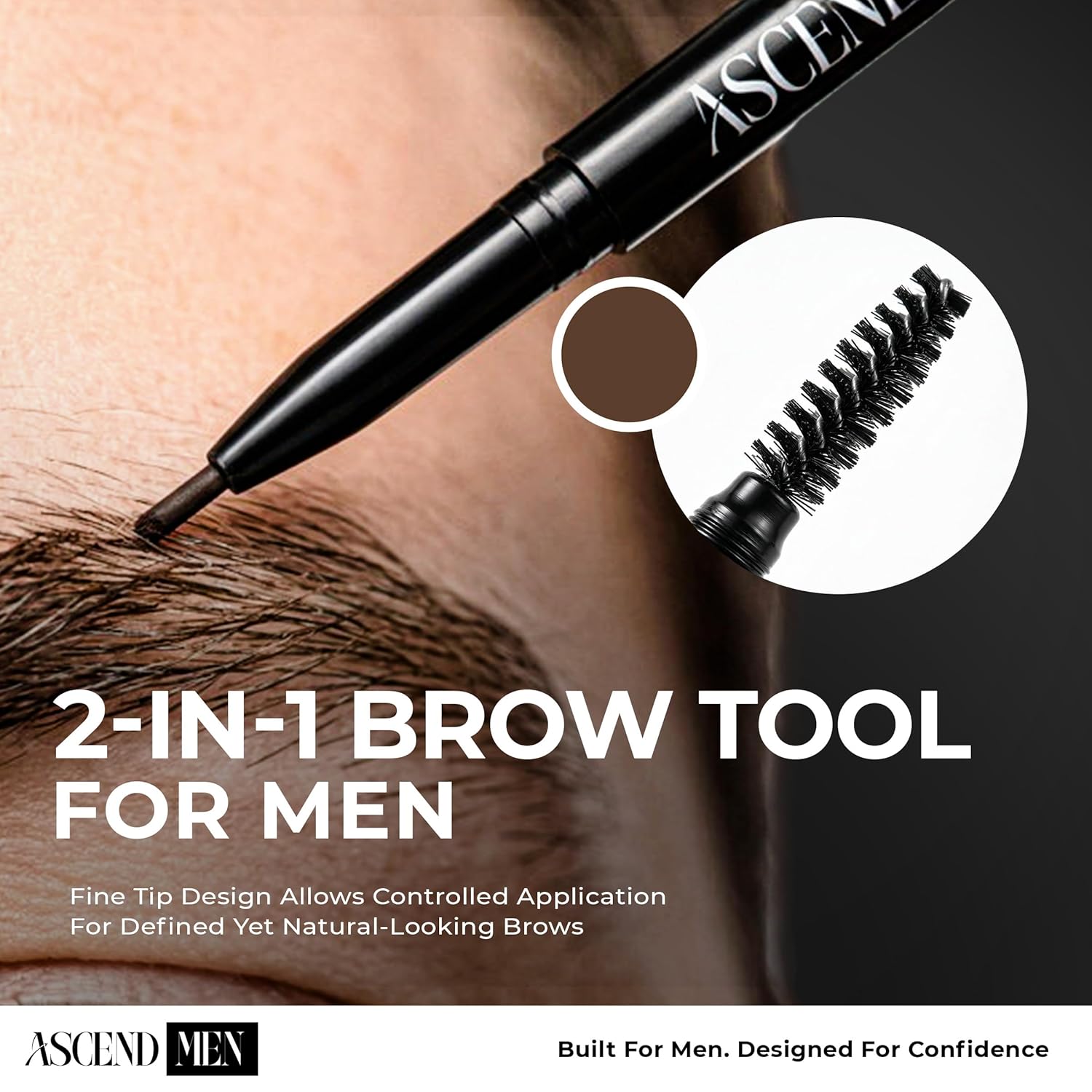
Here is another example from one of the most saturated categories online. Makeup on Amazon includes millions of products. Yet when Travis checked Helium 10, the tool used to see how many people search for something on Amazon FBA, he found over 600 people per month searching for makeup made specifically for men.
Nothing was designed for them. Consequently, he launched a men’s makeup product about 2 months ago for roughly $1,000 in startup costs. In its first month, it made over $3,000 without running a single ad.
It is admittedly a weird product. Even so, the niche was there, the data confirmed it, and nobody had done it yet. That combination is exactly what you want to look for.
Why You Can’t Be Undercut
This is where niche branding separates itself from traditional private label. Nobody else makes carnivore electrolytes the way Travis made them. Nobody else sells men’s makeup the way he designed it.
Chinese sellers copy generic products. They cannot copy a brand built around a specific passion, a specific community, and a specific niche. The factory can match your price on a phone case, but it cannot replicate a brand that speaks directly to a group of people who feel seen.
In effect, the niche becomes your moat. The more specific and passionate your audience, the harder you are to replace.
Validate Demand Before Spending a Dollar: The Kickstarter Advantage
One of the biggest fears people have is spending $5,000 or $10,000 on inventory that nobody buys. That is a real fear, and it is a smart one. Fortunately, niche branding gives you a way to remove most of that risk before you commit any money.
First, you check the real search data using a tool like Helium 10. Then, you create preliminary branding and packaging using AI or a free tool like Canva. Next, you put the product on Kickstarter as a campaign. Real people look at it and decide whether they want to buy it before it is manufactured.
If they do, they put money down, and you use those funds for your first production run. If they do not, you walk away having spent nothing on manufacturing. Either way, you learn the truth before risking your savings.
Importantly, this option only exists for niche branded products. Nobody funds a generic private label item on Kickstarter. People fund products made specifically for them.
Student Success Stories
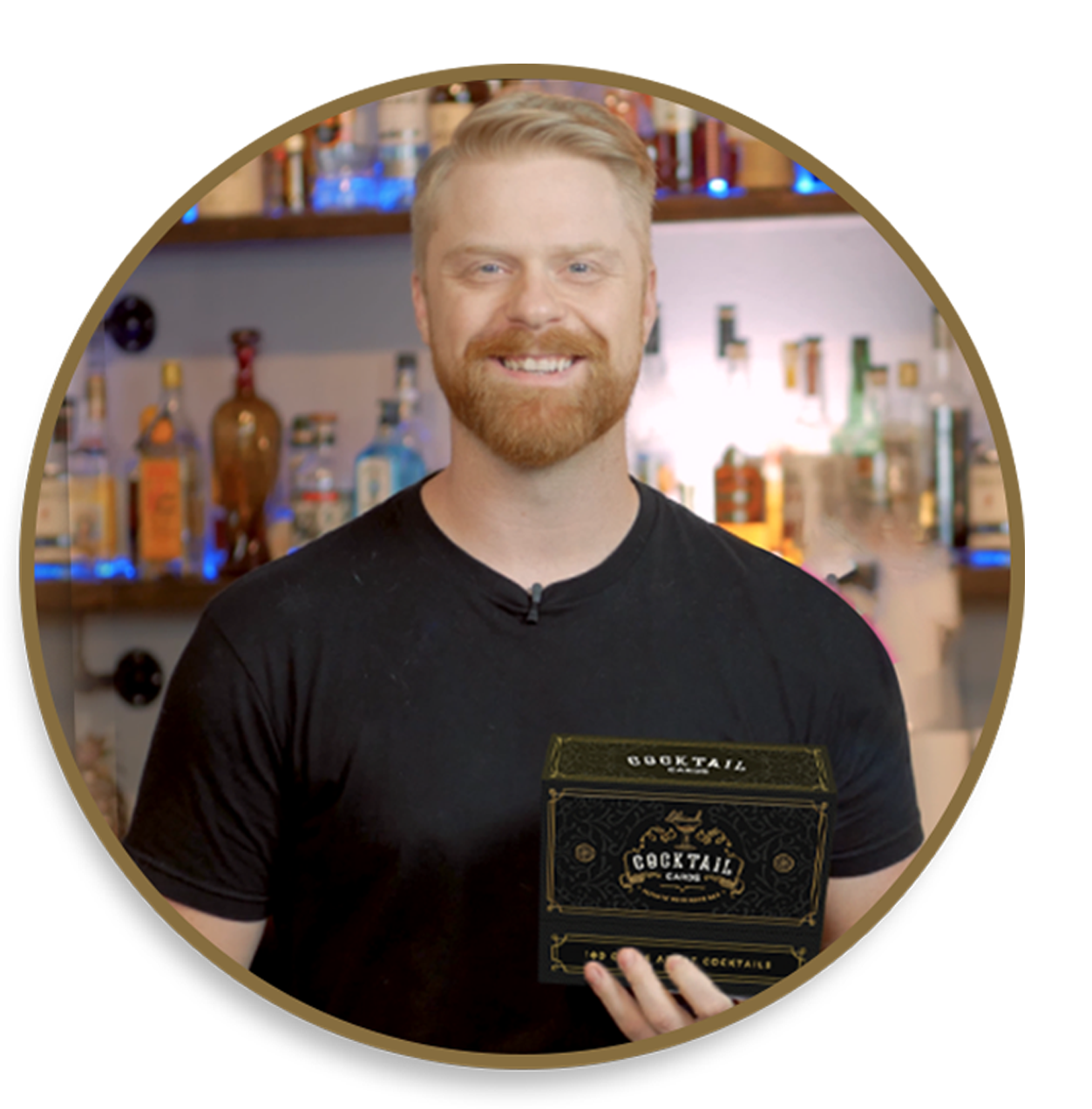
AJ was a bartender who lost his job during the pandemic. He had zero dollars, zero followers, and zero business experience. What he did have was a love for making cocktails, so he created cocktail cards, flashcard-style recipe cards for home bartenders.
He put the cards on Kickstarter and posted one TikTok. That single video pushed his campaign past $100,000 before he manufactured a single unit. He used that money to fund production, and on day 1 on Amazon FBA he sold out in a few hours. In his first year, he did over $500,000.
Of course, AJ is exceptional, and not everyone hits those numbers. Still, the same principle is available to anyone. Jeremy raised $10,000 on Kickstarter for his product. Andrew raised $15,000. Travis himself raised almost $15,000 for Performance Nut Butter, his very first passion product.
None of these were celebrity launches. They were regular people with a product idea that real customers wanted.
Why 2026 Is the Best Window to Launch in Over a Decade
Now that you understand the method and the validation process, it helps to understand the timing. According to Travis, 2026 might be the best moment to launch on Amazon since he started over 10 years ago. Specifically, 3 things are happening at the same time.
Reason 1: Fewer Sellers Are Entering
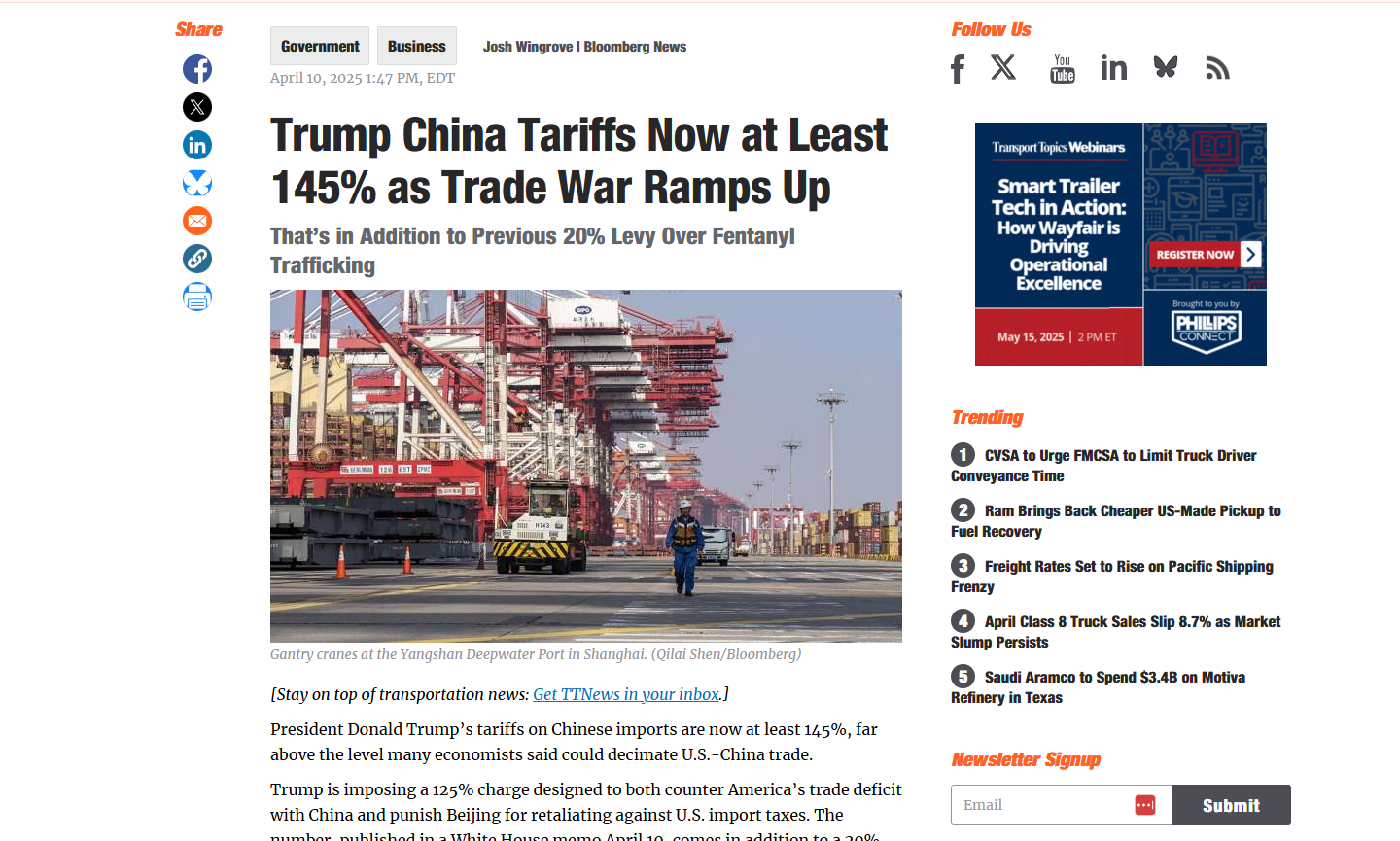
Fewer sellers are entering the market than at any point in recent history. Tariff headlines scared people off. “Amazon is dead” headlines scared people off. General uncertainty scared people off.
As a result, if you launch right now, you face less competition than sellers have seen in years. The people who would have competed with you read a headline and decided not to start. That is their loss and your advantage.
The Real Math on Tariffs
The tariff headlines are wildly misleading, so let us look at the actual numbers. Most of the tariffs are no longer in place. The remaining tariffs on Chinese goods sit around 10 percent of the goods price.
Here is the key detail. The goods price is only about 10 to 20 percent of what a product sells for on Amazon. Consequently, the real impact on your margins is roughly 2 to 3 percent. On a $30 product, that is cents, not dollars.
In short, tariffs are a headline, not a barrier to getting started.
Reason 2: Customer Expectations Have Shifted
Customer behavior has also moved in your favor. People no longer shop generic. They do not search for “electrolytes” and they search for “electrolytes for women.” They do not search for “dog brush.” They search for “dog brush for golden retriever.”
Consumers want products made specifically for them, their lifestyle, and their community. That shift has created thousands of new niches that did not exist 5 years ago.
Every single one of those niches is an opportunity for a niche branded product. Better yet, the specificity that shoppers now expect is exactly what the Passion Product Formula is built to deliver.
Reason 3: The Amazon-TikTok Flywheel
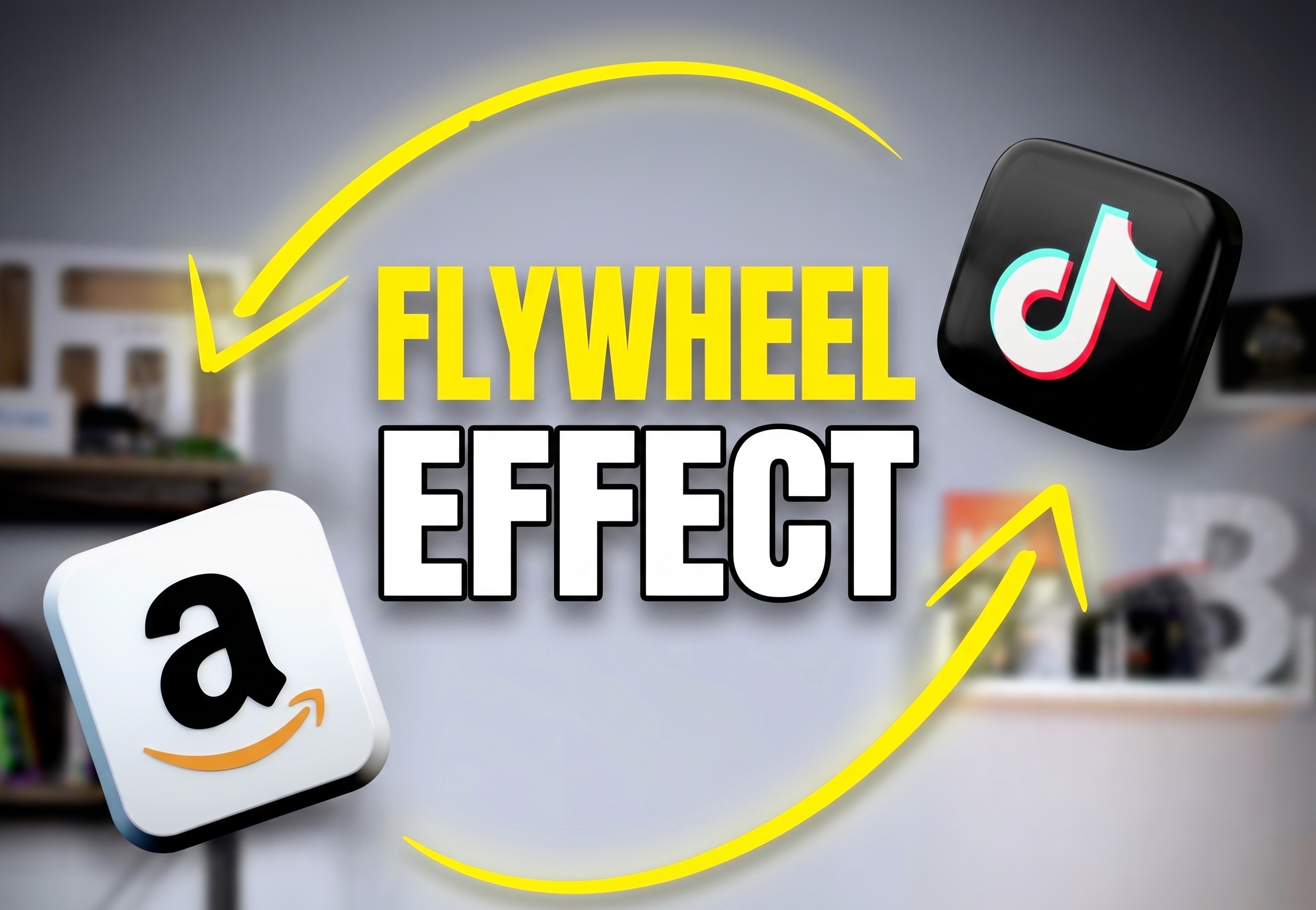
The third factor is what Travis calls the Amazon TikTok flywheel. TikTok Shop is the fastest growing e-commerce platform in the US, and it is now directly connected to how products go viral.
You can create a product, post about it on TikTok, and drive traffic to both TikTok Shop and your Amazon listing at the same time. Content drives traffic, traffic drives sales, sales drive reviews, and reviews drive more organic traffic on Amazon.
This flywheel did not exist 2 years ago. Today, it is the biggest accelerator for new product launches Travis has ever seen. AJ’s Kickstarter went viral because of one TikTok, and Travis used TikTok content to drive the initial sales for Carnivore Electrolytes.
How the Passion Product Formula Puts It All Together
When you combine everything above, a clear sequence emerges. First, you find a passionate niche. Second, you confirm the search demand with real data. Third, you build a brand made specifically for that group. Fourth, you validate on Kickstarter. Finally, you launch on Amazon and amplify with TikTok.
That sequence is the Passion Product Formula, and it is exactly what the Passion Product Accelerator teaches step by step. Travis built it around the lessons he wishes he had when he quit his job 12 years ago. Back then, he wasted 5 years on different strategies, moved back in with his parents, and felt like a failure before he created his first niche branded product.
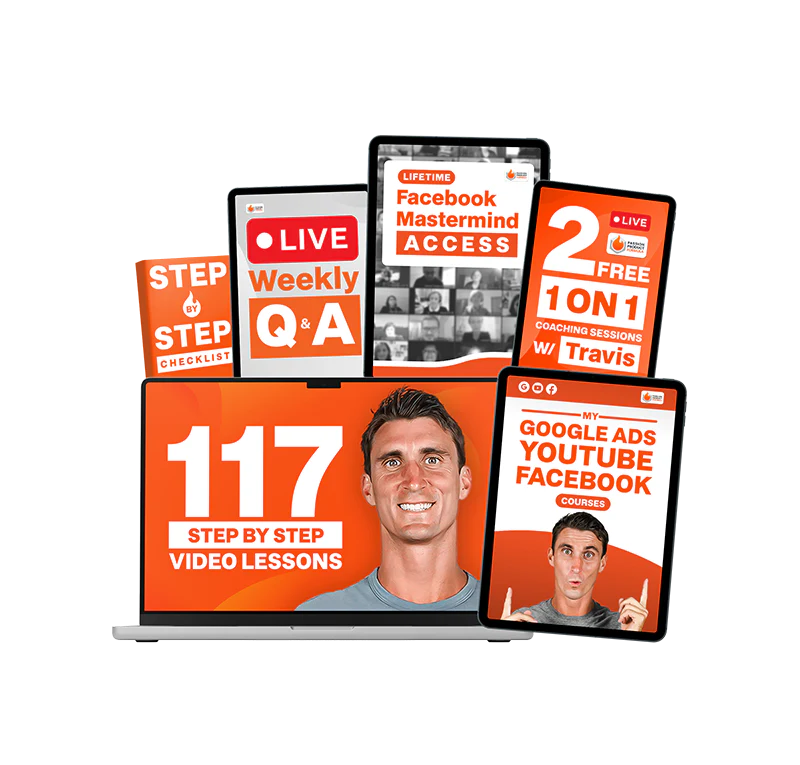
The Accelerator includes weekly small-group coaching calls, one-on-one calls with mentors like AJ, calls with Travis and his entire team, and a complete screen-recorded lesson guide covering every step of an Amazon launch. In addition, you join a community of other sellers working through the same process.
Currently, Travis has opened a limited number of free strategy calls. Because a real person takes every call, spots are limited.
Build Something You Actually Own
The 3 traditional Amazon models share one outcome. After all your effort, you own nothing. Niche branding flips that completely. You build a brand with real customers, real reviews, and real resale value.
Meanwhile, the timing lines up in your favor. Fewer sellers are entering, shoppers want specific products, and a viral channel now rewards exactly the kind of passionate products this method creates. Kickstarter lets you prove demand before you risk a dollar on manufacturing.
If you are serious about getting started and want to skip years of trial and error, apply for a free strategy call with Travis or one of his coaches. It is not a high-pressure sales pitch. You will get a real strategy for succeeding on Amazon, along with details on the Accelerator program. After you apply, you can also watch Travis’s completely free Amazon course.
Somewhere on Amazon right now, a group of people is typing a search term that returns nothing. The next carnivore electrolytes is waiting for someone to build it. That someone can be you.
Frequently Asked Questions
Is private label really dead, or can it still work?
Generic private label, where you add a logo to an existing Alibaba product, has become a price war you cannot win against manufacturers. However, the underlying skills still matter. Applying them to a niche branded product turns a losing model into a winning one.
How much money do I need to start with the niche branding method?
It varies by product, but it can be far less than people expect. Travis launched his men’s makeup product for about $1,000. Furthermore, Kickstarter lets you fund your first production run with customer money rather than your own.
What if my Kickstarter doesn’t get funded?
Then you walk away having spent nothing on manufacturing. That is the entire point of validating first. You learn that the demand was not strong enough before you order inventory, which saves you thousands.
How do I find search data for a niche?
Travis uses Helium 10 to see exactly how many people search for a specific term on Amazon each month. When you find consistent searches with no product built specifically for that group, you have found an opportunity.
Do tariffs make Amazon FBA unprofitable in 2026?
No. Most tariffs are no longer in place, and the remaining ones affect margins by roughly 2 to 3 percent because product cost is only 10 to 20 percent of the sale price. On a $30 product, the impact amounts to cents.
Do I need a TikTok following to launch?
Not at all. AJ had zero followers when his single TikTok pushed his Kickstarter past $100,000. The flywheel rewards products that a passionate niche wants to share, not existing audience size.