
Picture this: It’s 2 a.m., and someone is scrolling through Amazon product listings on their phone, unable to sleep. They’re browsing products, impulse shopping, making quick purchasing decisions. If your product listing features compelling photos and persuasive copy, that late-night browser becomes your customer. This scenario plays out thousands of times every single day on Amazon. It demonstrates a crucial truth: your product listing isn’t just important, it’s everything.
Amazon customers face a fundamental limitation that brick-and-mortar shoppers don’t experience. They cannot pick up your product, feel its weight, examine its texture, or test its functionality. Instead, they rely entirely on what you show them through your listing. Your photos, title, price, and bullet points represent their complete buying experience before clicking “Add to Cart.” Consequently, every element of your listing must work overtime to grab attention, build trust, and convince browsers to become buyers.
James discovered this truth firsthand after Amazon laid him off during the COVID-19 pandemic. As a former program manager at the tech giant, he understood the platform intimately. Rather than viewing his severance package as a safety net, he saw it as startup capital. That’s when he stumbled upon Travis’s Passion Product Formula on YouTube. Unlike the countless scams and get-rich-quick schemes flooding the internet, this approach resonated differently. It emphasized hard work, strategic thinking, and creating genuine value, principles that aligned with James’s professional background.
The results speak volumes about combining insider knowledge with the right system. James netted over $35,000 in his first year selling on Amazon. He built what he describes as an excellent side hustle. Moreover, he’s projecting over $70,000 in revenue this year. This demonstrates that Amazon FBA isn’t just viable, it’s scalable. Now, he’s ready to show you exactly how to create a professional product listing in just five minutes, using the same strategies that transformed his severance money into a thriving business.
- Why Your Amazon Product Listing Is Your #1 Sales Asset
- The Passion Product Formula Advantage
- Getting Started: Access Your Seller Account
- Crafting Your Title: The Keyword Goldmine
- Selecting Your Category Strategically
- Product Variations, Brand & UPC Codes
- Bullet Points That Convert
- Images: Your First Impression
- Product Description: The SEO Boost
- Final Details & Pricing Strategy
- FBA vs. FBM: The Game-Changing Decision
- Beyond the Basics: Setting Yourself Up for Success
- Taking Control of Your Amazon Success Story
- Frequently Asked Questions
Why Your Amazon Product Listing Is Your #1 Sales Asset
Traditional Amazon FBA advice pushes sellers toward finding existing products with high demand and moderate competition. Then you source cheaper versions to undercut current sellers. This strategy certainly works for some people. However, it creates exhausting treadmills where you’re constantly hunting for the next opportunity. Meanwhile, you’re defending against competitors doing exactly what you’re doing. Eventually, everyone’s margins compress. The only winners are the factories and Amazon itself.
The Passion Product Formula rejects this commodity mindset entirely. Instead, it guides you through creating products that genuinely don’t exist yet. These are items that solve real problems or fulfill actual desires in ways current offerings miss. Travis’s Bauberin Tea exemplifies this perfectly. Rather than sourcing generic tea to compete with established brands, he created a unique blend with specific benefits. Health-conscious consumers actively sought what he offered. His Amazon product listings highlighted these unique qualities. Similarly, James didn’t try to sell standard golf tees at lower prices. He invented an entirely new product category that combined golf equipment with entertainment.
This creative approach delivers tremendous advantages beyond just pricing power. When you launch a truly unique product, you’re not fighting for Amazon rankings against dozens of established competitors. You’re creating the category. This means early reviews and sales velocity compound much faster. Moreover, customers can’t easily comparison shop because there’s nothing to compare against. They evaluate your Amazon product listings on its own merits rather than as one option among fifty identical alternatives.
James puts it plainly: the Passion Product Formula doesn’t promise easy money or overnight success. Instead, it requires genuine hard work and thoughtful strategy. However, that combination consistently produces results for people who commit to the process. Students gain access to battle-tested knowledge rather than theoretical fluff. Travis’s proven system includes experienced coaches who’ve sold hundreds of thousands or millions in product. Weekly Q&A sessions provide ongoing support. Consequently, the time you invest in creating your unique product and optimized Amazon product listings pays dividends for months or years rather than disappearing when the next competitor emerges.
The Passion Product Formula Advantage
Traditional Amazon FBA advice pushes sellers toward finding existing products with high demand and moderate competition. Then you source cheaper versions and piggyback on existing Amazon product listings to undercut current sellers. This strategy certainly works for some people. However, it creates exhausting treadmills where you’re constantly hunting for the next opportunity. Meanwhile, you’re defending against competitors doing exactly what you’re doing. Eventually, everyone’s margins compress. The only winners are the factories and Amazon itself.
The Passion Product Formula rejects this commodity mindset entirely. Instead, it guides you through creating products that genuinely don’t exist yet, with Amazon product listings you build from scratch. These are items that solve real problems or fulfill actual desires in ways current offerings miss. Travis’s Bauberin Tea exemplifies this perfectly. Rather than sourcing generic tea to compete with established brands, he created a unique blend with specific benefits. Health-conscious consumers actively sought what he offered. Similarly, James didn’t try to sell standard golf tees at lower prices. He invented an entirely new product category that combined golf equipment with entertainment.
This creative approach delivers tremendous advantages beyond just pricing power. When you launch a truly unique product, you’re not fighting for Amazon rankings against dozens of established competitors. You’re creating the category. This means early reviews and sales velocity compound much faster. Moreover, customers can’t easily comparison shop across multiple Amazon product listings because there’s nothing to compare against. They evaluate your product on its own merits rather than as one option among fifty identical alternatives.
James puts it plainly: the Passion Product Formula doesn’t promise easy money or overnight success. Instead, it requires genuine hard work and thoughtful strategy. However, that combination consistently produces results for people who commit to the process. Students gain access to battle-tested knowledge rather than theoretical fluff. Travis’s proven system includes experienced coaches who’ve sold hundreds of thousands or millions in product. Weekly Q&A sessions provide ongoing support. Consequently, the time you invest in creating your unique product and optimized Amazon product listings pays dividends for months or years rather than disappearing when the next competitor emerges.
Getting Started: Access Your Seller Account
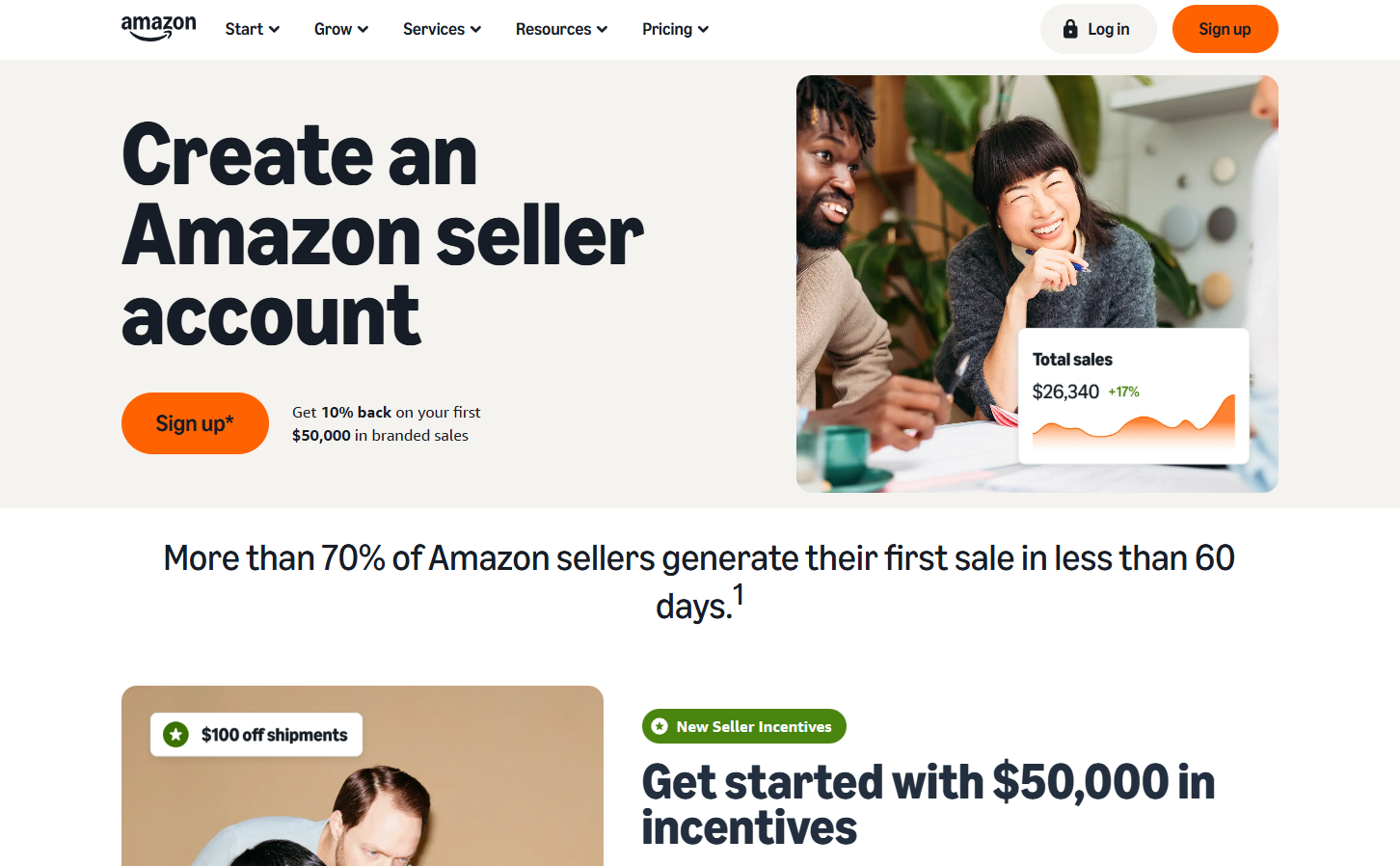
Creating your first Amazon product listings begins with navigating to sell.amazon.com and logging into your seller account. Once you’re in, click the three horizontal lines in the upper left corner to open the navigation menu. From there, hover over “Catalog” and select “Add Product” to launch the listing creation process. This takes you to a decision point that separates strategic sellers from commodity competitors.
Amazon offers you the option to search for existing products and add your offer to their Amazon product listings. Many new sellers jump at this path because it seems faster and easier. The listing already exists, complete with photos and reviews, so why not just attach your inventory? However, this approach locks you into the commodity model. You’re constantly competing on price against other sellers offering the identical product. Furthermore, you have no control over the listing content. Your success depends entirely on factors outside your influence.
Instead, click “I’m adding a product not sold on Amazon” and select the blank form option. This choice signals your commitment to creating something unique rather than chasing someone else’s success. Yes, it requires more upfront work to build your Amazon product listings from scratch. Nevertheless, this investment pays enormous dividends. You’re establishing a brand asset you control completely. Every optimization you make benefits only you and every review strengthens only your product. Every sale builds only your business.
Moreover, starting with a blank form aligns perfectly with the Passion Product Formula philosophy. You’re not looking for existing demand to exploit. You’re creating products that fill gaps in the market. Consequently, your Amazon product listings need to educate customers about why your unique solution matters. You’re not just convincing them to choose your version over identical alternatives. This foundation sets you up for premium pricing and sustainable growth rather than margin-crushing competition.
Crafting Your Title: The Keyword Goldmine

Amazon’s algorithm functions as a matching system between what customers search for and what you tell Amazon your product is. Your title represents the most powerful signal you can send about your product’s relevance to specific searches. Therefore, crafting an optimized title isn’t just important, it directly determines whether potential customers ever see your listing. Think of your title as the bridge between customer intent and your product. You’ll understand why keyword research matters so much.
Professional sellers use tools like Helium 10 to identify exactly what customers type into Amazon’s search bar. The Magnet tool within Helium 10 reveals search volume for different keyword phrases. It shows you which terms thousands of people search monthly versus which ones barely register any traffic. Travis used this exact approach when developing his Bauberin Tea listing. He identified high-volume keywords related to herbal teas, energy supplements, and specific health benefits. He then strategically incorporated these terms into his title to capture that organic search traffic.
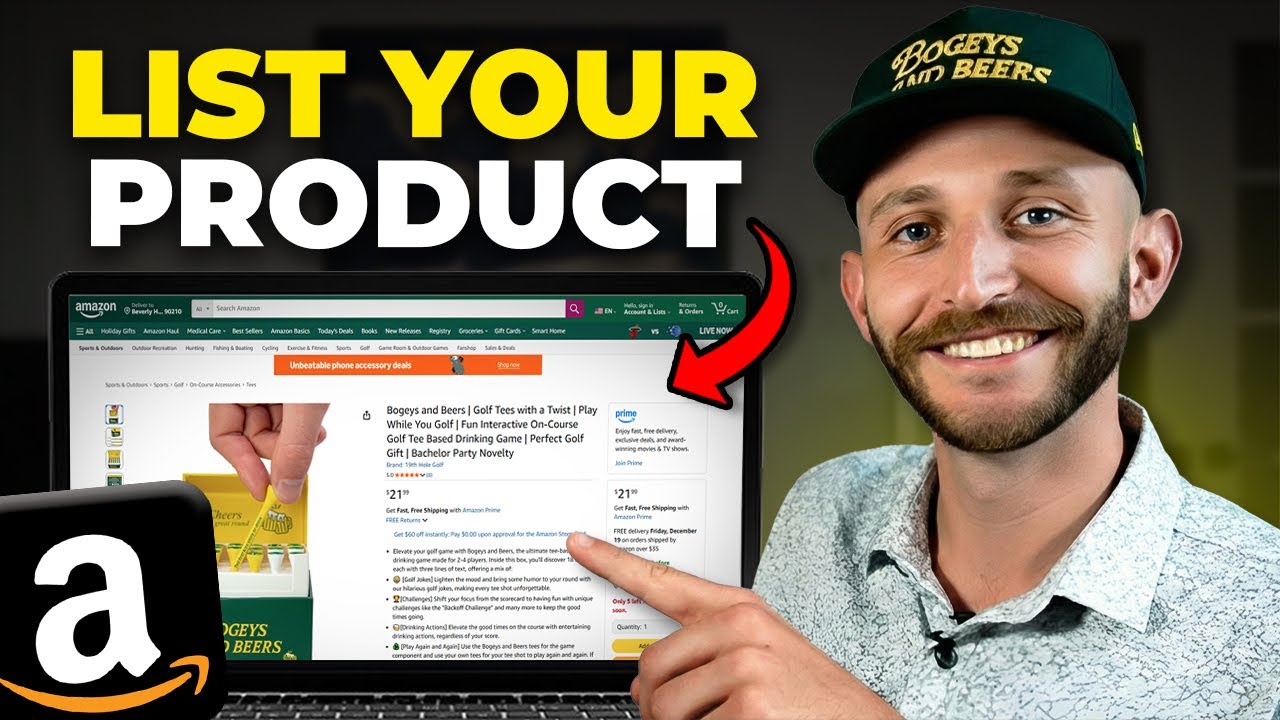
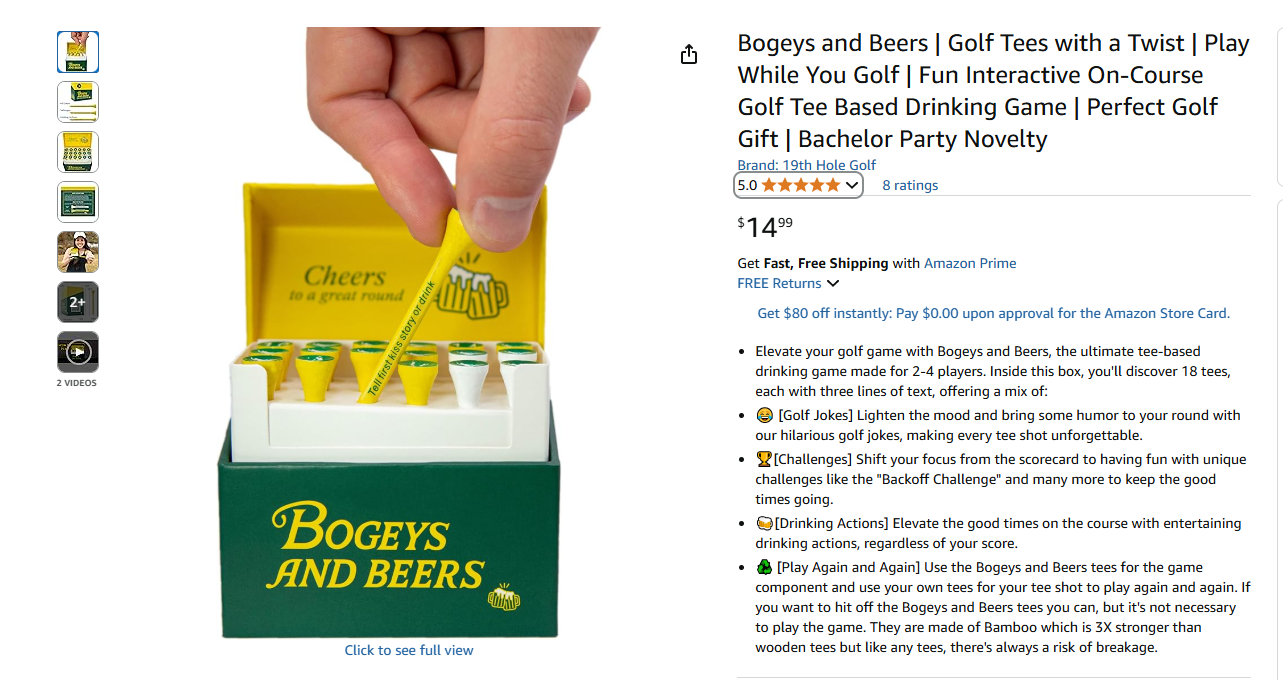
James followed the same process when launching Bogeys and Beers. His research revealed that people frequently searched for “golf novelty product,” “golf gift,” and “golf gift for husband.” Armed with this knowledge, he constructed a title that naturally incorporated these keywords while still reading smoothly. His final title demonstrated how to pack maximum keyword value into the available character limit. “Bogeys and Beers Golf Tees with a Twist Play While You Golf Fun Interactive On-Course Golf Tee-Based Drinking Game Perfect Golf Gift Bachelor Party Novelty” hit all the right notes.
The strategy here involves balancing keyword optimization with readability. You want to include the most important search terms, particularly toward the beginning of your title where they carry more weight. However, you also need the title to make sense to human readers who encounter it in search results. Additionally, consider that your title appears in multiple contexts. It shows up in desktop search results, mobile apps, and even external search engines like Google. Consequently, front-loading your most distinctive keywords helps ensure that even truncated versions of your title communicate your product’s core value proposition effectively.
Selecting Your Category Strategically

Amazon’s category system organizes millions of products into a hierarchical structure that helps customers find what they need. Your category selection determines which browse nodes your Amazon product listings appear in. More importantly, it controls which competitor products Amazon displays alongside yours. Therefore, choosing your category isn’t just administrative housekeeping. It’s a strategic decision that impacts your discoverability and comparative positioning.
The most effective approach involves researching your main competitors to see which categories their Amazon product listings occupy. When you align your category with established sellers in your space, you ensure that customers browsing those sections encounter your product too. Furthermore, Amazon’s “Customers who bought this also bought” and “Frequently bought together” algorithms work within category structures. Proper categorization helps you capture traffic from complementary purchases.
Travis’s Bauberin Tea provides an excellent example of strategic category selection. He chose “Grocery and Gourmet Food” as his main category, which makes sense for any consumable product. However, the real value came from drilling down through subcategories. He went through Beverages, then multiple layers deeper until reaching Herbal Teas. This specific categorization ensured his Amazon product listings appeared alongside other premium herbal teas. He avoided getting lost in the broader beverage category with everything from soda to protein shakes.
Similarly, James selected “Sports and Outdoors” for Bogeys and Beers. He then navigated through several subcategory layers until reaching Golf Tees specifically. This precision meant his Amazon product listings appeared directly alongside traditional golf tees, where his target customers naturally browsed. Moreover, the category selection reinforced his product’s legitimacy. It wasn’t just a novelty item relegated to some miscellaneous category. It was a genuine golf product positioned among other golf equipment. Consequently, customers discovered it organically while shopping for golf supplies. This dramatically improved conversion rates compared to generic categorization.
Product Variations, Brand & UPC Codes
Amazon’s variation system allows you to group related products under a single listing. Customers can select from different options without leaving the page. Common variations include size, color, quantity, and flavor, depending on your product type. If your product offers multiple options, setting up variations properly helps customers find exactly what they want. It also consolidates your reviews and sales history into one listing. However, if you’re launching with a single SKU like James did with Bogeys and Beers, you’ll simply indicate that no variations exist.
Your brand name represents another crucial decision point that affects how customers perceive your product. This name appears prominently on your listing. It influences whether shoppers view your offering as a professional branded product or a generic commodity item. James chose “19th Hole Golf” as his brand name, which cleverly references golf culture while establishing a memorable identity. This branding decision supports premium positioning. Customers associate brands with quality and reliability.
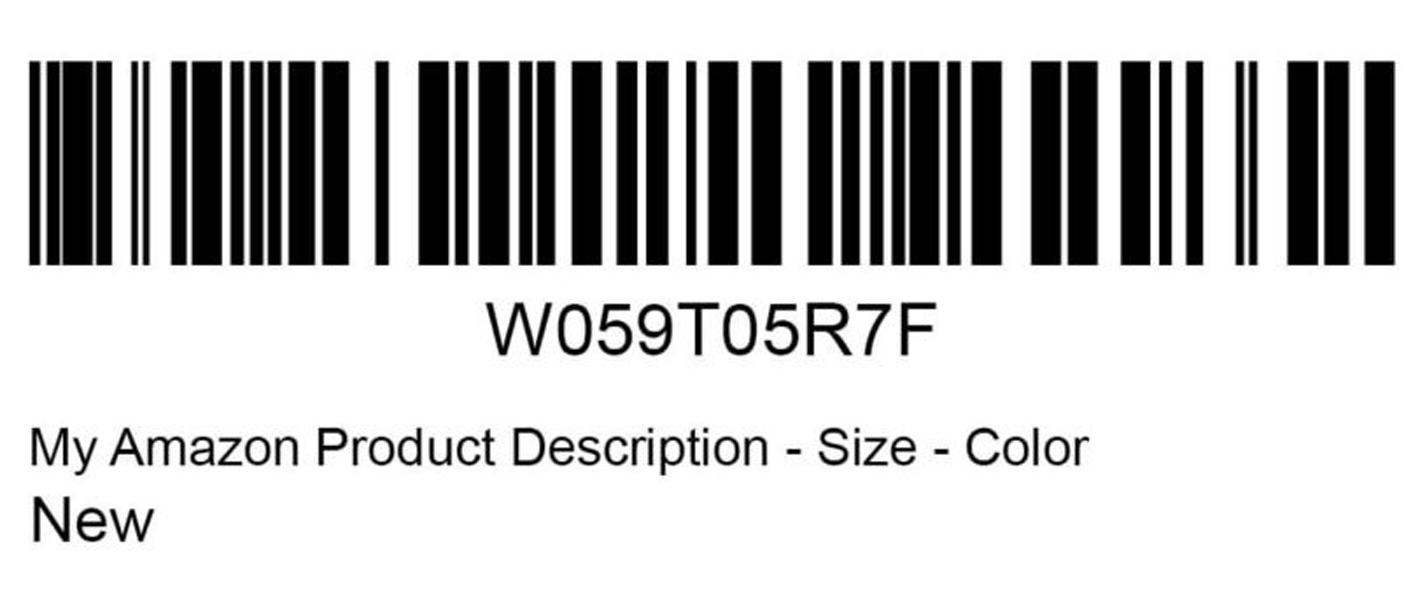
The external product ID requirement typically means obtaining a UPC (Universal Product Code) for your product. You can purchase legitimate UPC codes from gs1.org, the official source that ensures your codes are valid and unique. This barcode serves multiple purposes. It identifies your product throughout Amazon’s fulfillment system and enables potential retail distribution beyond Amazon. It signals professionalism to both the platform and customers. While you might find cheaper UPC codes from resellers, investing in legitimate codes from GS1 prevents potential issues down the road.
Depending on your product type, you’ll either have the UPC printed directly on your packaging or create label stickers to affix to each unit. This physical barcode allows Amazon’s fulfillment centers to track your inventory accurately. It ensures that when customers order your product, they receive exactly what they purchased. Moreover, having proper UPC codes positions your product for potential expansion beyond Amazon. You can grow into retail stores or other sales channels. This future-proofs your business as it grows.
Bullet Points That Convert
Amazon gives you five bullet points to communicate your product’s key features and benefits. Each one represents valuable real estate in the customer’s decision-making process. These bullets appear prominently on both desktop and mobile. They’re often visible before customers scroll to see your full description. Therefore, crafting compelling bullet points directly impacts your conversion rate, the percentage of people who view your listing and actually purchase.
The most effective bullet points weave keywords naturally into benefit-focused statements. They show customers how your product improves their lives. Rather than simply listing features, you want to paint pictures of positive outcomes. James’s approach with Bogeys and Beers demonstrates this perfectly. He included keywords like “golf jokes,” “challenges,” and “drinking actions” while simultaneously explaining how these elements create fun experiences on the golf course. Each bullet answered implicit customer questions: “What will I get?” and “Why does this matter to me?”
However, James learned an important lesson about keyword selection through experience. Including “drinking actions” as a prominent feature triggered Amazon’s content moderation algorithms. This resulted in a temporary shadowban for promoting alcohol consumption. While his product eventually got reinstated, this incident highlights the importance of balancing keyword optimization with platform compliance. Consequently, if your product operates in any gray area, alcohol-related, supplement claims, age-restricted content, exercise extra caution with your word choices to avoid similar issues.
Additionally, remember that your bullet points work in concert with your title and description to build a complete picture of your product’s value. Front-load your most compelling benefits in the first two bullets. Some customers make purchase decisions based on those alone. Use the remaining bullets to address common objections, highlight unique features, and incorporate secondary keywords that support your overall SEO strategy. This comprehensive approach ensures that whether someone reads all five bullets or just skims the first two, they receive enough information to feel confident purchasing.
Images: Your First Impression
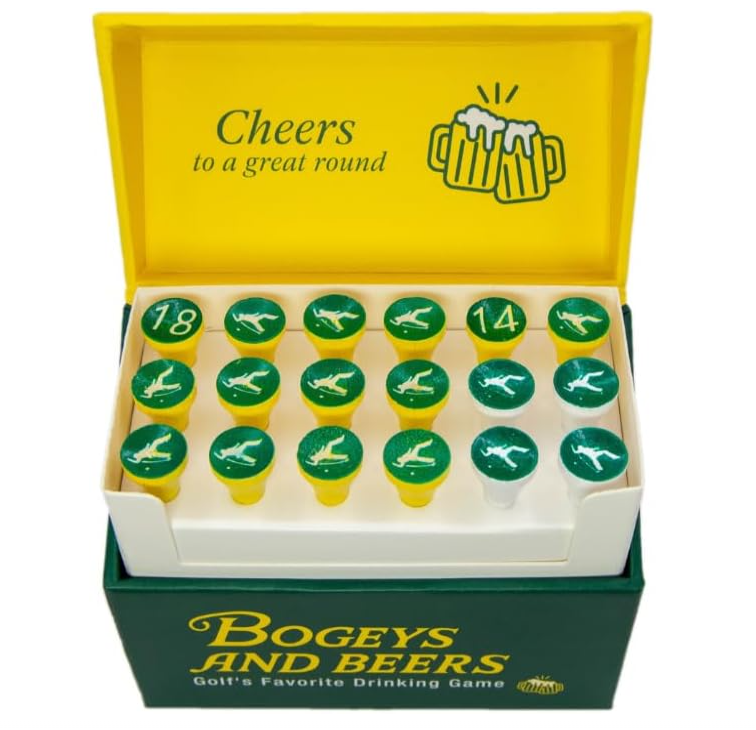
Your main product image represents the single most important element of your entire listing. It determines whether customers click through to see anything else you’ve created. Think about Amazon search results as a grid of competing images. You have milliseconds to capture attention among dozens of alternatives. If your image doesn’t immediately communicate value, uniqueness, or appeal, potential customers simply scroll past to the next option. Consequently, investing in professional product photography isn’t optional, it’s essential.
Amazon allows you to upload multiple images beyond your main photo. You should absolutely maximize this opportunity. Use these additional images to show your product from different angles. Demonstrate its size compared to familiar objects. Display it in use. Highlight specific features or benefits. Lifestyle shots showing happy customers using your product prove particularly effective. They help shoppers visualize themselves enjoying the same experience. Moreover, images that answer common questions reduce hesitation and move browsers closer to purchase.
James understood that his main image needed to instantly communicate what Bogeys and Beers offered. Golf tees aren’t typically exciting products. His packaging and photography had to work harder to convey the fun, interactive gaming aspect. Similarly, Travis’s Bauberin Tea needed imagery that communicated premium quality and health benefits. It couldn’t look like generic tea you could buy anywhere. Both succeeded because they invested in professional presentation that matched their premium positioning.
If creating compelling images feels overwhelming, consider using services like FBA Creatives. They specialize in Amazon listing optimization. They handle everything from product photography and image editing to logo design and package creation. This ensures your visual presentation meets Amazon’s requirements while standing out from competitors. Furthermore, professional designers understand Amazon’s image guidelines and best practices. They help you avoid costly mistakes or rejections. While this represents an upfront investment, remember that your images work 24/7 to convert browsers into buyers. Professional photography delivers one of the highest ROIs of any decision you can make.
Product Description: The SEO Boost
Your product description continues the keyword optimization strategy you began with your title and bullet points. However, it serves additional purposes beyond just SEO. Fewer customers read the full description compared to scanning bullets. Nevertheless, those who do tend to be more serious buyers seeking comprehensive information before making their purchase decision. Therefore, your description should pack in relevant keywords while thoroughly explaining your product’s benefits, features, and usage instructions.
The approach mirrors what you’ve already done with your title and bullets. Identify the keywords your target customers search for. Then incorporate them naturally into compelling copy that showcases how your product solves problems or fulfills desires. However, your description allows for more expansive storytelling than the condensed bullet format. You can explain your brand’s origin story and you can describe the research or development process that created your unique product. You can detail specific use cases that help customers understand exactly when and how they’ll benefit from your offering.
Structure matters here, even though you’re not creating formatted sections with headers in Amazon’s basic description field. Lead with your strongest selling points, then expand into supporting details and specifications. Address potential questions or concerns that might prevent purchase. Include usage instructions or care information if relevant to your product type. Moreover, close with a compelling call-to-action that reinforces the purchase decision. Perhaps emphasize your satisfaction guarantee or highlight what makes your product special.
Remember that search engines beyond Amazon also index your product description. The keywords you include can help your listing appear in Google searches and other platforms. This extended reach brings additional traffic to your listing without any extra effort on your part. Consequently, investing time in crafting a thorough, keyword-rich description pays dividends across multiple channels. This makes it well worth the effort even though it might seem like a lower-priority element compared to your title and images.
Final Details & Pricing Strategy

Amazon’s listing process includes various product-specific fields depending on your category. However, some universal elements require attention regardless of what you’re selling. The manufacturer field allows you to specify who produces your product. Most sellers simply list their own brand here to reinforce their brand identity. The quantity field indicates how many units customers receive when they purchase one item from your listing. For Bogeys and Beers, James listed “1” because each purchase includes one game box.
Consumable products trigger additional requirement fields. You must disclose ingredients, storage temperature requirements, and heat sensitivity information. These fields exist to ensure customer safety and legal compliance. Answer them accurately and completely. While they might seem like administrative hassle, proper disclosure protects both you and your customers. It prevents potential issues that could result in listing suspensions or worse.
Pricing strategy deserves serious consideration. It fundamentally determines your business’s profitability and positioning. James recommends selling for at least three times your manufacturing cost. This multiplier isn’t arbitrary, it’s based on Amazon’s fee structure. The platform charges approximately 15% just for listing your product on their marketplace. Then they add additional fees for FBA storage and fulfillment. If you don’t maintain healthy margins, these fees devour your profits. You end up working for pennies or even losing money on each sale.
Moreover, the Passion Product Formula‘s emphasis on creating unique, premium products specifically enables higher pricing. Commodity sellers cannot command these prices. When you’re the only source for a desirable product, customers judge value based on what you offer. They’re not comparing your price against identical alternatives. Therefore, resist the temptation to price low to generate quick sales. Instead, position your product as premium from the start. This attracts quality-conscious customers and builds a sustainable business rather than a volume-dependent hustle that barely breaks even.
FBA vs. FBM: The Game-Changing Decision
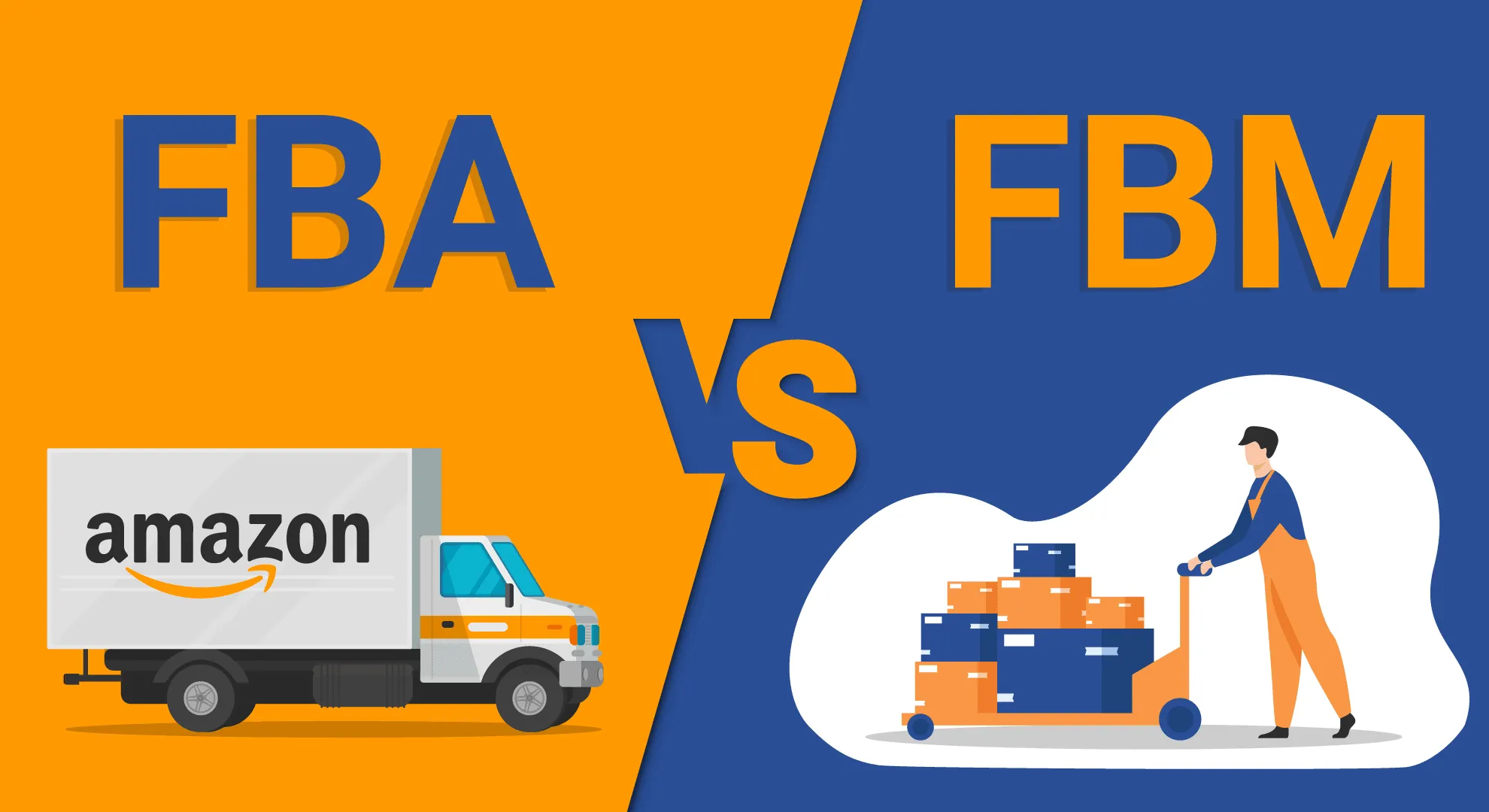
One of your most significant choices involves deciding between FBA (Fulfilled by Amazon) and FBM (Fulfilled by Merchant) for order fulfillment. With FBM, you maintain control over your inventory and handle every aspect of fulfillment yourself. You receive orders, pick products from your storage area, pack them securely, print shipping labels, and deliver packages to carriers. This approach gives you complete operational control and avoids Amazon’s fulfillment fees.
However, FBA flips this model entirely by outsourcing all fulfillment operations to Amazon. You ship your inventory in bulk to Amazon’s fulfillment centers. From that point forward, Amazon handles everything. When customers place orders, Amazon’s warehouse staff pick, pack, and ship your products directly to customers. You never touch individual orders. This eliminates the time-consuming manual labor that bogs down FBM sellers. While Amazon charges fees for this service, the tradeoff delivers tremendous value for most sellers.
The benefits extend well beyond just convenience. FBA products receive the coveted Amazon Prime badge. This signals to customers that they qualify for free two-day shipping if they’re Prime members. The badge dramatically improves conversion rates. Many Amazon shoppers filter search results to show only Prime-eligible products. Furthermore, Prime members spend significantly more on Amazon than non-members. They strongly prefer products that offer fast, free shipping. Consequently, the Prime badge opens your product to Amazon’s most valuable customer segment.
James considers the FBA fees absolutely worth paying given these advantages. After all, the entire appeal of building an online business involves creating income streams that don’t require constant manual labor. With FBA, your business operates whether you’re sleeping, traveling, or working your day job. Orders process automatically. Amazon’s professional fulfillment typically results in fewer shipping errors and customer service issues than most individual sellers can achieve. Additionally, don’t forget to add your backend search terms before clicking “Save and Finish.” These hidden keywords help Amazon’s algorithm understand your product without cluttering your visible listing.
Beyond the Basics: Setting Yourself Up for Success

Creating your listing represents just the beginning of your Amazon FBA journey, not the destination. The five-minute framework gets your product live and sellable. However, truly successful sellers continuously optimize and refine their listings based on performance data. Split testing different main images, adjusting keyword strategies, rewriting bullet points, and analyzing competitor changes all contribute to long-term success. The static listing you launch today should evolve into a dynamic sales machine that improves month after month.
Moreover, your listing exists within a broader ecosystem of Amazon success factors. These determine whether you generate ten sales monthly or ten thousand. Review generation strategies encourage satisfied customers to leave positive feedback. This dramatically improves conversion rates for future shoppers. PPC advertising campaigns put your product in front of customers actively searching for related items. This accelerates your initial sales velocity and helps Amazon’s algorithm recognize your relevance. Inventory management ensures you never run out of stock during peak demand periods. This protects your rankings and prevents lost sales.
The Passion Product Formula addresses all these complexities through comprehensive training. It takes you from initial product ideation all the way through scaling your business. Travis and his team of experienced coaches have collectively sold hundreds of thousands or millions of dollars worth of products on Amazon. They bring battle-tested knowledge about what actually works versus what sounds good in theory. Weekly Q&A sessions provide ongoing support as you encounter challenges specific to your product or market. You’re never stuck trying to figure things out alone.
James personally signed up for the Passion Product Formula course. He recognized that even with his Amazon insider experience, he needed systematic guidance to build a successful business. However, if you’re not ready for that investment yet, Travis offers a completely free 10-hour course. It covers how to create your own Passion Product from scratch. This free training provides tremendous value. It helps you determine whether the full program makes sense for your goals and timeline. Either way, you’re gaining access to proven systems rather than stumbling through trial and error on your own.
Taking Control of Your Amazon Success Story

The opportunity that Amazon FBA presents remains as viable today as when James transformed his layoff into a thriving side hustle. Millions of customers shop on Amazon daily. They’re searching for products that solve their problems and improve their lives. Your unique Passion Product can capture a portion of that massive traffic. You can convert it into consistent revenue that grows over time. The five-minute listing framework you’ve just learned provides the foundation. However, your success ultimately depends on creating genuine value that customers appreciate.
James’s journey from $0 to $35,000 in first-year revenue proves that the model works. He’s projecting over $70,000 this year. He didn’t succeed because he found some secret loophole or got lucky with a viral product. Instead, he followed a systematic approach. He identified a genuine market opportunity and he created a unique product that filled that gap and optimized his listing to capture organic traffic. He executed on fundamentals like inventory management and customer service. These same principles work regardless of your background or experience level.
The Passion Product Formula differentiates itself from generic Amazon FBA advice. It emphasizes unique product creation over commodity reselling. This approach builds sustainable businesses with pricing power and brand equity. It avoids fragile operations dependent on razor-thin margins and constant competitor pressure. Furthermore, the comprehensive support system dramatically improves your odds of success. Experienced coaches, weekly Q&A sessions, and a community of fellow sellers beat going it alone.
Your next steps are clear and actionable. First, watch Travis’s completely free 10-hour course. This helps you understand the full Passion Product system. You can determine whether this business model aligns with your goals. Second, start researching potential product ideas using tools like Helium 10. Identify genuine market opportunities. Third, create your listing using the five-minute framework outlined above. Apply everything you’ve learned about keywords, images, and strategic positioning. Finally, consider joining the full Passion Product Formula course for comprehensive support as you build and scale your Amazon business. As James would say: “Good luck on your Amazon journey. I believe in you.”
Frequently Asked Questions
How much does it cost to start selling on Amazon FBA?
Starting an Amazon FBA business requires several upfront investments beyond just creating your listing. You’ll need to pay for your Amazon seller account. This costs either $0.99 per sale or $39.99 monthly for a Professional account. You’ll also need product development and manufacturing, UPC codes from GS1, initial inventory, and shipping to Amazon’s warehouses. Additionally, you might need professional services like photography or listing optimization. Most successful sellers invest between $2,000-$5,000 to properly launch a Passion Product. Costs vary significantly based on your specific product and quality standards. Remember, you’re building a real business, not just trying a side hustle. Adequate capitalization sets you up for success.
What makes the Passion Product Formula different from other Amazon FBA courses?
The Passion Product Formula focuses specifically on creating unique, branded products. It doesn’t teach reselling generic items sourced from Alibaba or other suppliers. This fundamental difference eliminates direct competition. It enables premium pricing that commodity sellers cannot achieve. Additionally, the program includes ongoing support through experienced coaches. These coaches have generated hundreds of thousands or millions in sales. Weekly Q&A sessions provide personalized guidance. A community of sellers at similar stages supports your journey. Travis also offers a completely free 10-hour introductory course. This demonstrates confidence in the value provided rather than hiding content behind paywalls.
How long does it take to start making sales after launching a product?
Sales timelines vary considerably based on multiple factors. Your product category, competition level, pricing strategy, and marketing efforts all play roles. Some sellers generate their first sales within days of launching. This happens particularly if they invest in Amazon PPC advertising to jumpstart visibility. Others may take several weeks to gain traction. Amazon’s algorithm needs time to learn about their product. Organic rankings improve gradually. James’s experience shows that with proper execution, you can build meaningful revenue within the first year. He netted over $35,000 in year one. However, treating Amazon FBA as a long-term business leads to better decisions. Expecting overnight success creates problems. Focus on sustainable growth instead.
Do I need to use Helium 10, or are there free alternatives for keyword research?
While Helium 10 offers powerful features that professional sellers rely on, you can conduct basic keyword research using free methods. Amazon’s own search bar provides autocomplete suggestions showing popular search terms. Google Keyword Planner offers search volume data, though it’s less Amazon-specific. You can also analyze competitor listings to see which keywords they emphasize in their titles and bullets. However, serious sellers typically invest in tools like Helium 10, Jungle Scout, or similar platforms. The data accuracy and time savings justify the monthly cost. The Magnet tool that Travis and James reference provides search volume data. This information is difficult to obtain reliably through free methods.
What happens if someone copies my Passion Product idea?
Creating a unique product provides significant advantages. However, intellectual property protection requires additional steps beyond just launching. Consider trademarking your brand name and product name through the USPTO. This enables you to enroll in Amazon’s Brand Registry for additional protections. Design patents protect the ornamental design of your product. Utility patents cover functional innovations. Trade dress can protect distinctive packaging. However, patents are expensive and time-consuming to obtain. Many successful sellers focus instead on building strong brands. They accumulate reviews and continuously improve their products to stay ahead of potential copycats. Your first-mover advantage matters. Established reviews and brand recognition create barriers that discourage direct competition.
Should I start with FBA or FBM as a beginner?
James strongly recommends FBA for most new sellers despite the additional fees involved. The Prime badge dramatically improves conversion rates. It opens your product to Amazon’s most valuable customers. Additionally, FBA eliminates the time-consuming manual labor of order fulfillment. You can focus on business growth activities like marketing and product development. The professional fulfillment typically results in fewer shipping errors and customer complaints. Individual sellers handling fulfillment themselves struggle more. However, FBM might make sense for very large or heavy products. Fulfillment fees can become prohibitively expensive. It also works for sellers who already have efficient fulfillment operations in place. For most Passion Products, FBA represents the smartest choice for scaling efficiently.
How do I avoid getting my listing shadowbanned like James experienced?
Amazon enforces strict policies about claims, imagery, and language in product listings. Review Amazon’s listing policies thoroughly before creating your content. Pay special attention to restricted claims. These include health benefits, FDA approval, and similar statements. Watch for prohibited content like alcohol promotion, weapons, and adult products. Understand category-specific requirements. Avoid making unsubstantiated claims about your product’s benefits or effectiveness. Be cautious with keywords related to alcohol, drugs, or age-restricted products. This applies even if your actual product is legitimate. If your listing does get flagged, respond promptly to Amazon’s communications. Make requested changes immediately. Additionally, some sellers proactively have their listings reviewed by Amazon compliance specialists before launch. This catches potential issues before they trigger enforcement actions.
What profit margin should I target when pricing my product?
James recommends selling for at least three times your manufacturing cost as a baseline. This translates to roughly 67% gross margin before Amazon fees. After accounting for Amazon’s 15% referral fee, you’ll face additional costs. FBA fulfillment fees, storage costs, and advertising spend reduce your margins. You’ll typically land somewhere between 20-40% net profit margin. This depends on your specific product and cost structure. Premium Passion Products often command even higher margins. You’re not competing purely on price. Focus on value creation rather than racing to the bottom on price. Customers will pay more for unique products that genuinely solve problems or provide experiences they can’t get elsewhere. Remember, higher margins give you more flexibility. You can invest in advertising, promotions, and business growth.