
Picture this scenario, you’ve built a thriving Amazon KDP business generating $10,000 per month in sales. Your books rank well. Reviews keep coming in. Meanwhile, passive income flows into your account like clockwork. Then one morning, you wake up to disaster. Every single book has been deleted. Furthermore, your account is permanently banned. Unfortunately, this nightmare scenario happens more often than you might think. In fact, it’s usually caused by mistakes that sellers don’t even realize they’re making.
Travis Marziani has generated over $10 million in sales on Amazon. Additionally, he’s witnessed hundreds of accounts get completely destroyed by these exact errors. Moreover, he’s helped thousands of sellers avoid these pitfalls. As a result, they’ve built sustainable, profitable Amazon KDP businesses that generate consistent income month after month. Indeed, the difference between success and failure often comes down to one thing. Specifically, you need to know these critical rules before Amazon enforces them against you.
Whether you’re just launching your first book or already generating sales, you’re likely making at least one of these mistakes right now. For instance, beginners face the risk of getting blacklisted before they even gain traction. Meanwhile, experienced sellers often discover too late that their profitable books violate policies they didn’t know existed. However, the good news is simple. Once you understand these five critical mistakes, you can protect your business. Consequently, you’ll position yourself ahead of 90% of your competition.
Throughout this article, we’ll explore each mistake in detail. Additionally, we’ll show you real examples of what goes wrong. Furthermore, we’ll provide actionable solutions you can implement immediately. Beyond that, we’ll reveal the strategy that allows smart sellers to succeed without paid advertising. Finally, we’ll show you how to access proven systems that have helped thousands build real Amazon businesses. Therefore, let’s dive into the first mistake that’s causing books to vanish from Amazon every single day.
Mistake #1: Copyright and Trademark Infringement

First and foremost, let’s talk about the mistake that can permanently ban your account without warning. Indeed, copyright and trademark infringement represents the fastest way to destroy your Amazon KDP business. In fact, sellers accidentally violate these protections every single day. Specifically, people, brands, and companies own exclusive rights to specific names, logos, and characters. Therefore, using any of these elements without written permission gives Amazon legal grounds to terminate your account immediately.
Understanding the difference between copyrights and trademarks becomes crucial for protecting your business. For example, trademarks protect logos, brand names, and visual identities. Essentially, they distinguish one company’s products from another’s. On the other hand, copyrights protect creative works like character names, storylines, and original artistic expressions. Importantly, Amazon takes both violations seriously. After all, allowing infringement on their platform exposes them to massive legal liability. Furthermore, rights holders aggressively defend their intellectual property.
Real-World Examples
You might search “MLB Puzzle Books” on Amazon right now. Subsequently, you’ll find titles like “The Ultimate New York Yankees Trivia Book” featuring Yankees imagery on the cover. Similarly, you’ll see “The Ultimate Los Angeles Dodgers Fan Quiz Book” displaying Dodgers logos and players in team uniforms. Currently, these books appear live on Amazon. Moreover, they generate sales every single day. However, the only reason they haven’t been deleted yet is simple. Specifically, the teams haven’t reported them to Amazon’s infringement department.
The moment any rights holder submits a complaint, Amazon immediately pulls those books. Subsequently, they issue strikes against the seller’s account. Nevertheless, you might be thinking these books are still live, so they must be okay, right? Wrong. In reality, these sellers are essentially playing Russian roulette with their entire business. Indeed, it’s only a matter of time before their luck runs out. Consequently, one strike can lead to account review. Furthermore, multiple strikes typically result in permanent bans. Ultimately, Amazon shows zero tolerance when intellectual property owners demand enforcement.
The “Unofficial” Workaround Myth
Some sellers attempt to sidestep these rules by labeling their books as “unofficial” products. For instance, instead of creating “New York Yankees Trivia,” they publish “Unofficial Trivia Book About the New York Yankees.” Naturally, they believe this disclaimer provides legal protection. However, even this seemingly clever workaround comes with serious risks. In fact, it can still result in account termination or legal action from rights holders. After all, they don’t appreciate unauthorized use of their brand names.
Travis himself refuses to use this strategy on any of his accounts. Indeed, he has good reason. Specifically, rights holders can still argue that you’re profiting from their brand recognition and reputation. Moreover, this holds true regardless of whether you slap “unofficial” on the cover. Furthermore, Amazon’s policies evolve constantly. Therefore, what they tolerate today might become grounds for account suspension tomorrow. Consequently, smart sellers avoid these gray areas entirely. Instead, they build businesses on solid legal ground that can’t be challenged by billion-dollar corporations with armies of lawyers.
Protected Properties Beyond Sports
This protection extends far beyond just sports teams. In fact, it reaches into virtually every commercial brand you can imagine. For example, Marvel characters, Disney properties, movie franchises, famous musicians, and celebrity likenesses all fall under intellectual property protection. Similarly, any brand with reputation value receives this protection. Moreover, even using a character’s silhouette or a distinctive color scheme associated with a brand can trigger infringement claims. Ultimately, these claims can destroy your business overnight.
The golden rule becomes beautifully simple. Specifically, if you would profit from someone else’s reputation, don’t use their protected elements. Indeed, the only exception is if you have written permission signed by their legal department. Interestingly, this actually opens up MORE creative opportunities than it restricts. For instance, instead of competing in crowded spaces dominated by established brands, you create original content. Consequently, you fully own and control this content. Additionally, original content builds your own brand equity over time. As a result, you create an asset that grows more valuable with each book you publish. Therefore, you’re not borrowing recognition that can be taken away at any moment.
Mistake #2: Wrong Trim Size Selection

Moving from legal protection to customer experience, let’s tackle a mistake that quietly kills sales. Notably, it doesn’t trigger any obvious warning signs. Essentially, trim size simply refers to the physical dimensions of your book. Specifically, it’s how big or small it appears when customers hold it in their hands. Nevertheless, this seemingly minor detail matters far more than most sellers realize. In fact, every type of book carries customer expectations. Moreover, these expectations are built up over decades of publishing standards. Additionally, they’re reinforced by every successful book in that category.
When customers receive a book that doesn’t match their size expectations, they immediately perceive it as cheap. Furthermore, they think it looks unprofessional or poorly designed. Consequently, this perception translates directly into bad reviews that tank your sales. Moreover, it damages your rankings permanently. Beyond that, wrong trim size creates genuine usability problems. Therefore, these problems frustrate customers and guarantee negative feedback. Ultimately, this makes the mistake both a marketing issue and a product quality problem. As a result, it compounds over time.
Customer Expectations by Category
Activity books, coloring books, puzzle books, and anything where customers write on the pages require specific dimensions. Specifically, the industry standard is 8.5 by 11. Indeed, this larger format provides enough space for comfortable writing. Additionally, it ensures clear visibility of puzzles and designs. Moreover, it creates a professional appearance that matches what customers find at Barnes & Noble or other retail bookstores. In contrast, if you publish a word search book at 6 by 9, customers struggle to see the letters clearly. Furthermore, they find the writing space cramped. Consequently, this leads to immediate dissatisfaction and returns.
On the other hand, journals and planners follow different rules. Specifically, these rules are based on their primary use case of portability and everyday carry. Typically, these products measure 6 by 9. After all, nobody wants to carry around a huge journal in their bag or purse throughout the day. Consequently, choosing the right trim size requires understanding more than just what your book contains. Indeed, you need to understand how customers will actually use it in their daily lives. Therefore, this user-centered thinking separates successful Amazon KDP publishers from amateurs. In particular, amateurs design books in isolation without considering real-world usage patterns.
The Profit Connection
Beyond customer satisfaction, trim size directly impacts your bottom line. In fact, it can make or break your profitability. Specifically, larger trim sizes allow you to spread content across fewer total pages. Meanwhile, you maintain readability and professional appearance. For example, a word search book at 8.5 by 11 might need only 100 pages. In contrast, the same number of puzzles would require 150 pages at a smaller size.
Fewer pages translate directly to lower printing costs from Amazon’s print-on-demand system. Subsequently, lower printing costs mean higher profit margins on every single sale. Indeed, this difference might seem small on individual transactions. However, it compounds dramatically over hundreds or thousands of sales. Therefore, choosing 8.5 by 11 for activity books gives you both better customer experience AND better economics. Ultimately, it creates a win-win situation. As a result, you build sustainable profitability into your business model from day one.
The Research Strategy
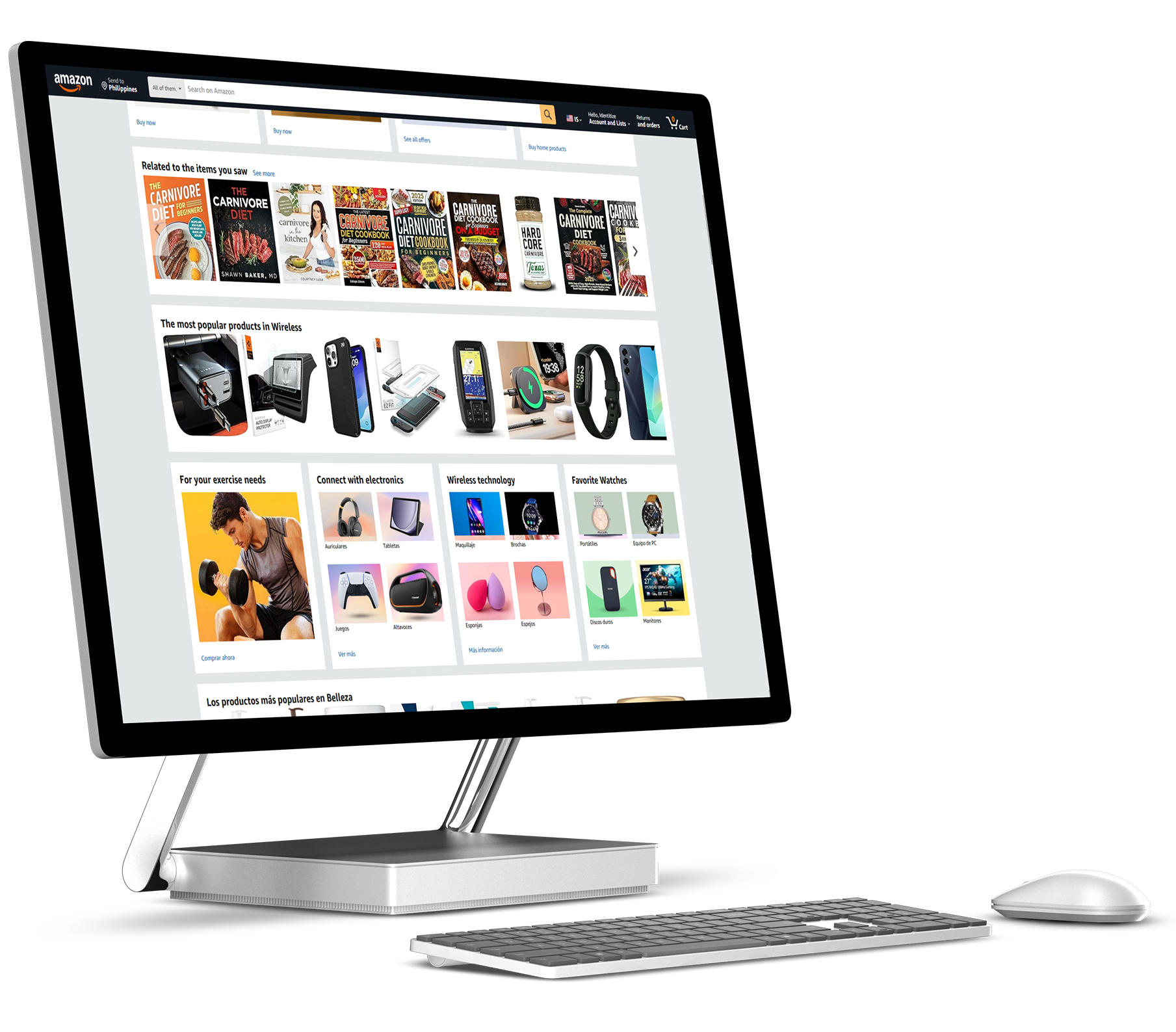
Rather than guessing or following outdated advice from random YouTube videos, here’s the foolproof method. Indeed, it guarantees you match customer expectations every time. First, navigate to Amazon and search for the specific niche where you plan to publish your book. Then, examine the top 10 bestsellers in that category. Next, check their trim sizes by scrolling down to the product details section on each listing.
You’ll quickly notice patterns emerging. Specifically, successful books in the same category typically share the same dimensions. Indeed, that’s what the market has determined works best. Therefore, let the market tell you what customers want. Instead, don’t try to reinvent the wheel or cut corners to save a few cents on printing costs. Notably, this research takes less than 10 minutes. Consequently, it protects you from one of the most common mistakes. In particular, this mistake plagues beginner Amazon KDP publishers who don’t understand how customer expectations drive purchasing decisions and review ratings.
Mistake #3: Mishandling Bleed and Margins

Now we’re getting into the mistakes that make your book look amateurish to customers. Notably, these customers might otherwise love your content. Essentially, bleed refers to images, colors, or design elements that extend all the way to the edge of the page. Specifically, there’s no white border. Indeed, this technique creates a modern, professional appearance when executed correctly. However, it becomes a disaster when sellers don’t understand how Amazon’s printing process actually works.
Amazon cuts pages to their final size during the printing process. Importantly, this cutting happens after your designs get printed on larger sheets. Therefore, if your images extend to the edge but you didn’t set up proper bleed dimensions, the cutting blade literally chops off parts of your images. Consequently, this creates ugly white slivers, cropped graphics, and a cheap appearance. Indeed, it screams “amateur hour.” As a result, customers who notice these printing defects leave bad reviews. Subsequently, these reviews tank your sales and damage your reputation. Ultimately, this technical mistake becomes a marketing catastrophe. Notably, it could have been easily avoided.
The Bleed Setup Process
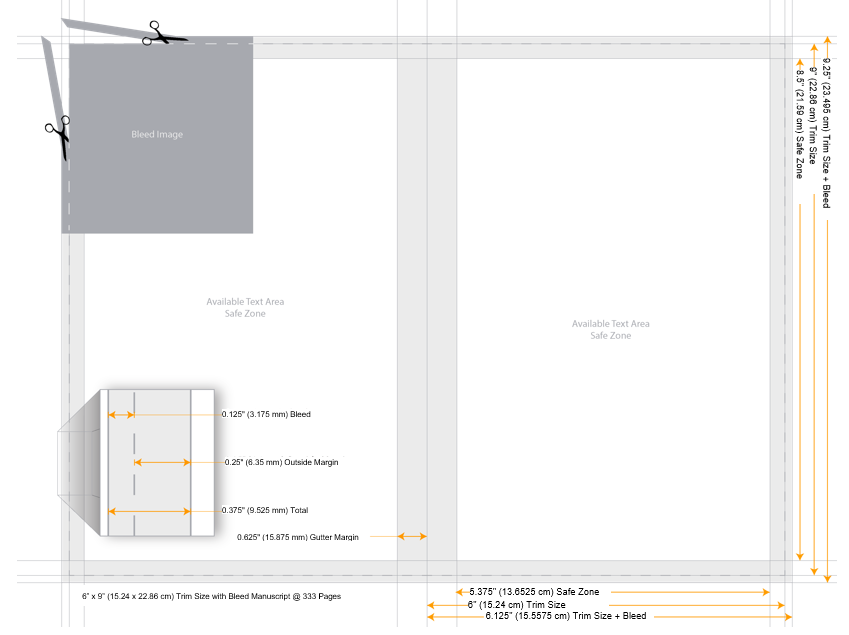
Here’s where sellers commonly mess up. Unfortunately, they create problems that haunt them through every copy sold. Specifically, if ANY page in your book has bleed, even just one page with a full-page image or colored background and you need to set up the ENTIRE book for bleed from the beginning. Indeed, you can’t mix bleed pages and non-bleed pages in the same book. Otherwise, this creates inconsistent results that look unprofessional and confusing.
When you upload your book to Amazon KDP, Amazon asks whether your interior has bleed. Importantly, checking “yes” means Amazon expects your file to include the extra bleed area on every single page. So what happens when you get this wrong? Amazon’s cutting blade slices through your carefully designed pages. Specifically, it cuts based on the trim size you specified. Consequently, any images that extend to where the blade cuts get partially removed. As a result, this leaves incomplete graphics, chopped text, or awkward white borders. Instead, your design should reach the edge. Ultimately, this creates exactly the amateur appearance that drives customers away. Moreover, it generates the bad reviews you desperately want to avoid.
Correct Dimensions
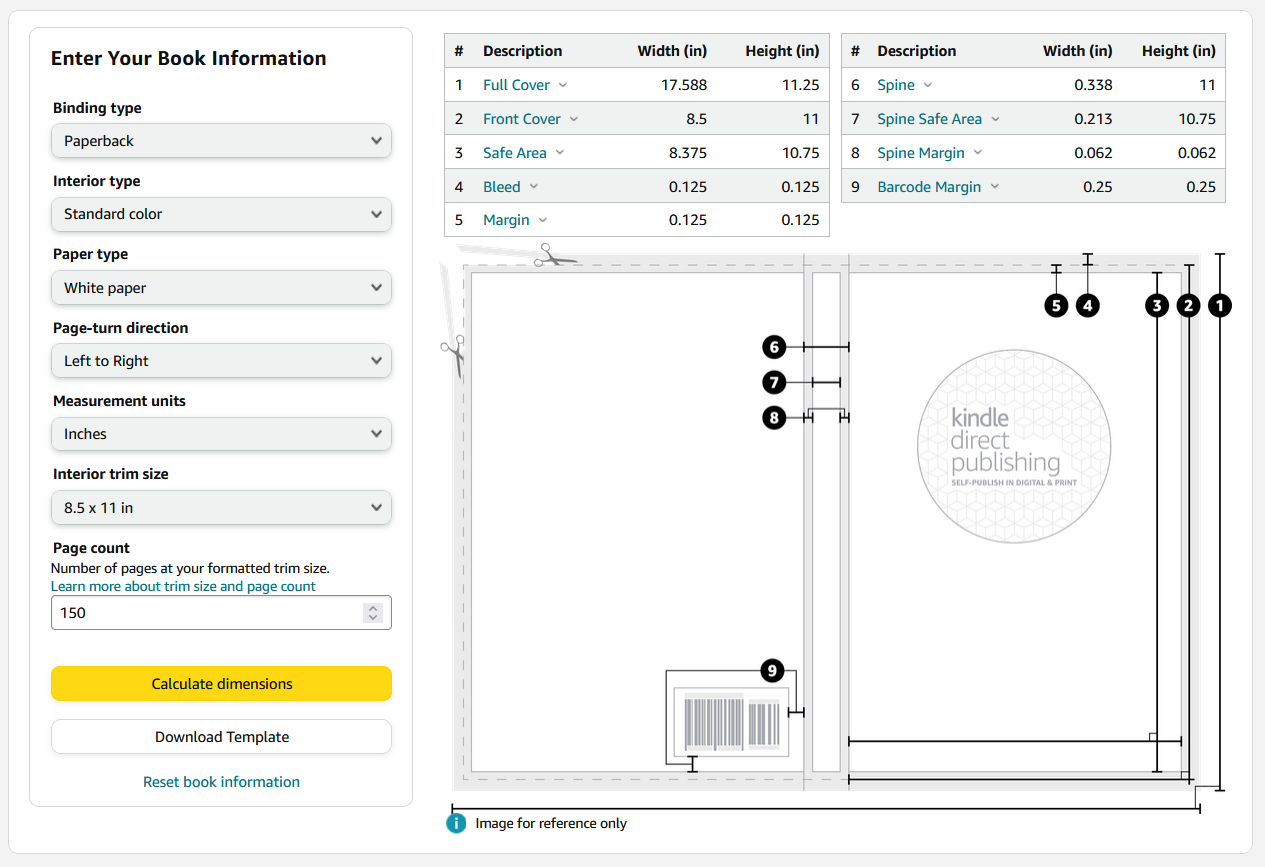
Let me break down the exact numbers you need to avoid this disaster. Specifically, if you’re creating an 8.5 by 11 book WITH bleed, you don’t design at 8.5 by 11. Instead, you actually design at 8.625 by 11.25 inches. Indeed, these extra fractions represent the bleed area. Specifically, Amazon’s printing process cuts this area off. Therefore, this ensures that your images extend beyond the final cut line. As a result, you create perfect edge-to-edge coverage with no white gaps.
Conversely, if your book doesn’t have any bleed at all, the process is simpler. Specifically, this means all your content sits comfortably within the page boundaries. Additionally, you have white margins all around. Therefore, you simply design at your normal trim size of 8.5 by 11 exactly. Indeed, there’s no need to add bleed area if you’re not using it. In fact, keeping your design simple often creates the cleanest, most professional result. Consequently, understanding this distinction saves you from confusion. Particularly, this confusion plagues beginners who try to apply bleed rules to books that don’t need them.
Margins Matter Too
Bleed isn’t the only spacing issue to watch when creating professional-looking books. Indeed, margins define the space between your content and the edge of the page. Specifically, proper margins separate professional publications from cheap-looking printouts. Notably, these look like they were created on someone’s home printer. Furthermore, too little margin makes your content feel cramped and difficult to read. Additionally, it risks that binding processes cut off text or images that sit too close to the spine.
Amazon specifies minimum margin requirements based on your page count. For instance, for books with 24 to 150 pages, you need at least 0.375 inches of margin. Specifically, this applies to the inside (near the spine) and outside (far edge) of each page. Additionally, you need adequate top and bottom margins. Indeed, these frame your content properly and create the professional appearance that customers expect from published books. Fortunately, Amazon makes calculating all these dimensions incredibly easy. In fact, they provide a free tool that does the math for you in under 60 seconds.
Mistake #4: Using AI-Generated Graphics

This next mistake is brand new and potentially the most dangerous. Indeed, it’s creating massive risk that sellers don’t even recognize yet. Recently, AI image generation tools have exploded in popularity. For example, platforms like Canva integrate powerful AI capabilities that create custom graphics in seconds. Essentially, you simply type what you want. Then, you click generate. Boom, you’ve got an image you can drop into your book cover or interior pages.
The technology genuinely impresses everyone who uses it. Consequently, the temptation to leverage these tools becomes overwhelming. This is especially true when you’re trying to launch books quickly and cheaply. However, here’s the problem that could destroy your account overnight. Specifically, even the companies creating these AI tools don’t know who actually owns the images they generate. Therefore, this legal ambiguity creates massive liability for sellers. Particularly, you’re using AI graphics commercially. Ultimately, Amazon could retroactively ban all books containing AI-generated images. Indeed, this could happen if they decide to enforce stricter policies in the future.
The Ownership Problem
Canva themselves state directly on their own terms of service page that ownership rights remain unclear. Specifically, the rights of AI-created designs are unsettled from a legal perspective. Furthermore, they explicitly recommend consulting with a lawyer before you sell anything containing AI graphics. Essentially, they’re washing their hands of responsibility for what happens when you use their AI tools commercially. Think about that for a moment. Indeed, the company MAKING the tools doesn’t know who owns the output. Therefore, you’re taking massive risk by using those outputs in books you sell on Amazon.
This uncertainty creates a ticking time bomb under your entire business. Notably, intellectual property law moves slowly. Furthermore, courts haven’t definitively ruled on who owns AI-generated content. Meanwhile, the AI models themselves get trained on millions of copyrighted images from across the internet. Consequently, this raises questions about whether AI outputs constitute derivative works of copyrighted material. As a result, you could be unwittingly violating copyrights without even knowing it. Moreover, the rights holders could come after you years down the road. Specifically, this happens when they finally decide to enforce their intellectual property against AI-generated derivatives.
Amazon’s Future Enforcement
Even if you’re getting away with using AI graphics today without any problems, that doesn’t mean you’ll be fine tomorrow. In fact, Amazon regularly updates their content policies. Therefore, one policy change could instantly delete your entire catalog. Specifically, this happens if they decide to ban AI-generated images retroactively. Indeed, this has happened before with other policy changes. Notably, Amazon doesn’t grandfather in old books or give sellers time to fix problems. Instead, they simply remove violating content and issue account strikes immediately.
Consequently, betting your business on AI graphics means gambling. Specifically, you’re gambling that Amazon never tightens their policies around this technology. Indeed, that’s not a gamble Travis is willing to take with his account. Moreover, it’s not one he recommends for any seller who wants to build a sustainable business. After all, your Amazon account represents your entire income stream in this business model. Therefore, risking that income for the convenience of free AI graphics makes no sense. Importantly, safe alternatives exist.
Smart Alternatives
Instead of gambling with your account, here are safe options. Indeed, they protect your business while still allowing you to create professional graphics quickly and affordably. First, create original designs in Canva using their regular (non-AI) tools. Specifically, use shapes, text, filters, and stock elements that come with clear commercial licenses. Notably, these tools provide more than enough creative flexibility. As a result, you can design beautiful covers and interiors without any legal ambiguity.
Second, hire designers on Fiverr for $5 to $20 per design. Subsequently, they create custom graphics that you definitively own. Indeed, this small investment buys you legal certainty. Moreover, it often results in higher-quality, more unique designs than AI tools produce anyway. Third, use free stock image websites like Unsplash or Pixabay. Specifically, they offer commercial licenses for their photos. Therefore, this gives you legal permission to use professional photography in your books. Ultimately, you’ll build a more unique, defensible brand with original or licensed content anyway. In fact, AI-generated images tend to have a distinctive “AI look.” Furthermore, customers increasingly recognize this and associate it with low-quality, mass-produced content.
Mistake #5: Believing You Need Paid Ads
Let’s tackle the myth that wastes more beginner money than anything else in the Amazon KDP space. Everywhere you look online, marketing gurus and Amazon “experts” insist that you absolutely need paid advertising. Specifically, they say you need it to succeed with Amazon KDP. Furthermore, they push Amazon PPC courses, Facebook ad training, and complex advertising strategies. Indeed, these promise to scale your book sales through the roof. However, for most people starting out, paid ads hurt more than they help. In fact, they drain bank accounts and create frustration. Consequently, this causes sellers to quit before they ever see success.
The advertising industry has a vested interest in convincing you. Specifically, they want you to believe you can’t succeed without spending money on ads. After all, they profit from your ad spend regardless of whether you make money or not. Meanwhile, countless successful Amazon KDP sellers have built thriving businesses. Indeed, they generate thousands of dollars monthly without spending a single cent on advertising. Notably, these sellers understand something important. Specifically, advertising amplifies what already works. However, it can’t fix fundamental problems with book selection, niche targeting, or product-market fit.
Why Ads Fail for Beginners
Here’s the brutal math that destroys most beginner ad campaigns. Specifically, Amazon KDP generates small profit margins. Typically, they range from $2 to $5 profit per book. Notably, this is after Amazon takes their cut and covers printing costs. Therefore, for advertising to work profitably, you need extremely efficient campaigns. Specifically, you need high conversion rates and low cost-per-click. Unfortunately, developing that efficiency requires years of expertise and continuous optimization. Indeed, beginners simply don’t possess this yet.
Most beginners burn through their entire budget testing ads that don’t convert. Consequently, they lose money on every sale. Furthermore, they watch their advertising costs exceed their profit margins. Additionally, there’s the rating problem that nobody talks about. Specifically, if your book has a three-star or below rating, advertising traffic won’t convert into sales. Indeed, this holds true no matter how much you spend. After all, customers read those bad reviews and click away to competitors with better ratings. Therefore, you need organic reviews first to prove product-market fit. Moreover, you need profitable unit economics before advertising makes any sense at all.
When You Actually Need Ads
Don’t get me wrong, advertising definitely works. Indeed, it becomes necessary in specific situations. Particularly, organic ranking alone can’t compete in some cases. For example, highly competitive niches like “wedding guest book” require advertising. After all, you’re competing against books with hundreds of reviews and thousands of monthly purchases. Specifically, these established sellers dominate the organic rankings so completely. As a result, new books can’t break through without paid traffic. Indeed, you need this traffic to jumpstart your review velocity and ranking momentum.
However, here’s the beautiful part. Specifically, you don’t have to compete there at all. In fact, trying to outspend established competitors in saturated niches represents the hardest possible path to success. Moreover, it’s exactly the path that most beginners foolishly choose. Unfortunately, they don’t understand niche selection strategy. Instead, smart sellers avoid these uphill battles entirely. Specifically, they focus on opportunities where their books can win without advertising budgets. Consequently, they create sustainable businesses built on organic traffic rather than expensive paid acquisition.
The Specific Niche Strategy
Instead of fighting uphill battles, here’s the smarter approach. Indeed, it allows you to succeed without advertising. Specifically, rather than creating a generic “wedding guest book,” create a “Hawaii themed wedding guest book.” Therefore, this targets couples planning destination weddings in Hawaii. When you search this specific phrase on Amazon, you’ll find only a handful of results. Notably, only a few have Hawaii explicitly in their titles. Nevertheless, clear search demand exists from people typing that exact query into Amazon’s search bar.
This represents a massive opportunity. Specifically, real customers actively search for this specific product. However, nobody has created the perfect book to satisfy that search intent yet. Therefore, create a book that matches exactly what people are searching for in an underserved niche. As a result, your book ranks organically without advertising. Indeed, you face minimal competition for that specific keyword phrase. Importantly, you’re not avoiding competition. Instead, you’re creating your own market where you can dominate the rankings. Consequently, you capture the majority of sales simply by being the best option available.
Taking Your Amazon KDP Business to the Next Level

Now, here’s something critical to understand. Specifically, you need to process everything we’ve covered in this article. Indeed, you can successfully avoid all five of these mistakes. You can publish technically perfect books with proper trim sizes and margins. Additionally, you can steer clear of trademark infringement. You can skip AI graphics entirely. Furthermore, you can target specific niches that don’t require advertising. Nevertheless, you still might not build a profitable Amazon KDP business. In fact, avoiding problems doesn’t automatically create success. Instead, it simply removes obstacles that would have blocked your path to profitability.
Building a real Amazon business requires a proven system. Specifically, you need coverage of niche research, book creation, listing optimization, and pricing strategy. Additionally, you need review generation and scaling techniques that compound your results over time. This is exactly why Travis created the Passion Product Formula. Indeed, it’s a comprehensive training program that has helped thousands of students make real money on Amazon. Notably, Travis brings over a decade of Amazon selling experience across multiple business models. For instance, he’s worked with Amazon KDP, private label, and wholesale. Consequently, this gives him unique insights that pure Amazon KDP educators simply can’t match.
Whether you’re selling books, physical products, or building a brand, the fundamental principles of Amazon success remain consistent. Indeed, they work across all product categories. Specifically, understanding Amazon’s algorithm, customer psychology, competitive analysis, and operational excellence separates hobby sellers from business owners. Ultimately, business owners generate life-changing income. The Passion Product Formula distills these principles into an actionable system. Therefore, you can follow it step-by-step. As a result, you avoid years of expensive trial-and-error. Moreover, you leverage proven strategies that already work.
If you’re serious about building real income with Amazon KDP, take advantage of the free strategy call. Specifically, Travis and his team offer this to qualified applicants. During this no-obligation consultation, you’ll learn everything you need for Amazon KDP success. Additionally, you’ll discover personalized strategies tailored to your specific situation. Furthermore, you’ll determine whether you qualify for the accelerated program. Indeed, this program fast-tracks results for committed students. Therefore, click the link below to book your call today. Ultimately, this could be the turning point in your Amazon journey. Specifically, it could transform a hobby into a business or a struggling account into a thriving income stream.
Frequently Asked Questions
Can I use character names that are similar but not identical to trademarked names?
No, this strategy creates even more legal risk than direct infringement. Specifically, creating “slightly different” versions of protected character names or brands still violates intellectual property law. Indeed, this falls under the concept of “confusingly similar” trademarks. Furthermore, rights holders aggressively pursue these cases. After all, allowing similar names dilutes their brand value. Consequently, courts typically rule in favor of the original rights holder. Additionally, Amazon’s algorithms and human reviewers actively scan for these attempted workarounds. As a result, they’ll remove your books even faster. Indeed, this demonstrates intentional circumvention of their policies. Therefore, always create completely original content. Ultimately, don’t trade on anyone else’s reputation or recognition.
How do I know if a name or logo is trademarked?
You can search the United States Patent and Trademark Office (USPTO) database at uspto.gov. Specifically, this lets you check whether specific names, logos, or phrases have registered trademark protection. However, understand that trademark rights can exist even without registration. Indeed, this happens through “common law” usage. Therefore, a company can still sue you for infringement even if they never formally registered their trademark. Furthermore, international trademarks may not appear in the US database. Consequently, this creates additional risk if you’re selling globally on Amazon. Ultimately, the safest approach remains creating entirely original content. Instead, don’t try to determine how close you can get to protected properties without crossing the line.
What happens if I accidentally violate copyright after my book is already selling?
Amazon will immediately remove your book from their catalog. Specifically, this happens the moment they receive a valid infringement complaint from a rights holder. Subsequently, you’ll receive an email notification explaining the violation. Furthermore, it will inform you that strikes have been placed on your account. Typically, one strike triggers a warning and account review. However, multiple strikes can result in permanent account suspension without appeal. Notably, even if you genuinely made an honest mistake, Amazon doesn’t distinguish between intentional infringement and accidents. Instead, their policy enforces strict liability. Specifically, this protects them from legal action by rights holders. Therefore, this is why you must verify your content before publishing. Indeed, don’t hope problems never get reported.
Is it better to use Canva or hire a designer for book covers?
For beginners with limited budgets, Canva’s non-AI tools provide sufficient functionality. Specifically, you can create professional covers that convert well. This is especially true when you study successful books in your niche. Furthermore, you adapt their design principles to your original content. However, hiring experienced designers creates superior results. Indeed, these stand out in competitive markets. This is particularly true for books where cover design heavily influences purchasing decisions. Notably, many successful sellers use a hybrid approach. Specifically, they use Canva for interior pages and formatting where design matters less. Meanwhile, they hire professional designers for covers. After all, first impressions determine whether browsers become buyers. As your business grows and generates revenue, reinvesting profits into professional design typically delivers strong returns. Consequently, you get higher conversion rates and premium positioning.
How long does it take to see sales from a new Amazon KDP book?
Timeline varies dramatically based on several factors. Specifically, niche selection, competition level, and keyword optimization all matter. Indeed, books targeting specific, underserved niches with clear search demand can generate their first sales within days of publication. Meanwhile, books in competitive categories might take weeks or months. Particularly, they need to accumulate enough reviews to rank organically. Generally, expect 30-60 days before you can accurately assess whether a book will succeed. Specifically, this gives Amazon’s algorithm time to test your book. Indeed, it tests with various search queries and customer segments. During this initial period, focus on driving early reviews through legitimate means. For example, use follow-up emails to customers. Additionally, get friends and family purchases. Furthermore, create genuinely excellent products that generate organic word-of-mouth recommendations.
Do I need an LLC or business entity to sell on Amazon KDP?
Amazon allows individual sellers to publish under their personal names and social security numbers. Therefore, you don’t legally require a business entity to start selling on Amazon KDP. However, forming an LLC or other legal structure provides liability protection, tax benefits, and professional credibility. Indeed, these become increasingly valuable as your business grows. Consequently, consult with a qualified accountant or attorney in your jurisdiction. Specifically, they’ll determine the right structure for your specific situation. Consider factors like projected income levels and number of books you plan to publish. Additionally, think about whether you’ll hire employees or contractors. Furthermore, consider your personal risk tolerance. Notably, many successful sellers start as individuals. Subsequently, they form business entities once they reach consistent monthly revenue. Indeed, this justifies the additional complexity and costs.
Can I publish the same book in multiple niches by just changing the cover and title?
While technically possible, this strategy violates Amazon’s duplicate content policies. Furthermore, it can result in account suspension if detected. Specifically, Amazon’s algorithms actively scan for substantially similar interior content across multiple listings. Indeed, this holds true even with different covers and titles. Additionally, this approach demonstrates the wrong mindset. Instead of trying to maximize revenue from minimal effort, successful Amazon KDP publishers focus differently. Specifically, they create genuinely valuable, niche-specific content. Therefore, this serves readers’ needs better than existing options. The work involved in proper niche research, custom cover design, and listing optimization makes creating unique books only marginally more effort. Consequently, you avoid attempting to game the system with duplicates. As a result, you eliminate the risk of policy violations. Ultimately, you create a defensible brand with real value.
Should I focus on publishing many books quickly or fewer high-quality books?
Quality always beats quantity in building a sustainable KDP business. Specifically, publishing one exceptional book that perfectly matches customer needs in an underserved niche generates more profit and less stress. Indeed, this beats managing a catalog of mediocre books. Unfortunately, these struggle to maintain rankings and collect negative reviews. In contrast, high-quality books accumulate positive reviews organically. Furthermore, they rank for multiple related keywords. Additionally, they generate word-of-mouth recommendations. Moreover, they require minimal ongoing maintenance. Consequently, this creates truly passive income. Conversely, low-quality books demand constant attention to manage bad reviews. Furthermore, they frequently lose rankings to better competitors. Additionally, they create customer service headaches that destroy your profit margins. Therefore, focus on excellence from your first book. Then, learn what works. Finally, scale by replicating your success formula across related niches. Indeed, don’t cut corners to increase volume.